Calm Your Anxious Dog During Fireworks

Soothe your dog's storm and fireworks anxiety with proven calming techniques and a safe retreat.
The most effective long term method is systematic desensitization and counterconditioning, which gradually changes your dog's emotional response from fear to positivity. For immediate relief during an event, create a safe space with background noise like a fan, TV, or calming music, and use high value treats and toys for distraction. For severe phobias, consult your veterinarian about potential medication and a referral to a veterinary behaviorist.
The sudden crack of thunder or the distant pop of a firework can transform a happy, relaxed dog into a trembling, panting ball of anxiety. It's heartbreaking to watch. As a dog owner, you want to do anything you can to ease their distress. Noise phobias are incredibly common, and they stem from a dog's natural survival instincts. Loud, unpredictable sounds are perceived as threats. The good news is you are not powerless. With preparation, patience, and proven techniques, you can help your dog feel safer and more secure during these stressful times. This guide pulls together expert advice from veterinary behaviorists and trainers to give you a clear, actionable plan.
Why Are Dogs So Afraid?
Understanding the "why" helps us empathize and respond better. Dogs have hearing far more sensitive than our own. A sound that is merely loud to us can be physically painful or overwhelmingly intense for them. Fireworks and thunderstorms are not just loud; they are unpredictable. A dog can't understand the cause of the boom, and they can't predict when the next one will come. This lack of control is a major source of anxiety. Furthermore, storms bring other frightening elements like changes in barometric pressure, static electricity, and flashes of lightning. It's a full sensory assault. Recognizing this helps us see their fear as a genuine panic response, not just bad behavior.
How Can You Prepare Before the Event?
The key to managing noise anxiety is not to wait until the sky lights up. Proactive preparation makes all the difference.
Create a Safe Haven
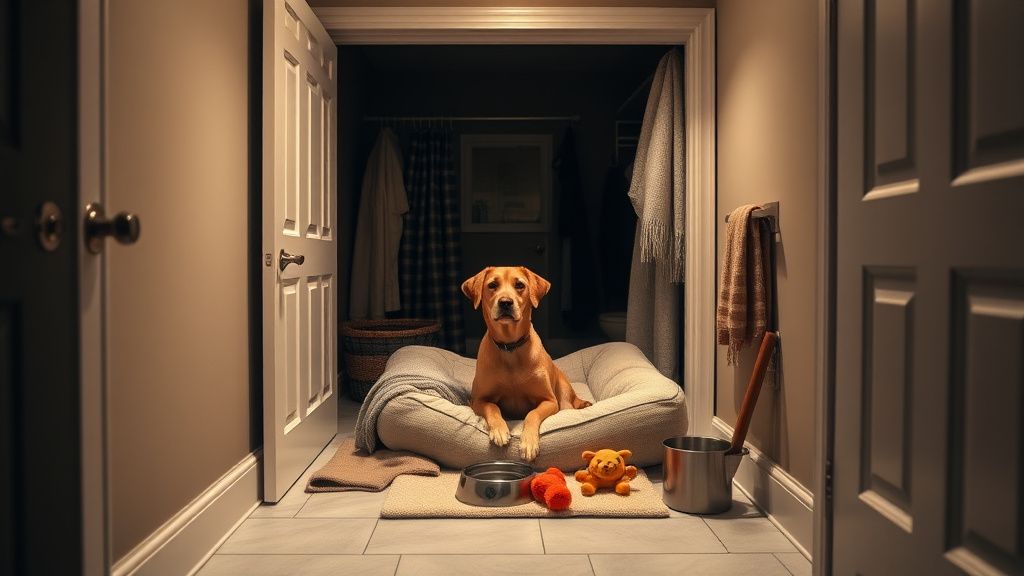
This is your number one task. Your dog needs a designated safe space where they can retreat. This area should be available to them at all times, but especially during stressful events.
* Choose the Right Spot: Often, an interior room without windows, like a bathroom, laundry room, or closet, works best. It's further from outside noises and blocks flashing lights.
* Make it Cozy: Line the area with their favorite bed and blankets. If your dog is crate-trained and finds comfort in their crate, move it to this safe room. You can cover the crate with blankets to muffle sound and block light, creating a den like atmosphere.
* Stock the Supplies: Keep a bowl of fresh water and their favorite toys in the room. I've found that having a special, long lasting chew or a puzzle toy filled with something delicious like peanut butter can provide a powerful, positive distraction. Consider using a treat from a dog subscription box that they only get during these times, making the safe space extra rewarding.
Start Behavior Modification Early
For lasting change, you need to work on your dog's emotional response. The gold standard, cited by VCA Animal Hospitals and other experts, is systematic desensitization and counterconditioning. This is a process that should be started during a calm season, not on the Fourth of July.
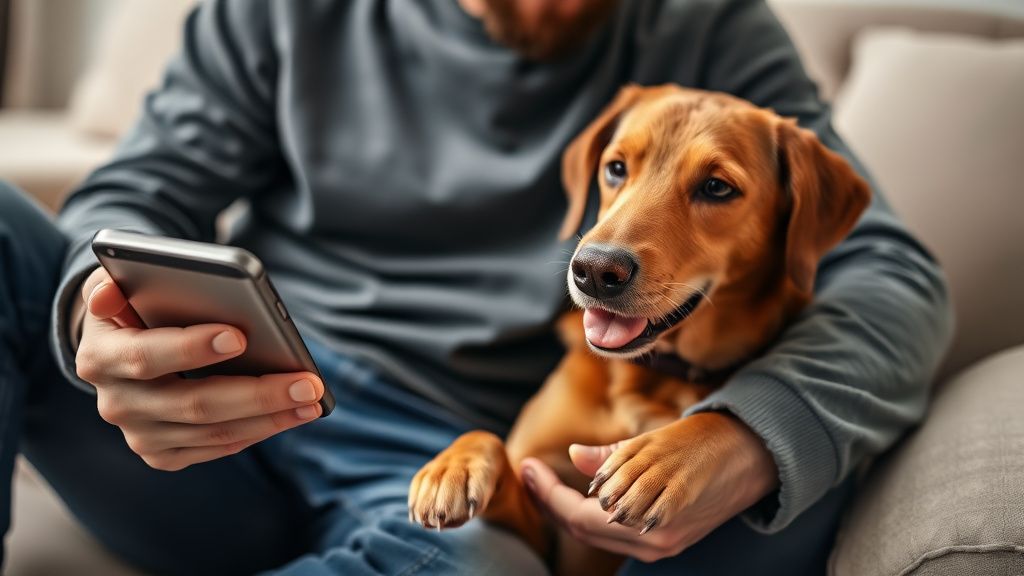
1. Desensitization: This means playing recorded sounds of thunderstorms or fireworks at a volume so low your dog doesn't react. Think barely audible.
2. Counterconditioning: While the sound plays at this low level, you give your dog something incredibly positive, like a special treat, a game of tug, or their dinner from a fresh dog food service.
3. Gradual Increase: Over many sessions, you very slowly increase the volume while continuing the positive association. The goal is to change their mind: "That sound predicts chicken, not doom."
You can find specific soundtracks designed for this purpose, like Victoria Stillwell's noise phobia series, which starts at a very low level with calm music over the sounds.
What Should You Do During Fireworks or a Storm?
When the event is happening, your strategy shifts to management and comfort.
Control the Environment
Your aim is to reduce the intensity of the scary stimuli.
* Mask the Sound: Before the noises begin, fill your home with ambient, calming sounds. Turn on a fan, a white noise machine, or the TV. Music can be particularly effective. Studies have shown that certain classical music, like the "Through a Dog's Ear" series, has calming effects. Some owners even report success with reggae.
* Block the Light: Close all curtains and blinds. This helps muffle sound slightly and blocks the flashes from lightning and fireworks.
* Consider Pressure Wraps: Products like the Thundershirt apply gentle, constant pressure that can have a calming effect on some dogs. It's not a solution for every dog, but it's a tool worth trying.
Manage Your Own Behavior and Theirs
This part is crucial and often misunderstood.
* Stay Calm: Your dog looks to you for cues. If you are tense and anxiously hovering, they will think there is indeed something to worry about. Try to act normally. Engage in a calm activity like reading.
* To Comfort or Not to Comfort? This is a common question. The old advice was to ignore a fearful dog to avoid "rewarding the fear." Modern understanding is more nuanced. You cannot reinforce an emotion like fear with petting. If your dog seeks you out for contact, providing calm, quiet reassurance is okay. However, avoid overly emotional, high pitched "It's okay, baby!" soothing, as this can actually reinforce the anxious behavior by giving it intense attention. The Reddit community in r/Dogtraining noted progress when an owner stopped inadvertently reinforcing whining with frantic pats and words. Offer quiet presence, not dramatic coddling.
* Distract with Positives: If your dog will take it, use this time for fun, low key engagement. Play a gentle game of fetch in the hallway, practice some easy training commands with high value treats, or give them a stuffed Kong. The goal is to create a competing, positive experience. This is where those special best dog treats you've been saving can really shine.
When Should You Seek Professional Help?
It's vital to recognize when your efforts at home are not enough. Severe phobia is a medical condition that causes immense suffering.
Signs You Need a Vet
If your dog shows any of the following, it's time to call your veterinarian:
* Extreme panic leading to self injury (breaking teeth on crates, tearing claws)
* Destructive behavior aimed at escaping (chewing through doors or walls)
* Inability to be distracted or soothed at all
* Excessive drooling, panting, or pacing for the entire duration of an event
* Loss of bladder or bowel control from fear
Your vet can discuss options like anti anxiety medications or sedatives that can be given before a known stressful event. These are not a "cop out." They are a tool to reduce suffering and, when combined with behavior modification, can help your dog learn to cope better. For complex cases, your vet may refer you to a veterinary behaviorist, a specialist with advanced training in animal behavior and psychopharmacology. As Cornell University's College of Veterinary Medicine states, more extensive treatment plans from a professional are often needed for severe cases.
Can You Prevent Noise Phobias in Puppies?
Absolutely. Early, positive exposure is the best prevention.
* Start Young: During your puppy's critical socialization period (before 12-16 weeks), gently expose them to a variety of sounds in a controlled, positive way.
* Keep it Positive: Play soundtracks of storms, fireworks, city noises, etc., at a very low volume while you're playing, feeding, or cuddling. The volume should be low enough that the puppy barely notices it. Gradually increase it over time, always pairing it with good things.
* Avoid Trauma: Never force a puppy to stay in a situation where they are clearly terrified by a loud noise. Gently remove them or dramatically increase the positive rewards. The goal is to build confidence, not create a negative core memory. For more on building a confident, resilient dog, our dog anxiety guide offers broader strategies.
Final Thoughts
Helping a dog with noise anxiety is a journey of patience and empathy. There is no single magic solution, but a combination of preparation, environmental management, and positive training can create profound change. Remember, your goal is not to make your dog oblivious to the sounds, but to help them feel safe and secure despite them. Celebrate small victories. If your dog takes a treat during a distant boom, that's progress. If they choose to lie on their bed instead of hiding in the tub, that's a win.
Always lean on professional support when you need it. Your veterinarian is your partner in your dog's wellbeing. With time and consistency, you can turn nights of fear into moments of manageable calm, strengthening the bond you share with your best friend through your compassionate care.
Find the Perfect Box for Your Dog
Compare top-rated dog subscription boxes and find the best fit for your pup.
Compare Boxes