Master Multi-Pet Household Stress Reduction Now
Harmony at home is possible; multi-pet stress reduction is key to a peaceful, happy household for all.
Multi-pet household stress reduction starts with providing separate resources for each pet (food bowls, water, beds, vertical space for cats) and establishing predictable daily routines. Watch for subtle stress signals like lip licking, whale eye, stiff body postures, and resource guarding — these early warnings prevent escalation to fights.
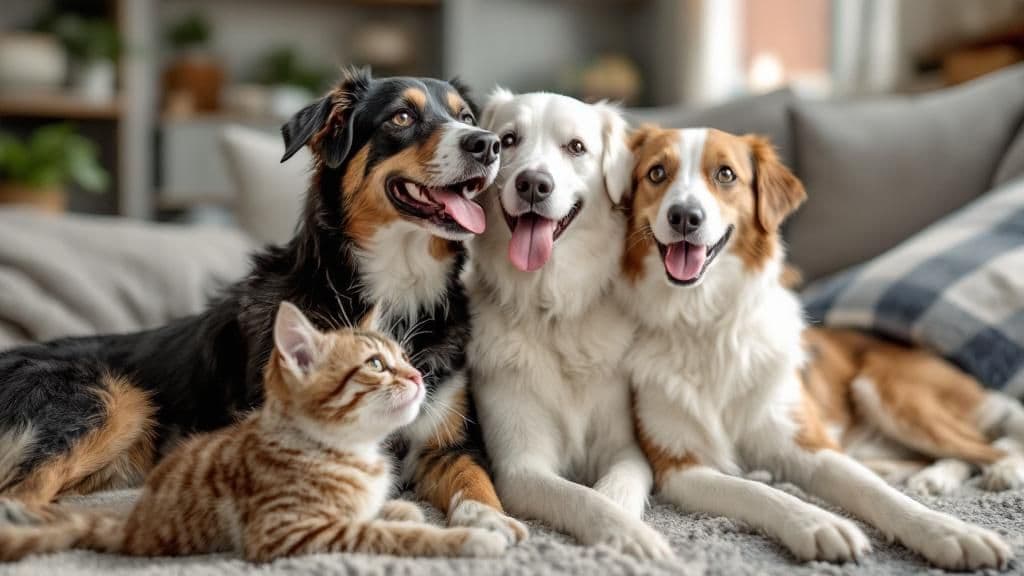
You know that incredible feeling when you finally sit down after a long day and your entire furry family settles around you, a contented pile of snores and wagging tails. It’s the picture of harmony we all strive for in a multi pet home. But let’s be honest, behind that peaceful scene can lie a hidden world of tension: a subtle competition for your attention, a shared glance over a favorite toy, or the stress of a new animal joining the family. This tension doesn’t just affect our pets. It echoes through our own lives, disrupting the very stress relief we hoped pets would bring. The science is clear. Pets provide essential emotional support that fulfills psychological needs and notably reduces stress and anxiety levels. But for this "pet effect" to work its magic, our homes need to be havens of calm, not sources of constant low grade drama. Managing stress in a multi pet household isn't just about stopping fights. It's about protecting the profound mental health benefits for every being under the roof, human and animal alike.
The Ripple Effect of Stress in Your Home
Think of your home as an ecosystem. A stressed pet is not an isolated issue. Anxiety and tension ripple outward, affecting other animals and absolutely impacting you. Research confirms that stress is closely linked to pain, and that a physical condition or illness that causes pain or discomfort is inherently stressful. In a pack or group setting, this individual stress can quickly become collective. One dog's arthritis pain may make him snappy, which puts the cat on edge, which leads to a startled scratch, which increases your own anxiety. It's a cycle.
This interconnectedness is why strategies for stress reduction are non negotiable. The goal isn't to create a "no stress" environment, which is impossible, but to build a "low stress" one. When we succeed, the benefits are multiplied. Calmer pets mean fewer conflicts, less destructive behavior, and smoother daily routines. For you, it means the act of caring for your pets actually becomes the relaxing, joy filled experience it's meant to be, rather than another item on your stress management checklist. You get to fully enjoy the unconditional love and companionship that studies show can decrease stress and improve heart health.
Building the Foundation: Environment and Management
Before you consider anything else, look at your physical space. Are your pets set up for success? Providing an enriched environment with adequate space is essential for reducing conflicts. Every animal needs a territory to call their own.
Create Safe RetreatsDogs and cats need designated areas for rest and play where they won't be bothered. This is especially crucial for cats, who are territorial by nature. Vertical spaces, such as cat trees and elevated perches, allow them to survey their domain safely. For dogs, a crate in a quiet corner or a specific bed can serve as a sanctuary. The key is that these spaces are respected by other pets and by you. No one should be disturbed when they are in their safe zone.
Manage Resources StrategicallyCompetition over food, toys, and prime lounging spots is a major stress trigger. I've seen simple changes make a world of difference.
* Feed pets in separate, quiet rooms or use barriers. This turns mealtime from a tense event into a peaceful one.
* Provide multiple water stations in different areas of the home.
* Rotate high value toys rather than leaving them all out, and supervise play with these items. Consider a dog best dog subscription boxes as a brilliant way to introduce new, exciting items in a controlled manner; you can give the new toy to one dog in a separate space for a special bonding session.
Utilize Calming AidsModern solutions can support your efforts. Research supports the use of pheromonotherapy as a common strategy for relieving stress. Pheromone diffusers, like those for cats or dogs, release calming scents undetectable to humans but soothing to pets. Plug one in the main living area or near a pet's safe retreat. These can be particularly helpful in multi pet households or during predictable stressful events like thunderstorms or when guests visit.
The Power of Proactive Training and Bonding
Training is often viewed as teaching commands, but in a multi pet home, its greatest value is in building communication and reinforcing calm behavior. It’s about teaching your pets how to live together, and teaching yourself how to guide them.
Invest in Individual TimeThis is perhaps the most impactful tip I can give. Group training sessions help foster harmony and reinforce calm behavior when they're together. However, individual training sessions are vital. They ensure neither dog feels overshadowed, and they also help to strengthen your bond with each of your pets. Spend ten minutes alone with each animal daily. Work on basic cues, a new trick, or simply engage in focused play. This one on one attention fulfills their need for a direct connection with you, reducing jealousy and attention seeking behaviors when the group is together.
Train for Calm CoexistencePractice skills that directly apply to multi pet life.
* "Place" or "Mat" Training: Teach each dog to go to their own bed or mat and stay there calmly. This is invaluable when the doorbell rings or during mealtime prep.
* Polite Greetings: Train dogs to sit calmly before being released to greet each other or guests, preventing chaotic, over excited encounters.
* Controlled Introductions: If adding a new pet, follow a controlled programme of interaction. The research highlights this as key, especially for cats. Go slowly, use scent swapping, and never rush face to face meetings.
Nutritional Support for a Calmer Household
What we feed our pets doesn't just affect their physical health; it directly influences their mental state. In recent years, more and more studies have focused on relieving stress through nutritional regulation, focusing on anti oxidation, anti anxiety, and maintaining intestinal health. A troubled gut can mean a troubled mind, for pets just as for people.
Seek Out Functional IngredientsLook for diets or supplements that include studied nutrients for calmness. These may include:
* Tryptophan: An amino acid precursor to serotonin, the "feel good" neurotransmitter.
* L-Theanine: Found in green tea, it promotes relaxation without sedation.
* Antioxidants: Vitamins C and E, and compounds from blueberries or spinach, combat oxidative stress linked to anxiety.
* Prebiotics and Probiotics: These support a healthy gut microbiome, which is increasingly linked to balanced behavior and stress resilience.
Consistency is KeyA predictable routine is calming, and that extends to feeding. Sudden changes in diet can cause gastrointestinal upset and stress. If you need to switch foods, do it gradually over 7-10 days. A reliable dog food delivery service can be a lifesaver here, ensuring you never run out of your pet's regular food and maintaining that crucial consistency. It also removes the errand from your list, reducing your own stress.
Use Treats WiselyThe best dog treats aren't just delicious; they're tools. Use high value treats to reward calm behavior in the presence of the other pet. For example, if both dogs are lying quietly in the same room, calmly drop a treat between their paws. This reinforces that good things happen when they are peaceful together. You can also use puzzle feeders or stuffed Kongs as distraction tools during potentially tense times, like when you're preparing meals.
Protecting the Peace During Necessary Stress
Even in the most harmonious home, stressful events are inevitable. Veterinary visits, house guests, or construction noise can throw everything into disarray. A little planning can prevent these events from undoing all your hard work.
Veterinary VisitsThe clinic is a hotspot for stress, and this stress is contagious. Minimising stress for patients should always be a priority. Talk to your vet about a fear free approach. For multi pet households, consider scheduling separate appointments if possible to avoid a stressful waiting room experience for all. If they must go together, ask if you can wait in a separate area or in your car until the exam room is ready. The research is adamant: managing stress during veterinary visits is crucial, even for routine consultations.
At-Home DisruptionsWhen you know a stressor is coming, pre empt it.
* For Guests: Put a less social pet in their safe room with a long lasting treat *before* the doorbell rings. This prevents a chaotic greeting and lets them relax away from the action.
* For Loud Events: (Fireworks, storms) Use white noise machines, close curtains, and employ those pheromone diffusers and puzzle toys ahead of time. Grouping animals in a safe, interior room can sometimes help, but only if they are already comfortable together.
* Maintain Routine: As much as humanly possible, stick to your pet's normal feeding, dog walking calculator, and playtime schedule. The routine and responsibility of pet care is a stress reducer for you, but that predictability is a profound comfort to them.
Final Thoughts
Cultivating a peaceful multi pet household is an ongoing practice, not a one time fix. It requires observation, patience, and a commitment to meeting the individual and collective needs of your animal family. The effort, however, pays dividends far beyond a quiet living room. By actively reducing stress in our pets' lives, we safeguard our own. We protect the beautiful, messy, heart expanding "pet effect" that drew us to animals in the first place.
We get to experience the full measure of joy they offer: the head in your lap, the synchronized purring, the welcome home dance performed by a choir of wagging tails. It’s in these calm, connected moments that the true power of pets shines through, lowering our blood pressure, lifting our spirits, and reminding us that we’ve built not just a home, but a sanctuary for all.
Recommended Products



Find the Perfect Box for Your Dog
Compare top-rated dog subscription boxes and find the best fit for your pup.
Compare Boxes