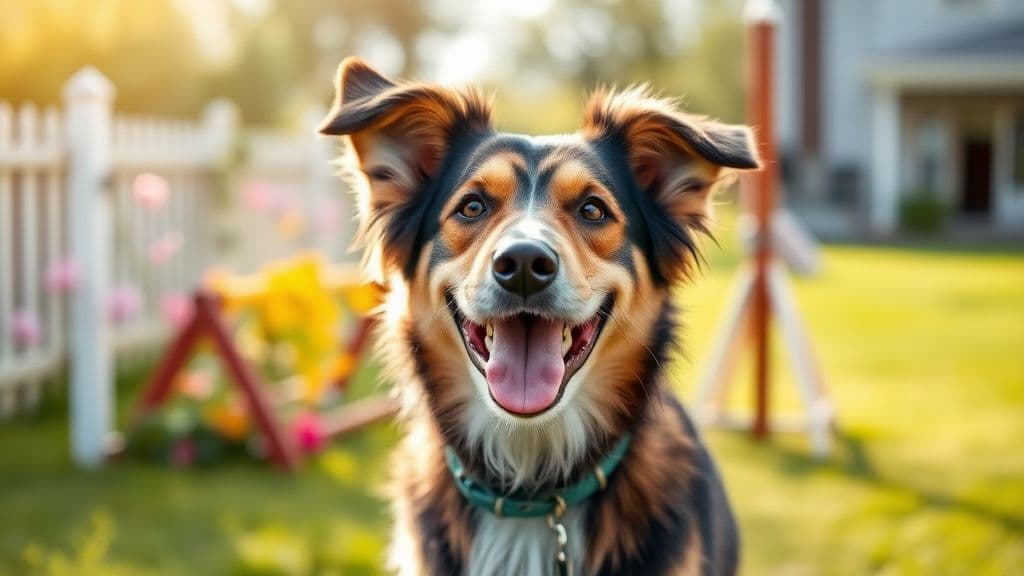
Signs Your Dog Loves Its New Home
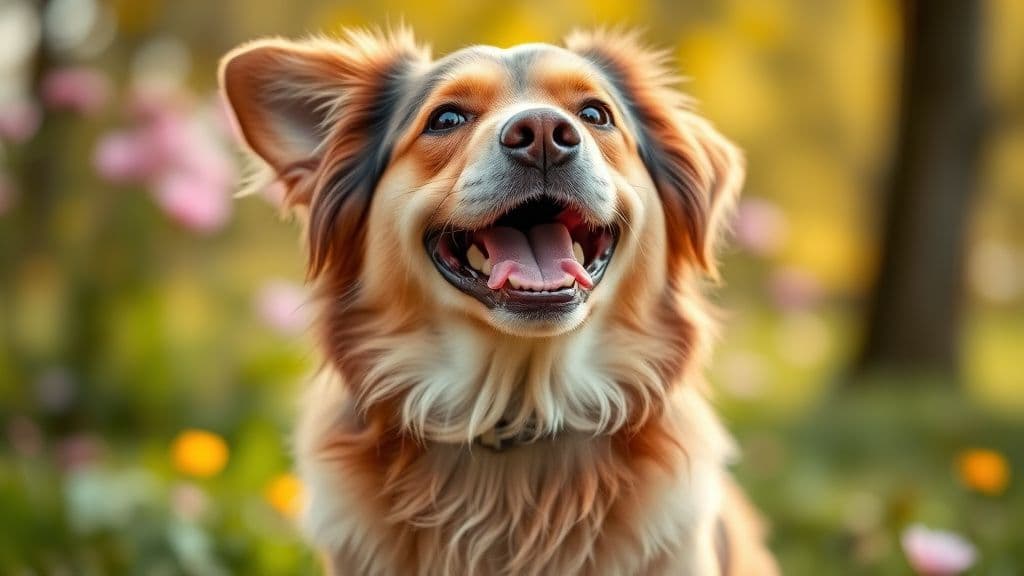
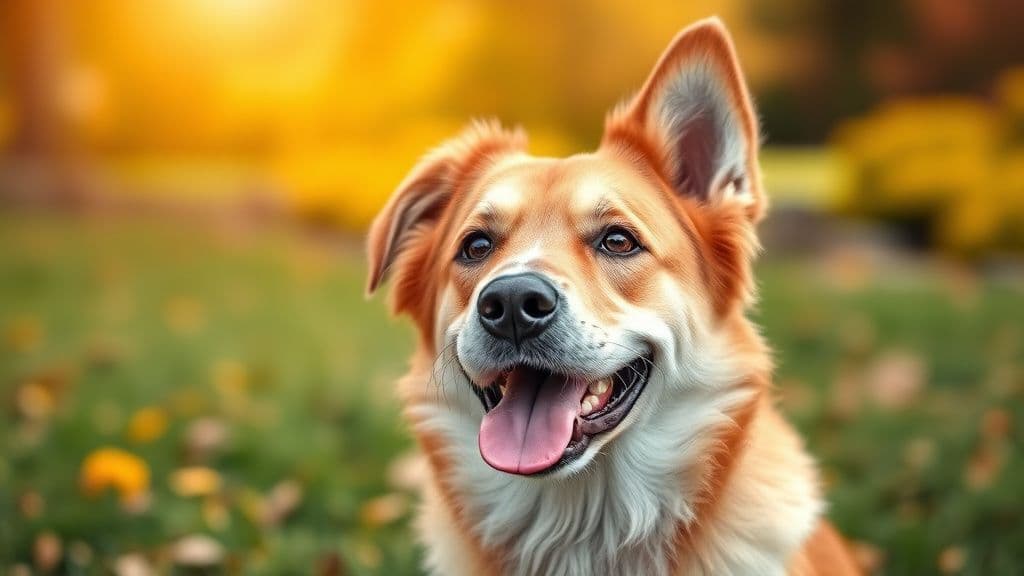
Your dog feels right at home when you see these clear signs of comfort and trust.
Your dog has successfully adjusted to their new home when they show consistent, relaxed behaviors in their daily routine. Key signs include eating and drinking normally, playing and exploring confidently, bonding with you, sleeping soundly, and communicating their needs like asking to go outside. This adjustment follows a general timeline, often called the 3-3-3 rule, where a dog's true personality typically emerges after about three months.
Bringing a new dog home is a whirlwind of emotions, full of hope, excitement, and maybe a little bit of nervous anticipation. You've prepared everything from the cozy bed to the food bowls, but the biggest question remains: is my dog happy here? Are they settling in, or are they still silently stressed? Watching for signs of adjustment is more than just ticking boxes. It's about learning the unique language of your new companion and understanding their comfort level. Every dog adjusts at their own pace. A previously rehomed dog may need more time than a puppy, and a shy dog's milestones will look different from a social butterfly's. Based on expert guidance from veterinarians and behaviorists, there are clear, observable behaviors that signal your dog is moving from a state of uncertainty to one of secure belonging.
What is the Typical Adjustment Timeline for a New Dog?
Before we look for specific signs, it helps to understand the general framework of adjustment. Many trainers and adoption agencies reference the "3-3-3 rule" as a helpful guideline for what to expect. This rule, mentioned in community discussions from sources like Reddit's dog forums, breaks down the first three months into key phases.
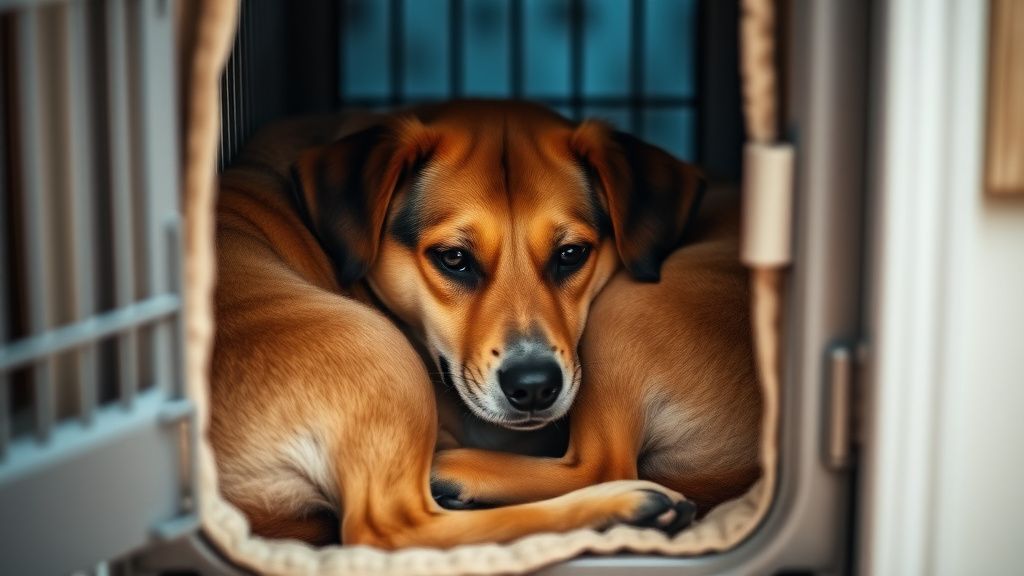
The first three days are often overwhelming. Your dog may be shut down, not eating much, or hiding. They are in a completely unfamiliar environment, surrounded by new smells, sounds, and people. The goal here is purely to make them feel safe and relaxed. Don't force interactions; let them explore their safe space, like a crate or a quiet room, at their own pace.
The first three weeks are a learning period. Your dog is starting to figure out your daily schedule, when meals happen, when walks are, and when you typically leave the house. They are testing boundaries and beginning to settle into a nascent routine. You might start to see glimpses of their personality, but they are still figuring out what is expected of them and what they can expect from you.
After three months, you should see your dog's true personality come out, and a strong sense of bonding and trust is typically established. They feel at home. This timeline isn't rigid, but it provides a realistic expectation. You can't rush trust. Being clear and consistent with boundaries, management, and positive reinforcement training during these phases is crucial for preventing long-term behavior issues, as noted by Preventive Vet.
7 Clear Signs Your Dog is Feeling at Home
1. They Eat and Drink Normally
A dog that feels unsafe will often refuse food or water, or eat very tentatively. One of the most fundamental signs of adjustment is a healthy, consistent appetite. Your dog should be eating their meals with interest and drinking water regularly. This indicates they are relaxed enough to meet their basic needs. If you're using a new type of food, like a fresh dog food delivery service, a period of adjustment is normal, but a sustained appetite is a positive signal. Remember, food is a high-value resource, and feeling comfortable enough to eat in your presence is a sign of trust.
2. They Play and Show Interest in Toys
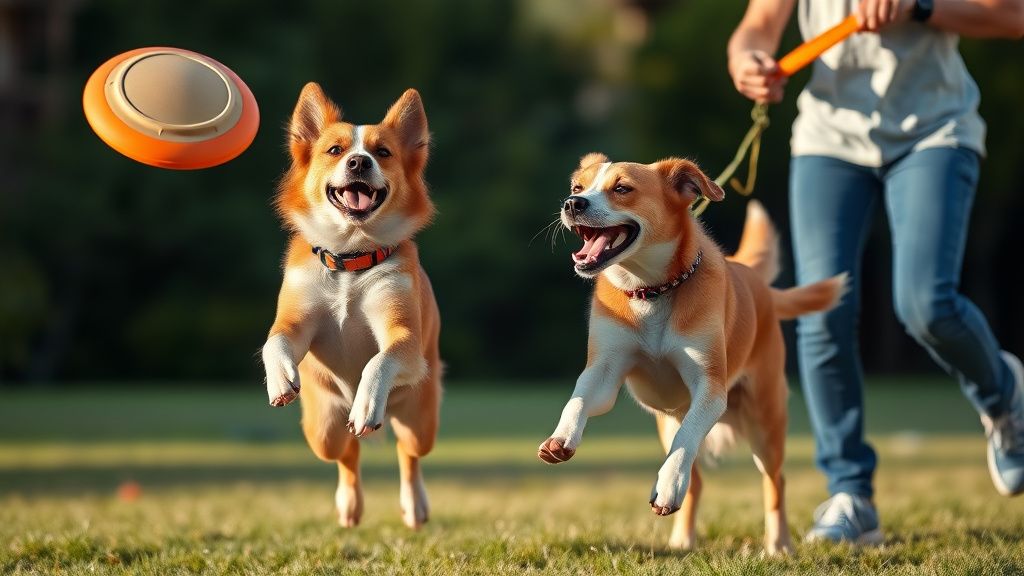
Playfulness is a dog's language of joy and comfort. A dog that is still very stressed or scared will likely show no interest in toys or play. When your dog starts to initiate play with you, chase a ball, or happily chew on a favorite bone, it's a brilliant sign. It means they have excess energy beyond what's needed for mere survival and anxiety. This is a perfect time to introduce engaging toys, perhaps from a monthly dog subscription box, to strengthen your bond and build positive associations with their new environment.
3. They Seek You Out for Bonding and Affection
Bonding is a process. Early on, your dog may keep their distance. A clear sign of adjustment is when they begin to seek you out for positive contact. This can look like:
* Leaning against your legs
* Bringing you a toy
* Resting their head on your lap
* Following you calmly from room to room
* Responding happily to their name
This seeking behavior shows they see you as a source of comfort and security, not just a caretaker. It's the foundation of your lifelong relationship.
4. They Sleep Soundly, Especially When You're Away
Sleep is deeply vulnerable. A nervous dog will sleep lightly, startle easily, and may choose to sleep in isolated spots. A dog who has adjusted will find a favorite spot, whether it's their dog bed, a corner of the couch, or a sunny patch on the floor, and sleep deeply. They may even snore or twitch while dreaming. Furthermore, being able to relax and sleep when left alone (without destructive anxiety) is a major milestone. It shows they feel secure in the home itself, not just in your immediate presence. For dogs who struggle with this step, our dog anxiety guide offers supportive strategies.
5. They Explore Confidently and Have "Chill" Time
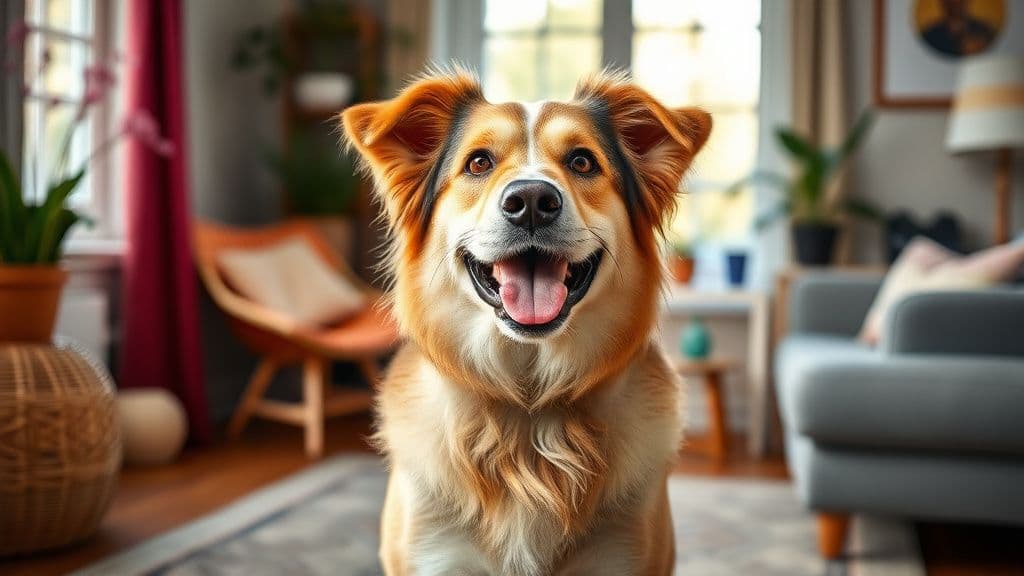
Initially, a dog may stick to one room or move around cautiously with a low body posture. Adjusted dogs claim their space. They will explore the home confidently, their tail at a natural level, sniffing with curiosity. Equally important is the ability to simply "chill." If your dog can lounge around, watch the world go by a window, or nap without being hyper-vigilant, it indicates they no longer perceive their environment as a threat. They are not constantly on alert.
6. They Communicate Their Needs (Especially for Bathroom Breaks)
Housetraining successes are a huge indicator of adjustment and communication. While accidents are normal in the first few weeks, a consistent pattern of signaling to go outside is a very good sign. This could be standing by the door, barking, or coming to get you. It demonstrates that your dog understands the household routine, knows where to relieve themselves, and trusts you to respond to their request. They are learning how to "speak" in their new home and are confident you will listen.
7. Their Body Language is Relaxed and Open
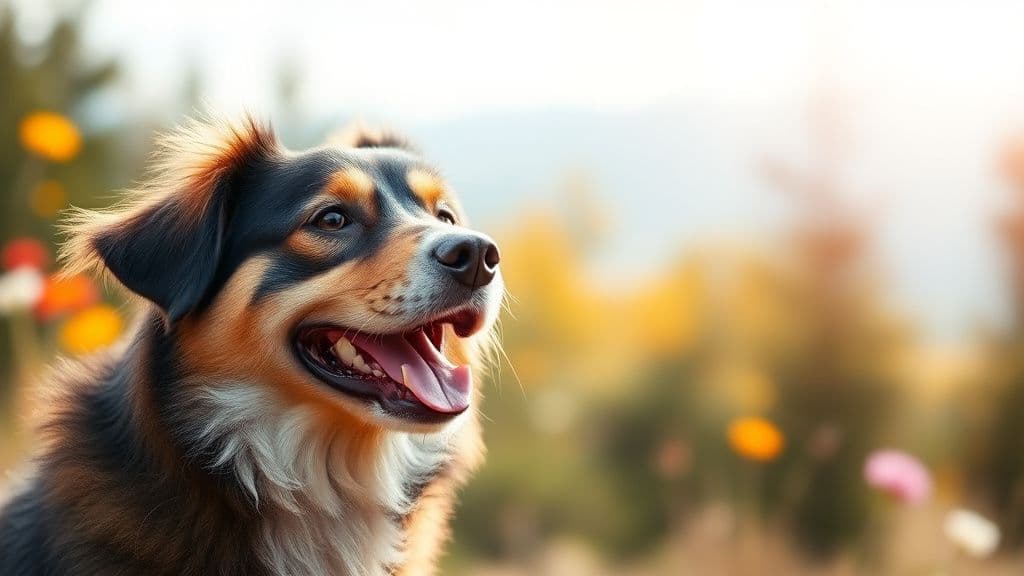
Learn to read your dog's silent signals. Stressed body language includes tucked tails, pinned-back ears, whale eye (showing the whites of the eyes), yawning, lip-licking, and a stiff posture. As your dog adjusts, you'll see more relaxed and happy body language:
* A loose, wiggly body with a gently wagging tail
* Soft, relaxed eyes and ears
* A playful "bow" or relaxed panting
* Rolling over for belly rubs (a sign of great trust)
This relaxed demeanor will become their default state in the home.
How to Support Your Dog's Adjustment Journey
Seeing these signs is wonderful, but your support is what makes them possible. Here are actionable ways to build that secure foundation.
Establish a Routine Immediately. Dogs thrive on predictability. Feed, walk, and play at roughly the same times each day. This routine helps your dog feel they can anticipate what comes next, reducing anxiety about the unknown. Create a Safe Sanctuary. Every dog needs a quiet place that is entirely their own, where they can retreat without being disturbed. This is often a crate with a comfortable blanket or a bed in a low-traffic corner. Make this space incredibly positive with treats and chews. Use Positive Reinforcement. Reward the behaviors you want to see. When they potty outside, offer a high-value treat. When they choose to settle on their bed, offer quiet praise. This clear communication helps them learn the rules of their new world in a stress-free way. Stocking up on the best dog treats for training is a great investment. Practice Patience and Avoid Overwhelming Them. Don't flood your new dog with visitors, dog park trips, or lengthy errands in the first few weeks. Let them get solid on their home turf first. As the Bark Busters article notes, don't overcompensate for their nervousness with too much fuss; sometimes calm, quiet confidence is what they need most. Manage Your Expectations. Remember the 3-3-3 rule. There will be setbacks and accidents. They might be timid or needy at first. This is all normal. Your job is not to have a perfectly trained dog in a week, but to build trust that lasts a lifetime.Final Thoughts
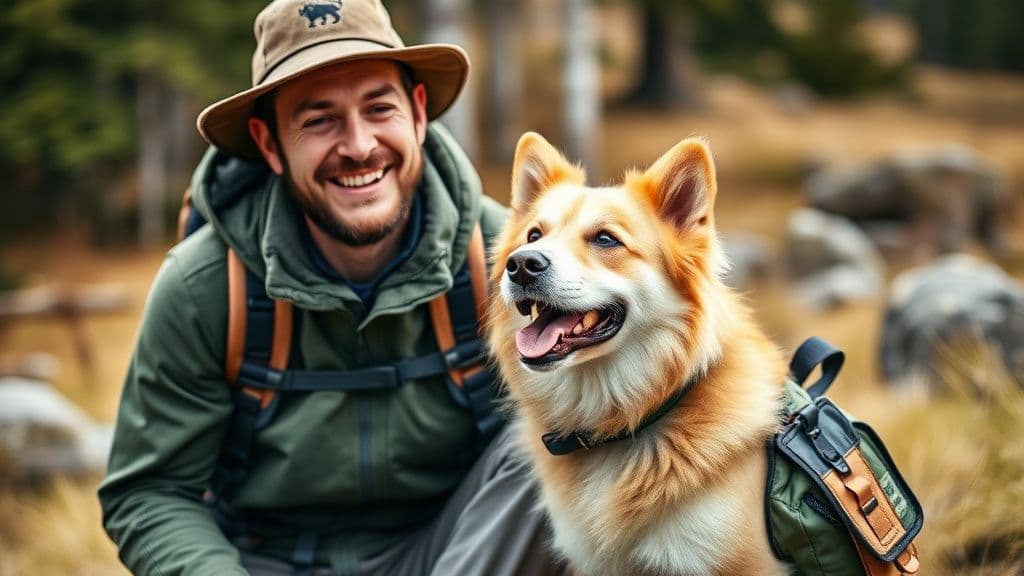
Welcoming a new dog is a journey you take together, one where patience is your most important supply. The signs of adjustment, the deep sleep, the joyful play bow, the quiet companionship, are the beautiful rewards for providing a safe, structured, and loving environment. These behaviors tell you that your dog is not just living in your house, but is truly making it their home. Celebrate the small victories, like the first time they bring you a toy or the first night they sleep soundly. Each one is a step toward a deep and enduring bond. If you hit snags, especially with anxiety or fear, always refer back to expert resources and don't hesitate to seek help from a professional trainer or your veterinarian. Your commitment now lays the groundwork for countless happy years ahead.
Find the Perfect Box for Your Dog
Compare top-rated dog subscription boxes and find the best fit for your pup.
Compare Boxes