Never Leave Your Dog Alone In A New Home

Leaving your dog alone in a new home risks severe anxiety and destructive behavior, as they need time to adjust with you.
You should never leave a dog alone in a new home for two weeks. This is an extreme length of time that will almost certainly cause severe distress, destructive behavior, and a breakdown in potty training, especially for puppies who can only hold their bladder for a few hours. Experts recommend a maximum of six to eight hours for adult dogs, and just two to three hours for puppies under six months, with the first days in a new home requiring very short, positive alone time introductions.
Bringing a dog into your home is a thrilling moment filled with wagging tails and hopeful new beginnings. You've picked out the bed, stocked up on supplies from your favorite dog subscription box, and are ready for this wonderful new chapter. In the flurry of moving or adoption, however, a practical challenge can arise. What if you have a pre-planned trip or an unavoidable commitment that requires you to be away? The idea of leaving your new companion alone for an extended period, like two weeks, might seem like a difficult but necessary option. I want to gently but firmly tell you that this isn't just a bad idea, it's one of the most stressful things you could do to your new family member. A dog in a brand new environment is already on high alert, trying to understand new sights, sounds, and routines. Abandoning them for such a long stretch can create deep seated anxiety that takes months to undo. Let's talk about why this specific timeframe is so harmful and what you can realistically do instead.
Why Two Weeks Alone is a Recipe for Disaster
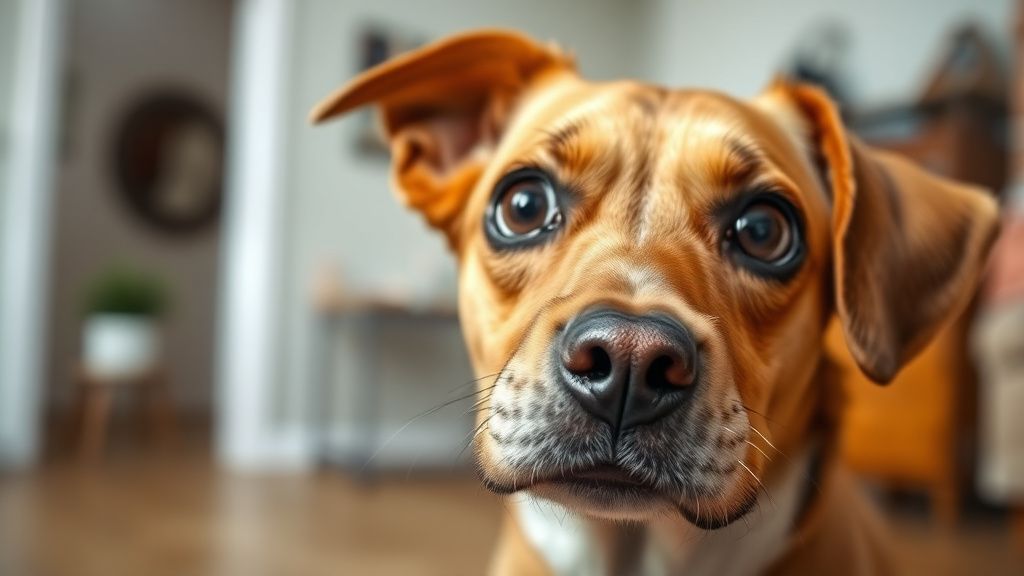
Imagine being dropped into a foreign country where you don't speak the language. The people are kind, but then they suddenly vanish for fourteen days, leaving you utterly alone in an unfamiliar house. You'd be terrified, confused, and unsure if they were ever coming back. This is your dog's reality if left alone in a new home for two weeks. Dogs are profoundly social animals who thrive on companionship and routine. A new home offers neither stability nor companionship in this scenario.
The research is unanimous on this point. Organizations like the Blue Cross state dogs should never be left alone for more than four hours at a time. The American Kennel Club provides clear guidelines based on age, noting that even adult dogs shouldn't be alone for much longer than six to eight hours without a bathroom break. For a puppy, two weeks alone is literally impossible from a physiological standpoint. A puppy under 12 weeks old may need a bathroom break every one to two hours. Leaving them alone that long is not just unkind, it's inhumane and will result in them being forced to soil their living space, creating a terrible setback in house training.
Beyond basic needs, the psychological impact is severe. As the Animal Humane Society notes, behavior changes from being alone too long include increased lethargy, depression, and destructive tendencies. A two week isolation would almost guarantee these outcomes, potentially cementing behaviors like frantic chewing, incessant barking, or even self harm. This isn't disobedience, it's panic.
Understanding Your Dog's Limits: Age and Bladder Control
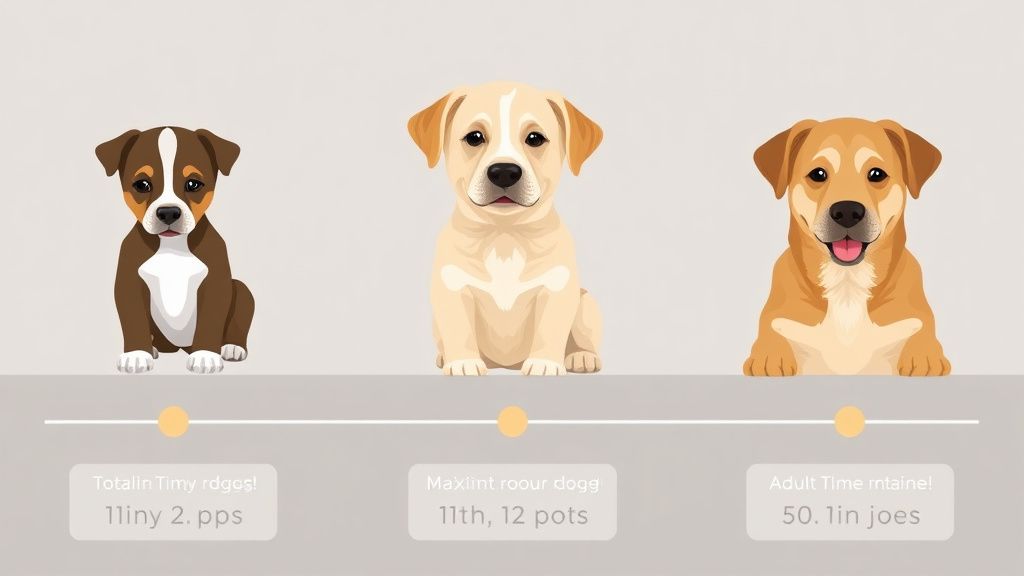
One of the most concrete reasons a two week solo stint fails is basic biology. How long a dog can physically hold their bladder varies dramatically with age, and it's a hard limit you cannot ignore.
* Puppies Under 10-12 Weeks: As noted by the AKC and other vets, these little ones can usually only manage one to two hours. Their bodies are simply not developed enough.
* Puppies 3 to 6 Months: A common rule is they can hold it for about one hour per month of age. A three month old puppy maxes out at three hours. A four month old at four hours. The consensus from multiple veterinary sources, including Marcello Veterinary Hospital, is clear: puppies under six months old should not be left alone for more than two or three hours due to bladder control and separation anxiety risks.
* Adult Dogs (6+ Months): Once a dog reaches six months, they can usually hold it for up to six hours, and most healthy adults can manage six to eight hours. This is the absolute upper limit for a dog accustomed to being alone. A new dog in your home is not accustomed to anything yet, so starting at this maximum is a mistake.
These timelines are for *ideal* circumstances with a relaxed, trained dog. A stressed dog in a new environment will need to go more frequently. Expecting any dog, let alone a puppy, to somehow adapt to a two week void is completely outside the realm of physical possibility and will result in significant setbacks and messes.
The Silent Scream of Separation Anxiety
When you leave a new dog alone for an extended period, you aren't just testing their bladder. You are actively teaching them to fear your absence. This can quickly develop into clinical separation anxiety, a condition of extreme distress that is heartbreaking and challenging to treat.
Signs of this anxiety, as outlined by Blue Cross and the Animal Humane Society, include:
* Destructive chewing, particularly focused on doors, windows, or your belongings.
* Persistent barking, howling, or whining.
* Potty accidents in the house even if they are housebroken.
* Pacing, drooling, or other signs of agitation.
* Attempts to escape, which can lead to injury.
The critical advice from trainers like those at A Canine Affinity is this: "Don't leave your dog alone for any longer than he is comfortable. He will not just 'get over it'." Your dog is panicking and needs help, not abandonment. Introducing a dog to alone time must be a slow, positive, and incremental process that starts with seconds or minutes, not days or weeks. Leaving for two weeks at the outset is the single fastest way to create a severe, long lasting anxiety disorder. For more on recognizing and addressing this, our dog anxiety guide offers deeper strategies.
What to Do Instead: Practical and Compassionate Solutions
So, a two week solo stay is off the table. What are your real world options? Planning is everything, and there are several compassionate paths to take.
For the First Critical Days and Weeks: Your primary goal is to build trust and a positive association with your home. Use very short departures. Put on your shoes, grab your keys, step outside for 30 seconds, and come back in calmly. Gradually increase this time to a few minutes, then 15 minutes, then an hour. Always ensure your dog has had exercise and a potty break first, and consider leaving a special treat, like a stuffed Kong, that they only get when you leave. For Necessary Longer Absences (Workdays, Errands):* Dog Walkers/Sitters: Hire a professional to provide a midday break. This gives your dog a potty opportunity, social interaction, and a break from solitude.
* Doggy Daycare: This can be excellent for social, energetic dogs. However, as one owner in the Whole Dog Journal research pointed out, for a very needy or anxious new dog, you might need to spend the first few sessions there to help them adjust. Don't just drop and run.
* Trusted Friends/Family: Enlist help from someone your dog is starting to know.
* Technology: Pet cameras can let you check in and even dispense a treat, providing some comfort and interaction.
For Extended Trips or Emergencies: If you must be away for days or weeks, your dog needs full time care.* In-Home Pet Sitting: A sitter stays in your home, maintaining your dog's routine in their familiar environment.
* Board at a Reputable Kennel or Vet: Research facilities thoroughly. Look for ones that require vaccinations, offer playtime, and allow tours.
* A Trusted Foster: If you adopted from a rescue, they may have a foster network that can provide a temporary home.
Remember, services like dog food delivery for fresh meals or a reliable dog subscription box for toys and treats can help maintain consistency and enrichment whether you're home or a sitter is in charge.
Building a Foundation for Successful Alone Time
The goal isn't to never leave your dog. It's to teach them that being alone is safe, temporary, and even a little bit rewarding. Here's how to build that foundation from day one in your new home.
Create a Safe, Positive Space. Use a crate or a puppy-proofed room (like a kitchen with a gate). Make this area a haven with a comfortable bed, water, and their favorite toys. Feed them meals here and give them special chews in this space so they build positive feelings. Master the Boring Departure and Arrival. Resist the urge to have a dramatic, emotional goodbye or an overly excited reunion. Keep things calm and low key. This teaches your dog that comings and goings are normal, not traumatic events. Meet Their Needs First. A tired dog is a content dog. Before any planned alone time, ensure your dog has had sufficient physical exercise and mental stimulation. A good walk or play session can work wonders. Start Exceedingly Small. I cannot stress this enough. For a new dog, your first "alone time" might be you going into the bathroom and closing the door for one minute. Then two minutes. Then five. Work up to you leaving the house for just the time it takes to get the mail. This gradual desensitization is the key to preventing panic.Final Thoughts
Bringing a dog home is a promise of companionship and care. While life's obligations don't disappear, leaving a dog alone in a new home for two weeks breaks that promise in a fundamental way. It ignores their biological limits, their emotional needs, and sets them up for a traumatic experience that can damage your bond for a long time. The good news is that with thoughtful planning, gradual training, and the use of available resources from dog walkers to best dog treats used as training tools, you can build a dog who is confident and secure when home alone. Your patience and effort in these first critical weeks will pay off a thousand times over in the form of a well adjusted, happy companion who trusts that you will always come back. That trust is the true foundation of your life together.
Find the Perfect Box for Your Dog
Compare top-rated dog subscription boxes and find the best fit for your pup.
Compare Boxes