Achieve Multi-Pet Harmony With Honest Stress Reduction
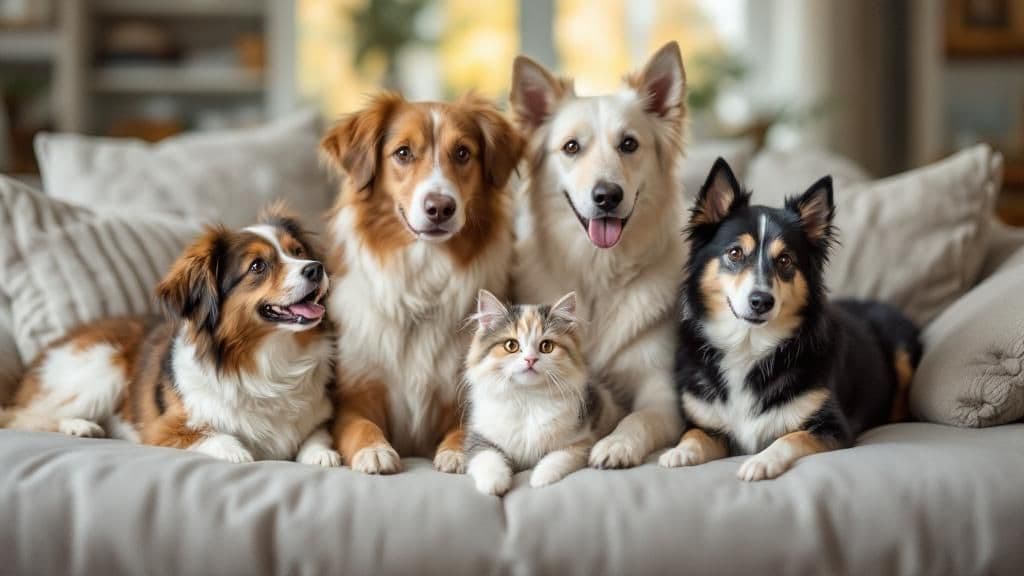
Reduce multi-pet stress with honest strategies that foster harmony and peace at home.
Reducing stress in a multi-pet household requires separate resources (food bowls, beds, litter boxes), clear introduction protocols, vertical space for cats, and structured daily routines. The most common mistake is forcing interactions — allowing each pet their own safe retreat space reduces 90% of household tension.
Living with multiple pets is one of life's greatest joys, but let’s be honest, it can also be a source of serious stress. For both you and your furry family members. The sound of a low growl over a toy, the tense posture during feeding time, or the anxious pacing when the carrier comes out are all signs that harmony needs a little help. I’ve seen firsthand how small changes can transform a tense household into a peaceful sanctuary. The goal isn’t a completely stress free existence, that’s impossible. Instead, we aim for a low stress environment where every pet, from the boldest dog to the shyest cat, feels secure and understood. This journey involves looking at everything from their diet and daily routines to how we handle vet visits and introductions. It’s about nurturing the whole animal, supporting their emotional stability and creating a truly harmonious living space for everyone.
Understanding the Roots of Multi Pet Stress
Stress in our pets isn't just a behavioral quirk. It's a complex physiological response. Research shows that a variety of physical, emotional, and mental factors can induce a stress response in pet dogs and cats. When a pet feels threatened or anxious, their body activates two key systems: the hypothalamus pituitary adrenal (HPA) axis and the sympathetic adrenal medulla (SAM) axis. This triggers a cascade of hormones, like cortisol and adrenaline, preparing them for "fight or flight." In a multi pet home, these triggers are often social and environmental.
Common stressors include competition for resources like food, beds, and your attention, lack of personal space leading to territorial disputes, unpredictable routines that create insecurity, and even the stress we humans inadvertently project. A new pet introduction is a classic high stress event for everyone involved. Recognizing these triggers is the first step toward management. It’s not about blaming one pet for being "difficult," but about understanding what in their environment is making them feel unsafe. Once we see the world from their perspective, we can start to build a better one.
Foundational Strategies for a Peaceful Home
Creating harmony starts with your home’s structure and daily rhythm. Consistency and clear boundaries are not about being strict. They are about providing a predictable world where pets can relax.
Establish Unshakable RoutinesPets thrive on routine. A consistent schedule can help reduce stress and anxiety in a multi pet household. Try to keep feeding times, playtime, and walks on a regular schedule so that all pets know what to expect. This predictability removes the anxiety of the unknown. When each pet knows that breakfast comes at 7 AM, a walk follows at 8 AM, and dinner is served promptly at 6 PM, they spend less energy worrying and more time being content. This is especially crucial during transitions, like bringing a new animal home.
Create Designated Safe ZonesEvery pet needs a retreat, a place that is entirely their own. This is non negotiable. Create designated zones for each pet to reduce territorial disputes and promote peace. For a dog, this might be a crate in a quiet corner with a favorite blanket. For a cat, it could be a tall cat tree or a cozy bed in a separate room. These areas should be respected by all other pets and by people. They are sacred spaces where a pet can go to decompress without being followed, stared at, or bothered. This simple act of providing choice and control is a powerful stress reducer.
Master the Art of Controlled IntroductionsIntroducing a new pet is where many well intentioned plans go awry. Rushing a face to face meeting is a common mistake. Expert strategies emphasize starting with scent exchanges. Allow the resident pets and the newcomer to become acquainted with each other’s smell before a face to face meeting, which can significantly reduce initial anxiety and stress. Swap bedding between rooms, or rub a cloth on one animal and let the other investigate it. Feed them on opposite sides of a closed door so they associate the new scent with something positive: their meals. Gradual, positive exposure over days or even weeks builds a foundation of curiosity instead of fear.
Nutritional Support for Calmer Nerves
What you feed your pets plays a surprisingly direct role in their stress levels and behavior. Diet is a tool we can use to support their nervous systems from the inside out. Scientific reviews on dietary strategies highlight that nutrition can directly influence the physiological stress pathways we talked about earlier.
Key Nutrients for Stress ResilienceCertain nutrients have been studied for their calming effects. Look for diets or supplements that include:
* Tryptophan: An amino acid precursor to serotonin, a key neurotransmitter that promotes feelings of calm and well being.
* Alpha casozepine: A derivative of milk protein that has been shown to have anxiety reducing properties.
* L theanine: An amino acid found in green tea that can promote relaxation without sedation.
* Antioxidants (Vitamins C & E, Selenium): Chronic stress increases oxidative damage. Antioxidants help combat this, supporting overall health and resilience.
* Omega 3 Fatty Acids: Found in fish oil, these fats are crucial for brain health and can help moderate inflammatory responses linked to stress.
Implementing a Stress Smart Feeding PlanHow you feed is as important as what you feed. In a multi pet home, meal times can be a flashpoint.
* Separate Feeding Stations: Always feed pets in separate, distinct areas to eliminate food guarding and competition. This could be in different rooms or with physical barriers.
* Consider a Dog Food Delivery Service: Using a reliable dog food delivery service can be a game saver for maintaining a consistent, top quality diet without last minute store runs that disrupt routine. Many services offer formulations designed for sensitive or anxious dogs.
* Use Food for Enrichment: Instead of just bowls, use puzzle feeders, snuffle mats, or stuffed Kongs. This turns meal time into a mentally engaging, stress reducing activity that happens in their own safe space. It’s a fantastic way to use the best dog treats for mental stimulation, not just bribery.
Proactive Behavioral Management and Enrichment
Waiting for conflict to happen is a reactive strategy. A proactive approach involves daily enrichment and positive training that builds confidence and redirects natural instincts into acceptable channels.
Supervised Positive InteractionsNever leave new or occasionally tense pet relationships to chance. Encourage positive interactions through supervised playtime and reward good behavior. This means being present, engaged, and ready to interrupt with a happy voice or a distraction before tension escalates. Reward calm, polite behavior between pets with praise and tiny, tasty treats. The goal is to build a bank of positive associations with each other’s presence.
Individual and Group EnrichmentBoredom is a major contributor to stress and conflict. Each pet needs individual play and mental exercise tailored to their species and personality. A daily training session with each dog, even just five minutes of practicing "sit" and "stay," builds focus and strengthens your bond. For cats, daily interactive wand toy play is essential. Then, provide group enrichment that they can enjoy simultaneously but independently, like a "find it" game with treats scattered in different corners of a room, or a calm chewing session with long lasting chews for the dogs and a catnip toy for the cat. A monthly dog best dog subscription boxes can be a wonderful source of novel, engaging toys and treats that keep enrichment fresh and exciting.
Employ Professional SupportThere is no shame in seeking help. Certified animal behavior consultants can offer invaluable guidance. Positive pet training experts can provide strategies tailored to your unique household dynamics, often through online consultations that fit your schedule. They can help you read subtle body language, implement effective behavior modification plans, and ensure you’re on the right track for fostering long term harmony.
Reducing Stress Beyond the Home: Vet Visits and Your Own Calm
Our pets’ stress isn’t confined to the home. Veterinary visits are a universal source of anxiety, and our own stress is contagious. Managing these areas is critical for complete harmony.
Creating Stress Free Veterinary ExperiencesA trip to the vet doesn't have to be a nightmare. Veterinary professionals now prioritize creating low stress, or fear free, environments. You can partner with them in this.
* Prepare at Home: Get your pet comfortable with their carrier by leaving it out with cozy bedding and feeding treats inside. Practice gentle handling of their paws, ears, and mouth.
* Choose the Right Clinic: Look for a practice that emphasizes stress reduction for patients by reducing triggers where possible, and providing coping strategies, choice and a better sense of control over their situation. This might include separate waiting areas for cats and dogs, pheromone diffusers, and staff trained in gentle handling.
* Communicate: Talk to your vet about your pet’s anxiety. They may recommend a pre visit calming supplement or prescribe a mild sedative for especially stressful procedures. Client education is key to managing expectations and reducing stress for everyone.
Managing Your EnergyOur pets are emotional sponges. If you are tense and anxious about their interactions or a vet appointment, they will be too. The human animal bond is a two way street. Studies have shown that interacting with pets lowers human stress levels significantly. Use that to your advantage. Make time for quiet, individual connection with each pet. A gentle grooming session, a cuddle on the couch, or a leisurely walk alone with one dog can calm your nervous system and theirs. When you are calm and confident, you become a secure base for your entire furry family.
Final Thoughts
Building harmony in a multi pet home is an ongoing practice, not a one time fix. It requires observation, patience, and a commitment to meeting the individual needs of each creature under your care. Remember, the strategies are interconnected. A consistent routine reduces anxiety, which is supported by proper nutrition, which allows for more successful training and enrichment. It all builds together toward a more peaceful life.
Start small. Pick one area from this guide, perhaps establishing those designated safe zones or implementing separate feeding stations, and master it. Celebrate the small victories: a peaceful nap in the same room, a calm passing in the hallway, a successful vet visit. These moments are the true markers of success. By taking this honest, comprehensive approach to multi pet stress reduction, you’re not just preventing conflicts. You are actively cultivating a home filled with deeper trust, greater resilience, and the joyful, harmonious chaos that makes sharing your life with animals so profoundly rewarding.
Recommended Products



Find the Perfect Box for Your Dog
Compare top-rated dog subscription boxes and find the best fit for your pup.
Compare Boxes