Spring 2026 Must-Have Dog Hiking Gear
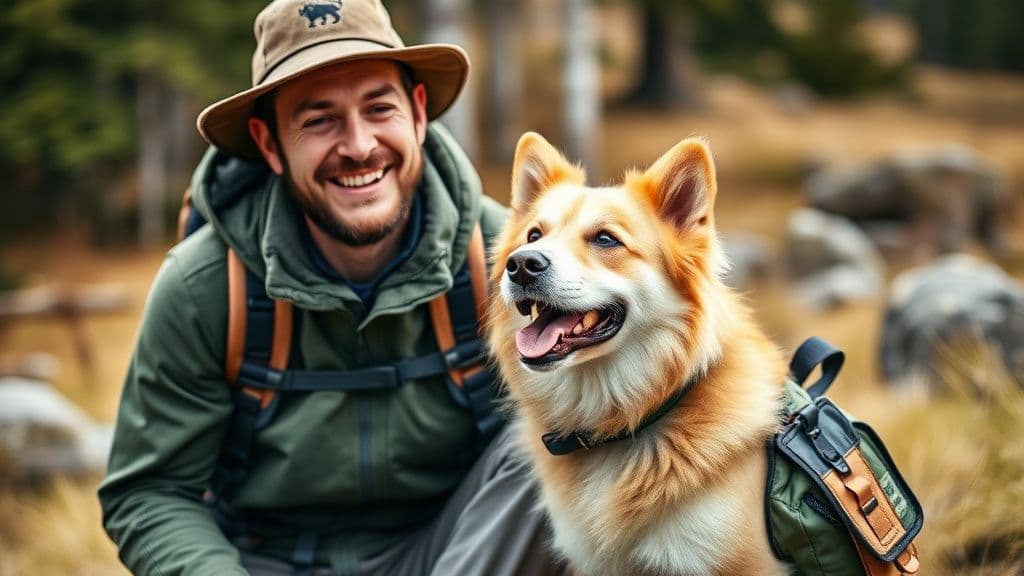
Spring 2026's must-have dog hiking gear upgrades your trail adventures for safety and fun.
Essential dog hiking gear for spring 2026 moves far beyond a basic leash. A durable, no-pull harness with a handle, a weather-resistant leash, and a wide collar for even pressure are foundational. You must also pack collapsible water bowls, portable food containers, and a hands-free leash system designed for the trail. For safety and comfort, consider adding a GPS device, dog boots, and veterinary-approved reference materials.
Spring is finally here, and the trails are calling. After a long winter, both you and your dog are probably itching to stretch your legs and breathe in the fresh air. I know my own dog gets a certain spark in his eyes when he sees me lacing up my hiking boots. But hitting the trail requires more than just enthusiasm. A neighborhood stroll and a backcountry adventure demand completely different preparations. Based on the latest gear reviews and expert advice for 2026, I've put together a guide to the essential equipment that will make your spring hikes safer, more comfortable, and infinitely more enjoyable for your entire pack. Think of this as your checklist for confidence, allowing you to focus on the views and the wagging tail beside you.
What Are the Core Leash and Harness Systems for Trail Control?
The cornerstone of any hiking setup is how you connect to your dog. On a trail, you need control, safety, and the ability to handle unexpected situations. The gear you use for a quick potty break simply won't cut it.
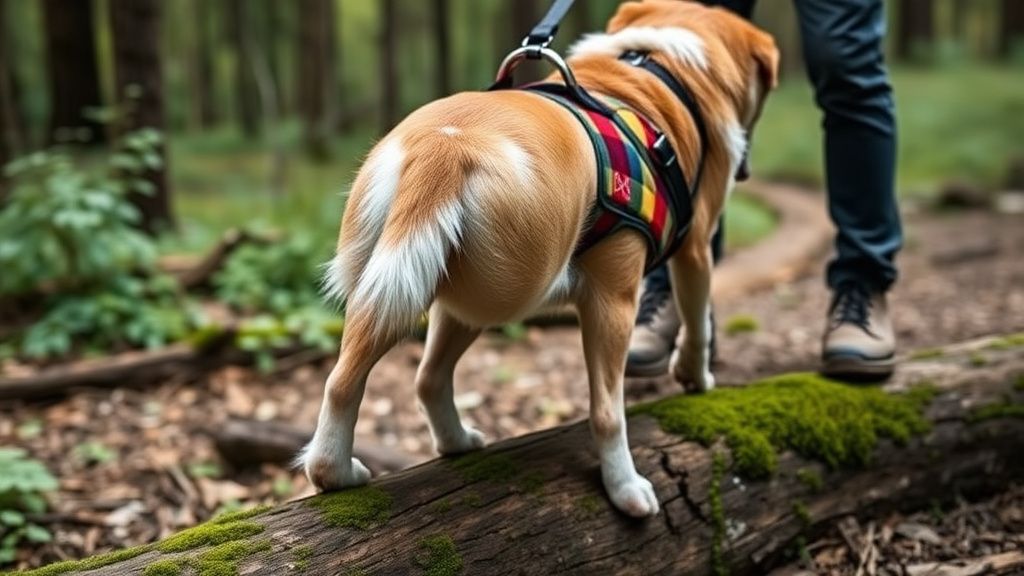
Experts consistently highlight a no-pull dog harness with a handle as the top priority. A handle on the back is a game saver. It lets you quickly guide your dog over a log, lift them over a tricky stream crossing, or keep them close in a tight spot. The style of harness matters, too. Many seasoned hikers, like those at Trailspace, report that their dogs live in activity-specific harnesses, with a dedicated hiking harness being the most frequently used. Brands like Kurgo have built trust over years with durable products, and their hiking harnesses are designed for all-day comfort and utility.
For dogs that pull, a front-clip harness can offer better steering. One hiker swears by the Ruffwear Front Range Reflective Front-Clip Harness paired with a 10-foot lead for managing a strong puller on the trail. This setup provides control without sacrificing your dog's ability to move naturally.
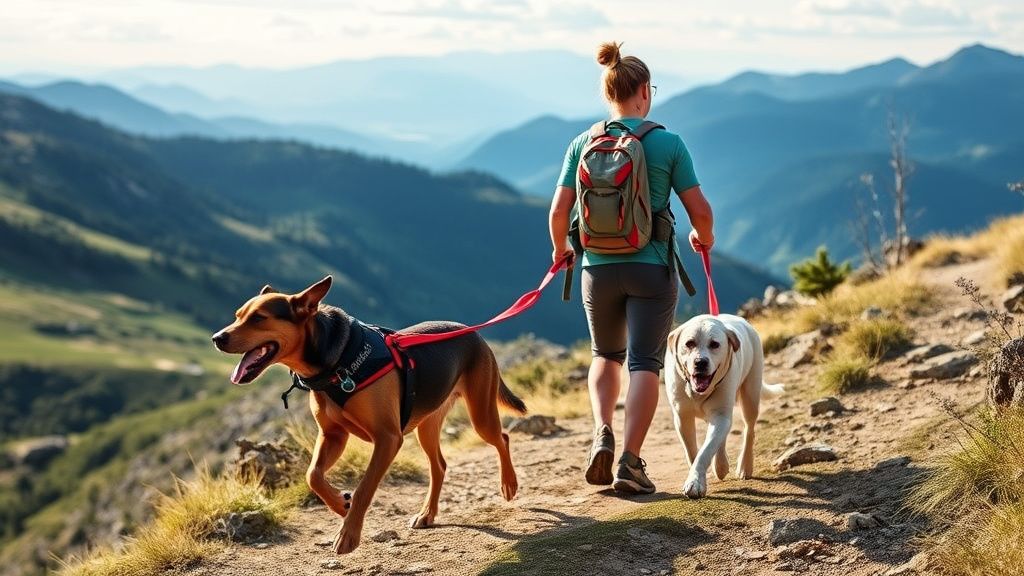
Your leash choice is equally critical. A standard six-foot leash can be restrictive on wide-open trails. A longer, weather-resistant leash allows for more exploration while maintaining a physical connection. For true hands-free hiking, a waist leash is a fantastic tool. However, not all are created equal. As noted in the Hepper guide, a waist leash needs to be slightly elasticated, like the Tuff Mutt Hands-Free Bungee Leash. This bit of give prevents every little tug from jolting your spine, making the walk comfortable for both of you.
Don't forget the collar. Even if you primarily use a harness, a wide collar is recommended for even pressure distribution. This should hold your dog's ID tags with your current contact information, a non-negotiable safety item mentioned by every expert from Chewy to PetMD.
How Do You Keep Your Dog Hydrated and Fueled on the Trail?
Your dog works hard on a hike. They're navigating terrain, regulating their temperature, and taking in a world of new smells. This burns a significant amount of energy and requires constant hydration. The gear you use to deliver food and water needs to be as mobile as you are.
The research is clear: hiking requires different gear than neighborhood walks. Specifically, collapsible water bowls and portable food containers are highlighted as essentials that enhance the outdoor experience. A collapsible silicone bowl takes up virtually no space in your pack and can be clipped to the outside for easy access. I always carry two: one for water and one for food if we're stopping for a meal.
For water, consider a dedicated dog water bottle with a built-in trough or a flexible, packable water reservoir you can share. Never assume you'll find fresh water on the trail, even in spring. Snowmelt can run through areas with harmful bacteria or parasites.
Fueling your adventure is just as important. Instead of carrying a whole bag of kibble, use a lightweight, airtight container to portion out meals or high-value snacks. This is where thinking about your dog's overall nutrition pays off. A dog with a balanced and complete diet from a trusted fresh dog food or freeze-dried dog food service will have better stamina and recover more quickly. I often pack a few extra best dog treats from our monthly dog subscription box for rewarding good trail behavior or providing a quick energy boost on a steep climb.
What Safety and First Aid Gear Should Never Be Left Behind?
The wilderness is unpredictable. Weather shifts, paws get sore, and curious noses can lead to trouble. Being prepared isn't about paranoia; it's about responsible ownership. Your dog's safety kit is an extension of your own.
A basic canine first-aid kit is a must. It should include gauze, self-adhering bandages (vet wrap), antiseptic wipes, and tweezers for removing ticks or splinters. But for 2026, experts are pointing to more advanced tools. PetMD specifically recommends considering a GPS device for dogs who might chase a scent into the woods. A small, lightweight tracker attached to the collar can provide immense peace of mind on remote trails.
Protection from the elements is also safety gear. Spring sun can be deceptively strong, and snow at higher elevations reflects UV rays. PetMD advises using dog sunscreen on noses and other exposed, light-colored skin. For terrain protection, dog boots shield paws from sharp rocks, icy patches, or hot surfaces later in the season. They also keep trail mud out of your car and your home.
Perhaps one of the most insightful pieces of gear mentioned is a field reference book written by a veterinarian. As noted in the 2025 guide, having this resource helps you act fast under pressure, guiding you through assessing an injury or illness until you can get to professional help. Combine this with having your vet's number and the nearest emergency animal hospital's address saved in your phone.
How Can You Build Your Dog's Trail Skills and Trail Etiquette?
The best gear in the world is useless if your dog isn't prepared for the trail experience. Success here is about gradual training and respecting the environment you're exploring.
Start by heeding the advice from Wilderdog: Start small in controlled environments, then gradually add space, movement, and excitement. This could mean practicing with the new hands-free leash in a quiet field before hitting a popular trail. Let your dog get used to wearing boots around the house and yard. The payoff for this patience is huge: more freedom on the trail, more confidence for you as a handler, and safer adventures all around.
Conditioning is physical, too. Chewy's guide stresses that hiking with dogs requires gradual conditioning and veterinary clearance, especially after a sedentary winter. Build distance slowly to strengthen paw pads and muscle groups.
Finally, embrace trail etiquette. As Ruffwear reminds us, hiking with your dog has an impact. Follow Leave No Trace principles with a canine twist.
* Always pack out used poop bags. Don't just bag it and leave it on the trail.
* Keep your dog under control and on a leash where required, not only for their safety but to protect wildlife and other trail users.
* Yield the trail to other hikers and equestrians, stepping off the path with your dog to let them pass calmly.
Managing a dog's excitement in these new situations can sometimes lead to anxiety. If your dog shows signs of stress from new sights or sounds, our dog anxiety guide offers strategies to help them feel more secure.
What Are the Often-Forgotten Comfort and Logistics Items?
These are the items that transform a hike from a functional outing into a truly pleasant adventure for both species involved. They address comfort during breaks and the practicalities of getting to and from the trailhead.
Spring weather is notoriously fickle. A sunny start can turn into a chilly, damp afternoon. The Mydays guide offers smart advice: always opt for waterproof outdoor seat cushions that can be wiped down easily. This gives you and your dog a dry place to sit during snack breaks. For your dog, a simple, lightweight towel is indispensable for drying wet fur or wiping down muddy paws before they get back in the car. The guide also cautions that if your dog gets wet, dry them thoroughly before they step onto a heated pad at home to avoid an uncomfortable "steam cooling" effect.
Organization is another key to comfort. Nothing sours a post-hike mood like a car full of soggy, muddy gear. Look for storage solutions built to last. The Mydays guide praises a tool storage bag style construction that ensures heavy items like collapsible bowls and long-leash systems don't tear the fabric. A dedicated dog gear bag keeps everything in one place and makes packing for the next adventure a breeze.
Final Thoughts
Gearing up for spring hikes with your dog in 2026 is about thoughtful preparation that prioritizes safety, comfort, and respect for the outdoors. It starts with the right connection, a harness and leash system built for control and durability, and extends to how you hydrate, protect, and train your canine companion. By investing in core items like a no-pull harness, collapsible bowls, and a basic first-aid kit, and then adding smart extras like a GPS tracker or a vet reference guide, you build a foundation for countless adventures.
Remember, the goal isn't to carry the weight of the world in your backpack. It's to carry just enough to ensure that every tail wag is backed by confidence, and every scenic overlook is shared without worry. So check your gear list, consult your vet, and start with those short, local trails. Before you know it, you and your best furry friend will be ready to tackle whatever the beautiful, unpredictable spring of 2026 has in store.
Find the Perfect Box for Your Dog
Compare top-rated dog subscription boxes and find the best fit for your pup.
Compare Boxes