Teach Your Dog the Sit to Greet Method
Teach your dog a polite greeting with the Sit to Greet method, replacing jumping with calm sitting.
The Sit to Greet method teaches your dog that sitting calmly is the only way to get attention from visitors. By consistently rewarding a sit with treats and petting while ignoring or managing jumping, you give your dog a clear, polite job to do. This positive approach replaces the excited jumping behavior with a calm, controlled alternative that keeps everyone safe and happy.
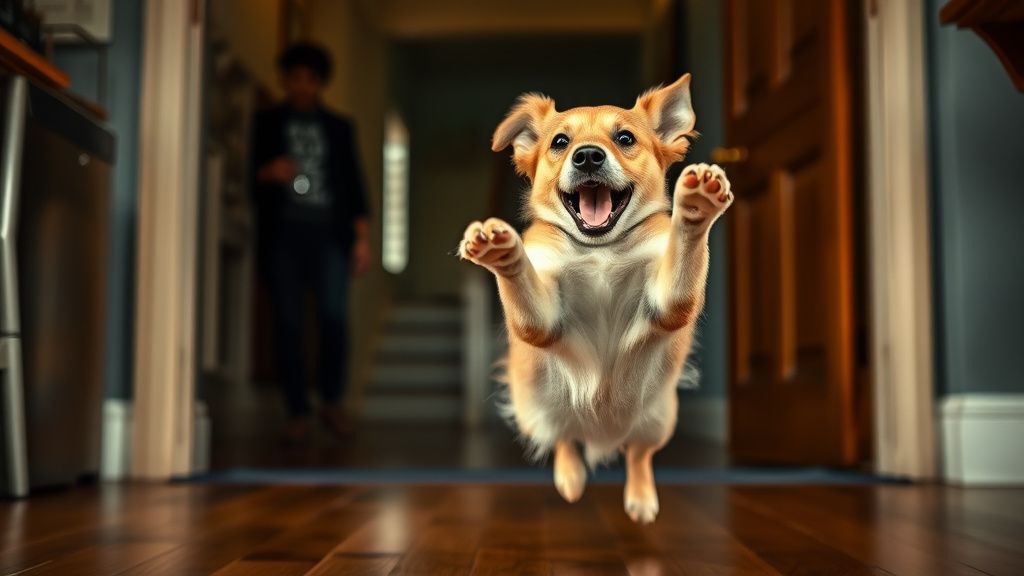
Does the sound of your doorbell instantly trigger a chaotic scene of flying fur and frantic barking? You're not alone. For many dog owners, the simple act of a guest arriving turns into a stressful ordeal of managing a jumping, overexcited pup. While that enthusiastic leap might come from a place of love, it can be intimidating, muddy, and even dangerous, especially for children or elderly visitors. The good news is there's a profoundly effective and kind solution that doesn't involve yelling or kneeing your dog in the chest. It's called the Sit to Greet method, and it transforms your dog from a door-dashing dynamo into a composed and polite host.
This technique isn't about suppressing your dog's joyful nature. It's about channeling that excitement into a behavior that earns them exactly what they want: attention and connection. By teaching your dog that a calm sit is the golden ticket to hellos and pets, you provide clear communication and build their impulse control. Let's explore how you can implement this game changing protocol in your home.
Why Do Dogs Jump and Why Should We Teach an Alternative?
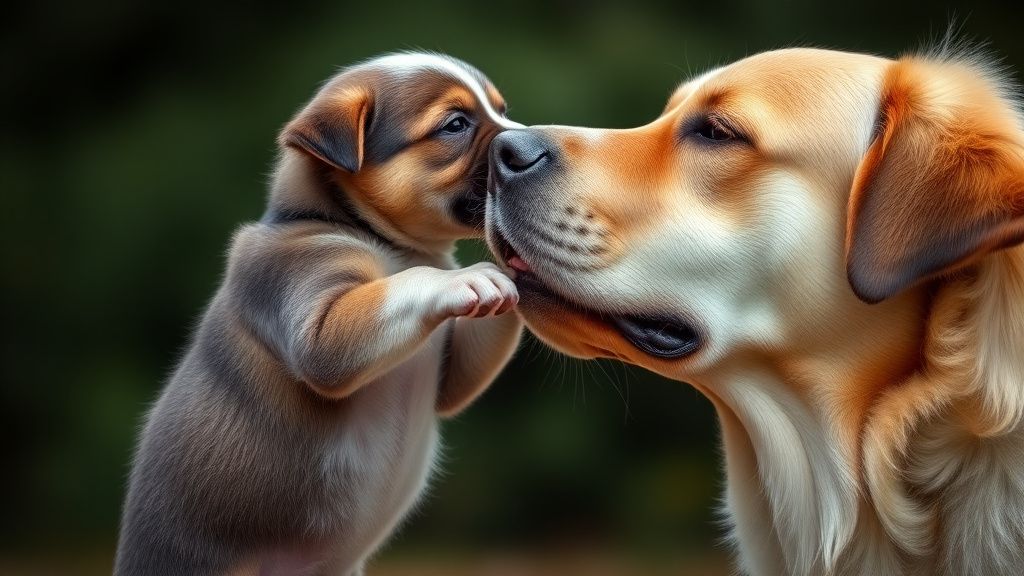
Jumping up is a perfectly natural canine behavior. In the dog world, getting close to faces is a way to show affection, gather information through scent, and seek attention. Puppies jump to lick their mother's mouth, and they carry this social behavior into their interactions with us. The problem is, our human world isn't built for it. A jumping dog can scratch skin, tear clothing, knock over small children, and frighten people who aren't comfortable around dogs.
More importantly, from your dog's perspective, jumping often works brilliantly. Think about the last time your dog jumped on you. You probably reacted. You might have said "no," pushed them off, or even given them a pat while telling them to get down. Any reaction, positive or negative, can be reinforcing. Your dog learns that jumping is a highly effective way to get you to engage. The goal, then, is to make jumping utterly ineffective while making an alternative behavior incredibly rewarding.
As noted by trainers, sitting is the perfect alternate behavior because a dog physically cannot sit and jump at the same time. It's a clear, incompatible action that keeps all four paws on the floor. Teaching "sit for greetings" gives your dog a specific job to do, which is exactly what an excited, social brain needs.
How to Train the Sit to Greet Method: A Step by Step Guide
Training this skill is best broken down into manageable stages. We'll start in a low distraction environment and gradually build up to the real life scenario of a guest at the door. Having a pouch of your dog's best dog treats will be essential for these sessions.
Step 1: Master the Basics in a Calm Setting
First, ensure your dog knows how to sit on cue reliably in your living room or kitchen, away from the door. Use a treat held at your chest level to lure them into position, then reward immediately. The experts at Whole Dog Journal advise fading the treat lure quickly so your dog learns to offer the sit without being prompted by food every single time. Practice this in short, positive sessions.
Once the sit is solid, begin to add duration. Ask for a sit, then delay the reward for 3 to 5 seconds before delivering the treat, as suggested by Burgess Pet Care. This builds the muscle memory and mental patience needed to hold the position while someone approaches.
Step 2: Introduce Mild Distractions (You as the "Guest")
Now, make yourself the distraction. Walk a few steps away from your dog, then turn and walk toward them. Just before you reach them, ask for a "sit." The moment their bottom touches the floor, reward with a treat and calm, underhand petting on the chest, avoid excited head pats which can rev them up again. If they jump, simply stop moving, turn away, and become a boring statue. No eye contact, no talking. The instant they sit, the interaction resumes.
This step teaches the core rule: sitting makes good things happen; jumping makes all attention disappear.
Step 3: Practice at the Door Without a Real Guest
This is a critical rehearsal phase. Grab your treat pouch and a leash. With your dog on leash for gentle control, approach your front door as if someone is there. Practice asking for a sit several feet back from the door. The goal, as outlined by Animal Attraction Unlimited, is to have your dog remain in a sit or stay while you approach and "open" the door to an empty porch.
Reward heavily for calm behavior. If your dog breaks the sit, calmly close the door, reset them, and try again. This practice session takes the huge excitement of the door and makes it a normal, trainable part of the routine.
Step 4: Enlist a Helpful Human Volunteer
Now for the real test. Ask a friend or family member who can follow instructions to help. Before they arrive, have your dog on a leash. When your helper knocks or rings the bell, keep your dog in a sit several feet back from the door. You might even need to come through the door with a treat to lure your dog into a sit before they have a chance to jump, a technique mentioned for exuberant dogs.
Open the door. Your guest must completely ignore your dog, no talking, no eye contact, no touching, until your dog is sitting calmly. The moment a solid sit is achieved, your guest can offer a treat or gentle chest petting. If your dog jumps, the guest immediately turns away. As The Crafty Pup puts it, your dog learns that jumping does not get them "paid," but sitting does.
Step 5: Gradually Increase Difficulty and Fade Aids
As your dog succeeds, increase the challenge. Have your guest enter further into the home. Practice with different people. Slowly increase the time your dog must sit calmly before being greeted. The leash is a safety net; as your dog becomes more reliable, you can drop the leash and eventually remove it, allowing for off leash, self managed manners.
Consistency from every single person who greets your dog is non negotiable. Make sure family members and frequent visitors know the rule: "No sit, no attention."
Troubleshooting Common Challenges
Even with the best plan, you might hit a few snags. Here are solutions for the most common issues.
My dog is too excited to even hear me. This means the scenario is too difficult. Take several steps back in training. Go back to practicing with the door in a quiet moment, or have your "guest" start outside from a much greater distance where your dog notices them but isn't over threshold. Management tools are your friend here; using a baby gate to create space or keeping your dog on a leash during greetings prevents rehearsal of the jumping behavior while you work on the training. My dog sits but then immediately jumps up when petted. This is very common. The sequence must be clear: sit → treat/pet → if they jump → attention stops. Use your "Oops!" marker, have the guest turn away, and ask for a sit again. You can also instruct guests to use underhand petting on the chest, which is less stimulating than patting the head, and to keep petting sessions very brief at first. Visitors don't listen and pet my dog when they jump. This can undo weeks of work. Be proactive. Put a sign on your door, or text guests before they arrive: "We're training Fido to sit for greetings! Please ignore him until he's sitting calmly. Thank you for helping!" Most people are happy to assist if they understand the program. My small dog jumps. Is this really necessary? Absolutely. As veterinarians point out, even small dogs benefit from polite greetings, and not all visitors appreciate jumping. Consistent training also prevents the development of other nuisance behaviors like barking.Making Polite Greetings a Lifelong Habit
Training isn't a one time event; it's about building habits for both you and your dog. Integrate the Sit to Greet protocol into your daily life. When you come home, ask for a sit before you say hello. Use it when meeting neighbors on walks. The more consistent you are, the more automatic the behavior becomes.
Remember to keep the rewards valuable. While you'll fade to intermittent food treats over time, the primary reward, affection and attention, should always follow the sit. I've seen the most success in homes where the entire family embraces the "sit first" rule without exception.
To keep your dog engaged and motivated during training, high value treats are key. Consider mixing in novel proteins or treats from a dog subscription box to maintain their interest. A calm, focused mind is also supported by proper nutrition from a balanced and complete diet, which provides steady energy without sugar spikes that can contribute to hyperactivity.
Final Thoughts
Replacing jumping with sitting for greetings is one of the most rewarding investments you can make in your dog's manners. It fosters safety, reduces stress for everyone involved, and actually deepens your dog's understanding of how to successfully interact with their human world. This method, grounded in positive reinforcement, strengthens your bond because you're guiding them toward success rather than constantly scolding them for failure.
There will be setbacks and overly exciting days. Be patient. Every time you calmly manage a situation and reward the behavior you want, you are building a clearer line of communication with your dog. The payoff is a companion who greets the world with polite confidence, making them a welcome guest anywhere they go, and making you a proud pet parent. For more on helping your dog stay calm in stimulating situations, our dog anxiety guide offers additional supportive strategies.
Find the Perfect Box for Your Dog
Compare top-rated dog subscription boxes and find the best fit for your pup.
Compare Boxes