Master Reliable Recall In Distractions
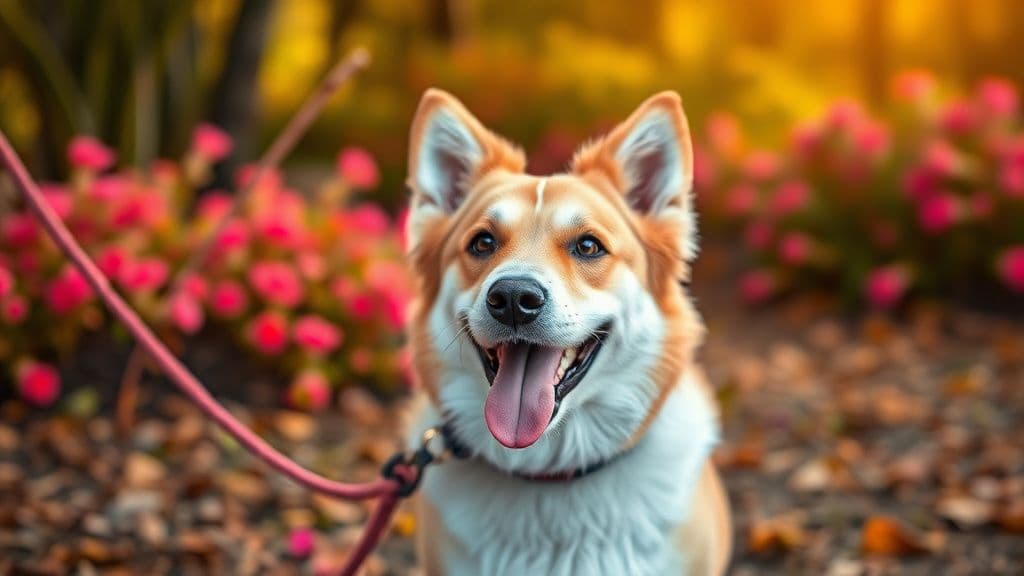
Train a bulletproof recall with a long line, mastering distractions and building unwavering focus in real-world settings.
A long line is a training tool that gives your dog freedom to explore while ensuring they cannot ignore you and run off, acting as a safety net while you practice the recall cue in distracting environments. To build a reliable recall, start in low distraction areas, use a long line to gradually increase distance and difficulty, and always reward the return with high value treats or toys. Regular, short practice sessions in progressively more challenging locations are key to solidifying the behavior.
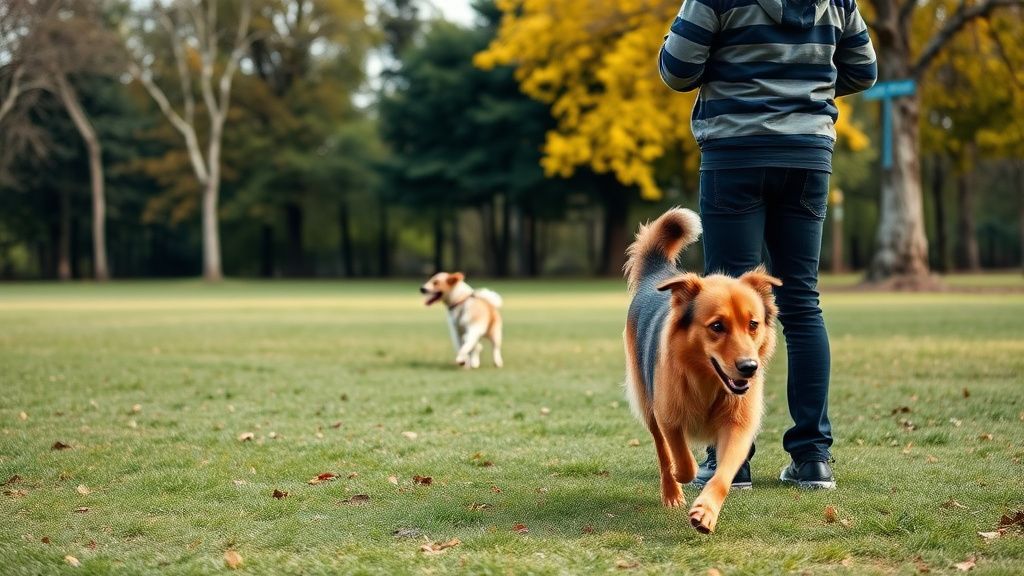
There's that heart-stopping moment every dog owner dreads. You call your dog's name with cheerful confidence, only to watch them lock onto a squirrel and become a blur disappearing into the distance. In a quiet backyard, they might be a recall champion, but the real world is full of irresistible smells, fascinating animals, and other dogs. This is where the dream of off-leash freedom feels out of reach. The good news is, there is a powerful, simple tool that bridges the gap between your controlled practice and the chaotic real world: the long line.
A long line, typically a 15 to 30-foot leash, is not for correction or steering your dog. Think of it as your safety net and your rehearsal space. It provides the reassurance that your dog can't get lost or cause trouble while allowing you both to practice recall over longer distances. I've seen countless dogs transform from selective listeners to reliable partners using this method. This guide will walk you through how to use a long line systematically to build a recall you can trust, anywhere.
What is a Long Line and Why is it the Key to Reliable Recall?
A long line is your single most effective tool for proofing a recall command outside of a confined, boring space. It's the critical middle step between on-leash practice in your living room and true off-leash reliability.
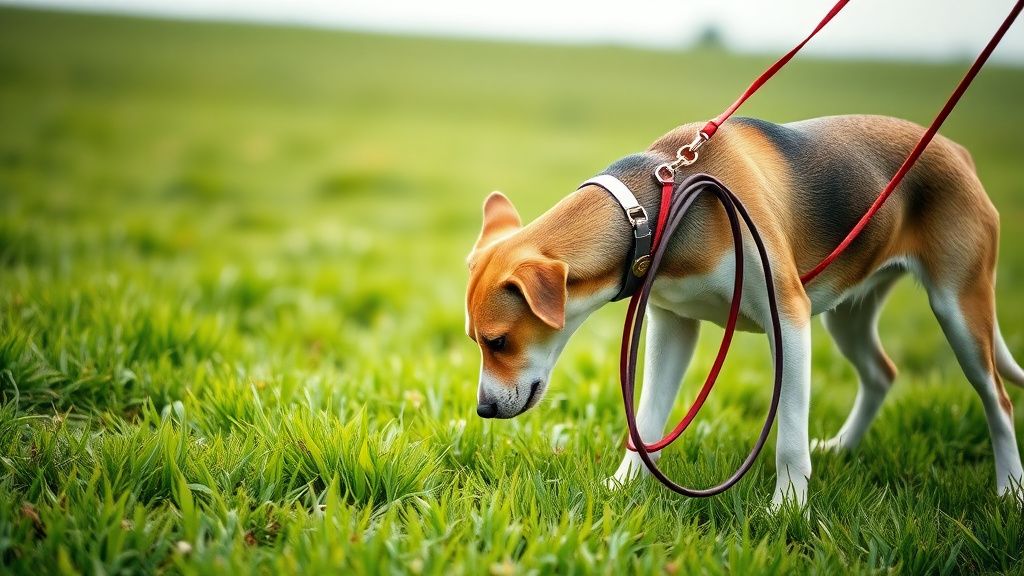
The core principle is control through freedom. The line gives your dog enough physical and mental space to make choices, to sniff, to wander, to notice distractions, just as they would off-leash. This is crucial because recall isn't truly trained until your dog chooses to disengage from something exciting to return to you. As noted by professional trainers, the long line is a security measure while we rehearse the recall cue that has already been taught in lower distraction environments. It's not for pulling your dog back; it's there so that if they completely ignore you, you can gently prevent a self-rewarding behavior like chasing a rabbit, and then try again.
Without this tool, you're often left with two bad options: never letting your dog experience freedom, or risking a dangerous dash into traffic after a cat. The long line eliminates that risk, allowing for safe, progressive training. It builds your confidence as a handler, too, because you know you have a backup plan.
How to Start: Building a Foundation Before the Long Line
You wouldn't send a student to take a final exam without teaching the material first. The same goes for your dog. The long line is for practicing and proofing a behavior your dog already understands in a simple context.
Start Indoors or in a Fenced Yard. Begin in a room with no distractions. Say your recall cue (like "Come!" or a whistle) in a happy voice and reward your dog instantly when they get to you with an amazing treat. Make it a party! Use a portion of their daily kibble, or better yet, special treats they only get for recall. Companies that offer dog food delivery or a dog subscription box can be great for keeping a rotation of novel, high-value rewards. Increase Difficulty Slowly. Once they're sprinting to you inside, move to your quiet backyard. Practice on a regular 6-foot leash first. The key is to "slowly increase the difficulty and level of distraction," as the AKC recommends. Keep sessions short, maybe 3-5 minutes, and always end on a success. This regular, positive practice is more effective than occasional, long, frustrating sessions. Introduce the Long Line in a Familiar Place. Before heading to the park, let your dog drag the long line in your safe yard. Let them get used to the feel of it. Practice a few recalls here, where you know they'll succeed. This builds a positive association with the equipment.The Step-by-Step Guide to Long Line Training in Distracting Environments
Now for the main event. This is where we teach your dog that "come" means the same thing at the park as it does in your kitchen.
Step 1: Choose Your First "Distracting" Location Wisely. Don't start at the dog park on a Saturday. Choose a quiet corner of a large field, an empty tennis court, or a trail at a quiet time. The goal is to find a place with *mild* distractions. Step 2: Let Them Explore and Settle. When you first arrive, clip on the long line and let your dog sniff and venture away. Don't call them immediately. Give them a few minutes to process the new smells and sights. This helps them get the initial excitement out of their system. Step 3: Make the First Call a Guaranteed Win. Wait for a moment when your dog glances at you, or is not intensely focused on something. Use your happiest voice, say your cue, and you can even run backward a few steps to make it more enticing. When they come, give them a jackpot reward, multiple treats, a favorite toy, or enthusiastic praise. Step 4: Practice the "Safety Net" Scenario. This is the core drill. Let your dog wander to the end of the line, perhaps sniffing something interesting. Call them. If they turn and come, huge reward! If they ignore you, gently apply light pressure on the line (do NOT reel them in like a fish) to break their focus, then encourage them toward you. The moment they move in your direction, praise and reward. The line prevented them from practicing the wrong behavior (ignoring you). Step 5: Gradually Increase the Challenge. As the Whole Dog Journal advises, "Each time you go to a new place, practice recalls on the long line until you’re sure he’s really reliable, even in the presence of big distractions." Once your dog is responding well in your quiet field, try a slightly busier park, or a trail with occasional other people. Work on leash at first in these new spots if needed, then move back to the long line.Common Long Line Mistakes and How to Avoid Them
Even with the best tool, technique matters. Avoid these pitfalls to keep training positive and effective.
* Using the Line to Yank Your Dog. The line is for safety, not for force. Pulling them toward you teaches them that coming to you is a forced, negative experience. If you need to use the line, apply gentle, steady pressure to get their attention, then release it and reward any movement toward you.
* Practicing When You're Frustrated. If you're having a bad day, skip the training session. Your dog will sense your tension, and recall should always be a positive, happy game.
* Using a Recall Cue for Something Negative. Never call your dog to you to end playtime, give a bath, or administer medicine if you can help it. This poisons the cue. Instead, go and get them. Protect the sacred meaning of your recall word.
* Moving Too Fast. The Scottish SPCA offers solid advice: if your dog stops responding off-leash, "retry their previous recall training until they are reliably responding at a lower level of distraction or on a long line." It's not a setback; it's a necessary step.
* Using a Poorly Made Long Line. Avoid thin, retractable leashes as long lines. They can cause severe rope burns. Use a flat, biothane line or a soft cotton training line designed for the purpose.
Making Recall Training Fun and Rewarding
Recall shouldn't feel like a drill. The more fun it is, the more reliable it will be.
Play Games. Incorporate recall into play. During a game of fetch, call your dog before you throw the ball. Play hide-and-seek behind trees. These games build excitement around coming to find you. Vary Your Rewards. Don't just use the same old treat. Have a special "recall only" treat pouch. Mix in pieces of chicken, cheese, or freeze-dried liver. Sometimes reward with a frantic game of tug. The unpredictability makes you more interesting. Exploring different best dog treats can help you find what truly motivates your dog. Incorporate an Emergency Recall. This is a separate, ultra-important cue (like "Here!" or a specific whistle blast) that *always* results in an unbelievable reward: a handful of hot dog, an entire piece of chicken, a brand new toy. Practice it sparingly on the long line to keep it powerful. It's your emergency brake for truly dangerous situations. Keep Sessions Short. Five minutes of engaged, happy practice is better than twenty minutes of repetitive, boring drills. End while your dog still wants more.Final Thoughts
Building a bombproof recall in distracting environments is a journey, not a weekend project. It requires patience, consistency, and a willingness to go back a step when needed. The long line is your faithful companion on this journey, providing the safety net that allows for real-world learning. It transforms abstract training into practical, proven behavior.
Remember, every time your dog chooses to come to you over something exciting, you're not just reinforcing a command. You're strengthening the bond between you, proving that you are the most rewarding, fun, and safe place to be. That trust, built one successful recall at a time, is the ultimate goal. So grab a long line, pack your pocket with fantastic treats, and start giving your dog the freedom, and the skills, to explore the world safely by your side. For more tips on building confidence and managing excitement in new environments, our dog anxiety guide offers complementary strategies.
Find the Perfect Box for Your Dog
Compare top-rated dog subscription boxes and find the best fit for your pup.
Compare Boxes