Small Apartment Boredom Beating Hacks
Transform your small apartment into an oasis of activity with clever, space-savvy ideas that banish boredom for good.
Smart apartment enrichment hacks include vertical sniff stations on walls, frozen Kong pyramids for solo play, DIY snuffle mats from fleece strips, hide-and-seek games using multiple rooms, and rotating puzzle toy boxes weekly. Even a 500-square-foot studio can provide rich mental stimulation when you think vertically and use furniture creatively.
Living in a city apartment with a dog is a special kind of adventure. You share a cozy space, navigate sidewalks together, and become experts at finding every patch of grass within a five block radius. But let’s be honest, those four walls can start to feel a bit small, especially for a curious canine mind. A bored dog isn’t just a little restless, they’re a dog who might start redecorating your couch with their teeth or serenading the neighbors with howls. The good news is that physical space is less important than mental space. With some creativity, your apartment can become a playground for your dog’s brain, and a happier, more tired dog is just a few clever hacks away.
The Philosophy of Apartment Enrichment
Before we get into the specific activities, it’s helpful to understand why they work. Enrichment isn’t just about extra playtime, it’s about fulfilling your dog’s core needs: to forage, to problem solve, to use their senses, and to work. In the wild, dogs spend most of their waking hours *acquiring* their food and resources. In our homes, we hand them a bowl of kibble in thirty seconds. That’s a lot of instinctual energy with nowhere to go.
A study published in the journal *Applied Animal Behaviour Science* found that dogs presented with food puzzles showed significantly lower levels of stress related behaviors, like pacing and whining, and higher levels of relaxation. This isn’t just fun and games, it’s a fundamental component of their wellbeing. For the urban dog, whose outdoor time might be limited to leashed walks, creating these opportunities inside is not a luxury, it’s essential for preventing nuisance behaviors born from sheer boredom.
Master the Art of the Food Puzzle
The fastest way to turn mealtime from a snooze into a engaging event is to make your dog work for their food. I’ve seen dogs who used to wolf down their meals in boredom become focused and calm for twenty minutes with a simple switch to puzzle feeding.
Start Simple and Build Confidence
If your dog is new to puzzles, begin with something easy to build success and prevent frustration. A simple muffin tin turned upside down over kibble scattered on a towel is a great start. They have to nudge the tin to get the food. You can also use a rolled-up towel with kibble sprinkled in the folds.
Level Up to Dedicated Puzzle Toys
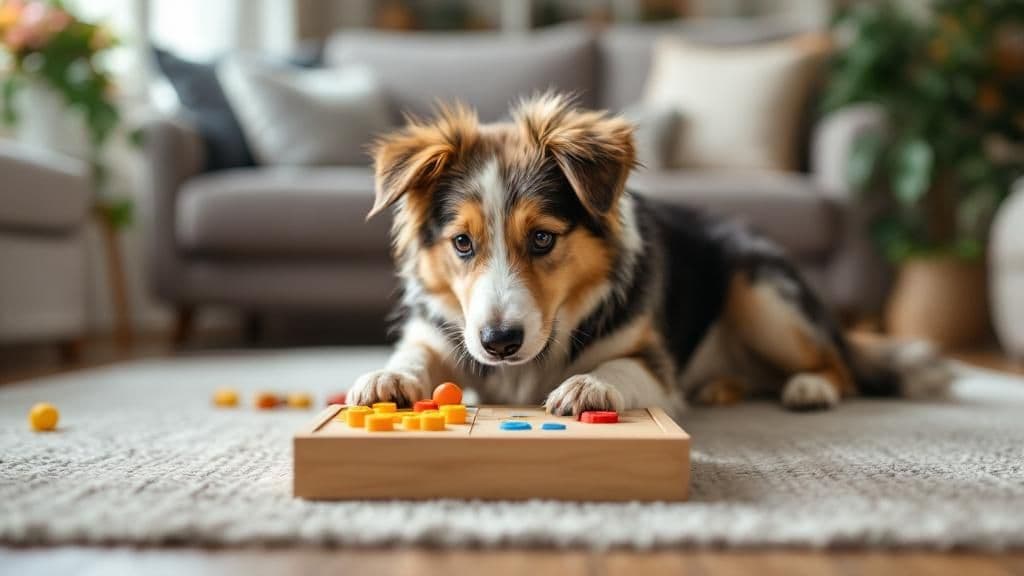
There are fantastic puzzle toys on the market with sliding lids, rotating compartments, and different levels of difficulty. Brands like Nina Ottosson are brilliant, but even a classic Kong stuffed with wet food and frozen is a top tier puzzle. The key is to have a rotation. I keep three different puzzles in my cupboard and switch them out every few days so my dog, Baxter, doesn’t get too clever with any one of them.
The Subscription Box Advantage
This is where a monthly dog best dog subscription boxes can be a lifesaver for the busy urban owner. These boxes often include a new, unique puzzle toy or feeder in each delivery. It takes the guesswork out of finding the next challenge and provides a novel item to keep your dog’s interest piqued month after month. It’s like a monthly enrichment delivery right to your door.
Transform Walks into Sensory Adventures
Your daily walks are the cornerstone of apartment dog life. But are they just a potty break and a bit of exercise, or are they a full blown sensory expedition? Reframing your walk can add miles of mental stimulation without adding a single block to your route.
Practice the "Sniffari"
Let your dog lead with their nose. Dedicate at least one walk a day, or a portion of every walk, as a "sniffari." This means you follow them, allowing them to choose the path and linger on smells as long as they like (within reason). Sniffing is incredibly taxing for a dog’s brain. Dr. Alexandra Horowitz, a canine cognition researcher at Barnard College, notes that allowing dogs to sniff provides them with "important and even exhausting mental activity." A fifteen minute sniffari can be more tiring than a thirty minute power walk.
Incorporate Impulse Control Games
Use the stimulating environment of the city to your training advantage. Practice "watch me" or "leave it" when a skateboarder zooms by or another dog passes. Ask for a "sit" and wait at every curb. These small exercises reinforce your bond and turn a passive walk into an active training session that engages your dog’s brain.
Create a Roving Treasure Hunt
Bring some of your dog’s favorite best dog treats on your walk. While they are sniffing a bush, quietly drop a treat a few feet ahead on the path. When they finish their investigation, they’ll "discover" the treasure. This reinforces their natural foraging behavior and makes the walk unpredictable and exciting for them.
Maximize Your Vertical and Hidden Space
When square footage is limited, think in three dimensions. Dogs, especially smaller breeds, can enjoy vertical elements, and utilizing hidden spaces creates novelty.
Create a Cozy Viewing Perch
If you have a window with a safe view of the street, set up a sturdy bench or chair with a comfortable blanket. This "busy window" provides a live-action movie for your dog. You can enhance it by hiding a few treats in the blanket folds for them to find as they settle in. Just be mindful of dogs who get overstimulated or reactive by outdoor activity.
Design a Digging Box
Many dogs love to dig, an impulse that’s impossible to satisfy in an apartment. A digging box can be the perfect solution. Use a shallow, sturdy plastic storage bin and fill it with items like ball pit balls, crumpled paper, or fabric strips. Bury their kibble or some treats deep within the materials. It channels the digging instinct into an acceptable and rewarding outlet.
Implement Surprise Hide-and-Seek
Use your furniture creatively. When you’re preparing their meal, don’t just place the bowl on the floor. Place a handful of kibble under the edge of the rug. Put some behind a couch leg. Hide a portion in their bed. This turns dinner into a search mission that utilizes the entire apartment landscape. Dog food delivery services that send pre-portioned meals or fresh food can make this even easier, as you can use small portions for hiding without messing with a large bag.
Build a Rotation of Interactive Games
You are your dog’s best and most dynamic toy. Interactive games don’t require much space, just a bit of creativity and your full attention for short bursts.
The Classic Muffin Tin Game
Take a standard muffin tin, place a few pieces of kibble or treats in random cups, and then cover every cup with a tennis ball or balled-up sock. Your dog has to remove the balls to find the food. It’s simple, cheap, and deeply satisfying for them.
Name That Toy
This is a brilliant way to build vocabulary and mental focus. Start with two distinct toys, like a ball and a rope. Hold them up one at a time, clearly saying their name, "Ball!" then "Rope!" and giving a treat when they touch or take it. Once they seem to understand, place both on the floor and ask for one by name. Reward heavily for correct choices. Over time, you can build a repertoire of many named toys. This is a thinking game that truly tires them out.
DIY "Find It" with Scent
Start by having your dog "stay" or wait in another room. Take a high value treat with a strong smell and rub it on your hands, then wipe your hands along a towel. Place the treat at the end of the towel trail. Bring your dog in and excitedly say "Find it!" Encourage them to use their nose to follow the path to the jackpot. You can make the trails longer and more complex over time.
Final Thoughts
Beating boredom in a small apartment is less about the size of your home and more about the breadth of your imagination. It’s about seeing your space through your dog’s eyes and asking, "What can they discover here today?" The goal is to weave these enrichment hacks into the fabric of your daily routine. That Kong can be stuffed during your morning coffee. The sniffari can be your evening wind down. The new puzzle toy arrives automatically in your dog subscription box.
Remember, a mentally stimulated dog is a content dog. They are less likely to develop anxiety based behaviors, more likely to relax peacefully when you need them to, and the bond you build through these shared games is stronger than any leash. Start with one idea that excites you, and watch as your apartment transforms from a simple living space into a world of wonder for your best friend.
Recommended Products



Find the Perfect Box for Your Dog
Compare top-rated dog subscription boxes and find the best fit for your pup.
Compare Boxes