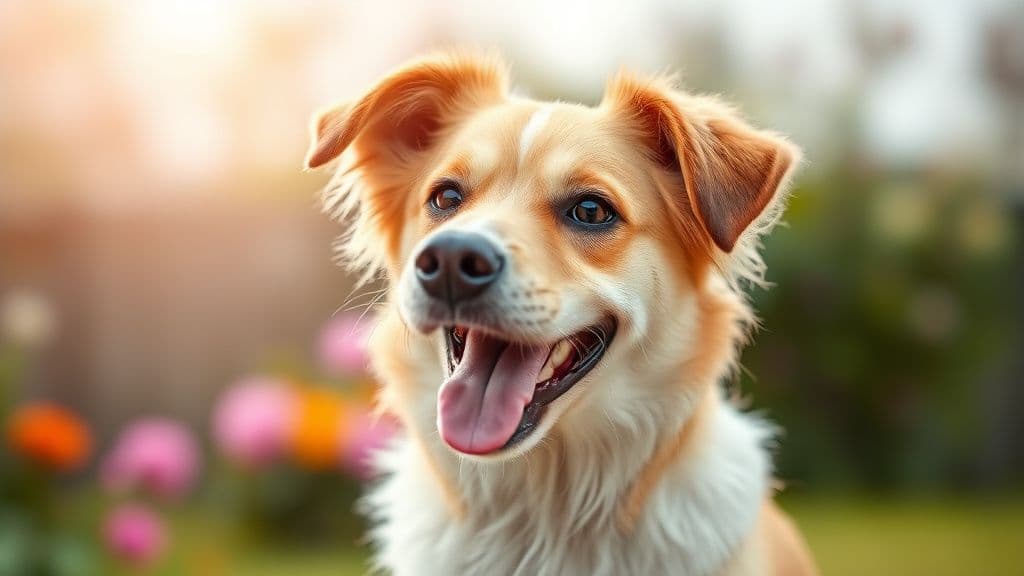
Urban Dog Paw Pad Care Essentials
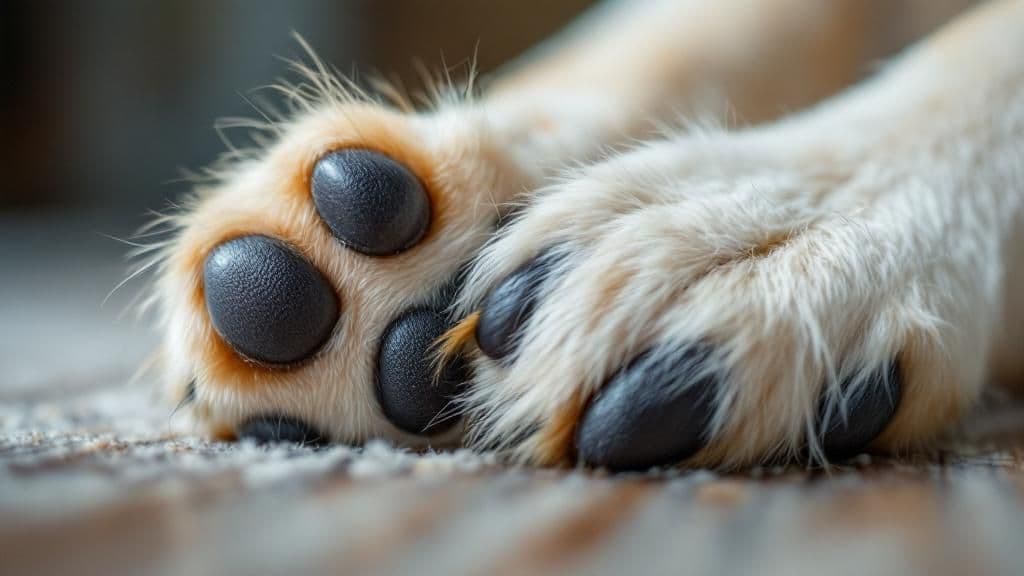
Protect your city dog's paws from harsh streets with a simple, effective care routine.
Urban dog paw pads face daily assaults from hot pavement, road salt, chemical de-icers, and sharp debris. A complete paw care routine includes daily post-walk wipe-downs, weekly paw balm application, monthly nail trims, and seasonal paw wax for extreme weather protection — preventing cracks, burns, and infections before they start.
Living in the city is an adventure for you and your dog. From bustling sidewalks to quiet park paths, every walk is a sensory journey. But those same urban landscapes that provide so much excitement also pose unique challenges for your dog's most important piece of equipment: their paws. Your dog's paw pads are their foundation, the only part of their body in constant, direct contact with the ground. They provide traction, shock absorption, and insulation. In an environment of hot pavement, chemical de-icers, and rough concrete, a simple, consistent care routine isn't just pampering; it's essential preventative health. Think of it as regular maintenance for your favorite dog walking calculator partner. This routine will help you protect those precious paws, ensuring every city stroll is comfortable and safe.
The Urban Paw Pad Inspection: Your Daily Ritual
The first step in any good paw care routine is knowing what you're looking at. A quick check after every walk takes less than a minute but can help you catch small issues before they become big, painful problems.
Get into the habit of having your dog sit calmly as soon as you come inside. Gently lift each paw and give it a thorough once-over. Look closely at the pads themselves and the spaces between the toes.
Here’s your inspection checklist:
* Cuts and Abrasions: Search for any nicks, cracks, or tears on the pad surface. Urban debris like broken glass or sharp metal can be easy to miss.
* Swelling or Redness: Notice any areas that look puffy, inflamed, or warmer than the others. This could indicate a minor injury or the beginning of an infection.
* Stuck Debris: City sidewalks are full of tiny hazards. Look for pebbles, pieces of mulch, tar, or gum stuck to the pads or wedged between the toes. In winter, clumps of ice and snow are common culprits.
* Signs of Chemical Exposure: In colder months, watch for a white, powdery residue from road salt or ice melt. These substances are irritating and toxic if licked.
* Foreign Objects: As noted in our research, things like burrs or small thorns can get caught in the fur around the paws, causing discomfort.
This daily ritual isn't just about spotting trouble. It's also a wonderful way to bond with your dog and get them comfortable with having their paws handled, which makes the rest of your grooming tasks much easier.
The Clean & Dry Protocol: Wipe, Rinse, Repeat
City paws get dirty, and it's not just about mud. Pollution, bacteria, and chemicals coat our streets and sidewalks, hitching a ride home on your dog's feet. A consistent cleaning routine is your primary defense.
For most days, a simple wipe-down is sufficient. Keep a stack of clean, damp cloths or a package of pet-safe wipes by the door. As the experts at Preventive Vet and others advise, gently wipe the top and bottom of each paw, spreading the toes to clean between them. This removes dirt and bacteria that could lead to skin infections if they enter a small cut.
However, there are times when a simple wipe isn't enough. During rainy weather, winter, or after a particularly grimy walk, you'll need to upgrade to a rinse. As Francodex recommends, rinsing with clear water is the most effective way to remove salt, mud, and chemical residues. You can do this in a sink, with a hose by the door, or using a detachable shower head in the tub for larger dogs.
The step that is just as critical as cleaning is drying. Never let paws stay damp. Thoroughly dry each paw with a clean, absorbent towel, again paying special attention to the spaces between the toes. Moisture trapped there creates a perfect environment for bothersome yeast or bacterial infections. Making this wipe, rinse, and dry routine a non-negotiable part of your homecoming is one of the best things you can do for urban paw health.
Proactive Protection: Barriers and Barriers
Cleaning deals with problems after the fact. The next level of care involves putting up a shield *before* your dog's paws ever touch the ground. This is all about creating a protective barrier against the specific hazards of the city.
Understanding Surface DangersFirst, know your enemy. Urban surfaces can be extreme.
* Summer Heat: Asphalt and concrete absorb and radiate heat. A simple test is to place the back of your hand on the pavement for seven seconds. If it's too hot for you, it's too hot for your dog's pads and can cause serious burns in minutes.
* Winter Chemicals: Salt and chemical ice melts are severe irritants. They can cause painful chemical burns on the pads and are poisonous if ingested when your dog licks their paws.
* Year-Round Abrasion: Constant friction on rough concrete can slowly wear down and toughen pads, but it can also lead to dryness and cracking over time.
Your Two Main Defense OptionsYou have two excellent tools to choose from, and sometimes you might use both.
1. Paw Balms and Waxes: These are like a supercharged moisturizer that also acts as a barrier. A high quality, dog specific balm, such as Houndswell’s Paw Balm mentioned in our research, moisturizes to prevent dryness and cracking. When applied about 15 minutes before a walk, it also creates a protective layer against salt, hot pavement, and irritants. It's crucial to know that these balms are a protective aid, not a magic forcefield. As Preventive Vet points out, solutions like these can wear off quickly, often within a week or less, and need frequent reapplication. They help with traction somewhat, but remember that a dog's nails are their primary grip point on hard surfaces.
2. Dog Booties: For ultimate protection, especially in extreme heat, cold, or in areas heavily treated with chemicals, booties are the gold standard. They provide a physical barrier against all surface hazards, and also protect from cuts and debris. The key is finding a pair that fits well and that your dog will tolerate. Start with short, positive indoor sessions to get them used to the feeling.
I've found that for many urban dogs, a combined approach works best. Use a nourishing paw balm daily for moisturizing and light protection, and keep booties on hand for those days when the sidewalks are scorching or coated in salt.
Maintenance and Moisture: The Supporting Acts
Beyond daily inspections and cleanings, a couple of regular grooming tasks play a huge supporting role in keeping paws healthy.
Trimming the Interdigital FurThat fluffy hair growing between your dog's paw pads isn't just cute; it's a magnet for trouble. As highlighted in our research, regularly trimming this fur with blunt-nosed grooming shears is hugely effective. Long hair between the pads collects ice balls in winter, gathers mud and debris, and can mat, pulling uncomfortably on the skin. Keeping this fur neat reduces what your dog tracks in and gives you a clearer view of the skin and pads during your inspections. It’s a simple trim that makes a big difference in comfort and cleanliness.
The Art of MoisturizingThink of your dog's paw pads like your own heels. They're tough, but constant exposure to harsh, dry surfaces can lead to them becoming rough, cracked, and painful. This is where a dedicated moisturizing step comes in. Using a dog-safe paw balm at night, after cleaning and when your dog is settling down, allows the rich emollients to soak in and work their magic without being immediately wiped off on your floors. This helps prevent conditions like hyperkeratosis, where pads become overly thick and hard. Look for balms with natural ingredients like beeswax, shea butter, and coconut oil. A little goes a long way, and a soothing paw massage as you apply it is the perfect relaxing end to your dog's day. It’s a small act of care that maintains pad suppleness and resilience.
When to Step In: Recognizing Trouble
Even with the best routine, urban paws can sometimes get injured or develop issues. Knowing when your home care is enough and when you need to call the vet is a critical part of being a responsible pet parent.
Monitor your dog for these signs of paw trouble:
* Persistent Licking or Chewing: Occasional licking is normal, but constant attention to one paw signals irritation or pain.
* Limping or Favoring a Paw: This is an obvious red flag that something is wrong.
* Visible Damage: Deep cuts, large cracks, blisters, or signs of bleeding require professional attention.
* Unusual Color or Smell: Pads that look discolored (very red, purple, or pale) or have a foul odor can indicate infection or circulation issues.
* Swelling That Doesn't Subside: Some minor swelling after a long walk might go down, but pronounced or increasing swelling needs a vet's assessment.
* A Object You Can't Remove: If debris is deeply embedded or you see a splinter, don't force it. Let a professional remove it safely.
Skin infections from bacteria that enter through small wounds can worsen quickly. If you are ever in doubt, it's always better to err on the side of caution and consult your veterinarian. They can provide proper treatment, which may include antibiotics, pain relief, or protective bandaging.
Final Thoughts
Building this ultimate paw pad care routine for your urban dog might seem like a list of tasks, but it quickly becomes a smooth part of your life together. It transforms from a chore into a language of care, a few quiet moments of connection at the end of every adventure. Those daily wipes, weekly trims, and soothing balm applications are more than just maintenance; they are how you ensure the foundation of your dog's world is strong, healthy, and ready for the next walk, the next game of fetch, the next city exploration.
Remember, consistency is everything. Pair this paw care with other pillars of health, like a balanced and complete diet from your trusted dog food delivery service, and rewarding good behavior with the best dog treats during your grooming sessions. Think of it as a full circle of wellness. When you prioritize those hard working paws, you're investing in your dog's long term comfort and happiness, one healthy step at a time.
Find the Perfect Box for Your Dog
Compare top-rated dog subscription boxes and find the best fit for your pup.
Compare Boxes