Unleash Reliable Recall With Fun
Unlock reliable recall by making training a joyful game that outshines every distraction.
The secret to reliable recall is making yourself more fun and rewarding than any distraction. This means using a short, unique cue and rewarding your dog with high value treats, play, or affection every single time they come. Most importantly, you must often call them just to have fun together and then immediately release them back to play, so "come" never means the fun is over.
Every dog owner knows the heart-stopping moment. You call your dog’s name with cheerful confidence, only to watch them lock onto a squirrel and blast into the next zip code as if you’d never spoken. You’re left feeling less interesting than a tree stump. I’ve been there, feeling that mix of panic and frustration. But what if I told you the problem isn’t your dog’s stubbornness, but a simple miscalculation in your training math? We often ask our dogs to trade a high-speed squirrel chase for a leash clip and a slow walk home. That’s a bad deal.
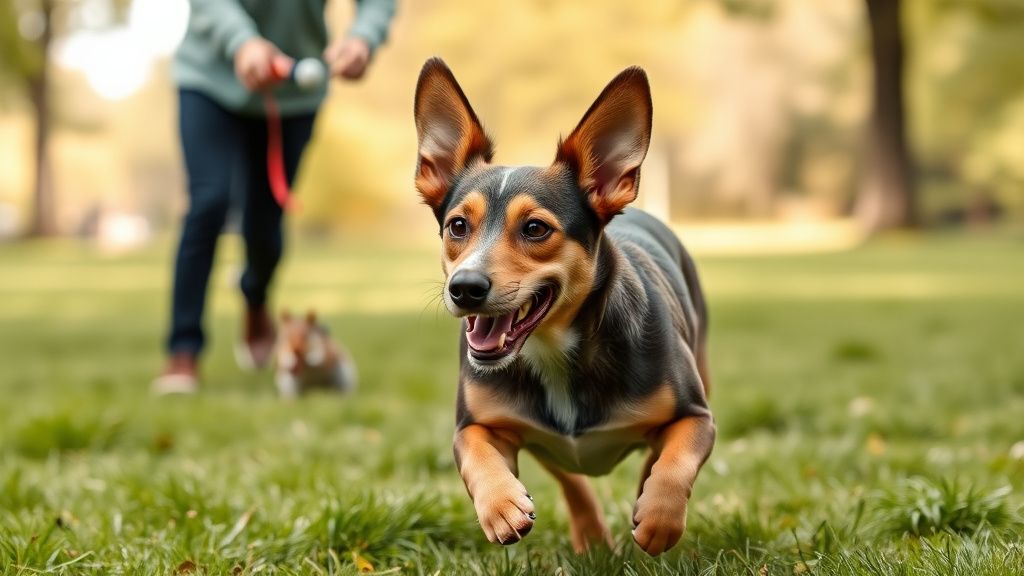
Building a recall that works in the face of bouncing bunnies and flying squirrels isn’t about dominance or loud commands. It’s about becoming the source of the best party in the park. As the American Kennel Club notes, we must teach our dogs that being near us is the most fun thing they can do and will bring them the most rewards. This post will show you how to make that a reality, turning your recall cue into a celebration your dog never wants to miss.
What Makes a Recall Truly "Reliable"?
A reliable recall isn't just your dog coming when the house is quiet and your hand is full of chicken. That’s a good start, but it’s just the kindergarten level. True reliability means your dog chooses to disengage from a powerful distraction and speed back to you because they believe something better is happening with you.
Think about the outdoors from your dog’s perspective. As Whole Dog Journal points out, outside is a whole new ballgame filled with wonderfully enticing things to smell, eat, see, and chase. You are competing with a world designed for canine enjoyment. To win that competition, your recall must have three key components that make it a better offer than anything else.
First, it must be consistently rewarding. Every single successful recall should end with something your dog loves. This could be a piece of a delicious, high value treat from your dog food delivery service, a frantic game of tug, or exuberant praise and pets. The Scottish SPCA advises praising verbally, touching their harness or collar, and then delivering the reward. This consistent positive outcome builds a powerful history.
Second, it must not always signal an end to fun. This is a critical insight from real world trainers. A Reddit user who trained great recall shared their key tactic: at the dog park, they call their dog over, play a little bit, and then let them go. This breaks the association that "come" means leash on and go home. Sometimes, "come" should mean a quick game and a tasty morsel from your stash of best dog treats, then immediate freedom.
Third, it requires progressive proofing. You cannot go from a quiet living room to a busy park and expect success. Trainer Ashley Clark emphasizes picking a short, fun, and unique cue. CattleDog Publishing breaks down the process: start by training your dog to focus on you in non distracting situations, and only then gradually add distractions. If you can’t get their focus in a calm setting, you have no chance against a squirrel.
The Pressure and Release Loop: A Game Changer
One of the most powerful concepts for fixing a broken recall comes from professional trainers. It’s called the pressure and release loop, and it fundamentally reshapes how your dog thinks about finding you.
Here’s how it works, based on the method described by A Peaceful Pack. If your dog ignores your recall cue, you apply a gentle, persistent pressure. This isn’t about yelling or getting angry. It could be a light leash pressure if they are on a long line, or it could simply be you walking toward them in a calm, persistent manner. The key is the pressure stays on until they make the choice to engage with you.
The magic happens in the release. The very second your dog turns their head toward you or takes a step in your direction, you immediately release all pressure. Your body softens, you might take a step back, and you become inviting. Then you reward lavishly when they get to you. This builds a crystal clear habit in your dog’s mind: "I feel pressure, I find my human. I come back, the pressure disappears and good things happen."
This method teaches your dog to problem-solve. Instead of you chasing them (which turns it into a fun game for them), you create a scenario where their own action, orienting to you, makes a mildly uncomfortable situation stop and turn wonderful. It’s respectful, effective, and builds a deep understanding rather than just temporary compliance.
Fun Over Fear: Games That Build a Super Recall
Training should feel like play for both of you. When it’s fun, your dog is all in, and the lessons stick. Forget repetitive drills. These games, inspired by professional trainers, make coming to you the highlight of your dog’s day.
The Ping-Pong Recall Game. This is fantastic for two-person households. Have a person stand at each end of a hallway or yard, each armed with amazing treats or a favorite toy. Take turns calling your dog with your chosen cue. When they rocket to you, celebrate and reward, then have the other person call. This teaches explosive speed and that coming to anyone is a jackpot. It’s a great way to use novel toys from a monthly dog subscription box as the high value reward. Hide and Seek. This game reinforces that finding you is incredibly rewarding. Start easy. Have someone hold your dog while you hide just behind a door. Call them once. When they find you, throw a party with treats and play. Gradually increase the difficulty of your hiding spots. This game strengthens their ability to listen for your cue and seek you out, which is the core of a solid recall. The Runaway Recall. This game taps into your dog’s natural chase instinct. When your dog glances at you (but isn’t intensely distracted), say your cue in a super excited voice and then turn and run away from them. Most dogs will instinctively chase. When they catch up, reward with play or treats. This makes coming to you a dynamic, fun action, not a static "come here" command. The "Look at That" Foundation. Before you can recall *from* a distraction, you need to be able to get their attention *amid* a distraction. Practice this by simply rewarding your dog every time they voluntarily look at you on a walk. See a squirrel in the distance? The moment your dog looks from the squirrel back to you, mark and reward. You’re building the muscle memory that checking in with you pays better than fixating on the distraction.Why Stories Work Better Than Stats (Even in Dog Training)
You might wonder what storytelling has to do with dog training. It turns out, the principle is directly applicable to how we teach and how our dogs learn. Research into human memory consistently shows that information wrapped in a story is far more memorable than dry facts or statistics.
One famous study by Stanford professor Chip Heath found that 63% of people could remember stories, while only 5% could remember a single statistic. Another widely cited idea, from psychologist Jerome Bruner, suggests facts are approximately 22 times more likely to be remembered if they are part of a story. While the exact number has been debated, the core finding is solid: narrative sticks.
How does this translate to your recall training? You are building a story for your dog. Every time you call them, you are writing a chapter. If most chapters end with "and then the fun ended," that’s the boring, predictable story they will remember. But if your chapters are unpredictable adventures, "and then we played tug!", "and then I got a piece of steak!", "and then we ran the other way together!", you are writing an epic tale where the hero (your dog) is constantly rewarded for seeking out the guide (you).
Be the author of an exciting story. Use varied rewards, sometimes a treat, sometimes a toy from a new dog subscription box, sometimes a belly rub. Change the location. Keep the plot moving. This variability and narrative excitement make the behavior of coming to you deeply ingrained, not easily forgotten.
What to Do When It All Falls Apart
Even with the best training, there will be setbacks. Your dog will blow you off. It’s not a failure; it’s data. It means the distraction was too high, your reward wasn’t valuable enough, or you progressed too quickly. Here’s your action plan for those moments.
First, manage the situation to prevent rehearsal of the bad behavior. This is where a long training line (20-30 feet) is indispensable. It gives your dog freedom to explore but provides a safe way to apply the pressure/release loop or gently guide them back without a chase. Never call your dog for something they dislike, like a bath or nail trim, if you can avoid it. You want the cue to have a purely positive history.
Second, do not punish your dog when they finally come, even if it took five minutes. If you scold them, you are punishing the act of returning. The next time they consider coming, they’ll remember it ended badly. Swallow your frustration and reward them for making it back to you. Then, make a training note to lower the difficulty at your next session.
Third, go back to basics. If your dog failed in the park with squirrels, your next session should be in the backyard with mild distractions. Rebuild their success history. Use even higher value rewards, think real meat or cheese, not kibble. Re-establish that you are the most exciting thing around before asking them to choose you over their greatest temptations. For dogs who get overstimulated easily, practicing calm engagement is key; our dog anxiety guide has tips for helping dogs settle in exciting environments.
Final Thoughts
Building a recall that’s more compelling than a squirrel isn’t a weekend project. It’s a commitment to a new relationship with your dog, one where you are the source of joy, surprise, and good things. It requires patience, incredibly tasty treats, and a playful spirit. Remember the core formula: a unique cue, relentless positivity, and the wisdom to often call your dog just for fun before setting them free again.
This training isn’t just about convenience; as experts note, a reliable recall can literally save your dog’s life. It’s the most important behavior you will ever teach. So put the frustration away. Grab a long line, a pocket full of chicken, and a silly attitude. Start writing a story where your dog is the hero who always races back to their favorite person, because that’s where the best adventures always begin.
Find the Perfect Box for Your Dog
Compare top-rated dog subscription boxes and find the best fit for your pup.
Compare Boxes