Budgeting Your Puppy's First-Year Vaccines In 2026

Plan your puppy's first-year vet costs with our 2026 vaccination price guide and budgeting tips.
The total cost for puppy vaccinations in the first year typically ranges from $75 to $400 or more, with individual shots costing between $15 and $100 each. This wide range depends on factors like your location, your vet's fees, and which combination of core and non-core vaccines you choose.
Bringing a new puppy home is one of the most joyful experiences. Those wagging tails, playful pounces, and adorable snores quickly make them part of the family. As a dog care writer who has guided countless new owners, I know the excitement comes with a responsibility to set them up for a long, healthy life. A cornerstone of that care is their vaccination schedule. Understanding the costs involved helps you budget effectively, ensuring your pup gets the essential protection they need without financial surprises. This guide breaks down the 2026 price landscape for puppy shots, using the latest data to help you plan for that critical first year.
What Vaccines Does Your Puppy Need?
Puppy vaccinations are divided into two categories: core and non-core. Core vaccines are considered essential for all dogs, regardless of lifestyle, because they protect against severe, widespread diseases. Non-core vaccines are recommended based on your puppy's specific risk factors, such as their geographic location, whether they'll be boarded or go to dog parks, and your travel plans.
Core Vaccines: The Non-Negotiables
These are the vaccines every puppy should receive. They are often administered in a single combination shot, commonly called the "DHPP" or "DAPP" vaccine, which covers multiple diseases in one dose.
* Distemper: A serious viral disease affecting the respiratory, gastrointestinal, and nervous systems.
* Hepatitis (Adenovirus): Targets the liver, kidneys, and blood vessels.
* Parvovirus ("Parvo"): A highly contagious and often fatal gastrointestinal virus. Protecting puppies from Parvo is a primary reason for the early vaccination series.
* Parainfluenza: A contributor to kennel cough.
* Rabies: A fatal viral disease transmissible to humans. Rabies vaccination is required by law in most areas, usually given around 12-16 weeks of age.
Non-Core Vaccines: The Lifestyle-Based Protections
Your vet will recommend these based on a discussion about your puppy's life. According to research, including all non-core options can push first-year costs toward $250 to $500 or more.
* Bordetella (Kennel Cough): Often required for boarding, daycare, or grooming facilities.
* Leptospirosis: A bacterial disease spread through the urine of wildlife and contaminated water. It's becoming more common and can be transmitted to humans.
* Lyme Disease: Recommended for dogs in areas where ticks carrying the bacteria are prevalent.
* Canine Influenza: Considered if your dog will be in social settings like dog parks or boarding kennels where dog flu outbreaks occur.
How Much Do Puppy Vaccinations Cost in 2026?
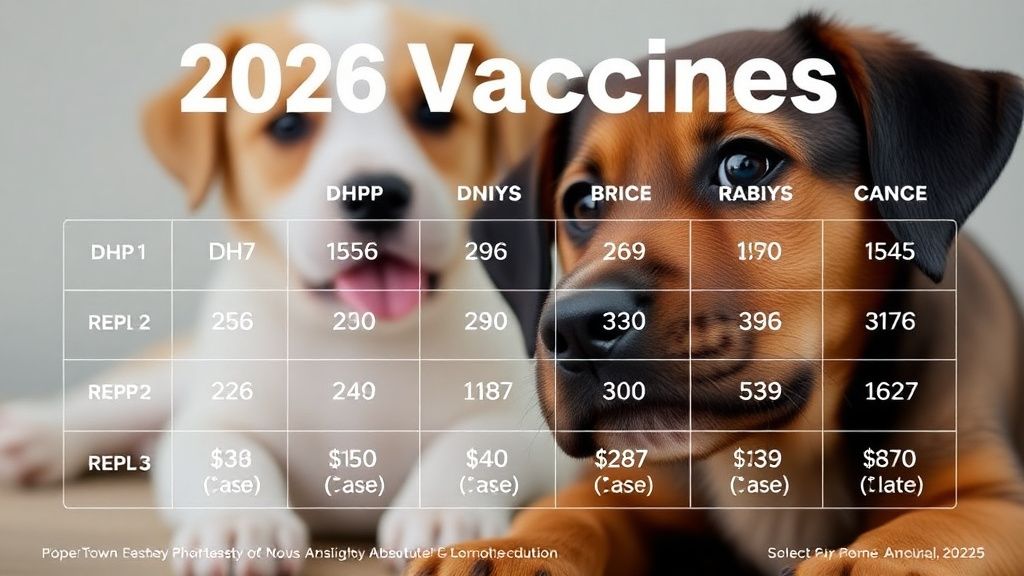
Now for the numbers you're here for. Prices fluctuate based on your veterinarian's practice, the region you live in, and whether you visit a low-cost clinic. The national average cost per vaccine dose is between $27 and $96, but individual shots can range from as low as $15 to over $100.
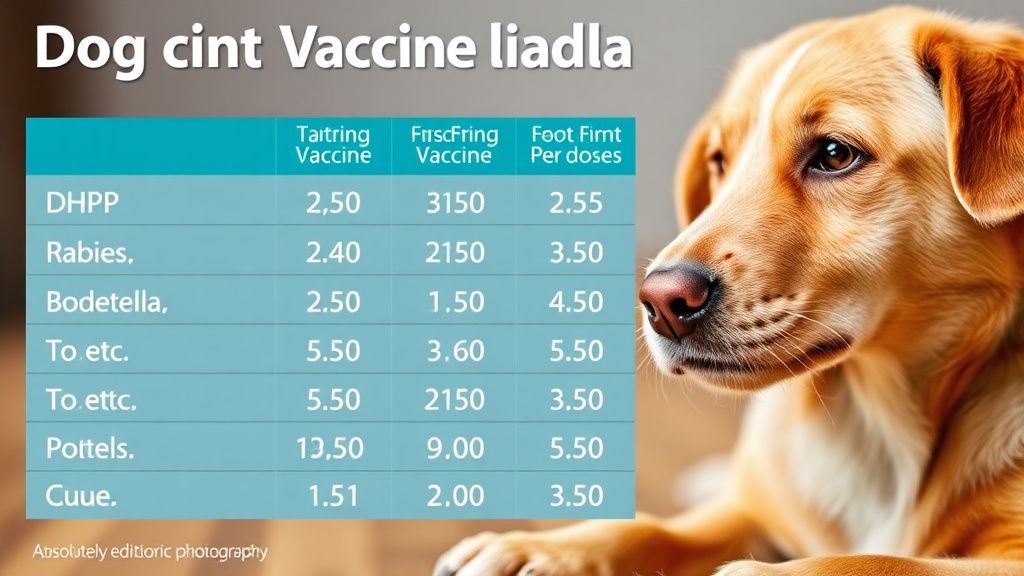
Here is a more detailed breakdown of what you can expect to pay for common puppy vaccinations:
* DHPP/DAPP Combo (Core): $20 - $60 per dose
* Rabies (Core): $15 - $35 per dose
* Bordetella (Non-core): $20 - $50 per dose
* Leptospirosis (Non-core): $20 - $45 per dose
* Lyme (Non-core): $25 - $55 per dose
* Canine Influenza (Non-core): $35 - $65 per dose
Remember, your puppy will need multiple doses of some vaccines. The core DHPP series, for example, is typically given as a set of three to four shots, starting at 6-8 weeks old and finishing around 16-20 weeks old. Rabies is usually a single shot in the first year, followed by boosters every one to three years.
Total First-Year Cost: When you add up all the necessary visits and doses, the total investment for your puppy's first-year vaccinations generally falls between $75 and $400+. If you opt for a full suite of non-core vaccines based on vet advice, your total can easily reach the higher end of that spectrum, potentially exceeding $500.What Factors Influence the Final Cost?
Why such a broad price range? Several key elements determine your final bill.
Your Geographic Location: Veterinary costs, like the cost of living, are higher in metropolitan areas and certain regions of the country. A shot in a major city might cost significantly more than the same shot in a rural town. Type of Veterinary Practice: A full-service private animal hospital often has higher overhead than a mobile clinic or a non-profit vaccination drive. Many communities offer low-cost vaccination events that can provide substantial savings on core vaccines. The Vaccines Themselves: The technology behind the vaccine affects its price. For instance, some vaccines are "modified live" while others are "killed," and newer vaccines may carry a higher price tag. The convenience of a combination vaccine may also cost a bit more than administering separate shots. The Veterinary Exam Fee: This is a crucial point many new owners overlook. Most vets require a wellness exam before administering any vaccines. This office visit fee, which covers the professional assessment of your puppy's health, is separate from the cost of the vaccines themselves and can add $50 to $100 per visit to your total.How Can You Save Money on Puppy Shots?
Providing top quality care for your pup doesn't have to break the bank. With some smart planning, you can manage these essential costs effectively.
1. Adopt from a Shelter or Rescue: This is one of the most significant ways to save. As noted in the research, shelters and rescues typically include the first round of vaccinations and a vet check in the adoption fee. You're giving a dog a home and starting off with some major initial costs covered.
2. Utilize Low-Cost Clinics: Many animal welfare organizations, pet store chains, and community groups host periodic low-cost vaccination clinics. These are excellent for getting core vaccines at a reduced price.
3. Consider Pet Insurance Early: While pet insurance typically does not cover routine wellness care like vaccinations in a standard policy, many companies offer optional wellness add-ons or "rider" packages for an extra monthly fee. Enrolling your puppy early, before any pre-existing conditions develop, can make this a valuable tool for budgeting all their healthcare needs, not just emergencies.
4. Ask About Package Deals: Some veterinary practices offer "puppy wellness packages" that bundle all the initial exams, vaccine doses, deworming, and sometimes even a spay/neuter procedure into one discounted price. It's always worth asking if this is available.
5. Budget Proactively: Set aside a small amount each month specifically for your dog's health care. Knowing that annual boosters for adult dogs average between $35 and $365 per year, as the research shows, helps you plan beyond just the puppy phase.
Remember, investing in preventive care like vaccinations is far less expensive than treating the devastating diseases they protect against. A case of Parvovirus, for example, can lead to hospitalization bills in the thousands of dollars.
What Other First-Year Expenses Should You Budget For?
Vaccinations are a vital part of your puppy's first-year budget, but they're just one piece of the puzzle. To avoid sticker shock, plan for these other essential and enjoyable costs.
Essential Health Care:* Spay/Neuter Surgery: This can range from $200 to $800 depending on your dog's size, location, and the clinic.
* Parasite Prevention: Monthly heartworm, flea, and tick preventatives are a must and add up over the year.
* Microchipping: A one-time cost usually between $40 and $80.
* Basic Supplies: A crate, bed, leash, collar, food and water bowls, and grooming tools are initial outlays.
Ongoing Nutrition & Treats:Feeding your puppy a balanced and complete diet is foundational for their growth. You'll need to budget for high quality puppy food. Many owners find that fresh dog food delivery services or a curated best dog subscription boxes for toys and treats can simplify life and ensure consistency. These services turn ongoing expenses into predictable monthly costs, which helps with budgeting overall.
Training & Socialization:Puppy kindergarten or basic obedience classes are invaluable investments. They build a well-behaved dog and strengthen your bond. Factor in the cost of classes, as well as tasty training treats.
Emergency Fund:This is perhaps the most important financial step. Puppies are curious and can get into trouble. Start an emergency savings fund specifically for unexpected vet visits, whether it's for swallowing a sock or a minor injury.
Final Thoughts
Navigating your puppy's first year of health care is a journey filled with learning and love. While the vaccination price tag can seem daunting at first glance, seeing it as a proactive investment in your dog's future makes all the difference. The $75 to $400+ you might spend on shots this year pales in comparison to the cost and heartache of battling a preventable disease.
My advice is to build a strong partnership with your veterinarian from the start. Have an open conversation during your first visit about the recommended vaccine protocol for your specific pup and the associated costs. They can help you prioritize based on risk and create a schedule that fits your budget. By planning ahead, exploring options like low-cost clinics, and focusing on the incredible value of prevention, you can ensure your furry family member gets the healthiest possible start. That peace of mind is truly priceless. For more guidance on raising a happy, healthy pup, explore our other resources on topics like choosing the right puppy food and essential training tips for new owners.
Recommended Products



Find the Perfect Box for Your Dog
Compare top-rated dog subscription boxes and find the best fit for your pup.
Compare Boxes