Two Weeks To Calmer Canine Brushing
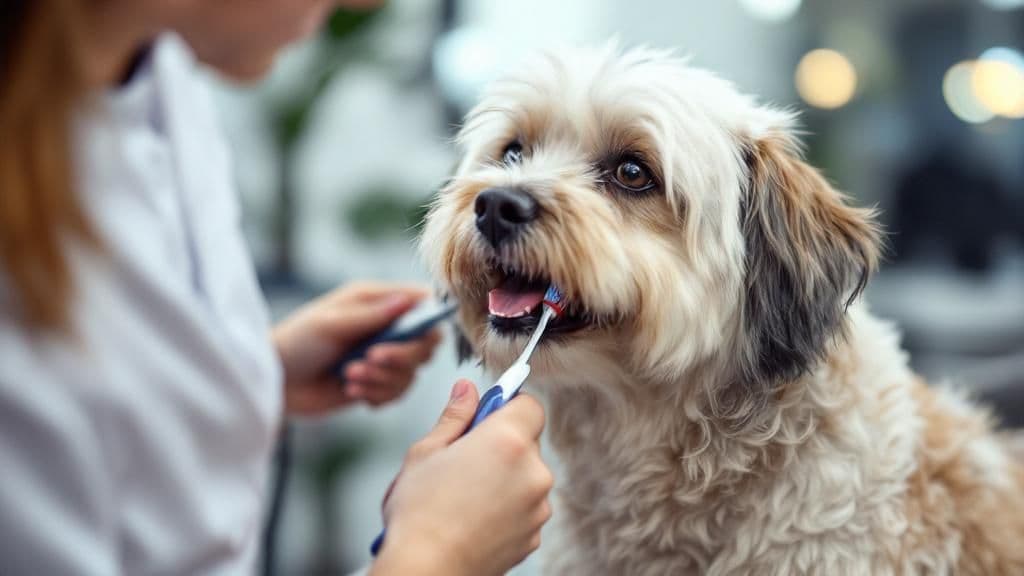
Help your scared pup accept toothbrushing with this gradual, fear free two-week training plan.
A 2-week toothbrush desensitization plan for dogs who fear brushing uses gradual, positive steps. The first week focuses on your dog tolerating mouth handling, and the second week introduces the toothbrush itself without brushing. By pairing every tiny step with high value treats and patience, you build a positive association, turning a scary task into a manageable routine.
Does the sight of a toothbrush send your dog diving under the coffee table? You are absolutely not alone. Many dogs view dental care with the same enthusiasm we reserve for a trip to the DMV. The strange object, the invasion of personal space, the weird minty smell, it can all be overwhelming. I have seen this many times with readers who write in, feeling guilty that they cannot manage this basic part of care. The good news is that with a smart, gentle approach, you can change your dog’s entire perspective. This is not about forcing compliance. It is about building trust and creating a positive experience, one tiny step at a time. The secret lies in a method championed by veterinary behaviorists: desensitization and counterconditioning. You break the process down into microscopic steps and pair each one with something wonderful, like a special treat. Forget the idea of a full brushing session right away. Our goal is simply to make the toothbrush a neutral, or even happy, part of your dog’s world. Let us build a plan that works for your dental phobic friend.
Why Is Brushing So Important If My Dog Hates It?
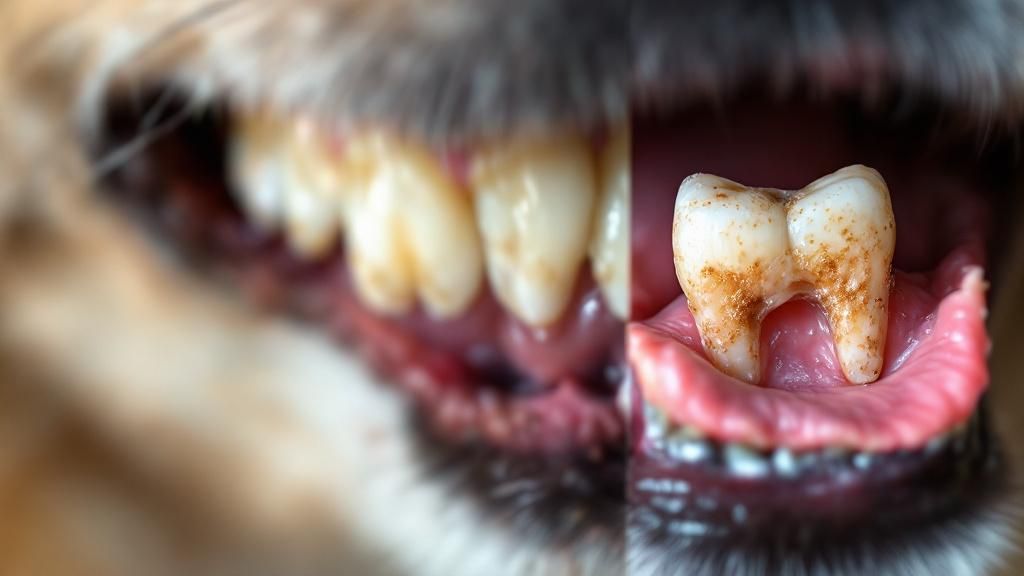
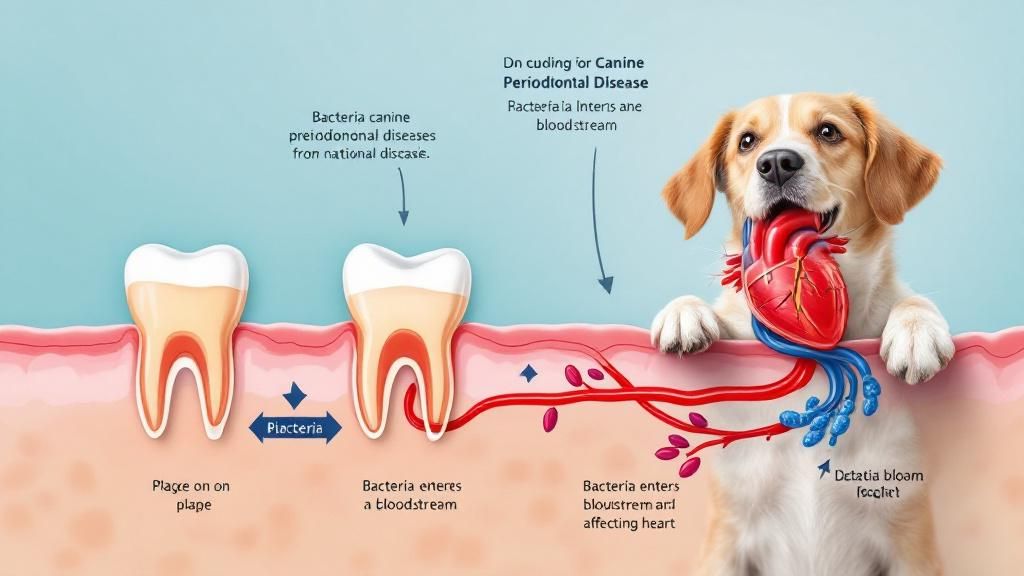
We all want what is best for our dogs. We invest in top quality food, fun toys from our favorite dog best dog subscription boxes, and plenty of exercise. Oral health, however, often gets pushed to the bottom of the list when our dog puts up a fight. It feels easier to just give a dental chew and hope for the best. The problem is that hope is not a strategy for health. Periodontal disease is the most common clinical condition in adult dogs. It starts silently with plaque, a sticky film of bacteria. If not removed within about 24 to 48 hours, it hardens into tartar, which acts like a barnacle on the tooth. This leads to inflamed gums, bad breath, pain, and eventually tooth loss. Worse, the bacteria can enter the bloodstream and damage the heart, liver, and kidneys. This is why organizations like the AKC stress that regular brushing is the single most effective thing you can do at home to prevent these issues. Dental wipes, gels, and sprays can help reduce bacteria, as noted in our research, but they are not a complete substitute. The physical motion of a brush is crucial for disrupting plaque. Think of it this way: you would not just rinse your mouth with mouthwash and call it good. Your dog deserves the same level of care. Starting a desensitization plan is an act of preventative medicine that can add healthy years to your dog’s life and save you from costly veterinary dental procedures down the line.
What Is the 2-Week Desensitization Plan?
This plan is your roadmap, based directly on the phased approach outlined by veterinary experts. It moves at your dog’s pace. If your dog seems nervous or shuts down at any step, you simply go back to the previous step for a few more days. There is no race. The timeline of "Week 1" and "Week 2" is a framework, not a rigid schedule. For some dogs, a "week" might be three days. For others, it might be ten. Your dog’s comfort is the only metric that matters.
Week 1: Building Trust with Mouth Handling
The goal this week is simple: your dog learns that having their mouth touched leads to amazing things. The toothbrush is not even in the picture yet.
Step 1: Touch = Treat. Start in a calm, quiet room. Have a bowl of incredibly high value treats ready. These should be something your dog goes wild for, like small pieces of boiled chicken, cheese, or a special wet food. Sit with your dog and gently touch their muzzle. The instant your finger makes contact, say "yes!" and give a treat. Then remove your hand. Repeat this 5-10 times per session, doing a few sessions a day. You are not trying to hold their muzzle or open their mouth. You are just building a link: finger on face equals chicken. Step 2: Lifting the Lip. Once your dog is happy and anticipating treats when you reach for their face, try gently lifting their upper lip to expose just the front teeth or canine tooth. Do not pry their mouth open. Just lift the lip for one second, say "yes!", treat, and release. Practice this on different sides of the mouth. If they pull away, you moved too fast. Go back to just touching the muzzle. Step 3: Introducing Taste. After a few days of successful lip lifts, you can introduce the taste of dog toothpaste. Put a tiny smear of the toothpaste (always use a pet specific formula) on your finger. Let your dog lick it off. Then, another day, smear a tiny bit on your finger and rub it gently on the front teeth as you lift the lip. Treat immediately. The paste becomes part of the reward.Week 2: Introducing the Toothbrush as a Friend
Now we bring in the "scary" object, but we will not use it to brush. We want to make it boring and benign.
Step 1: The Toothbrush Tour. As suggested by the AKC article, stop hiding the brush. Leave it out in plain sight. Place it near their food bowl, next to their bed, by their toys. Let them sniff it on their own terms without any pressure. You can even put a tiny dab of toothpaste on it and let them lick it off like a lollipop. Step 2: Touch with the Brush. With your high value treats ready, hold the toothbrush in one hand. Gently touch your dog’s muzzle with the *handle* of the brush, not the bristles. Touch, "yes!", treat. Repeat. Once they are comfortable, try touching the outside of their lips with the handle, then the bristle side. The goal is just contact. Step 3: The Brush in the Mouth. This is the big step for week two. Put a tasty smear of toothpaste on the brush. Let your dog lick it. Then, gently lift their lip and place the brush’s bristles *against* a tooth, maybe just a canine or incisor. Do not scrub. Just hold it there for one second. "Yes!" and give a jackpot of treats. You are not brushing. You are just proving that the brush can be in their mouth and the world does not end. Practice this on different teeth over several sessions.What If My Dog Still Panics at the Brush?
Even with the best plan, some dogs have a deeper anxiety. That is okay. The principles of desensitization still apply, but you may need to get more creative or use alternative tools for a while.
Go Slower. Your steps might need to be even smaller. Maybe "touching the muzzle with the brush handle" needs to be broken down into: 1) holding the brush 3 feet away, treat, 2) holding the brush 2 feet away, treat, 3) holding the brush 1 foot away, treat. Move the brush closer over sessions only when your dog remains relaxed. Switch Your Tools. A finger toothbrush, as mentioned in the K9 Basics article, can be a fantastic intermediate step. It is less intimidating than a long handle brush and gives you more tactile control. For some dogs, textured dental wipes, like earthbath® Tooth & Gum Wipes, are the absolute maximum they will tolerate. As one article states, if your dog won't accept a brush, keeping up with a wipe routine is far better than doing nothing. The physical removal of plaque still happens. Enlist Professional Help. Never underestimate the value of your veterinarian’s advice. If you hit a wall, schedule a consult. They can watch your technique, suggest new strategies, and recommend helpful products like dental gels or sprays that can maintain hygiene while you continue your training. They can also rule out any underlying pain that might be causing the aversion.How Do I Turn This into a Lifelong Happy Habit?
You have made it through the two week plan. Your dog now tolerates the brush in their mouth. Now we build duration and coverage, always keeping it positive.
From Seconds to Minutes. Follow the timeline from our research: after the initial desensitization, aim for 30 second brushing sessions. Focus on the outside surfaces of the teeth, especially the upper molars where plaque builds up fastest. Gradually work up to a full two minute routine. Always end on a good note, even if you only brush a few teeth one night. Follow it with a play session or a special dental treat. Make It a Ritual. Tie brushing to another pleasant daily event. Maybe it always happens right after their evening walk, or just before they get their favorite puzzle toy. Consistency helps dogs feel secure. Keep It Rewarding. Never stop pairing brushing with good things. You can phase out treats for every single second, but always give a fantastic reward at the end, a bit of their favorite wet food from that dog food delivery service, a game of tug, or a cuddle session. The goal is for your dog to think, "Okay, that was a bit weird, but then I get the good chicken!" Incorporate Supporting Products. Brushing is the gold standard, but a full oral care routine can include other products. Offer approved dental chews, use a water additive, or consider a dental gel on days when brushing feels like too much. These are supplements, not replacements, but they help in the overall fight against plaque.Final Thoughts
Helping a dog overcome a fear of tooth brushing is one of the most patient and rewarding journeys you can take as a pet parent. It is not about winning a battle of wills. It is about communication, trust, and understanding that your dog’s fear is real. By investing these two weeks (or more) in systematic desensitization, you are doing more than just caring for their teeth. You are strengthening your bond and teaching your dog that you will listen to their concerns. You are also taking monumental steps to protect their overall health and comfort. I have heard from so many readers who started this process feeling frustrated and ended up feeling incredibly proud of both themselves and their dogs. Start small, celebrate every tiny victory, and remember that a few seconds of positive brushing is infinitely more valuable than a two minute struggle. Your dog’s brighter smile and fresher breath will be a testament to your love and dedication.
Find the Perfect Box for Your Dog
Compare top-rated dog subscription boxes and find the best fit for your pup.
Compare Boxes