Master Leave It and Drop It Commands

Master "Leave It" and "Drop It" to protect your dog from danger. These essential commands can prevent emergencies.
The "leave it" and "drop it" commands are two of the most important safety skills you can teach your dog, preventing them from ingesting dangerous items like chicken bones, toxic plants, or sharp objects. Start with low-value items in a calm environment, reward heavily for compliance, and gradually increase distractions over weeks of consistent practice.
You're dog walking calculator your dog on a relaxing neighborhood stroll when suddenly they lunge toward the curb, nose aimed at a discarded chicken wing glistening with grease. Your heart skips a beat. Or perhaps, during a fun game of fetch, your beloved retriever proudly parades a long-dead frog in their mouth, refusing to relinquish their "prize." These moments are more than just inconvenient; they're potential emergencies. As a dog care writer who has spoken with countless trainers and owners, I know that two simple verbal cues can be the difference between a scary vet visit and a safely resolved situation: "Leave It" and "Drop It." These are not just party tricks but foundational safety commands that build trust and protect your dog from countless hidden dangers. This guide will walk you through the force free, positive reinforcement methods recommended by professional trainers to master these essential skills.
The Critical Difference Between "Leave It" and "Drop It"
Before we start training, it's crucial to understand that these are two distinct commands for two different scenarios. Using them correctly sets your dog up for success and prevents confusion.
"Leave It" is a preemptive command. You use it *before* your dog picks up or interacts with an object. It means, "Don't touch that, don't lick that, don't even think about putting your mouth on that." You're asking your dog to avoid something entirely. As experts at Purina point out, you should use "Leave It" before your dog moves toward the object. Think of it as a forcefield you can create with your voice. "Drop It" is a reactive command. You use it *after* your dog already has something in their mouth. It means, "Open your mouth and let that fall out right now." This is for those moments when your dog has already acquired something they shouldn't have.Confusing the two can undermine your training. Yelling "Leave It!" when your dog already has a sock in their mouth sends a mixed message. They've already taken it, so the cue doesn't match the action. Knowing which command to use in the moment is your first step toward clarity and safety.
Mastering "Leave It": Building Impulse Control from the Ground Up
The goal of "Leave It" is to teach your dog self control and to automatically disengage from tempting items. The method described by Whole Dog Journal is an excellent, clear starting point that I've recommended to many readers.
Step by Step Foundation

Start in a quiet, low distraction room with your dog on a leash. You'll need some mid value treats (something they like but don't go crazy for) and some truly fantastic, high value treats. The high value treats should be saved for rewards only.
1. The First Look: Hold a mid value treat in your closed fist. Let your dog sniff, lick, and paw at your hand. They will eventually give up, even for a second. The *moment* they pull their nose away from your fist, say "Yes!" or click a clicker, open your hand, and give them a different high value treat from your other hand. Do not give them the treat from the fist they were just investigating. This teaches them that leaving the item in your fist leads to something better.
2. Adding the Cue: Once your dog is reliably pulling their nose away from your closed fist, you can add the verbal cue. Right as you present your closed fist, say cheerfully, "Leave It!" (Remember, it's a cue, not a stern command). When they ignore the fist, mark with "Yes!" and reward with the better treat from your other hand.
3. Increasing Difficulty: Place the treat on the floor and immediately cover it with your foot. Say "Leave It." The moment your dog looks away from your foot or looks up at you, mark and reward from your hand. Gradually, you can place the treat on the floor without your foot, then on a low chair, practicing at greater distances and with more tempting items.
Taking "Leave It" to the Real World
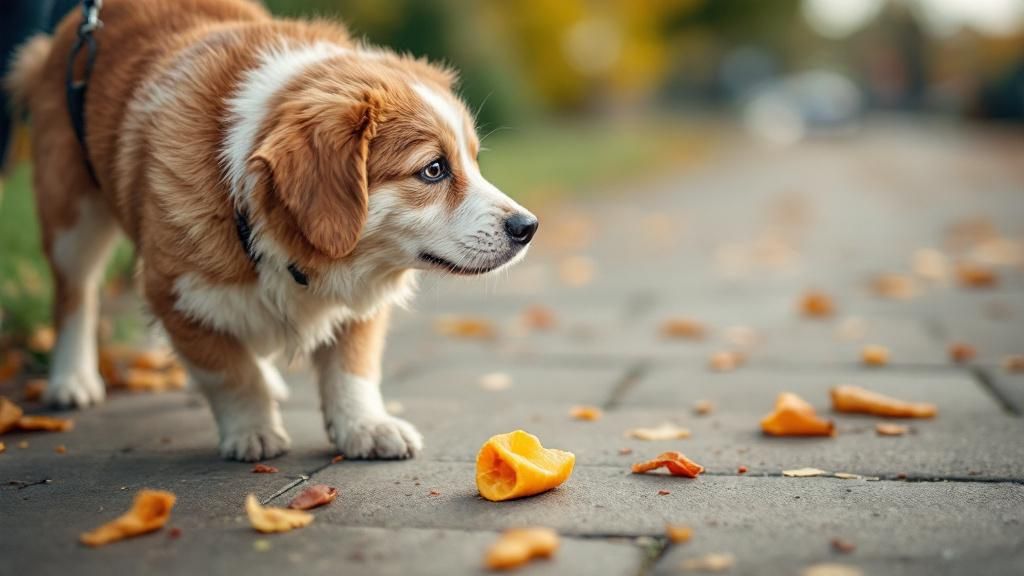
Practice makes permanent. The key is to build up the challenge very slowly.
* Practice on walks: Use things you see on the ground as training opportunities before your dog gets to them. See a crumpled napkin ahead? Say "Leave It" while they are still at a distance, then reward heavily when they obey.
* Use it at home: Practice with items that fall during mealtime, with their own toys, or with a new toy from a dog best dog subscription boxes before they're allowed to play with it. A Reddit user shared how their dog became so proficient that "he doesn't even go for things that drop he just looks at me." That's the ultimate goal a built in safety reflex.
* Make it a game: Scatter some treats or kibble on the floor and use "Leave It" as you walk by, rewarding from your hand for compliance.
Teaching "Drop It" Without a Tug-of-War
The "Drop It" command can feel more urgent, as it often involves getting something potentially dangerous out of your dog's mouth. The goal is to make letting go a positive, rewarding behavior, not a conflict. Canine Campus Dog Daycare emphasizes building trust to prevent accidents and make playtime safer.
The Trade-Up Game
This method is effective because it works with your dog's natural desires, not against them.
1. Start with Toys: Begin during a calm play session with a toy your dog likes but isn't obsessed with. While they are holding the toy, show them a much more desirable item. This could be a piece of chicken, a squeeze cheese tube, or an irresistible treat from your favorite dog food delivery service. The key is that the item in your hand must be more valuable than the item in their mouth.
2. The Swap: As soon as your dog sees the high value treat and opens their mouth to take it, say your cue word: "Drop It." The toy will fall out. Immediately give them the treat and lavish them with praise. After a few seconds, you can give the toy back to restart the game. This teaches them that "Drop It" doesn't mean the fun ends; it often leads to something tasty and then more fun.
3. Phasing Out the Immediate Trade: Once your dog is reliably dropping the toy for the treat, start to delay the reward by half a second, then a second. You can also start using lower value toys and eventually practice with items they pick up on their own. Always reward the drop, even if it's just with praise and a pat, to keep the behavior strong.
What to Do If Your Dog Guards Items
Resource guarding adds a layer of complexity. As noted by PetExpertise, teaching "Drop It" properly is also how to prevent a dog from aggressively guarding their chewies from you. If your dog growls, stiffens, or snaps when you approach something they have, do not proceed with this training alone. This is a serious behavioral issue that requires the guidance of a certified professional force free trainer to address safely and effectively.
Troubleshooting Common Training Challenges
Even with the best methods, you might hit a snag. Here are some common issues and how to overcome them based on expert advice.
My dog won't take their nose off my fist during "Leave It."Be patient. Wait them out. Any movement away from your fist, even a slight head turn, is an opportunity to mark and reward. You might need to use a lower value treat in your fist to make the exercise easier at first.
My dog drops the toy but then immediately grabs it again.This is normal! The timing of your reward is critical. Get the treat to their mouth the instant they let go. You can also practice with a leash on so you can gently step on the toy after they drop it, giving you time to deliver the reward before they re grab it.
The commands work at home but not outside.This is the most common challenge. You've trained in a low distraction environment (your living room), and now you're asking them to perform in a high distraction environment (the park). You must go back to easier steps in that new environment. Practice "Leave It" with a boring piece of kibble on your driveway before expecting them to leave a fast food wrapper on a busy sidewalk. Build the difficulty back up gradually in each new setting.
I panic and yell the wrong command.It's a natural reaction, but it sets back your training. If you yell "Leave It" when you mean "Drop It," take a breath. Get your high value treat and ask for the correct behavior. Consistency is what builds a reliable response, so do your best to use the right cue every time.
Integrating Commands into Daily Life for Lasting Safety
Training shouldn't just be a 10 minute session. Weave these commands into your daily routine to make them second nature for both you and your dog.
* During mealtime: Practice "Leave It" with their own food bowl before you give the release cue to eat.
* At the door: Use "Leave It" with the door handle or your shoes to prevent bolting.
* During play: Regularly practice "Drop It" during tug or fetch, always rewarding the release and often returning the toy. This turns it into a fun part of the game.
* With new deliveries: When a new box arrives, whether it's your monthly dog subscription box or a regular package, use it as a training prop. Ask for a "Leave It" before they investigate.
* In the kitchen: Use "Leave It" for any food that drops, creating a powerful safety net against harmful foods like chocolate or grapes.
The more you practice in calm, low pressure situations, the more likely your dog will be to listen during a genuine emergency.
Final Thoughts
Teaching "Leave It" and "Drop It" is one of the greatest investments you can make in your dog's long term wellbeing and your own peace of mind. It transforms potential crises into manageable moments. Remember, the foundation of this training, as emphasized by Canine High School, is force free positive reinforcement. This builds a safer and more trusting relationship with your pup, where they see you not as someone who takes things away, but as someone who provides even better things. Start small, be patient, celebrate every small success, and consistently integrate these cues into your life. The day you see your dog automatically pause and look at you after something drops on the floor, you'll know you've given them a lifesaving skill and strengthened your bond immeasurably.
Recommended Products


Find the Perfect Box for Your Dog
Compare top-rated dog subscription boxes and find the best fit for your pup.
Compare Boxes