Pet Safe Spring Plant Alternatives

Keep pets safe this spring by swapping risky tulips and daffodils for non-toxic blooms like roses and snapdragons.
Tulips and daffodils are toxic to dogs, causing symptoms like vomiting, diarrhea, and drooling, with bulbs being the most poisonous part. Safe, vibrant alternatives for your spring garden include snapdragons, sunflowers, zinnias, and pansies, which provide beautiful color without the risk to your pet.
Spring is a season of renewal, and for many of us, that means getting our hands dirty in the garden. There's nothing quite like the sight of vibrant tulips and cheerful daffodils pushing through the soil, signaling warmer days ahead. As a dog owner, I share that excitement, but I also feel a familiar tug of caution. My own garden is a shared space, a playground for my dog, and I've learned the hard way that what's beautiful to us can be dangerously tempting to them. The reality is that some of our most beloved spring blooms harbor hidden dangers for our furry family members. This spring, you don't have to choose between a stunning garden and a safe pet. With a little knowledge and planning, you can cultivate a space that flourishes for both of you.
The Hidden Dangers in Your Garden: Tulips, Daffodils & Hyacinths
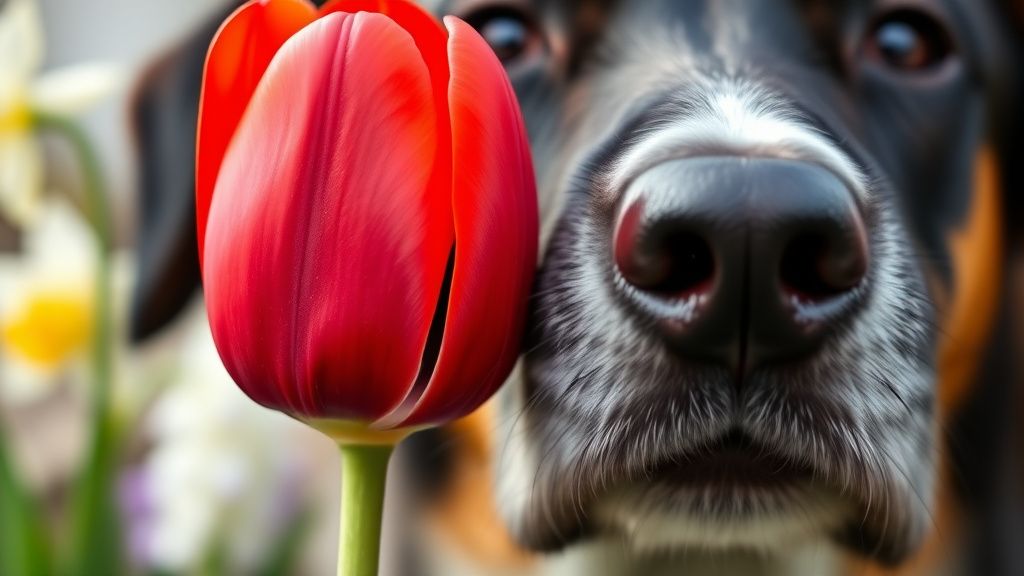
Let's talk about the specific plants that require our attention. The research is unanimous: tulips, daffodils, and hyacinths are considered toxic to most animals, including dogs, cats, and horses. Their popularity makes this fact particularly important for pet owners to know.
Tulips, those iconic cup shaped flowers, contain compounds called Tulipalin A and B. These toxins are present throughout the plant, but are found in the highest concentration in the bulb. If your curious pup digs one up and decides it's a new chew toy, the results can be unpleasant. Ingestion can lead to gastrointestinal upset, including vomiting, diarrhea, and excessive drooling. In more severe cases, especially if a large bulb is swallowed, it can pose a risk of intestinal blockage. The ASPCA specifically notes that while the flowers and leaves can cause stomach problems, the bulb is harder to digest and presents a greater obstruction hazard. Daffodils (including narcissus and jonquils) present a similar, yet potentially more severe, threat. Every part of the daffodil is poisonous, but again, the bulb is the most toxic part where the toxins are most concentrated. The danger isn't just from direct chewing. The Blue Cross warns that dogs can even become ill from drinking water out of a vase that has held cut daffodils. Symptoms mirror those of tulip poisoning, upset stomach, vomiting, diarrhea, but can also include lethargy and tremors. Hyacinths, with their intoxicating fragrance and clustered blooms, also contain toxic alkaloids. Like their spring bulb cousins, the highest concentration is in the bulb. Chewing on hyacinth bulbs, leaves, or flowers can cause intense vomiting, diarrhea, and sometimes even depression in dogs.
The common thread here is the bulb. As one source plainly states, the highest concentration of toxins in these plants is typically in the plant's bulb. This makes the planting and sprouting season especially risky, as curious noses might find those buried treasures before they bloom.
Recognizing the Signs of Poisoning
You know your dog better than anyone. A shift in their normal behavior is often the first clue that something is wrong. If you suspect your dog has ingested any part of a toxic spring bulb plant, time is of the essence. Do not wait for symptoms to appear before seeking help.
The most common signs to watch for include:
* Gastrointestinal distress: Vomiting, diarrhea, drooling, or loss of appetite.
* Lethargy: Unusual tiredness or weakness.
* Abdominal pain: Your dog may seem uncomfortable, hunch their back, or whine when touched.
* Incoordination: Stumbling or seeming dizzy.
If you see your dog eat a bulb or flower, or if they display any of these symptoms and you have these plants in your environment, contact your veterinarian or an animal poison control center immediately. Have as much information ready as possible: what plant was ingested, how much, and when. Prompt action is crucial.
Creating a Safe & Stunning Spring Garden: Pet Friendly Alternatives
The good news is that you can have a breathtaking spring garden without these risks. By choosing proven safe plants, you can relax and enjoy the season alongside your dog. Here are some wonderful, non toxic alternatives that will bring just as much color and joy to your outdoor space.
* Snapdragons: These charming flowers offer a delightful vertical element and come in a rainbow of colors. Their unique "dragon jaw" blossoms are fun for everyone, and they're completely safe for pets.
* Sunflowers: Is there any flower that embodies joy more than a sunflower? These towering beauties are safe for dogs and can create a stunning backdrop in any garden. You can even find shorter varieties for smaller spaces.
* Zinnias: For a long lasting, low maintenance burst of color, zinnias are a top choice. They bloom profusely throughout the summer, are excellent for cutting, and pose no threat to your pet.
* Pansies & Violas: These friendly faced flowers are perfect for early spring containers and borders. They're cold hardy, come in endless color combinations, and are a perfectly safe choice for pet friendly gardens.
* Roses: Classic, beautiful, and (assuming you avoid the thorns!) safe for dogs. Modern shrub roses can provide continuous blooms with minimal fuss.
* Marigolds: Their bright gold, orange, and red hues can help deter some pests from your garden, and they're a safe addition for your pup.
Think of designing your garden like curating a dog subscription box. You want a variety of engaging, safe, and delightful items. Mix tall sunflowers with mid height zinnias and trailing pansies in pots for a dynamic and safe display. This approach ensures your garden is stimulating for you and hazard free for your four legged explorer.
Beyond Bulbs: Other Spring Plants to Be Mindful Of
While tulips, daffodils, and hyacinths are the headline offenders, a few other common spring plants deserve a mention to ensure your garden is fully safe.
* Lilies: This is a critical category, especially for households with cats. While most lilies cause primarily gastrointestinal upset in dogs, many varieties are severely toxic to cats. Ingesting even a small amount, including pollen groomed off their fur, can lead to acute kidney failure and be fatal. Because of the extreme risk to cats, many pet owners choose to avoid lilies altogether.
* Crocus: There are two types to distinguish. The spring blooming crocus (Crocus sp.) may cause mild vomiting and diarrhea. However, the fall blooming crocus (Colchicum Autumnale) is far more dangerous, potentially causing severe vomiting, liver and kidney damage, and bone marrow damage. It's best to know exactly which type you have.
* Irises: These elegant flowers, along with their rhizomes (bulb like structures), are considered toxic and can cause vomiting, diarrhea, and drooling if ingested by pets.
My personal rule of thumb is simple: when in doubt, leave it out. The peace of mind that comes from a fully safe environment is worth far more than any single plant. If you receive a bouquet containing these flowers, simply keep them well out of reach in a room your pet cannot access.
Proactive Protection: Tips for a Pet-Safe Yard
Knowing which plants are safe is the first step. Implementing a few practical strategies will help you create a truly secure environment.
1. Audit Your Existing Garden. Take a slow walk through your yard and identify any existing toxic plants. If removal isn't practical, consider fencing off that specific garden bed with decorative, pet safe fencing.
2. Secure Bulbs During Planting. When you are planting new bulbs, do so when your dog is indoors or otherwise occupied. Firmly tamp down the soil afterward and consider placing a layer of chicken wire just under the soil surface or over the bed to deter digging.
3. Provide Safe Distractions. A bored dog is more likely to get into mischief. Ensure they have their own engaging toys and activities. Just as you might provide a puzzle feeder with their freeze dried dog food, create interest in the yard with a sandbox for digging or a designated chew toy area.
4. Train the "Leave It" Command. This is one of the most valuable commands any dog can learn. Consistent training can stop them from picking up a dangerous bulb or flower before it becomes an emergency. Use high value best dog treats as rewards for obeying.
5. Supervise Outdoor Time. Especially in a new garden or during the spring bulb season, keep an eye on your dog while they are outside. Supervision is the single most effective way to prevent an accident.
Final Thoughts
Cultivating a garden that is both beautiful and safe for your dog is one of the most rewarding projects a pet parent can undertake. It transforms your outdoor space into a true sanctuary for the whole family. By swapping out toxic tulips and daffodils for vibrant, pet friendly alternatives like snapdragons, sunflowers, and pansies, you make a proactive choice for your pet's wellbeing. This spring, let your garden be a source of joy, not worry. For more tips on creating a pet friendly home, explore our guide on seasonal hazards for curious pups. Here's to a blooming, beautiful, and safe season ahead for you and your best friend.
Recommended Products



Find the Perfect Box for Your Dog
Compare top-rated dog subscription boxes and find the best fit for your pup.
Compare Boxes