Master Cafe Calm With Dog Mat Training
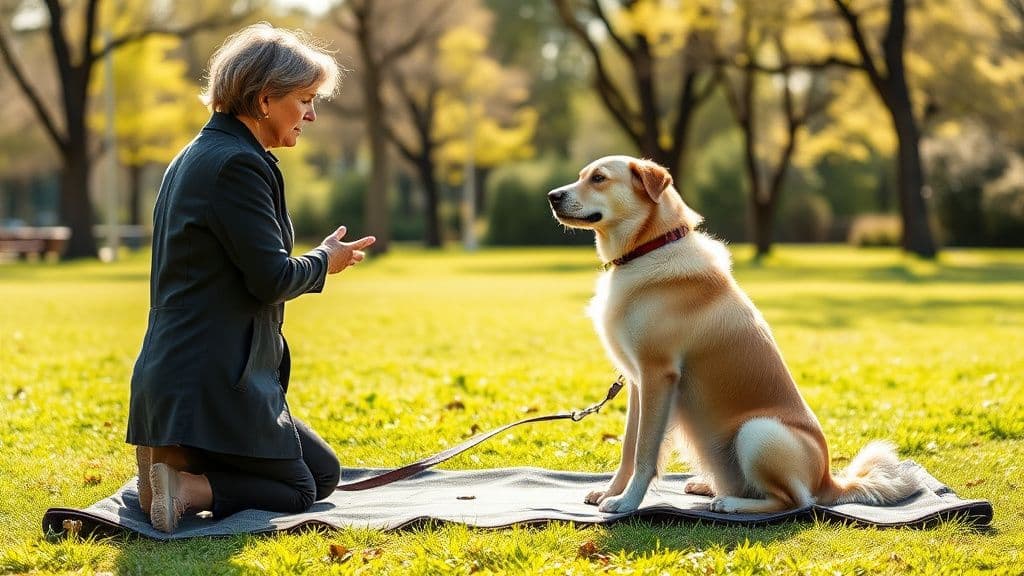
Teach your dog to settle on a mat for peaceful cafe visits.
Teaching your dog to "settle" on a mat involves using a specific mat or bed as a portable cue for calmness. You start training in a quiet space, rewarding your dog for calm behavior on the mat, then gradually increase duration, add a verbal cue like "settle," and practice in different environments. This skill is essential for enjoying calm visits to dog friendly cafes.
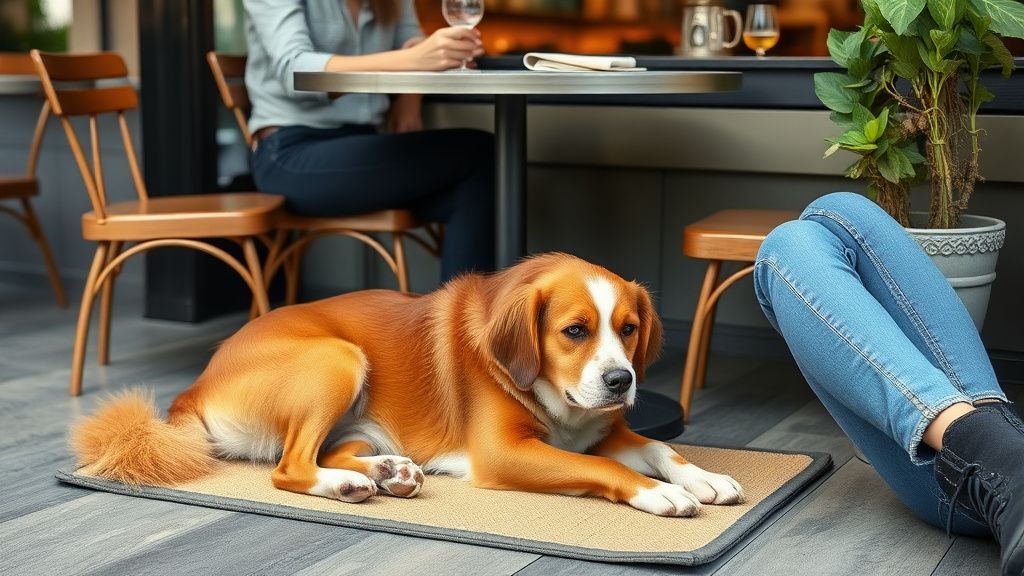
Picture this: you're sitting at a sunny outdoor cafe, sipping your coffee, with your dog lounging peacefully on a mat beside you. They're calm, relaxed, and not pulling towards other patrons or barking at passing dogs. This isn't just a dream for well behaved pups; it's a achievable skill that can transform your outings. For many dogs, especially in exciting new places, calmness is not their default setting. Excitement can lead to unwanted behaviors like barking, jumping, and simply not listening to you. That's where the power of a "settle" or "place" cue comes in. By teaching your dog to relax on a dedicated mat, you give them a crystal clear, portable safe space. This mat becomes a signal for calm, helping your dog stay focused whether you're in your living room or a noisy beer garden. It's more than a trick; it's a foundational behavior that promotes emotional control and safety, turning your dog into a calm companion for life's adventures.
What Is a "Settle" Mat and Why Is It a Game Changer for Cafes?
A settle mat isn't just any blanket or towel. It's a specific, consistent item you choose a dog bed, a rug, a towel that you use exclusively for this training. The mat itself becomes the cue. When you place it on the ground, it signals to your dog, "This is your spot for relaxation." As experts note, teaching dogs to go to a specific spot is a great way to keep them out from underfoot and safe. But the benefits go far beyond simple placement.

For anxious or reactive dogs, having a consistent, familiar surface helps lower stress levels. It provides a predictable safe zone in unpredictable environments. In a dog friendly cafe, the challenges are numerous: novel smells, food scraps, other dogs, bustling people. The mat cuts through that chaos. It gives your dog a job to do "stay here and be calm" and a physical boundary. This focused relaxation is especially useful in cafes, pubs, or on public transport. It transforms the overwhelming experience into a manageable one.
The ultimate goal is portability. With your Magic Mat, you can take your dog out to cafes, a friend's house, or anywhere in public and confidently know that they will lay down, chill and even fall asleep. It's the key to expanding your dog's world while maintaining peace and good manners.
How Do You Start Training the Settle Behavior?
The foundation of settle training is built in quiet, familiar surroundings. It's hard for your dog to learn how to settle when there are distractions, so it's best to begin practicing somewhere quiet, like your living room. Choose a time when your dog is already a bit tired, perhaps after a walk or play session. This exercise should be calm and collected, practice at a time when your dog is already tired, encouraging calm behaviour from your dog. A well exercised dog is more likely to succeed, so give her time to calm down before you do a Settle/Relax training session.
Start with these simple steps:
1. Introduce the Mat: Place the mat on the floor in a quiet area. Let your dog investigate it. Any natural interaction like stepping on it or sniffing it should be rewarded. Quietly drop some treats onto the mat when they step onto it. The goal is to build a strong positive association: mat = good things.
2. Shape the Position: Once your dog is comfortable going to the mat, wait for them to offer a calm behavior like a sit or a down. When your dog steps onto the mat and sits or lays down on the mat while staying calm and not actively soliciting treats, quietly drop some treats onto the mat. The key is rewarding calmness, not excitement. If they pop up quickly after getting the treat, just wait. Reward only when they are in a relaxed position.
3. Increase Duration: Begin to delay the treat delivery. Wait a few seconds, then five, then ten, while your dog remains in a down position on the mat. Continue to drop treats quietly onto the mat beside them. This teaches them that staying calmly on the mat pays off over time.
4. Add the Verbal Cue: Once your dog reliably goes to the mat and lies down, you can add a verbal cue like "settle" or "place" just before they perform the action. Say "settle," then place the mat down or guide them to it. Soon, the word itself will prompt the behavior.
Remember to go at your dog's pace. If they move away from the mat or break their down position, go back to an easier step. The process should be pressure free and positive, using high value treats from your favorite dog food delivery service or a subscription like best dog subscription boxes to keep motivation high.
How Do You Build Up to Real World Cafe Scenarios?
Training in your living room is step one, but the real test is the cafe patio. To bridge that gap, you need to systematically increase the challenge. Training should focus on both the behavioral response (sit, down, walk, stay on your mat) as well as the emotional state (calm, relaxed). You must build the emotional state first in easier settings.
First, vary your home environment. Practice with the mat in different rooms, with the TV on, or while you're cooking dinner. Teach your dog to settle on different surfaces, like on the mat/bed, the floor or on grass. This gets them used to the idea that the "settle" cue applies everywhere the mat goes. Next, take it to low distraction outdoor areas. Your backyard, a quiet corner of a local park, or even your driveway are perfect intermediate steps. The goal here is duration amid mild distractions like birds or distant sounds. Keep sessions short and rewarding. Finally, simulate the cafe experience before you go. You can practice at home while simulating a cafe scenario:* Have a family member sit at a table nearby with a cup.
* Practice with you sitting in a chair and your dog on the mat beside you.
* Drop treats calmly at random intervals to reinforce the settled position.
When you're ready for the real outing, choose a cafe that's not overly crowded for your first attempt. Bring the mat, your dog's favorite quiet treats, and plan for a short visit maybe just 10 minutes. Set up the mat, give your "settle" cue, and reward lavishly for any calm behavior. If your dog struggles, don't push it. Just pack up, leave, and try again another day after more practice in a less challenging location. The key is to slowly add distractions only after your dog is proficient at focusing and relaxing on cue in the absence of the stimuli that evoke anxiety or arousal.
What Are Common Challenges and How Do You Solve Them?
Even with perfect training, you might hit some roadblocks. Here are common issues and solutions based on expert advice.
My dog won't stay on the mat. This is usually a sign that the duration or distraction level is too high. Go back to a easier environment. Also, ensure you are rewarding sufficiently. Use a treat they truly love, perhaps a soft morsel from a freeze dried dog food pouch, delivered quietly to the mat without fuss. My dog is too excited to even start. This underscores the need for a calm beginning. Always start training when your dog is already in a lower energy state. A good walk or play session first, followed by a cooldown period, is essential. You cannot teach a settled state to a dog in a highly aroused state. My dog settles at home but not at the cafe. This is the most common challenge and it means you skipped some steps in your proofing process. You likely moved to the cafe environment too quickly. Build a stronger foundation by practicing in more intermediate locations first, like a quiet park bench or a friend's less busy backyard. Increase the duration and distraction level gradually. My dog seems anxious on the mat in new places. For anxious dogs, the mat should be a safe place that they associate with positive things treats, toys, or undisturbed rest. In stressful settings, up the reward frequency and value. Let the mat be a island of predictable goodness. If anxiety persists, the environment may be too overwhelming for now, and you should consult a professional trainer. The mat is a tool, not a cure for severe anxiety.How Can You Use the Settle Mat for Overall Calm Training?
The settle mat skill is incredibly versatile. Once mastered, it becomes a tool you can use in countless situations beyond cafes. It's a command you could use to achieve a focused response when the dog is overly excited or anxious such as when greeting family members, strangers or other animals.
Think about these daily applications:
* At the Vet: The vet's lobby can be stressful. Bringing your mat gives your dog a familiar job and place to focus, reducing their anxiety and making the visit smoother for everyone.
* During Meals or Chores at Home: It's especially important for them to do this when you're busy at home with guests, making dinner or cleaning. The mat keeps them safely out of the way and practicing calmness.
* Visiting Friends: Not all friends' homes are dog proof. The mat gives your dog a defined, acceptable place to be, preventing them from wandering onto furniture or into off limit areas.
* Travel: In a hotel room or rental, the mat establishes a clean, familiar spot for your dog to rest, protecting carpets and furniture.
Incorporating settle practice into your daily routine reinforces that calm behavior is a valued and rewarded part of life. It complements other training and helps manage your dog's overall emotional state. For more on building a calm foundation, check out our guide on creating a relaxing home environment for your dog.
Final Thoughts
Teaching your dog to settle on a mat is one of the most rewarding skills you can invest in. It opens up a world of shared experiences, from peaceful cafe mornings to relaxed visits with friends. The process itself is a bonding exercise, built on patience, positive reinforcement, and clear communication. Remember, the mat is more than a physical object; it's a communication tool. It tells your dog, "Here, you can be safe and calm." I've seen this transform dogs from frantic, unpredictable companions into confident, relaxed partners.
Start simple, build slowly, and celebrate the small victories. The first time your dog voluntarily lies down on their mat in a new place is a moment worth savoring. Keep your training sessions short, positive, and focused on the emotional state of relaxation you're after. With consistency, that mat will become your dog's passport to a calmer, more enjoyable life alongside you. So grab a mat, some high value treats, and start building that foundation of calm today. Your next cafe date with your best friend is waiting.
Recommended Products



Find the Perfect Box for Your Dog
Compare top-rated dog subscription boxes and find the best fit for your pup.
Compare Boxes