Redefine Your Dog's Alone Time Positively
Transform alone time into positive independence with 2026's science-backed canine mindset shifts.
The most effective long term solution for separation anxiety is to permanently change your dog's perception of what being alone means, one second at a time. This involves a gradual, systematic training process that builds positive associations with your departure cues and teaches your dog to tolerate solitude. Avoiding leaving your dog alone during the initial retraining phase, often by using doggy daycare or a pet sitter, is a critical first step recommended by experts.
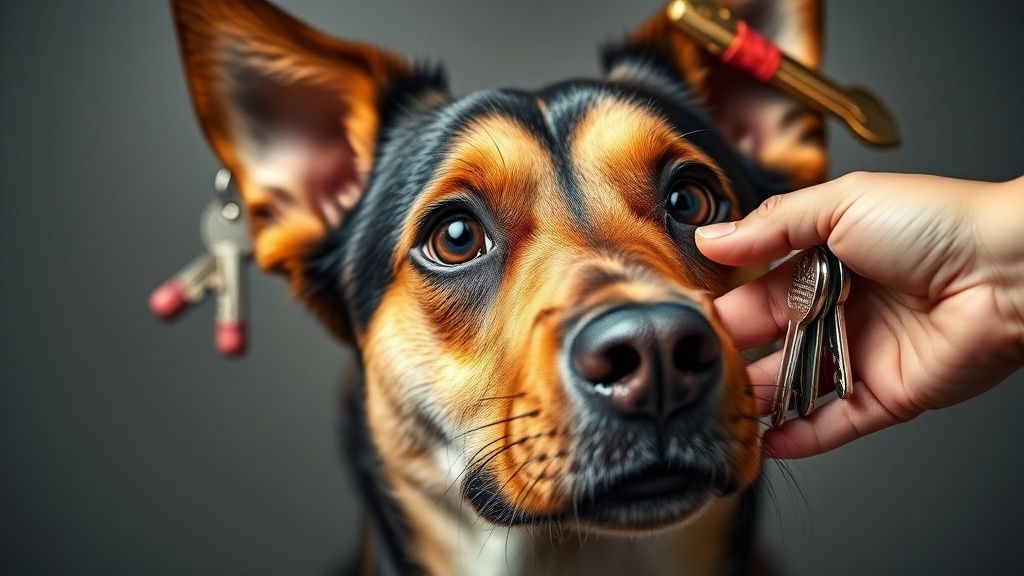
If your dog panics the moment you pick up your keys, destroys the door frame when you leave, or is simply a sad, panting mess when alone, you are not alone. Separation anxiety is one of the most common behavior issues pet parents face. It's heartbreaking to see your best friend in such distress, and it can make even a quick grocery run feel like a guilt ridden ordeal. The old advice of "just let them cry it out" is not only cruel, it's ineffective and can make the anxiety much worse. The goal isn't to force your dog to endure misery, but to fundamentally shift how they feel about your comings and goings. I have seen firsthand how a structured, compassionate approach can transform a terrified dog into a confident, relaxed companion who sees alone time as a chance to unwind. Based on the latest insights from experts like Malena DeMartini and leading animal welfare organizations, the path forward in 2026 is clearer and more data driven than ever.
What Exactly is Separation Anxiety?
It is crucial to distinguish separation anxiety from general boredom or a lack of training. A bored dog might chew a shoe they find interesting, but a dog with separation anxiety is in a state of panic. Their behavior is a manifestation of extreme distress at being separated from their person or people. According to the AKC and VCA Animal Hospitals, this anxiety often leads to behaviors like destructive chewing focused on exit points like doors and windows, persistent howling or barking, frantic attempts to escape, pacing, drooling, and even indoor elimination in a house trained dog.
Research highlighted in veterinary journals shows a key difference. Dogs without separation related problems are typically passive and inactive when alone. Their initial anxiety as puppies tends to decrease quickly after adoption. In stark contrast, dogs with true separation anxiety remain engaged in these distressed, undesirable behaviors for the duration of their isolation. They are not making a choice to be "bad," they are experiencing a flood of stress hormones and fear. Understanding this emotional root cause is the first step toward a solution that addresses the feeling, not just the symptom.
The Foundation: Managing the Environment While You Train
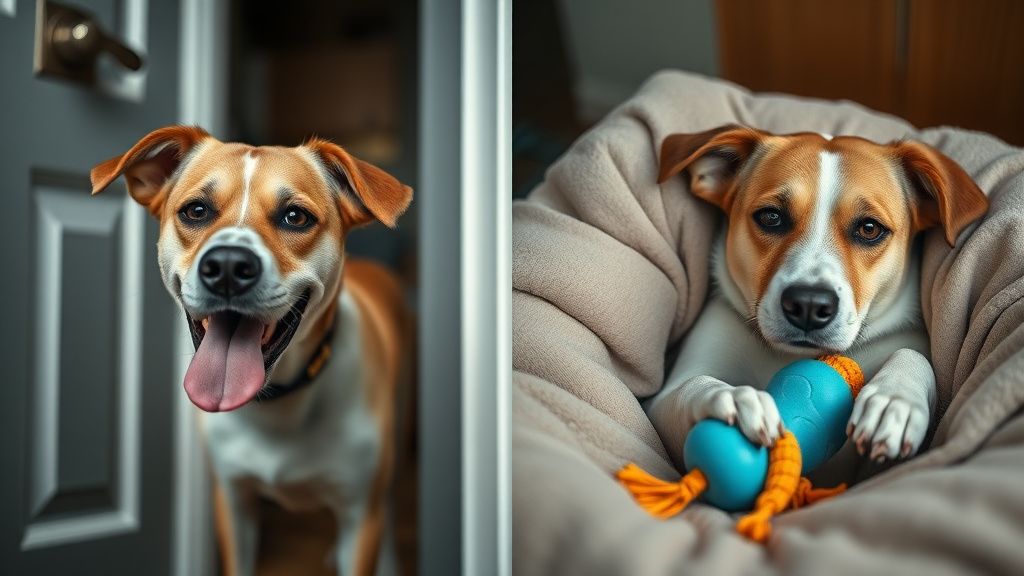
Before you can start changing your dog's mind, you need to stop practicing the panic. This is a non negotiable rule from separation anxiety experts. Every time your dog is left alone and reaches a state of full anxiety, it reinforces their fear and makes the neural pathway stronger. Think of it like practicing a bad habit. The more they do it, the better they get at panicking.
So, what do you do? You get creative. As Today's Veterinary Practice advises, make arrangements to avoid leaving your dog home alone during the initial training period. This might mean:
* Taking your dog to work with you.
* Utilizing a trusted doggy daycare.
* Hiring a pet sitter or dog walker for mid day breaks.
* Leaving your dog with a neighbor, friend, or family member.
This management phase is not a failure or a permanent crutch. It is a strategic pause that prevents rehearsing the anxiety and gives you the calm space needed to implement a training plan. I often recommend a reliable dog subscription box service during this time. Having a monthly delivery of novel, engaging toys provides fresh mental stimulation that you can use in your training sessions without extra trips to the store.
The Training Process: Rewriting the "Alone" Script
The core mission, as PetMD succinctly puts it, is to "permanently change their perception of what being alone means, one second at a time." This is done through systematic desensitization and counter conditioning. You are slowly exposing your dog to your departure cues at a level so low it doesn't trigger anxiety, and pairing those cues with something wonderful.
Start by Deconstructing Your "Leaving Ceremony"The SPCA of Wake County makes a brilliant point about our routines. We all have a "Leaving the House Ceremony," composed of maybe 25 tiny, predictable steps: putting on shoes, jingling keys, putting on a coat, checking your phone, walking to the door. Your dog has learned this sequence predicts a long, scary absence. Your job is to break the predictive power of each step.
Spend a week "fake leaving." Do parts of your routine, but then don't leave. Pick up your keys and walk to the kitchen to make a snack. Put on your shoes and then sit on the couch to watch TV. The goal is to make each individual cue mean absolutely nothing. As the pattern is upset, each step contributes less to your dog's pre alone time anxiety buildup.
Build Duration One Second at a TimeThis is where patience is paramount. You are not working in minutes or hours, but in seconds.
1. Ask your dog to go to their bed or crate. The crate can be a powerful tool if used correctly. The AKC suggests teaching them to associate it with wonderful things like chew toys and food releasing puzzle toys so they are happy to spend time inside.
2. Take one step toward the door. Immediately return and give a treat or calm praise. Do not wait for any sign of anxiety.
3. Repeat, gradually increasing the difficulty: two steps, touching the doorknob, opening the door an inch, stepping halfway out, stepping fully out and closing the door for one second.
4. Always return before your dog shows anxiety. If they do become stressed, you have moved too far, too fast. Go back to the last step they were comfortable with.
Pair every single step with a phenomenal reward. This is where high value best dog treats or a stuffed food puzzle become essential. The treat isn't a bribe, it's a conscious effort to create a new association: "Owner moving toward the door predicts chicken, not doom."
Incorporate Technology and EnrichmentDog training in 2026 is embracing technology that gives us a window into our dog's internal state. As noted in industry insights, new devices can monitor heart rate, body temperature, and activity levels. This data can help you objectively identify your dog's stress baseline and see if they are truly relaxed during your training sessions, not just quiet.
Furthermore, alone time should be synonymous with enrichment. A food puzzle filled with a bit of their fresh dog food or a long lasting chew can make the initial period of solitude positively enjoyable. The activity itself helps lower stress. Rotate these special "alone time only" toys to keep them novel and exciting.
Prevention and Special Considerations
Starting with PuppiesVCA Animal Hospitals points out that separation anxiety might be prevented by ensuring puppies have scheduled times where they learn to spend time alone in their own crates or beds. This is not about isolation, but about building independence in small, positive doses while you are home. Give your puppy a stuffed Kong in their crate in a different room for 10 minutes while you cook dinner. These small practices build resilience.
Breed PredispositionsWhile any dog can develop separation anxiety, some breeds are more predisposed due to their deep bonds with people and historical roles. A 2026 report listed breeds like the loving Labrador Retriever among those most likely to suffer. This does not mean getting one of these breeds is a mistake. It means prospective owners should be brutally honest with themselves, as the article suggests, about whether their lifestyle requires regularly leaving a dog alone for hours. Choosing a breed that matches your life is a profound act of prevention. If you have a breed prone to velcro tendencies, being proactive with independence training from day one is even more vital.
When to Seek Professional Help
This process can be complex, and there is no shame in needing guidance. If your dog's anxiety is severe, if you are not seeing progress, or if the management logistics are overwhelming, seek out a certified professional. Look for a trainer or veterinary behaviorist who specializes in separation anxiety and uses force free, fear free methods. They can provide a customized plan and support. In some cases, your veterinarian may also discuss the potential role of anxiety medication. Medication is not a substitute for training, but for some dogs, it can be a tool that lowers their overall anxiety enough for the behavioral training to finally take hold.
Final Thoughts
Addressing separation anxiety is a journey of patience, empathy, and consistency. It requires us to see the world through our dog's eyes and understand that their distress is real and overwhelming. The solution isn't found in a single magic product, but in the daily, incremental work of rebuilding their confidence. By managing their environment to prevent panic, deconstructing our own routines, and building positive associations one tiny step at a time, we can truly change their emotional reality. The reward is immense: a peaceful home, a less stressed dog, and the freedom to leave knowing your friend is safe, relaxed, and maybe even enjoying a well earned nap with their favorite puzzle toy. For more on building a confident, well adjusted dog, explore our guide on building confidence in shy dogs. Remember, you are not just teaching your dog to be alone, you are teaching them that they are safe, always.
Recommended Products



Find the Perfect Box for Your Dog
Compare top-rated dog subscription boxes and find the best fit for your pup.
Compare Boxes