Cytopoint Cost and Effectiveness in 2026

Discover how Cytopoint's 2026 pricing and proven relief make it a top choice for managing your dog's allergies.
The cost of Cytopoint injections for dog allergies in 2026 ranges from $350 to $2,600 per year, depending on your dog's weight and how often they need a dose. A single injection typically provides relief from itching for 4 to 8 weeks, and studies show around 80% of dogs achieve significant improvement.
Seeing your dog constantly scratch, lick, and chew is heartbreaking. You've tried the special shampoos, maybe switched to a fresh dog food diet, and have a cupboard full of supplements, but the relentless itching persists. If you're nodding along, you're not alone. Allergies in dogs are incredibly common, and finding a solution that works without a long list of side effects can feel like a never ending quest. One option that has changed the game for many pet parents is Cytopoint, a targeted injection designed to stop the itch at its source. But with any medical treatment, questions about cost, effectiveness, and safety naturally arise. Let's break down what Cytopoint is, what you can expect to pay in 2026, and how to decide if it's the right path for your itchy pup.
What Exactly Is Cytopoint?
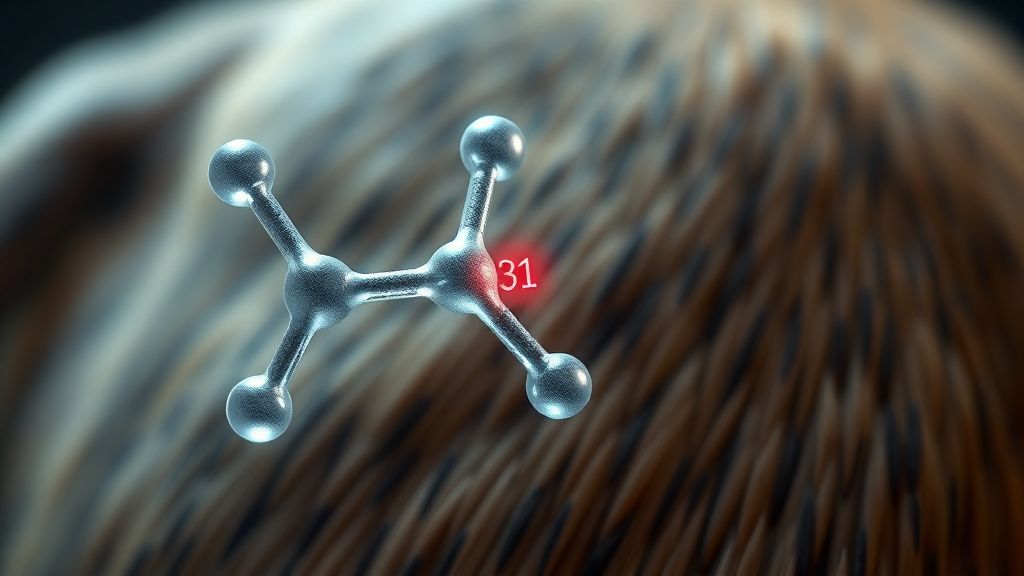
Cytopoint isn't a steroid or a traditional antihistamine. It's a biologic therapy, specifically a monoclonal antibody injection approved for use in dogs. Think of it as a very smart, targeted missile. Its mission is to seek out and neutralize a specific protein called interleukin 31 (IL 31), which is a key signal that triggers the feeling of itch in your dog's brain.
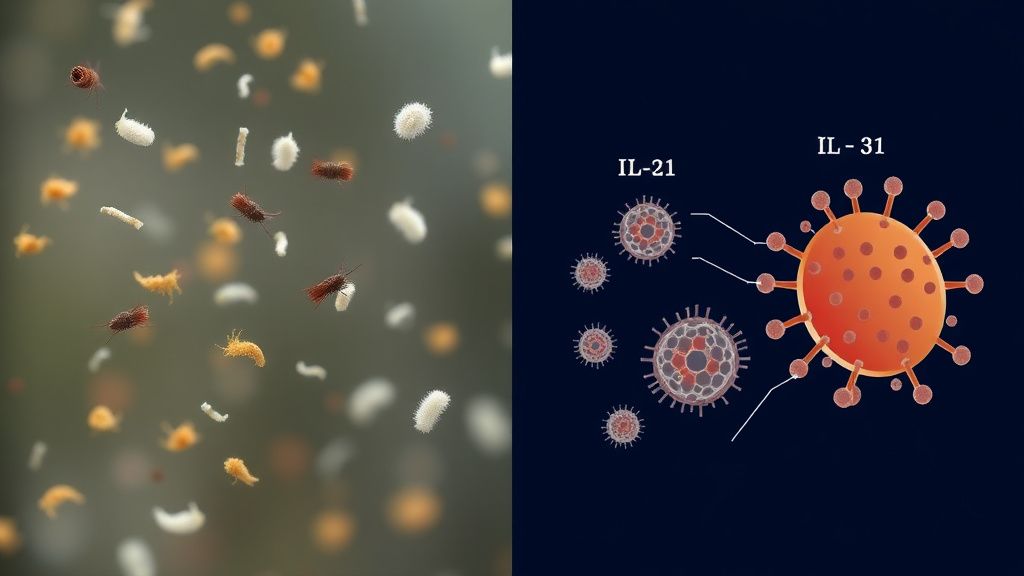
When your dog encounters an allergen like pollen, dust, or mold, their immune system can overreact, releasing IL 31. This protein binds to receptors on nerve cells, sending a powerful "ITCH NOW" signal throughout their body. Cytopoint works by binding to IL 31 before it can reach those nerve receptors, effectively blocking the itch signal. It's like putting a cap on the itch messenger. This makes it the first and only monoclonal antibody injection USDA approved for relieving itching caused by atopic dermatitis and allergic dermatitis in dogs.
Because it's so targeted, it doesn't broadly suppress the immune system like steroids can. It's administered as a simple injection under the skin (subcutaneous) by your veterinarian, and it starts working quickly. Many owners report seeing a reduction in their dog's scratching within 24 hours.
How Effective Is Cytopoint for Dog Allergies?
The promise of fast relief is compelling, but does it hold up? According to the research, for most dogs, the answer is a resounding yes. Studies have shown that approximately 80% of patients achieve a significant, measurable improvement in itching as reported by their owners.
The effectiveness is often visible in a matter of days. Your dog might suddenly stop chewing their paws, sleep more peacefully, or just seem more relaxed. I've spoken with owners who say the change was dramatic, turning their miserable, red skinned dog back into their playful, comfortable best friend.
However, it's crucial to have realistic expectations. Cytopoint is a treatment for the *symptom* of itch, not a cure for the underlying allergy itself. It manages the discomfort brilliantly so your dog can heal and you can work on other aspects of their care, like identifying allergens or supporting their skin health through diet and supplements.
A few important points on its effectiveness:
* Duration Varies: A single injection is designed to last from 4 to 8 weeks. Your vet will schedule a follow up between 4 and 8 weeks after the first dose to see how your dog is doing and plan the next injection. Some dogs with seasonal allergies may only need shots during their problem months, while others with year round issues require ongoing treatment.
* Potential for Diminished Response: Keep in mind that Cytopoint could lose effectiveness over time for some dogs, even if it initially helps. This doesn't happen to everyone, but it's a possibility your veterinarian will monitor.
* Not for Every Case: Veterinarians often suggest Cytopoint for dogs with allergies that experience bothersome itchiness but don't have extreme, widespread skin infections. For severe cases, a combination of therapies might be necessary.
What Does Cytopoint Cost in 2026?
Budgeting for your dog's health is a key part of responsible pet ownership. The cost of Cytopoint isn't a single flat fee. It's calculated based on your dog's weight, as the dosage is 2 mg per kilogram of body weight. A larger dog will require a larger, more expensive dose.
Based on current projections for 2026, the annual cost for Cytopoint injections ranges from $350 to $2,600. To put this in perspective, other long term allergy treatments like immunotherapy (allergy shots tailored to your dog's specific allergens) can cost between $1,000 and $4,000 per year.
Here’s how the annual cost can break down:
* Small Dog (e.g., 10 lbs): Likely on the lower end of the range, potentially needing fewer injections per year if their relief lasts 8 weeks.
* Large Dog (e.g., 80 lbs): Will be on the higher end due to the larger dose volume required each time.
Remember, the frequency of injections directly impacts your yearly total. A dog needing an injection every 4 weeks will have double the annual cost of a dog who gets relief for a full 8 weeks from each dose. The initial consultation and any follow up exams are also separate costs to factor in.
While this is an investment, many find the price worthwhile for the quality of life improvement. It also helps to compare it to the cumulative cost of constant vet visits for skin infections, medications, and specialized dog food delivery plans you might have tried without full success.
Are There Side Effects or Safety Concerns?
One of Cytopoint's biggest selling points is its safety profile. It is generally considered very well tolerated by most dogs. Because it's not processed by the liver or kidneys and is so targeted in its action, the risk of systemic side effects is low, especially when compared to long term steroid use.
Reported side effects are minimal and can include:
* Mild lethargy or tiredness for a day or two after the injection.
* Occasional vomiting or diarrhea.
* Injection site reactions (like mild soreness or redness).
However, it's only fair to present a balanced view. Some voices in the holistic pet care community urge caution. They point out that interleukin 31, the protein Cytopoint blocks, is part of a complex immune system network. The long term consequences of continuously interrupting this specific immune signal are not fully known, as the treatment is still relatively new in the grand scheme. Critics argue that while it effectively masks the symptom, it doesn't address the root cause of the immune system dysregulation.
This is why an open conversation with your veterinarian is non negotiable. Discuss your dog's full health history. For many dogs, especially those suffering greatly, the benefit of immediate, profound relief from itching far outweighs the potential unknown risks. This relief can prevent self trauma, secondary infections, and immense stress, which itself is harmful. Managing this stress is so important, and you can find more general tips in our dog anxiety guide.
Practical Advice: Is Cytopoint Right for Your Dog?
Deciding on a treatment plan is personal. Here’s a practical way to think it through.
First, have a detailed talk with your vet. Bring notes on your dog's itching patterns, diet, and what you've tried. A clear diagnosis of atopic or allergic dermatitis is the first step. Cytopoint is a prescription medication, so you'll need this veterinary partnership.
Consider it if:
* Your dog's itching is significantly impacting their (and your) quality of life.
* You've tried other management strategies with limited success.
* You need a option that doesn't involve daily pills or messy topical treatments.
* Your dog cannot tolerate steroids or other medications due to side effects.
Think about combining it with other approaches for a whole dog strategy. Cytopoint can be an excellent core treatment that allows other supportive measures to work better.
* Diet & Supplements: While Cytopoint handles the itch, support your dog's skin barrier from the inside out. Omega 3 fatty acids are crucial. You might explore high quality fish oils or even a dog subscription box that curates health and wellness products.
* Skin Care: Regular bathing with a gentle, soothing shampoo can wash allergens away and support skin health.
* Environmental Control: Use air purifiers, wash bedding frequently, and wipe your dog's paws and coat after outdoor adventures.
Monitor your dog closely after the first injection. Note how quickly the itch subsides and how long the relief lasts. This information is gold for your vet in planning the next dose. Also, budget realistically. Look into pet insurance options that cover allergy treatments or see if your vet offers a wellness plan that includes Cytopoint.
Final Thoughts
Navigating your dog's allergies is a journey, and Cytopoint has proven to be a powerful tool for countless dogs and their families. Its effectiveness in stopping the relentless itch cycle is backed by solid data, with most dogs experiencing major relief. The 2026 cost, while variable, often represents good value when weighed against the alternative of chronic discomfort, recurrent infections, and the cost of less effective treatments.
The best approach is almost always a multi faceted one. Cytopoint can be the cornerstone that provides immediate peace, allowing you the space to investigate root causes, improve your dog's diet with best dog treats and nutritious food, and enhance their overall skin health. Have an honest, detailed discussion with your veterinarian, weigh the pros and cons for your individual dog, and make the choice that brings your best friend the most comfort and joy. After all, a life free from constant itching is a gift we all want for our loyal companions.
Find the Perfect Box for Your Dog
Compare top-rated dog subscription boxes and find the best fit for your pup.
Compare Boxes