Essential Senior Dog Care After Age Seven
Keep your senior pup thriving with essential care tips tailored for dogs age seven and up.
Dogs typically become seniors between 7 and 10 years of age, with larger breeds aging sooner. At this life stage, they require biannual veterinary checkups to catch health issues early, a tailored diet to manage weight and joint health, and adjusted exercise routines. Proactive, gentle care focusing on comfort and early detection is key to ensuring their golden years are happy and healthy.

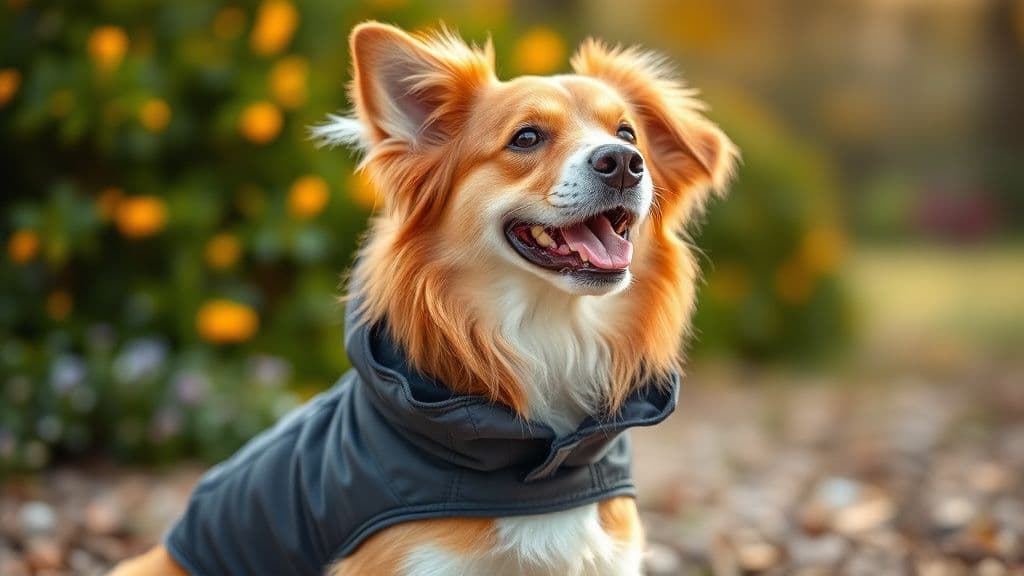
Your loyal companion's muzzle is growing a little more gray, and their morning zoomies might have settled into a dignified stroll. Welcome to the golden years, a special time that requires a thoughtful shift in how we care for our dogs. Most dogs enter their senior stage between 7 and 10 years of age, but this varies significantly. Smaller breeds, with their longer lifespans, might not be considered seniors until 9, while larger breeds like Great Danes can reach this stage as early as 5 to 7 years. If you're curious about where your specific dog falls, using a tool like our senior dog age chart can offer personalized insight based on breed and weight. This isn't about slowing down, but about smartening up. With a proactive plan, you can help your dog enjoy comfort, vitality, and quality time for years to come. I've seen firsthand how small changes make a monumental difference in a senior dog's sparkle.
When is a Dog Considered a Senior?
There's no single birthday that automatically flips a switch. Senior status is influenced by a combination of genetics, size, and overall health. The general rule is that dogs over 7 years are entering their senior years. However, a closer look reveals a more nuanced picture.
A Chihuahua at 7 is often still spry and middle aged in dog years, while a 7 year old German Shepherd is unequivocally a senior citizen. According to veterinary resources, smaller breeds may be considered seniors around 7 to 9 years, while larger breeds often reach this milestone sooner, around 5 to 7 years. This disparity is because larger dogs mature faster and their bodies generally experience more wear and tear over a shorter lifespan.
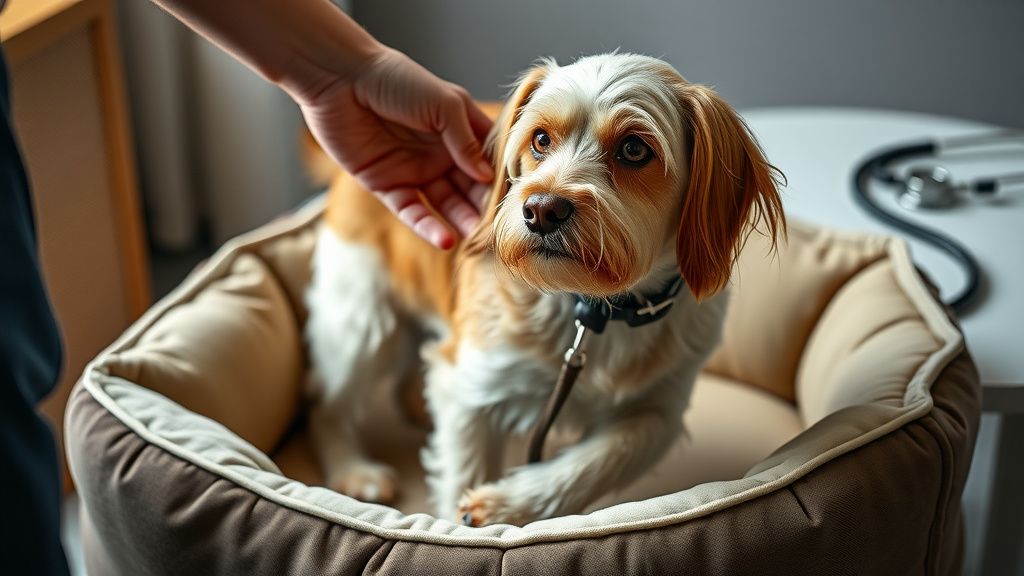
The most important indicator isn't the number on the calendar, but the changes you observe at home. Is your dog taking longer to get up after a nap? Are they less interested in that long hike? Do they seem stiff or have accidents in the house? These behavioral and physical shifts are your true guideposts. Recognizing them early allows you to partner with your veterinarian to create a care plan, turning the senior years into a period of managed comfort rather than reactive crisis.
The Senior Dog Health & Wellness Checklist
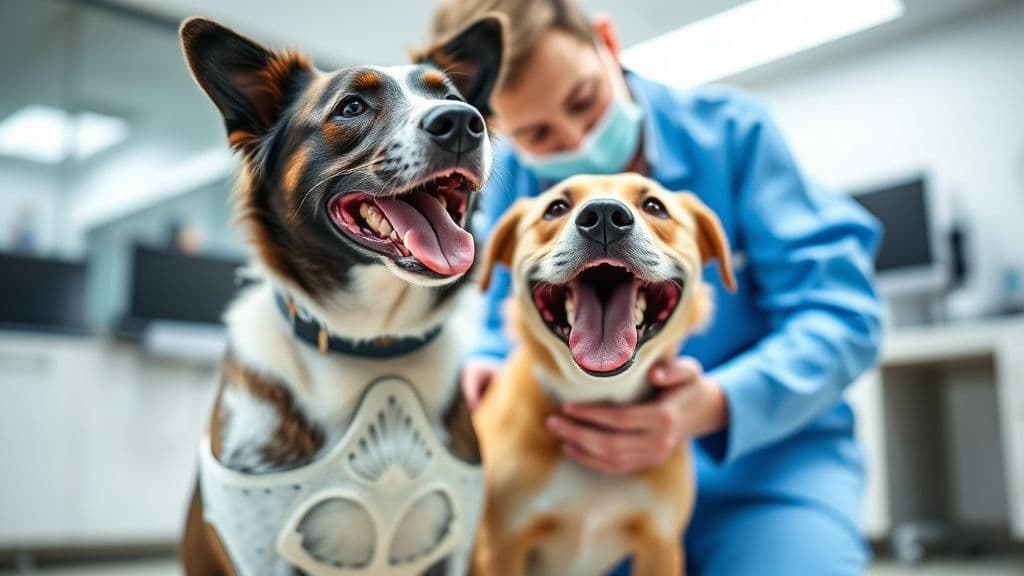
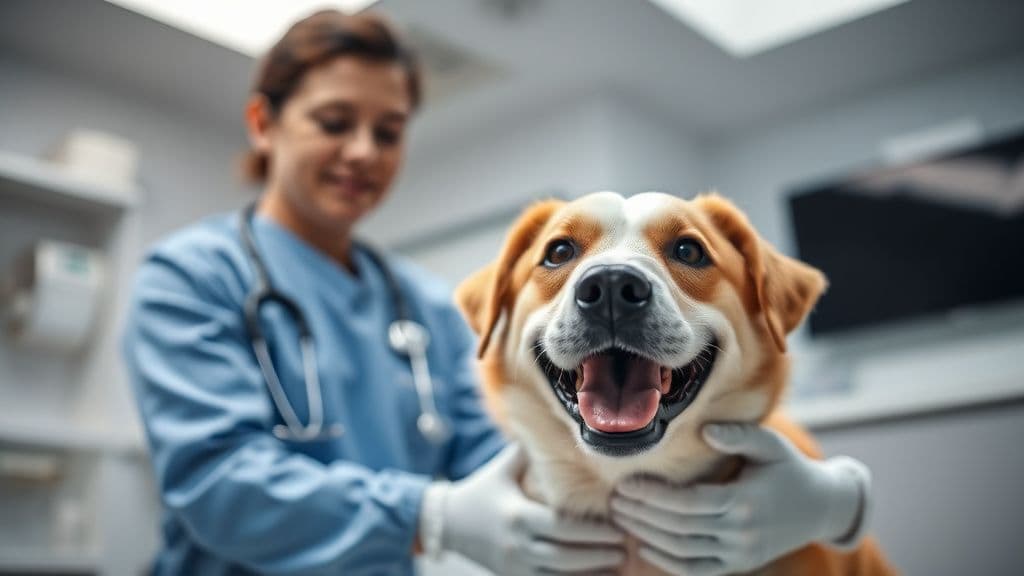
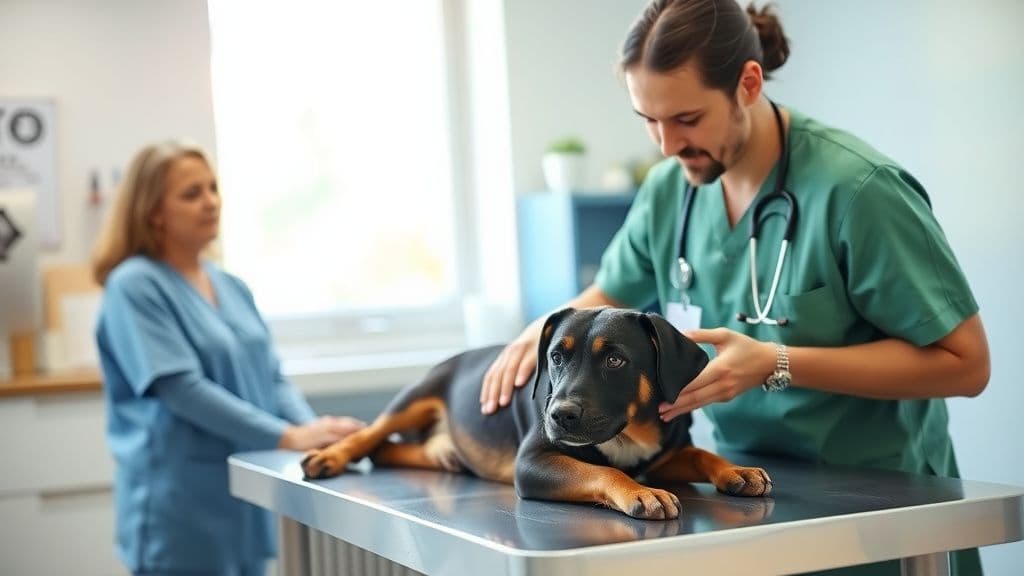
Transitioning your dog into their senior years smoothly requires a structured approach. Think of this as your proactive maintenance plan. The American Animal Hospital Association (AAHA) emphasizes that senior pets should be examined by their veterinarian every six months. This biannual schedule is crucial because a lot can change in a senior dog's health over six months, and early detection is everything.
Here is a core checklist to discuss with your vet and implement at home.
Veterinary Care* Biannual Checkups: Schedule thorough physical exams twice a year, not once. These visits should include a complete nose-to-tail assessment.
* Diagnostic Screening: Expect and request more frequent blood work, urinalysis, and possibly blood pressure checks. These tests establish a healthy baseline for your dog and can reveal hidden issues like kidney disease or diabetes long before symptoms appear.
* Dental Evaluation: Oral health is directly linked to overall health. Senior dogs are prone to periodontal disease, which can cause pain and spread bacteria to vital organs. Annual dental cleanings under anesthesia are often recommended.
* Parasite Prevention: Continue year round protection against fleas, ticks, and heartworms. A senior dog's immune system is less strong, making them more vulnerable to the effects of parasites.
* Vaccination Review: Work with your vet to tailor a vaccination protocol. An older, less active dog who doesn't board or go to dog parks may not need the same frequency of certain vaccines, a concept known as "core" versus "lifestyle" vaccines.
At Home Monitoring* Weight & Body Condition: Weigh your dog monthly. Sudden weight loss or gain is a major red flag. Aim to keep your dog lean to reduce stress on joints and organs.
* Mobility & Comfort: Note any stiffness, reluctance to climb stairs, or difficulty rising. Track changes in their gait.
* Appetite & Hydration: Monitor how much they eat and drink. A decrease in appetite or an increase in thirst warrants a vet call.
* Bathroom Habits: Changes in frequency, consistency, or ability to "hold it" can indicate various health problems.
* Behavior & Cognition: Be alert for signs of confusion, disorientation, changes in sleep-wake cycles, or uncharacteristic anxiety. For more on supporting a dog showing stress, our dog anxiety guide offers helpful strategies.
* Lumps & Bumps: Perform weekly gentle petting scans over their entire body to feel for any new or changing growths.
Nutrition: Fueling the Golden Years
As metabolism slows and activity levels change, your dog's dietary needs evolve. A top quality senior diet is not just a marketing term, it's a specific formulation. The goal shifts from supporting growth to maintaining optimal body condition and managing age related conditions.
Key Dietary Shifts* Calorie Control: Senior dogs need fewer calories to avoid unhealthy weight gain. Look for diets labeled for "senior" or "weight management" that are less energy dense.
* Joint Support: Diets enhanced with glucosamine, chondroitin, and omega 3 fatty acids (like those from fish oil) can help support aging joints and combat inflammation.
* Digestible Proteins: Easily digestible, high value protein helps maintain muscle mass without overtaxing the kidneys, which can be a concern in older dogs.
* Fiber for Health: Balanced fiber content promotes healthy digestion and can help manage weight by increasing satiety.
Feeding Tips for Seniors* Consult Your Vet: Always talk to your veterinarian before switching foods. They can recommend a diet that addresses your dog's specific health profile.
* Consider Food Delivery: For convenience and consistency, a fresh dog food or freeze-dried dog food delivery service can ensure your senior gets a balanced and palatable meal tailored to their needs without the heavy lifting. It also takes the guesswork out of portion control.
* Palatability Matters: A diminished sense of smell or taste can lead to picky eating. Gently warming food or adding a low sodium broth can make it more appealing.
* Hydration is Critical: Ensure fresh water is always available. Adding water or wet food to kibble can increase fluid intake, which supports kidney function.
Exercise & Mental Stimulation
The phrase "use it or lose it" applies perfectly to senior dogs. While they may not run marathons, consistent, gentle activity is vital for maintaining muscle tone, joint flexibility, and a healthy weight. Mental exercise is equally important to keep their minds sharp and ward off cognitive decline.
Adapting Physical Activity* Shorter, More Frequent Walks: Replace one long walk with two or three shorter, slower strolls. This prevents overtiring and joint stress.
* Low Impact Options: Swimming is an excellent exercise for seniors as it supports the body and eases joint pressure. Gentle play in a soft, grassy area is also good.
* Watch for Signals: Let your dog set the pace. If they lag behind, stop, or lie down, it's time to head home. Never force exercise.
* Comfort Aids: Invest in a supportive orthopedic bed for rest and consider non slip rugs or mats on slippery floors to help them get around safely.
Keeping the Mind Engaged* Food Puzzles: Slow feeder bowls and puzzle toys turn mealtime into a brain game, slowing eating and providing cognitive enrichment.
* Training Refreshers: Practice old tricks or teach simple new ones using positive reinforcement. Short, successful sessions build confidence.
* Novel Experiences: Gentle new experiences, like a slow car ride to a quiet park or sniffing new smells in the backyard, provide sensory stimulation.
* Interactive Toys: Consider a monthly dog subscription box designed for seniors. These often include age appropriate puzzles, gentle chews, and novel toys that provide mental stimulation without being too physically demanding. It's a wonderful way to introduce safe, vet approved products and keep things interesting.
Creating a Senior Friendly Home Environment
Your home likely needs a few tweaks to become a sanctuary of comfort and safety for your aging friend. Small modifications can prevent injuries, reduce anxiety, and make daily life much easier for a dog with diminishing senses or mobility.
Mobility & Accessibility* Ramp It Up: If your dog sleeps on your bed or needs to navigate a few steps, a sturdy pet ramp is far safer than jumping.
* Floor Traction: Place yoga mats, area rugs, or non slip runners on hardwood, tile, or laminate floors to prevent painful slips and falls.
* Raised Feeders: Elevated food and water bowls can make eating and drinking more comfortable for dogs with arthritis in their neck or back.
* Orthopedic Bedding: A thick, supportive orthopedic bed in a warm, draft free area helps cushion achy joints and promotes restful sleep.
Comfort & Safety* Temperature Regulation: Older dogs are less efficient at regulating body temperature. Provide warm bedding in winter and ensure cool, shaded areas in summer.
* Easy Access: Make sure their favorite resting spots, water bowl, and potty area (especially if using pee pads) are easily accessible without navigating obstacles or stairs.
* Grooming Adjustments: Regular, gentle brushing becomes even more important for circulation and skin health. Keep nails trimmed short to improve traction and posture.
* Patience with Potty Needs: Senior dogs may need to go out more frequently. Be patient and consistent, and never punish accidents, as they are often medically related.
Final Thoughts
Caring for a senior dog is a profound honor. It's a chapter filled with deeper connection, gentle companionship, and the quiet satisfaction of returning the comfort they've given you for so many years. This journey isn't about fighting aging, but about navigating it with wisdom, compassion, and a solid plan. By embracing biannual vet visits, tailoring nutrition, adapting exercise, and creating a safe home, you're doing more than just checking items off a list. You are actively investing in your dog's quality of life, ensuring their golden years are defined by comfort, dignity, and as much tail wagging as possible. Pay attention to the small details, celebrate the good days, and lean on your veterinary team for support. The love you share during this time becomes the most cherished memory of all.
Recommended Products



Find the Perfect Box for Your Dog
Compare top-rated dog subscription boxes and find the best fit for your pup.
Compare Boxes