Hip Dysplasia In Dogs Explained
Unlock your dog's mobility: spot hip dysplasia signs early, explore effective treatments, and learn key prevention tips for a happier, healthier pet.
Dog hip dysplasia is a developmental disorder where the hip joint forms incorrectly, leading to laxity, painful wear, and eventually osteoarthritis. Common symptoms include limping, stiffness, difficulty rising, and a reluctance to run or jump. Treatment ranges from weight management, physical therapy, and pain medication to surgical options, while prevention focuses on proper nutrition, controlled exercise for growing puppies, and responsible breeding.
If you've noticed your once energetic pup slowing down, struggling to get up, or showing a hesitant "bunny hop" when they run, your heart might sink. As a dog care writer who's spoken with countless owners, I know that watching your dog lose their spring is deeply concerning. One of the most common culprits behind these changes, especially in larger breeds, is canine hip dysplasia (CHD). It's a term that sounds intimidating, but understanding it is the first step toward helping your dog live a full and comfortable life. This isn't just an "old dog" problem. It's a developmental condition that starts early, and what you do now can have a profound impact on your dog's future mobility.
What Is Canine Hip Dysplasia?
At its core, canine hip dysplasia is a malformation of the hip joint. In a healthy hip, the ball (the head of the femur) fits snugly into the socket (the acetabulum) in the pelvis. They glide smoothly together, cushioned by cartilage. With dysplasia, this fit is loose and imperfect. The socket may be too shallow, the ball may not be formed correctly, or the ligaments that hold the joint together are too lax.
This poor fit is the root of the problem. As your dog moves, this loose joint experiences abnormal friction and wear. Over time, this leads to inflammation, the breakdown of cartilage, and the development of bony changes. The condition ultimately progresses to degenerative joint disease, which is osteoarthritis (OA). Veterinary research describes it clearly as "a polygenic and multifactorial developmental disorder characterized by coxofemoral (hip) joint laxity, degeneration, and osteoarthritis." This means it's influenced by multiple genes and a variety of environmental factors, not just one single cause.
What Are the Symptoms of Hip Dysplasia in Dogs?
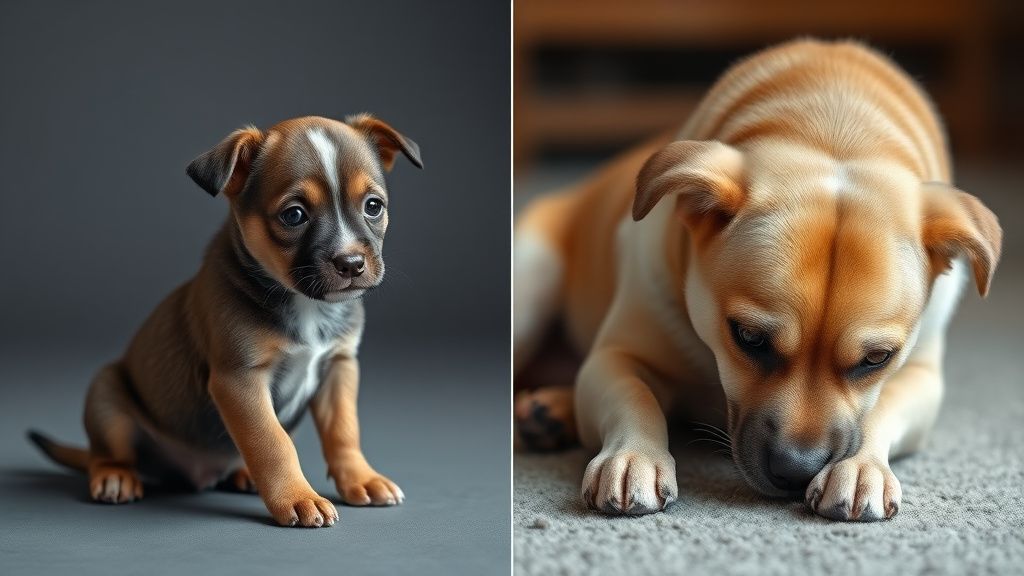
Symptoms can vary widely in their onset and severity. Some dogs show signs as young puppies, while others may not exhibit obvious discomfort until they are older and arthritis has set in. It's crucial to remember a key point from veterinary experts: not every dog with hip dysplasia on an X-ray shows symptoms, and not every case of hind-end lameness is solely due to bad hips. However, there are common signs to watch for.
* Altered Gait: You might see a noticeable sway in the back end when walking, or a "bunny hop" run where both back legs move together.
* Lameness and Stiffness: Limping, especially after exercise or first thing in the morning, is a classic sign. Your dog may seem stiff when rising from rest.
* Reluctance to Move: A previously active dog may start hesitating to jump into the car, climb stairs, or engage in play.
* Decreased Range of Motion: Your dog might have trouble spreading their back legs or show discomfort when the hips are manipulated.
* Audible Signs: In some cases, you might hear a clicking or grating sound from the hip area when your dog moves.
* Muscle Loss: Over time, the muscles of the hindquarters (the thighs) can begin to atrophy or waste away because your dog is using them less to avoid pain.
* Behavioral Changes: Pain can make a dog irritable or withdrawn. They may lick or chew at the hip area.
The progression of symptoms often "waxes and wanes," meaning they can seem better for a while and then flare up. This intermittent nature can lead owners to dismiss it as a simple sprain or just a normal part of aging, when it is actually a treatable orthopedic problem.
How Is Hip Dysplasia Treated?
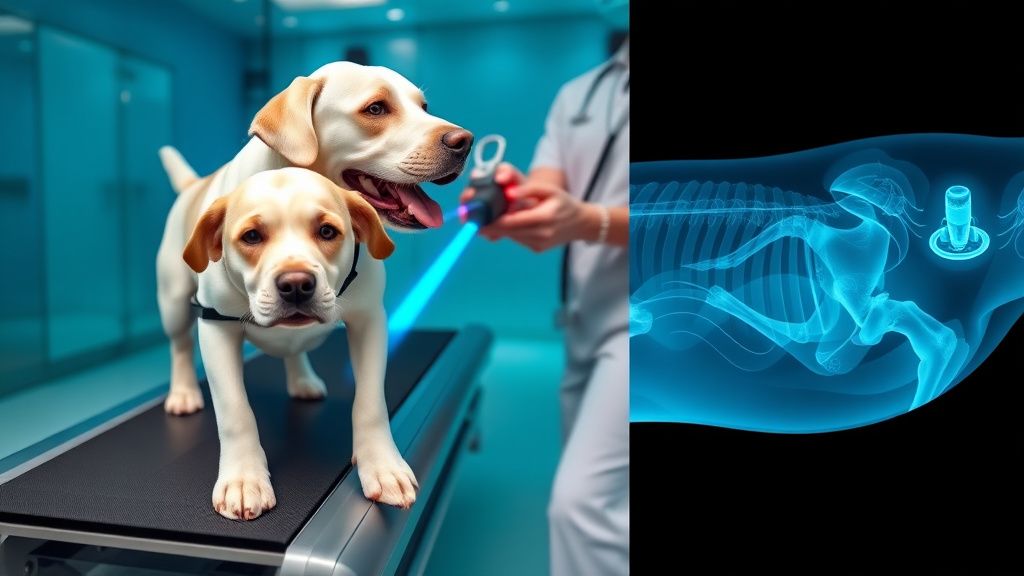
There is no one size fits all cure for hip dysplasia, but there are many effective ways to manage pain, improve mobility, and maintain a great quality of life. Your veterinarian will recommend a plan based on your dog's age, size, severity of the condition, and overall health. Treatment generally falls into two categories: conservative management and surgery.
Conservative Management
For many dogs, especially those with mild to moderate symptoms, a multi-faceted non-surgical approach is highly successful. This often includes:
1. Weight Management: This is the single most important factor you can control. Excess weight puts tremendous stress on already compromised joints. Keeping your dog lean can dramatically reduce pain and slow the progression of arthritis.
2. Controlled Exercise: Regular, low-impact exercise is vital to maintain muscle strength, which supports the joints. Think leash walks, swimming, or slow trotting on soft ground. Avoid activities with high impact like chasing balls or frisbees on hard surfaces.
3. Physical Therapy and Rehabilitation: Techniques like hydrotherapy (water treadmill swimming), therapeutic laser, massage, and targeted exercises can work wonders for pain relief and mobility.
4. Pain and Anti-inflammatory Medication: Your vet may prescribe medications to manage pain and inflammation. Commonly used drugs include nonsteroidal anti-inflammatory drugs (NSAIDs) like Galliprant, which are specifically designed to target osteoarthritis pain.
5. Joint Supplements: Supplements like glucosamine, chondroitin, and omega-3 fatty acids (fish oil) can help support joint cartilage and reduce inflammation. Many large breed puppy foods and adult maintenance diets already contain these. If your dog is diagnosed with arthritis, these supplements will likely be part of their long-term plan.
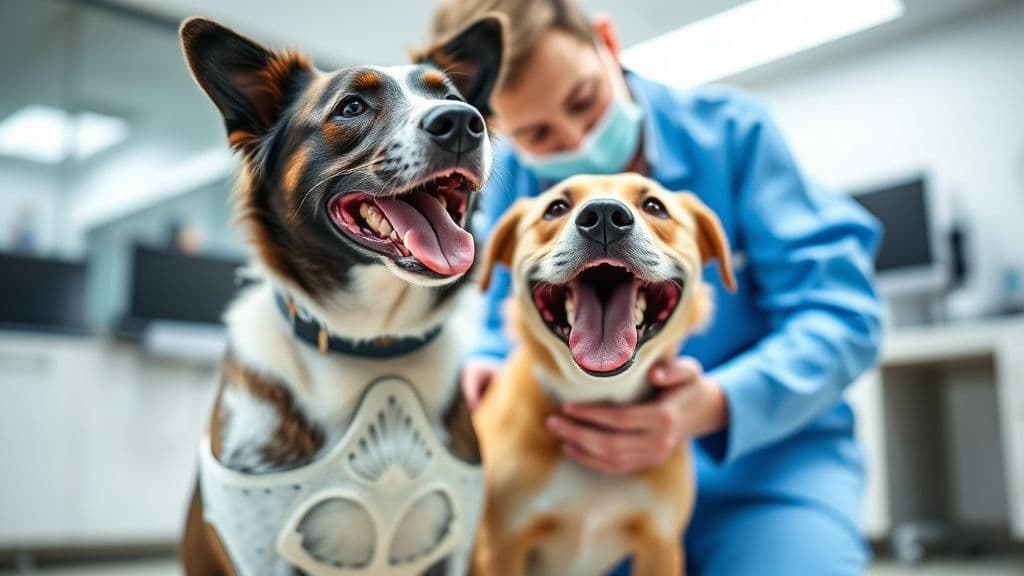
6. Supportive Care: Providing orthopedic dog beds, ramps instead of stairs, and non-slip rugs on hard floors can make your dog's daily life much easier and safer. For some dogs, supportive braces can also offer stability.
Surgical Options
When conservative management isn't enough, or for young dogs with severe dysplasia, surgery may be the best option. Common procedures include:
* Double or Triple Pelvic Osteotomy (DPO/TPO): Performed on young puppies (usually under 10 months) before arthritis develops, this surgery reshapes the pelvis to better contain the femoral head.
* Femoral Head Ostectomy (FHO): This surgery removes the head of the femur, allowing a "false joint" to form from scar tissue. It's often used for smaller dogs or as a salvage procedure.
* Total Hip Replacement (THR): Considered the gold standard for severely affected, otherwise healthy dogs. It replaces the entire dysfunctional joint with prosthetic components, typically offering an excellent return to normal function.
Can You Prevent Hip Dysplasia?
While you cannot change your dog's genetics, you have significant power to influence the development and severity of hip dysplasia through lifestyle choices.
* Choose a Responsible Breeder: If getting a purebred puppy, ask breeders for proof of hip screening. Organizations like the Orthopedic Foundation for Animals (OFA) or PennHIP provide evaluations that help breeders make informed decisions to reduce the genetic risk.
* Feed for Controlled Growth: Rapid growth in large breed puppies is a major risk factor. Feed a diet specifically formulated for large breed puppies, which has controlled levels of calcium and calories to promote steady, healthy growth. Avoid over-supplementing.
* Manage Exercise in Puppyhood: A growing puppy's joints are soft and vulnerable. Focus on controlled play and avoid forced, high-impact exercise like long runs on pavement, jumping from heights, or excessive stair climbing until their skeleton is more mature (around 12-18 months for large breeds).
* Maintain a Lean Body Condition: Start this habit early and continue for life. A lean dog is a healthier dog, with far less stress on every joint in their body.
* Consider Early Supplementation: While not a magic bullet, providing appropriate joint supplements during growth and adulthood, as advised by your vet, may offer supportive benefits.
Nutrition plays such a foundational role that it's worth considering how you source your dog's food. Consistent, balanced meals are key. Services that offer fresh dog food delivery or curated best dog subscription boxes can take the guesswork out of portion control and ingredient quality, helping you maintain that ideal weight more easily. And for training or rewarding your pup without adding extra pounds, choosing the right best dog treats that are low in calories but high in value is a smart strategy.
Final Thoughts
A diagnosis of hip dysplasia can feel overwhelming, but it is far from a hopeless situation. With today's advanced understanding of canine pain management, rehabilitation, and surgical techniques, most dogs with hip dysplasia can enjoy happy, active, and comfortable lives. The journey requires a committed partnership between you and your veterinarian. Pay close attention to the subtle signs your dog gives you, be proactive about weight and exercise management, and don't dismiss intermittent limping as just "getting older."
Remember, your goal isn't to create an Olympic athlete, but to preserve the simple joys for your dog: the comfortable stretch after a nap, the eager walk around the neighborhood, and the ability to play without pain. By providing informed, loving care, you are giving your dog the best possible tool for managing this condition: a dedicated and observant owner. For more on supporting your dog's overall well being, which includes managing the stress that chronic pain can sometimes cause, our dog anxiety guide offers additional insights into creating a calm and supportive home environment.
Recommended Products



Find the Perfect Box for Your Dog
Compare top-rated dog subscription boxes and find the best fit for your pup.
Compare Boxes