Indoor Scent Games For Mental Stimulation
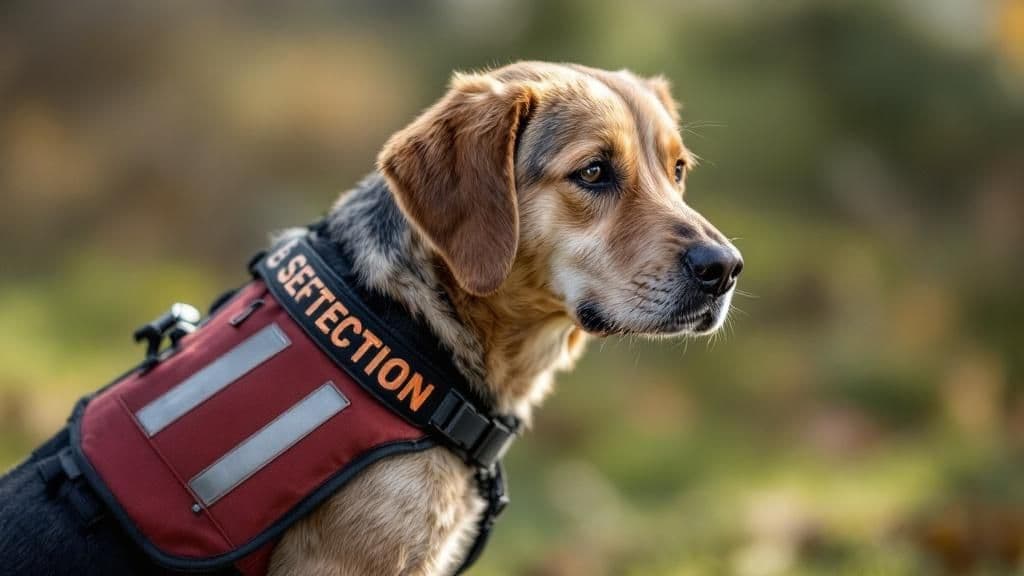
Engage your dog's nose with scent work games for fun indoor mental stimulation.
Indoor scent games provide essential mental stimulation that's as tiring as physical exercise — a 15-minute nosework session equals a 45-minute walk for brain enrichment. Start with simple "find it" games hiding treats under cups, progress to muffin tin puzzles, and advance to room-wide scent trails using your dog's favorite high-value treats.
Ever notice how your dog can be utterly exhausted from a run but still has the energy to sniff every single blade of grass on the walk home? That’s because physical exercise and mental exercise are two different things. A dog’s mind needs a workout too, and there’s no better way to provide that than by engaging their most powerful sense: smell. scent work isn’t just for professional detection dogs. It’s a natural, enriching activity you can do right in your living room. It builds confidence, relieves stress, and provides a deeply satisfying job for your pup. Best of all, it’s incredibly tiring. Scientists suggest that just fifteen minutes of focused sniffing can be mentally equivalent to an hour of dog walking calculator for a dog. So, if you’re looking for a way to keep your dog happy, calm, and entertained indoors, you’re in the right place. Let’s explore some fun and easy ways to get started.
Why Scent Work is the Ultimate Brain Game
Before we hide the first treat, it’s helpful to understand why this activity is so powerful. A dog’s nose is their primary way of interpreting the world. When they sniff, they’re not just smelling a cookie; they’re reading a complex story about who was there, what they ate, and how they felt. Tapping into this instinctual drive is profoundly rewarding for them.
The benefits are extensive. This kind of mental stimulation lowers a dog’s heart rate and can help curb anxiety and boredom related behaviors like chewing or barking. It’s a fantastic option for dogs who are recovering from surgery, older dogs with limited mobility, or even sight impaired dogs, as it relies on a sense they already dominate. I’ve seen nervous dogs blossom with confidence after just a few sessions of scent games, simply because they’re succeeding at a task they were born to do. It’s also a wonderful bonding experience. You become a partner in their fun, which strengthens your connection far more than just passively petting them on the couch.
Getting Started: Set Up for Success
You don’t need fancy equipment to begin. The core principle is simple: let your dog use their nose to find something you’ve hidden. Start with high value treats or a favorite toy. I recommend using a portion of your dog’s daily kibble from their dog food delivery for some games, and saving something extra special, like a salmon treat from a dog best dog subscription boxes, for bigger challenges.
First, teach your dog the “find it” command. With your dog in a sit or another room, show them a treat, toss it a short distance on the floor, and happily say “Find it!” Let them go get it. Repeat this several times until they understand the phrase means a tasty reward is waiting to be located. This builds the foundation for all the games to come.
Always keep sessions short, positive, and fun. Five to ten minutes is plenty for a beginner. If your dog gets frustrated, make the game easier. We want them to win and feel clever. And remember, this can be interactive play with you, or you can set up a puzzle for them to solve solo before you leave the house, making “home alone” time something they associate with a positive challenge.
Four Fun Indoor Scent Games to Try
Here are some of my favorite beginner friendly games that use items you probably already have at home.
The Muffin Tin GameThis is a classic for a reason. Take a muffin tin and place a treat or a piece of kibble in a few of the cups. Then, place tennis balls or crumpled paper balls over all the cups, including the empty ones. Your dog will have to use their nose and paws to figure out which cups hold the prize. It’s a great introduction to problem solving and scent discrimination. For an easier version, start with just a few cups and all of them containing a treat.
The Towel SniffLay a flat bath towel or a small blanket on the floor. While your dog watches, place several treats along its length. Then, slowly roll the towel up, folding the treats inside. Give it to your dog and say “Find it!” They’ll have to nudge, unroll, and sniff to get all the goodies. You can increase the difficulty by folding the towel into a tighter bundle or using a larger blanket. This game is excellent for dogs who love to dig and root around.
The Box SearchSave a few delivery boxes from your latest dog subscription box order. Arrange them open side up in a small area. With your dog watching, place a treat in one or two of the boxes. Encourage them to “Find it.” Once they’ve mastered that, you can close the box flaps partway, or even turn the boxes upside down with the treat hidden underneath. The rustling of the cardboard adds an extra sensory element they love.
The Hidden ObjectThis game transitions from finding food to finding a specific object, which is the core of formal scent work. Start with a familiar toy. Let your dog see you place it behind a chair leg or under the edge of a couch cushion. Ask them to find it. When they do, celebrate enthusiastically and reward with a treat. Gradually make the hiding spots more challenging, like inside an open drawer or on a low shelf. You can even begin to introduce a target scent, like a cotton ball with a drop of birch or anise oil (safe for dogs), and teach them to search for that specific smell instead of a toy.
Taking it to the Next Level
Once your dog has become a living room scent detective, you can expand the fun. Rotate your games to keep things interesting. What they love one week might be old news the next, so having a repertoire is key.
Try playing in different rooms or with the lights off. Searching in the dark heightens their reliance on smell and can be a fun, calming evening activity. You can also create a true “search area” by scattering a pile of crumpled newspaper or plastic recycling in a kiddie pool and hiding treats within it. This provides a fantastic crunchy, rustling texture that many dogs enjoy.
If your dog truly excels and loves this work, consider looking for a local scent work or nose work class. These classes provide structured learning and can even lead to titling sports. They’re also a wonderful way to meet other dog owners who enjoy this quiet, focused activity. Sports like Barn Hunt (where dogs find rats safely housed in tubes) are a direct and thrilling extension of these basic games.
Final Thoughts
Incorporating scent games into your dog’s routine is one of the most effective forms of enrichment available. It costs little to nothing, can be done in any weather, and fulfills a deep instinctual need. Think of it as giving your dog a purposeful job. A mentally tired dog is a content dog, less likely to invent their own destructive games out of boredom.
Start simple, celebrate every success, and pay attention to what your dog enjoys most. Do they love the cardboard box rustle or the fabric challenge of the towel? Use that knowledge to tailor future games. This isn’t about perfection. It’s about spending quality time together, engaging your dog’s amazing mind, and having fun. So grab some treats, get creative with your hiding spots, and watch your dog light up with the joy of the hunt. Their nose knows, and now you know how to put it to work.
Recommended Products



Find the Perfect Box for Your Dog
Compare top-rated dog subscription boxes and find the best fit for your pup.
Compare Boxes