Navigate Your Puppy Teething Timeline

Navigate your puppy's teething journey with key stages, signs to watch for, and effective relief tips for a happier pup.
Puppy teething typically begins around 3-4 weeks of age with baby teeth, which are replaced by adult teeth starting around 3-4 months. The entire process is generally complete by 5-7 months when all 42 adult teeth are in place. During this time, puppies chew to relieve gum discomfort, and you can help with frozen treats, safe chew toys, and bite training.
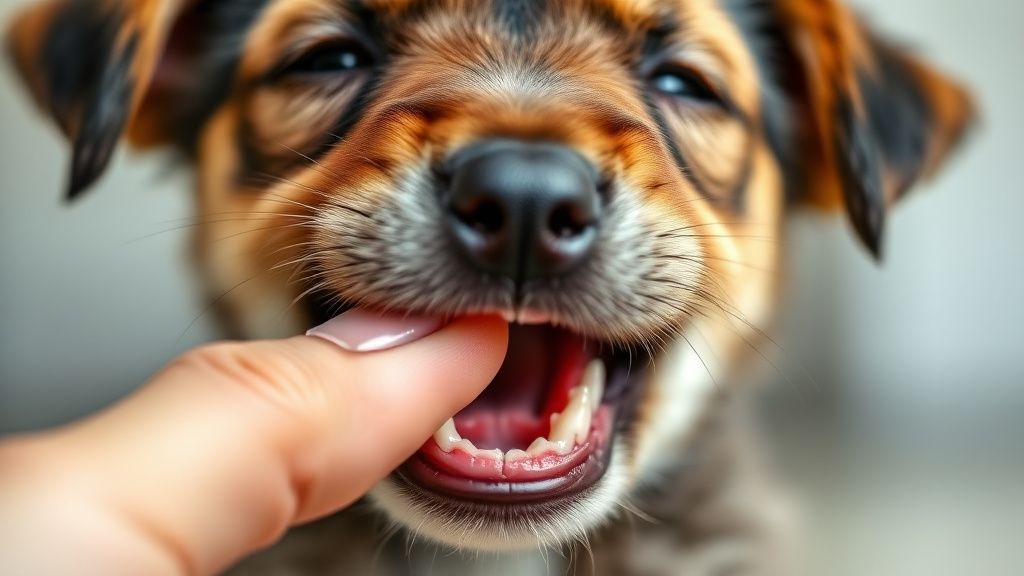
Watching your sweet puppy transform into a tiny, furry piranha can be a startling experience. One day they’re cuddly and gentle, the next they’re gnawing on your fingers, shoes, and furniture legs with relentless enthusiasm. If you’re finding tiny teeth marks on everything you own, take heart. This phase is a normal, healthy part of your puppy’s development. I’ve guided countless new puppy parents through the teething jungle, and understanding what’s happening in your pup’s mouth is the first step to surviving it with your sanity and your slippers intact. Teething follows a predictable timeline, and with the right knowledge and tools, you can provide real relief for your pup while protecting your belongings.
The Complete Puppy Teething Timeline
Knowing what to expect and when can help you feel prepared instead of panicked. While the exact timing can vary slightly by breed and individual puppy, the stages are remarkably consistent.
The First Stage: Baby Teeth (2-8 Weeks)Your puppy is born toothless. Around 2 to 4 weeks old, while they are still nursing, their first set of 28 baby teeth, also called deciduous teeth, begin to erupt. By 5 to 6 weeks, you’ll likely see a full set of these tiny, needle sharp teeth. These teeth are not built to last. They serve your puppy through the weaning process and their initial explorations of solid food. During this period, puppies learn bite inhibition from their littermates and mother, a crucial social lesson.
The Second Stage: Adult Teeth Arrive (3-7 Months)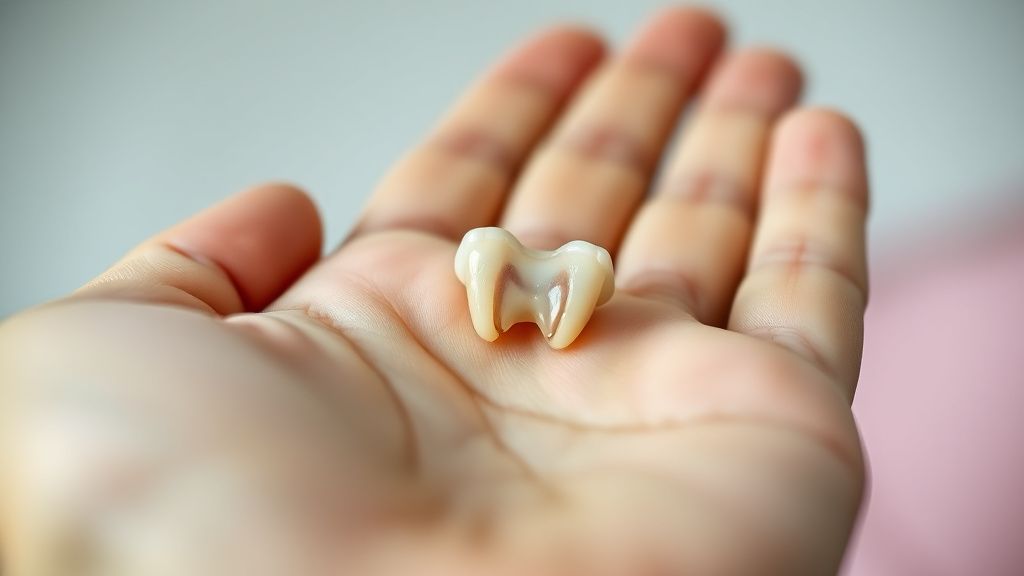
This is the main event, the phase where most chewing chaos occurs. Around 12 to 16 weeks (3-4 months), your puppy starts losing those baby teeth as the permanent adult teeth push through the gums. You might find tiny teeth around the house, or more often, your puppy will swallow them without issue. The incisors and canine teeth usually come in first, followed by the premolars. According to Purina, the adult molars, which have no baby tooth predecessors, are the last to appear, typically settling in around 5 to 7 months of age. By the end of this stage, your dog will have a complete set of 42 adult teeth.
Recognizing the Signs Your Puppy Is Teething
Puppies can’t tell us their gums hurt, but they show us in very clear ways. Chewing is the most obvious sign, but it’s not the only one. It’s a natural instinct to apply pressure to sore gums, which provides a counter sensation that feels good. According to experts at PetLab Co, you might also notice your puppy rubbing their face against furniture or the floor to massage their gums.
Other common symptoms include:
* Increased drooling
* Visible redness or swelling of the gums
* Whining or seeming more irritable than usual
* A slight decrease in appetite or reluctance to eat hard kibble
* Bleeding gums (a small amount is normal when a tooth is falling out)
* Pawing at the mouth
It’s important to remember that while these signs are typical of teething, they can occasionally indicate other health issues. If your puppy seems excessively lethargic, has diarrhea, or completely refuses to eat, a vet visit is warranted.
Soothing Strategies: How to Help Your Teething Puppy
Your goal during this phase is twofold: manage your puppy’s discomfort and redirect their chewing onto appropriate items. A multi pronged approach works best.
Offer Safe, Soothing ChewsThis is your first line of defense. Provide a variety of textures to see what your pup prefers.
* Chilled Toys: The cold is a natural anti inflammatory. Soak a clean washcloth, twist it, and freeze it. You can also freeze rubber toys like Kongs stuffed with wet puppy food or plain yogurt.
* Puppy Specific Chews: Look for softer chews designed for teething puppies. Avoid anything too hard that could damage incoming adult teeth. A great way to discover what your pup loves is through a curated best dog subscription boxes service, which can deliver a rotating selection of safe, vet approved chews right to your door.
* Supervised Ice: A plain ice cube can offer temporary relief, but supervise closely as it can be hard on tiny teeth. A frozen wet washcloth is often a gentler alternative.
Adjust MealtimesIf your puppy is hesitant to eat their dry kibble because their gums are sore, try softening it with warm water or low sodium chicken broth. You can also consider mixing in a spoonful of wet puppy food to make it more enticing and easier to eat. For puppies with significant discomfort, a temporary switch to a fresh dog food or gently rehydrated freeze-dried dog food can be a palatable and nutritious solution.
Incorporate Training and Comfort* Gentle Gum Massage: Using a clean finger, gently rub your puppy’s gums. This can provide direct relief and helps them get used to you handling their mouth, which is useful for future teeth brushing.
* Bite Inhibition Training: Never punish your puppy for mouthing. Instead, let out a high pitched “ouch!” and immediately stop play when they bite too hard. Redirect them to a toy and praise them for chewing it. Consistency here is key to teaching them soft mouths.
* Provide Comfort: Sometimes, your pup just needs a quiet cuddle. Extra patience and reassurance go a long way during this uncomfortable time.
What NOT to Do During Teething
Just as important as knowing what to do is knowing what to avoid. Some well intentioned actions can cause harm or create long term behavioral issues.
* Don’t Give Inappropriate Chews: Avoid old shoes, socks, or hard items like antlers, bones, or nylon chews that are too firm for developing teeth. These can fracture the new, vulnerable adult teeth.
* Don’t Punish Natural Behavior: Your puppy isn’t chewing to be bad. Scolding or punishing them for teething can create fear and anxiety. Focus on redirection.
* Don’t Play Tug-of-War with Sore Gums: While tug can be a great game later, it can be painful on inflamed gums during peak teething. Stick to gentler games like fetch with soft toys.
* Don’t Ignore Aggression: Normal teething involves mouthing, not aggression. If your puppy growls, snaps, or shows guarding behavior over toys, seek guidance from your veterinarian or a certified trainer promptly.
Life After Teething: Will the Chewing Stop?
Around 6 to 8 months, once all adult teeth are fully in, the intense need to chew from teething pain will subside. If the chewing behavior decreases significantly at this point, it was likely tied to that developmental stage. However, puppies are natural chewers. Chewing is a way to explore the world, relieve boredom, and keep jaws strong. The habit often sticks.
This is why establishing good chewing habits *during* teething is so critical. Continue to provide a variety of safe, engaging chew toys throughout their life. Mental stimulation through training, puzzle toys, and regular exercise is just as important as physical outlets to prevent destructive chewing born from boredom or dog anxiety.
Final Thoughts
The puppy teething timeline is a relatively short but intense chapter in your life together. It might feel endless while you’re in the thick of it, searching for another frozen chew at 2 a.m., but it does pass. By understanding the stages, recognizing the signs of discomfort, and responding with patience and smart strategies, you’re not just saving your furniture. You’re helping your puppy develop healthy oral habits, building a bond of trust through gentle guidance, and setting the stage for a lifetime of good behavior. Before you know it, those sharp little needles will be replaced by a strong, healthy adult smile, and you’ll have survived one of the first big tests of puppy parenthood. For more tips on navigating these early months, check out our guide on puppy socialization essentials.
Find the Perfect Box for Your Dog
Compare top-rated dog subscription boxes and find the best fit for your pup.
Compare Boxes