Master Puppy Socialization Before 16 Weeks

Don't miss your puppy's critical socialization window before 16 weeks. Proper exposure now builds a confident, well-adjusted dog for life.
The puppy socialization window is the critical period from about 3 to 16 weeks of age, with peak effectiveness before 14 weeks. You must prioritize safe, positive exposures to a wide variety of people, places, sounds, and surfaces during this time, even before vaccinations are complete. The risk of future behavioral problems from lack of socialization is far greater than the disease risk if you take smart precautions.
You bring home your adorable 8 week old puppy and immediately get hit with conflicting advice. One friend insists, "Don't take them anywhere until they're fully vaccinated at 16 weeks!" Another warns, "You must socialize them before 14 weeks or they'll have behavioral problems forever!" Meanwhile, your puppy is growing and changing so rapidly you can barely keep up. Welcome to the puppy socialization dilemma. This narrow window is absolutely critical for your dog's future happiness and confidence, but it's filled with seemingly contradictory advice about safety versus necessity.
The truth, backed by experts, is that you cannot wait. Pat Hastings, a noted expert in puppy development, explains, "Puppies develop at a fast pace, so there is a small window of opportunity when they are from 5 to 16 weeks old to effect positive development." The American Kennel Club confirms that behavioral issues, not infectious diseases, are the number one cause of death for dogs under 3 years of age. The research is stark: lack of proper socialization is one of the top reasons dogs are surrendered to shelters. Your mission is clear. You need to safely and creatively build a library of positive experiences for your pup before that window begins to close.
What Exactly Is the Socialization Window and Why Is It So Critical?

Think of your puppy's brain during this period as being exceptionally soft clay. Every new experience makes an impression, shaping their future perceptions of the world. This primary socialization window generally runs from 3 to about 16 weeks of age. The period between 8 and 14 weeks is particularly potent. After this, the clay begins to harden. New experiences are no longer simply absorbed; they are scrutinized with more caution, and unfamiliar things can more easily trigger fear.
This isn't just about making your dog friendly. It's about wiring their brain for confidence and resilience. A well socialized puppy learns that novel sights and sounds are not threats. The hum of a vacuum cleaner, the jingle of a doorbell, a person wearing a hat, a child on a bicycle these become normal parts of life rather than sources of terror. The UC Davis School of Veterinary Medicine states plainly that the risk of a dog being poorly socialized is far greater than that of infectious disease. Your goal is to prevent future anxiety and fear based reactions by filling this window with positive associations.
The Vaccination Dilemma: How to Socialize Safely Before 16 Weeks
This is the core of every new puppy owner's anxiety. The standard vaccination schedule isn't complete until about 16 weeks, but the most crucial part of the socialization window is closing right around that same time. So, do you risk disease or risk behavior problems?
The modern, expert supported approach is to socialize intelligently, not to isolate. You must balance the risks. The key is to control your puppy's environment meticulously. Avoid high risk areas like dog parks, pet store floors, or any place where the vaccination status of other animals is unknown. Instead, focus on safe exposures.
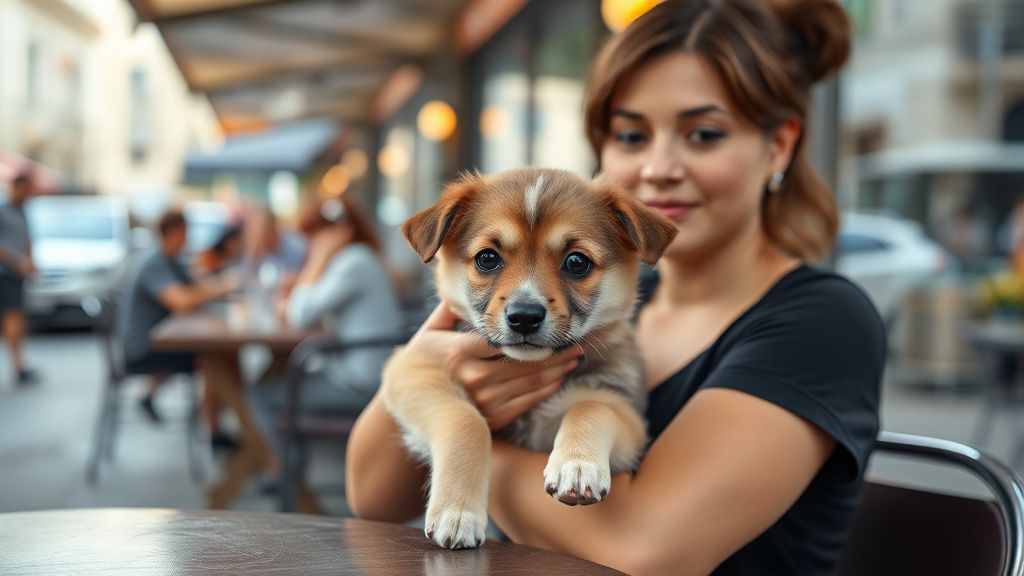
Carry your puppy to outdoor cafes, sit on a bench outside a hardware store, or take a walk in a quiet neighborhood. Let them watch the world go by from the safety of your arms or a clean blanket. Invite healthy, vaccinated dog friends to your home for playdates. Visit friends' houses that you know are pet safe. Go for car rides to the drive thru lane at your bank or pharmacy, as suggested by Dr. Jen. The goal is exposure, not necessarily direct interaction with every stimulus. This controlled approach allows you to build positive experiences while minimizing genuine health risks.
Your Actionable 8-16 Week Socialization Checklist
This isn't about overwhelming your puppy with a hundred new things each day. It's about quality over quantity. Every positive experience is a deposit in your puppy's confidence bank. Here is a practical checklist inspired by expert guidance to get you started.
People: Your puppy should meet friendly people of all types. This includes people of different sizes, ages, and ethnicities. Men with beards, children, people wearing sunglasses or hats, people using canes or walkers, people in uniforms. Make each meeting positive with treats and calm praise. Let your puppy approach at their own pace; never force an interaction. Environments and Surfaces: Walk your puppy on different textures. Let them experience grass, concrete, carpet, tile, wood floors, and gravel. Introduce them to wet grass, puddles (shallow and safe), and unstable surfaces like a wobbly board (gently). Visit quiet shopping areas, friends' garages, or empty parking lots. Sounds and Sights: Play soundtracks of common household noises at a low volume while you feed them or play, gradually increasing the volume. Think vacuum cleaners, doorbells, thunderstorms, and fireworks. Expose them to moving objects like skateboards, bicycles (from a distance), and cars. Handling and Grooming Prep: This is vital for vet visits and grooming. Practice handling exercises daily. Gently touch their paws, ears, mouth, and tail while providing treats. Introduce them to the sensation of being brushed. Look at their teeth. Hold them in different positions. This turns necessary handling into a positive, treat filled ritual. You can even use high value treats from a dog food delivery service to make these sessions extra special. Controlled Dog Interactions: Socialization with other dogs is crucial, but it must be safe. Only let your puppy interact with dogs you know are healthy, vaccinated, and have a calm, friendly temperament. Well run puppy socialization classes that require proof of vaccination and health are an excellent, controlled environment for this.Common Socialization Mistakes to Avoid
Even with the best intentions, it's easy to make missteps. Being aware of these common mistakes can help you stay on the right path.
Forcing Interactions: If your puppy seems hesitant or scared, do not push them to "face their fear." This can create a negative core memory. Instead, create distance, let them observe, and reward calm behavior. The experience must be positive. Waiting Too Long: The "we'll wait until after shots" approach is a well intentioned but outdated mistake that can lead to significant behavioral challenges. Start safe socialization the day you bring your puppy home. Flooding with Experiences: Socialization is a marathon, not a sprint. One terrifying experience can undo weeks of good work. Watch your puppy's body language closely. If they seem stressed, end the session on a positive note and try a simpler version next time. Neglecting Daily Life: Socialization isn't just grand outings. It's about integrating novelty into daily life. Invite the kids playing outside to say hello. Have a neighbor over for coffee. Introduce the new toy from your best dog subscription boxes delivery in a fun, engaging way. Stopping at 16 Weeks: While the primary window closes, socializing is a lifelong process. One dvm360 article even recommends that adolescent dogs continue to meet and interact with at least three unfamiliar people and three unfamiliar dogs a day until they are 3 years old. Keep building on that strong foundation.Creative Socialization Ideas for Busy Puppy Parents
Life is hectic. Finding time for structured socialization can be hard. Here are some creative, low effort ways to build experiences into your existing routine.
Turn errands into adventures. As mentioned, take your puppy for car rides to Starbucks or a drive thru. Sit in a parked car at a busy shopping center and watch people go by.
Host a "puppy party." Invite a few trusted friends over, asking them to wear different hats or bring an umbrella. Have them gently offer your puppy treats. This exposes your pup to multiple new people in a safe, controlled setting.
Use your local surroundings differently. Sit on a bench outside a post office or library. Walk around your block at different times of day to meet different neighbors. Visit a friend's apartment building to experience an elevator.
Incorporate novel items into play. Use a new textured blanket, introduce a puzzle feeder, or play a "sound bingo" game where you reward your puppy for calm behavior when a new, mild sound occurs. A monthly dog subscription box can be a perfect tool for this, delivering novel, safe toys and treats that provide both mental stimulation and positive new experiences.
Final Thoughts
Navigating the puppy socialization window is one of the most important and time sensitive responsibilities you have as a new dog owner. It requires a shift in mindset: from fearing the outside world to strategically and safely introducing it in bite sized, positive pieces. The conflicting advice you hear stems from a genuine place of concern, but the modern data is clear. The behavioral risks of isolation far outweigh the managed health risks of smart socialization.
Remember, your goal isn't to create a social butterfly, but a confident, resilient dog who can handle life's surprises without fear. You are building their fundamental worldview. By focusing on positive, controlled experiences with people, places, sounds, and other animals before 16 weeks, you are giving your puppy the single greatest gift for a long, happy life by your side. It's an investment of time and creativity that will pay dividends for years, preventing the anxiety and fear that can lead to so many challenges. For more on managing fear based behaviors that can stem from gaps in socialization, our dog anxiety guide offers continued support. Now, go fill that puppy's world with good things.
Find the Perfect Box for Your Dog
Compare top-rated dog subscription boxes and find the best fit for your pup.
Compare Boxes