Master Puppy Potty Training In One Week
Potty train your puppy in just one week with this practical, step-by-step guide for lasting success.
Yes, you can establish a strong foundation for potty training a puppy in 7 days with a strict, consistent schedule, positive reinforcement, and management. Focus on taking your puppy out frequently, especially after eating, drinking, sleeping, and playing, and always reward success. Accidents are part of the process; clean them thoroughly with an enzymatic cleaner to prevent repeat offenses.
Bringing a new puppy home is a whirlwind of joy, tiny paws, and... well, puddles. House training, also called potty training or housebreaking, is one of the first and most important skills you'll teach your furry friend. The idea of getting it done in a week might sound ambitious, and it's true that some puppies will need more time to be fully reliable. However, a focused 7 day plan can create the consistent habits and clear communication that set your puppy up for long term success. This realistic step by step guide, built on advice from professional dog trainers and veterinarians, will give you a clear roadmap.
The core principle is simple: prevent accidents before they happen and reward the behavior you want. Your tools are consistency, supervision, and a whole lot of patience. I've seen this method work for countless new puppy parents who are willing to put in the focused effort upfront. It transforms a potentially frustrating process into a bonding experience built on trust and clear expectations.
What You Need Before You Start
Preparation is key. Trying to potty train without the right supplies is like fixing a sink without a wrench. You'll just end up frustrated. Gather these essentials before your puppy's first day.
The Non Negotiables:* A Crate: Choose one that's just big enough for your puppy to stand up, turn around, and lie down comfortably. A crate that's too large invites them to use one corner as a bathroom. It becomes a safe den, not a punishment zone.
* Enzymatic Cleaner: Standard cleaners or vinegar solutions might mask odors to us, but they don't break down the urine compounds that your puppy's nose can still detect. An enzymatic cleaner is the only way to fully eliminate the scent and stop your puppy from being drawn back to the same accident spot.
* High Value Treats: Have a stash of tiny, super tasty rewards reserved just for potty time. Think small pieces of boiled chicken, commercial training treats, or a special paste. The reward must be given *immediately* after they finish eliminating, right on the spot.
* A Designated Potty Spot: Pick one specific area outside and always go there. The familiar scent they leave behind signals "this is the bathroom," making it easier for them to understand what to do.
Helpful Extras:* Puppy Pads: These can be controversial, but used strategically, they can be a tool. If you live in a high rise apartment or have a very young puppy without full vaccinations, they can provide a designated indoor option. Be aware, though, that they can sometimes confuse puppies about where it's okay to go.
* A Leash and Harness: Even in a fenced yard, use a leash to take your puppy to their spot. This keeps them focused on the task instead of wandering off to play.
* A Consistent Schedule: Your life for the next week will revolve around timing. Having a written schedule you can follow makes everything easier.
The 7 Day Potty Training Schedule Explained
This schedule is your blueprint. It's vet approved and based on the simple biological fact that puppies have tiny bladders and fast metabolisms. Irith Bloom, a certified professional dog trainer, emphasizes that consistency in timing is what builds reliable habits fast. Each day starts the same way: immediately take your puppy from their crate to the potty spot.
Here is a sample daily framework to adapt:* First thing in the morning: Straight from crate to potty spot.
* After every meal: Puppies usually need to go within 5 to 30 minutes after eating.
* After drinking water: They may need to urinate 10 to 15 minutes after a big drink.
* After waking up from a nap: Every single time.
* After a play session: Excitement gets things moving.
* Right before bedtime: Last chance before crating for the night.
For the first few days, this could mean trips outside every 30 to 60 minutes while they're awake. It feels like a lot, but this intense prevention is what teaches them the "where." As the days progress and you see fewer accidents, you can gradually extend the time between trips.
What does a successful potty trip look like?1. Leash your puppy and go directly to the spot. Use a cue word like "Go potty" or "Do your business."
2. Stand still and be boring. Give them a few minutes to sniff and circle.
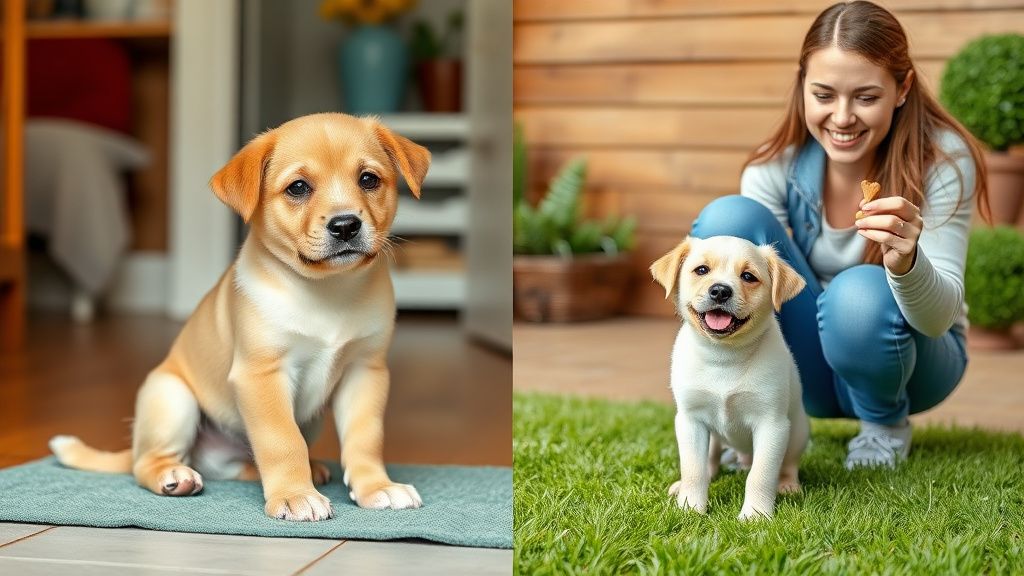
3. The moment they finish, praise calmly and then give that high value treat immediately.
4. Then, you can have a little playtime or walk as a bonus reward. This teaches them that potty time comes first, then fun.
How to Handle the Inevitable Accidents
They will happen. Even with the best schedule, a puppy might have an accident. How you respond is critical. Never punish, yell, or rub their nose in it. Your puppy is not being spiteful; they simply had an urge and didn't know how or couldn't communicate to get outside in time. Punishment only creates fear and can make your puppy hide from you to eliminate.
The right way to handle an accident:1. Interrupt calmly if you catch them in the act. A gentle "Oops!" or clap can startle them enough to stop. Immediately scoop them up and take them to their potty spot. If they finish there, reward them.
2. If you find it after the fact, just clean it up. They cannot connect your displeasure with something they did minutes ago.
3. Clean thoroughly with that enzymatic cleaner. Soak the area according to the product's instructions to completely break down the odor.
Remember, accidents are feedback for *you*. They usually mean the puppy was left unsupervised too long, the schedule wasn't followed, or they weren't taken out after a key trigger like playtime. Use it as information to adjust your plan.
The Role of Crate Training, Feeding, and Supervision
These three elements are the supporting pillars of your 7 day plan.
Crate Training is Your Best FriendA crate uses a dog's natural instinct not to soil their sleeping area. When sized correctly, it helps your puppy learn to "hold it" for reasonable periods. The crate is for sleeping, eating tasty chews, and short calm periods when you cannot actively supervise. It should always be a positive space. You can make it cozy with a blanket and by occasionally dropping in a great treat from a dog subscription box for them to discover.
Consistent Feeding = Predictable OutputFeed your puppy on a strict schedule, two to three times a day, rather than free feeding (leaving food out all day). This allows you to predict when they'll need to go out. What you feed also matters. A consistent, easily digestible diet supports stable digestion. Whether you choose kibble, fresh dog food, or another format, stick with it during training to avoid stomach upset that can derail your progress. If you use a dog food delivery service, the consistency in meal timing and ingredients is a huge help.
Constant Supervision is MandatoryWhen your puppy is out of the crate, they should be 100% in your sight. Use baby gates, keep them on a leash attached to you, or stay in a puppy proofed room. This watchfulness lets you learn their "I need to go" signs, which can include sniffing intently, circling, whining, or suddenly leaving the room. The moment you see a sign, it's an express trip outside.
Troubleshooting Common Potty Training Challenges
Even with a perfect plan, you might hit a snag. Here's how to handle some frequent issues.
My Puppy Won't Go Potty OutsideThey might be overstimulated. Choose a quieter potty spot and stand still. Be patient for up to 5 minutes. If nothing happens, take them back inside, put them in their crate for 10 minutes, then try again. This breaks the cycle and encourages them to go when they get the chance.
My Puppy Goes Right After Coming InsideThis is often because the outdoor trip was too exciting or too long. Keep potty trips business like. Go to the spot, give them a few minutes, and if they don't go, come back inside for a short supervised crate break before trying again. Ensure you are rewarding *heavily* when they do succeed outside.
Progress Seems to Be Stalling or ReversingFirst, rule out medical issues like a urinary tract infection with your vet. If they're healthy, re evaluate your routine. Have you gotten lax on the schedule? Are you missing their cues? Go back to the basics of more frequent trips and eagle eyed supervision for a couple of days. Stress or anxiety can also cause setbacks, so ensure your puppy feels safe. For more on managing stress, our dog anxiety guide has helpful tips.
Nighttime TrainingPuppies under 4 months old physically cannot hold it all night. Plan for one or two nighttime breaks. Set a quiet alarm, take them out on leash to their spot with minimal interaction, reward if they go, and then straight back to the crate. No playtime. This teaches them that night trips are for business only.
Final Thoughts
Potty training a puppy in seven days is less about achieving perfection and more about installing the fundamental operating system: outside is good, inside is not. You are building a language of cues, rewards, and routines that will last a lifetime. Some puppies will master it in a week, others may need a few more weeks of consistent practice. The size, breed, and prior history of your puppy all play a role.
The investment of intense focus this week pays enormous dividends. You are not just avoiding messes; you are building trust and teaching your puppy that you are a reliable guide. Celebrate the small victories, like the first time they sit by the door or whine to go out. Those moments are proof your communication is working.
Remember to stock up on patience and those best dog treats for rewards. Keep your enzymatic cleaner handy, and trust the process. Before you know it, those frantic trips outside will become a simple, smooth part of your day, and you'll have a confident, house trained companion who knows exactly what "Go potty" means. For more on building a great life with your new dog, explore our guide on choosing the right puppy food.
Find the Perfect Box for Your Dog
Compare top-rated dog subscription boxes and find the best fit for your pup.
Compare Boxes