Your 2026 Guide To Pet Surgery Coverage

Uncover 2026's pet surgery coverage: what's new, what's covered, and how to choose the best plan for your budget.
Pet insurance for surgery in 2026 typically covers 70-90% of costs after a deductible, with top plans from Trupanion and Pets Best reimbursing up to $30,000-unlimited per year. Key surgical procedures like ACL repair ($3,000-6,000), tumor removal ($2,000-5,000), and emergency bloat surgery ($3,000-7,500) are covered under most accident and illness plans.
As a pet care writer and a dog parent myself, I know the sinking feeling that comes with a vet's serious diagnosis. The love is instant, but the treatment plan can be overwhelming, especially when it involves the word "surgery." We plan for our dog's meals with a best dog subscription boxes, we carefully select their treats, and we ensure they get the best dog food delivery, but a major medical event can upend all of that financial planning in a single afternoon. Understanding how pet insurance, specifically surgical coverage, works in 2026 is not just about managing risk, it's about preserving the bond with your pet and ensuring money is never the deciding factor in their care.
The Skyrocketing Cost of Veterinary Surgery
To understand why surgical coverage is the cornerstone of a good pet insurance policy, you need to grasp the reality of modern veterinary costs. Medicine has advanced dramatically, offering our pets treatments that were once only available in human hospitals. But this comes at a price.
A veterinarian from Utah shared a powerful comparison that puts this into perspective. In the 1990s, a surgery for a dog might have cost around $2,000. Today, that same case is likely to involve advanced diagnostics like an MRI or CT scan, a board certified specialist surgeon, and a full surgical team. The total bill for a complex procedure now easily approaches $10,000.
This isn't an outlier. Common emergency surgeries, like removing a foreign object a dog swallowed or repairing a traumatic injury, routinely fall in the $3,000 to $5,000 range. As a pet parent myself, I know how stressful these unexpected bills are. It is heartbreaking to have finances become a central part of a life saving decision. This dramatic cost escalation is the primary reason surgical coverage has moved from a niche consideration to an essential part of responsible pet ownership.
What Surgical Coverage Actually Includes in 2026
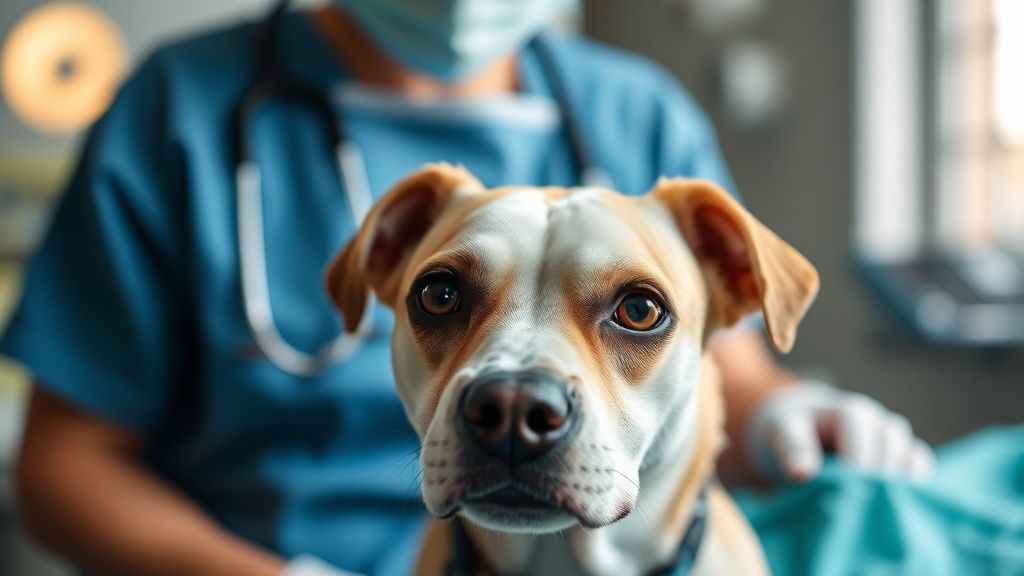
When reviewing a policy, don't just look for the word "surgery." The best plans in 2026 offer a complete care pathway. According to industry analyses, comprehensive surgical coverage typically includes three key phases: pre surgical diagnostics, the procedure itself, and post operative care.
Pre Surgical DiagnosticsThis is where many costs begin to accumulate. Before a vet can operate, they need to know exactly what they're dealing with. Your policy should cover the necessary tests to get a clear picture. This includes:
* X rays and ultrasounds
* Advanced imaging like MRI or CT scans (as highlighted in the cost comparison)
* Blood work and lab tests
* Consultations with a specialist
The Surgical ProcedureCoverage here applies to the actual operation. This encompasses the surgeon's fees, anesthesia, operating room use, and any implants or specialized materials required. For example, a common and expensive procedure like ACL (cruciate ligament) surgery for dogs is a key test of a policy's strength. Analysis of real claim payouts shows that leading providers like Trupanion and Healthy Paws often cover 80 to 90 percent of these costs after the deductible is met.
Post Operative CareRecovery is just as critical as the surgery. Look for policies that cover:
* Hospitalization and monitoring after the operation
* Follow up vet visits
* Pain medications and antibiotics
* Physical therapy or rehabilitation, which is becoming a more common and covered benefit
* E collar (the cone) and any necessary wound care supplies
Remember, pet insurance functions similarly to human health insurance but with distinct differences. You pay the vet bill upfront, then submit a claim to your insurer for reimbursement based on your plan's terms.
Choosing the Right Plan for Surgical Protection
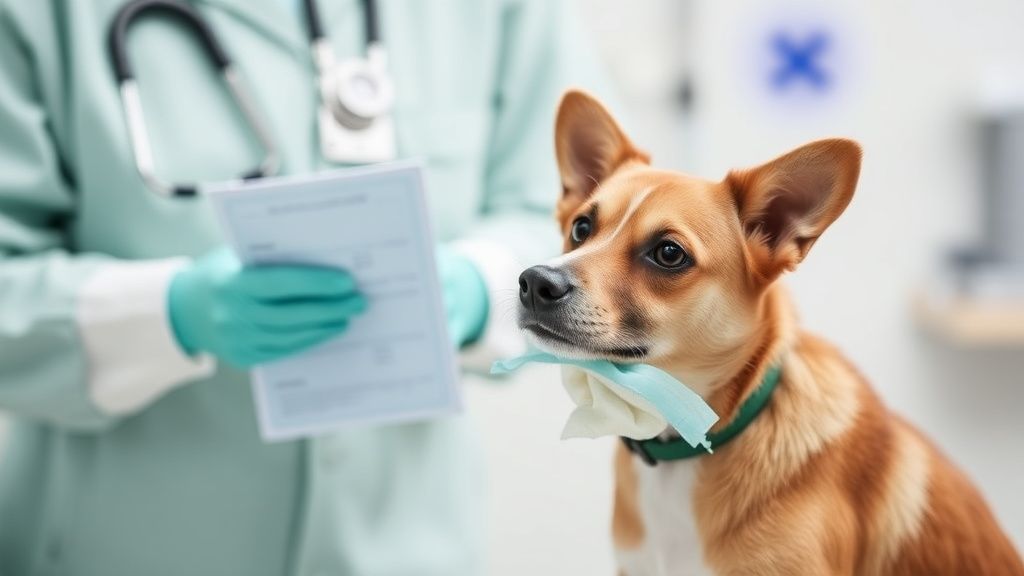
With many providers in the market, selecting a plan can feel daunting. Our research, along with analyses from sources like U.S. News, indicates that the best overall companies offer customizable plans that let you tailor coverage to your budget and your pet's needs. Here is what to compare.
Accident and Illness vs. Accident OnlyFor meaningful surgical coverage, an accident and illness plan is non negotiable. Accident only plans are more limited and will not cover surgery required for an illness, such as removing a cancerous tumor or repairing a liver shunt. As industry reports confirm, comprehensive plans cover accidents, diseases, surgical procedures, and hospitalization.
Reimbursement Rate, Deductible, and Annual LimitThese three levers directly affect your premium and your out of pocket costs.
* Reimbursement Rate: This is the percentage of the covered bill the insurer pays back to you. Common options are 70%, 80%, or 90%. Higher reimbursement means lower out of pocket costs per claim.
* Deductible: This is the amount you pay out of pocket each year before coverage kicks in. Options typically range from $100 to $1,000. A higher deductible usually means a lower monthly premium.
* Annual Limit: This is the maximum amount the insurer will pay in a policy year. Some providers, like Healthy Paws, offer unlimited annual limits, which can provide immense peace of mind for a major surgical year.
Wellness Add OnsCompanies like ASPCA Pet Health Insurance offer wellness riders. These are separate from surgical coverage and help budget for routine care like vaccinations, dental cleanings, and flea prevention. Think of it like using a dog subscription box for toys and chews to manage fun expenses, while insurance handles the medical surprises.
The Tangible Value of Being Insured
Beyond the financial mechanics, insurance has a profound impact on pet care decisions and outcomes. Data reveals a compelling story about the difference a policy makes.
A study found that insured cats are 20% more likely to receive surgical treatment when needed, and 38% more is spent on those procedures. This strongly suggests that insurance removes a significant barrier to care, allowing vets and owners to choose the best treatment option, not just the most affordable one.
Furthermore, insurance fosters continuity of care. The data shows that after three years, 81% of insured dog owners remain at the same veterinary practice, compared to only 46% of uninsured owners. When you face a complex surgery, having a vet who knows your pet's full history is invaluable. Insurance helps you maintain that relationship instead of being forced to shop around for the lowest cost during a crisis.
Common Surgical Procedures and What to Expect
Let's make this practical. Here are a few examples of surgeries dogs may need and how insurance can help.
ACL (Cruciate Ligament) RepairThis is a very common orthopedic injury, especially in active and larger breeds. The surgery can cost between $3,000 and $7,000 per knee. With a policy that has a 90% reimbursement rate and a $500 deductible, on a $5,000 surgery you would pay $500 (deductible) plus 10% of the remaining $4,500 ($450), totaling $950 out of pocket. Your insurance would cover $4,050.
Foreign Body RemovalDogs are notorious for eating things they shouldn't, from socks to toys. Emergency surgery to remove a blockage often costs $3,000 to $5,000. Coverage would typically include the diagnostic X rays, the surgery, and the overnight hospital stay.
Mass or Tumor RemovalThe cost here varies widely based on the tumor's location and complexity. It can range from $1,000 for a simple removal to $5,000 or more for a complex procedure. Coverage would include the pre surgical biopsy, the surgery, and the lab analysis of the removed tissue.
Dental ExtractionsWhile sometimes considered under "dental care," severe periodontal disease often requires surgical extractions, which can cost over $1,000. Many accident and illness plans cover this if the condition is not a pre existing one.
Final Thoughts
Planning for your dog's health is an act of love, as deliberate as choosing a balanced and complete food from your dog food delivery service or finding the best dog treats for training. In 2026, surgical coverage is the most critical component of that plan. The advancements in veterinary medicine are a blessing, giving our pets longer and better lives, but they come with a price tag that can cause immense stress.
Investing in a strong accident and illness policy with comprehensive surgical coverage is ultimately about freedom. It grants you the freedom to follow your veterinarian's best advice without financial dread. It allows you to focus entirely on your dog's recovery, not on the payment method. As the data shows, insured pets get more care, and their owners enjoy more stable relationships with their vets.
Start your search by looking at customizable providers that scored highly in our research, like ASPCA Pet Health Insurance, and compare their surgical terms directly. Look at the reimbursement rates, the deductible options, and whether pre and post operative care is clearly included. By understanding these details now, you can ensure that if the unexpected happens, you and your best friend are ready.
Recommended Products


Find the Perfect Box for Your Dog
Compare top-rated dog subscription boxes and find the best fit for your pup.
Compare Boxes