When To Leave Your Puppy Alone
Skip the crate? Discover safe strategies for leaving your puppy home alone as they gain independence and trust.
You can safely leave a non-crate-trained puppy alone starting at 3-4 months in a puppy-proofed room or exercise pen for 1 hour per month of age (max 4-6 hours). Use baby gates to confine them to a safe area, provide puzzle toys for mental stimulation, and gradually increase alone time to build independence without anxiety.
So you've decided not to crate train your puppy. Maybe the idea of confinement doesn't sit right with you, or perhaps you have other dogs who roam free and it feels unfair. You're not alone. Many dog owners successfully raise happy, well behaved puppies without ever using a crate as a primary tool. But this path requires a different kind of diligence, a shift from managing the environment *inside* a crate to puppy proofing your entire home and building rock solid routines. It's entirely possible, and it centers on teaching your puppy how to live politely in your space, rather than simply containing them.
The journey from a tiny, curious land shark to a trustworthy adult dog is one of the most rewarding parts of pet ownership. I've seen many puppies thrive in crate free homes, but the common thread is always a proactive and attentive owner. Let's explore how you can set your puppy up for success, ensuring their safety and your peace of mind when you eventually need to step out.
Understanding Your Puppy's Developmental Stages

Before you even think about leaving your puppy alone, you need to understand what you're working with. A puppy's ability to be trusted is directly tied to their age, maturity, and the foundation you've built.
The Impulsive Baby Phase (8-16 Weeks)
This is the period of highest supervision. According to the Veterinary Medical Center at Ohio State University, you should never leave your puppy unsupervised during the initial training period. That means if you're cooking, showering, or even just glancing at your phone, your puppy needs to be in a safe, confined area. Their curiosity is boundless, and their impulse control is nearly zero. They will chew, explore, and have accidents. Your job is to prevent rehearsals of bad behavior by managing their environment completely. One Reddit user mentioned using a gated off living room where they could always see the puppy while doing chores around the house, which is a perfect strategy for this stage.
The Testing Teenager Phase (4-9 Months)
Around six months, many owners, like the one in the Reddit thread, start considering short solo freedoms. Your puppy has better bladder control and understands more commands, but they are also more independent and may test boundaries. This is when strategic confinement becomes key. You might graduate from a single puppy proofed room to a larger area, but you're not ready for free reign of the house. This phase is all about building trust in small increments.
Maturing Into Reliability (9+ Months)
Most experts agree you should let your dog mature out of their energetic puppy phase before granting full unsupervised freedom. The wikiHow guide suggests that for crate training, a dog should typically use a crate for at least 8 consecutive months. For a non crated dog, this timeline still serves as a good benchmark for maturity. On Golden Retriever forums, many report success around this age, with one owner noting their dog did great with access to most of the house at around 10-12 months, left with toys and puzzles for up to 4-5 hours.
Building a Foundation Without a Crate
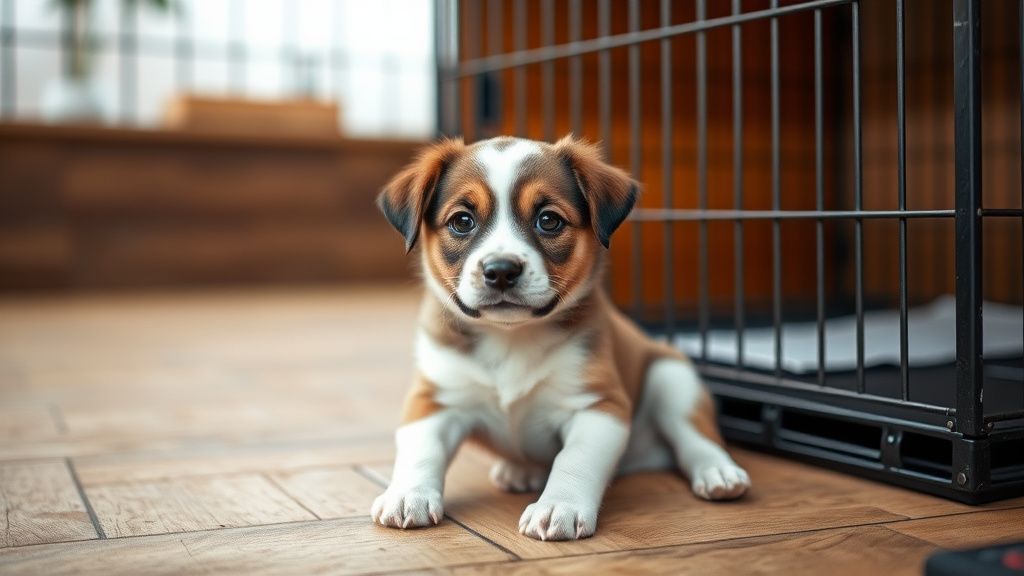
Raising a puppy without a crate isn't about simply removing the box. It's about replacing the structure and safety it provides with other systems. The ASPCA notes that crate time is often gauged by a rule of thumb: one hour per month of age. Without a crate, your schedule becomes your new best friend.
The Power of a Predictable Schedule
Consistency is your most powerful tool. Puppies thrive on routine because it helps them understand what to expect and when to expect it. This is the core of successful housebreaking, crate or no crate.
* Frequent Potty Breaks: Take your puppy out first thing in the morning, after every meal, after every play session, and right before bed. Praise and reward heavily for success outside.
* Scheduled Feeding Times: Feed at the same times each day. This not only regulates their digestive system, making potty breaks more predictable, but also turns mealtime into a training opportunity. Using a puzzle feeder or a Kong can extend this mentally stimulating activity.
* Enforced Nap Times: Puppies need 18-20 hours of sleep per day. Without a crate to encourage settling, you must create a calm, designated "settle spot" like a bed in a quiet corner and actively encourage naps after periods of activity.
Supervised Freedom and "Puppy Proofing"
Your goal is to set your puppy up to succeed. This means actively teaching them what is appropriate to chew and what is off limits, rather than just putting things out of reach.
* Constant Supervision: Keep your puppy leashed to you or within eyesight at all times when they are loose. This allows you to interrupt inappropriate chewing with a firm "leave it" and redirect to an approved toy.
* 100% Puppy Proofing: Get on your hands and knees and look for dangers. The Reddit user wisely mentioned closing off kitchen access due to stove knobs being a hazard. Secure electrical cords, remove toxic plants, and pick up any small objects. Assume your puppy will explore everything.
Mental and Physical Exercise is Non Negotiable
A tired puppy is a good puppy. The Thriving Canine blog emphasizes that a dog that must be confined for periods should be exercised before you leave and as soon as you get home. This principle is doubly important for a free roaming puppy. Without the forced rest of a crate, you must ensure they are adequately drained of energy.
* Short Training Sessions: PetHelpful points out that these sessions provide crucial mental exercise and help create an obedient dog. Five minutes of practicing "sit," "stay," and "down" multiple times a day is more effective than one long session.
* Appropriate Play: Combine physical romps with games that make them think, like hiding treats or using a snuffle mat. A well exercised puppy is more likely to rest calmly when you are busy or away.
Preparing for Your First Solo Departure
The first time you leave your puppy alone is a big milestone. It should not be a sudden event but a carefully planned and gradual process.
Start With "Absences" While Home
Before you ever walk out the door, practice leaving your puppy in their safe zone while you are in another part of the house. Use a baby gate or closed door. Start with just five minutes while you fold laundry, then work up to an hour. This teaches them that being separated from you is normal and safe. Monitor for distress barking or whining, but only return when they are calm.
Choose and Perfect the Safe Space
Your puppy's safe space is your alternative to the crate. This could be:
* A small, puppy proofed bathroom or laundry room.
* A gated section of a tiled kitchen or living room.
* A large exercise pen (x-pen) set up in a safe area.
This space should have comfortable bedding, fresh water, and several appropriate chew toys. It should be devoid of anything they could destroy or that could harm them.
The Pre Departure Routine
Make your departures low key and boring. A big emotional goodbye can create anxiety.
1. Exercise: Take your puppy for a good walk or have an active play session.
2. Potty: Give them a final opportunity to relieve themselves.
3. Settle: Guide them to their safe space with a long lasting treat, like a stuffed Kong or a chew from a trusted dog best dog subscription boxes. These special treats become associated with your departure and create a positive experience.
4. Leave Calmly: Without fanfare, say a simple cue like "I'll be back," and walk out the door.
Utilizing Technology
Invest in a good pet camera. As the Reddit user mentioned, having a camera to keep an eye on her puppy provided immense peace of mind. You can check if your puppy is settling, crying, or getting into mischief, which informs your next steps.
Graduating to Full House Freedom
The transition from a safe room to having the run of the house is a major sign of trust. It should be done slowly and only after your dog has consistently proven themselves reliable in their smaller space.
Signs Your Dog is Ready
According to professional dog trainers, you can consider moving away from the crate (or confined space) when:
* Your dog is fully house trained and has had no accidents for several months.
* They no longer engage in destructive chewing of household items.
* They show no signs of separation anxiety (excessive barking, destructive scratching at doors) when left in their safe space.
* They are past the adolescent chewing phase, typically after 9-12 months of age.
The Step by Step Expansion Process
Do not just open all the doors one day. Start by expanding their territory for very short periods.
1. Add One Room: If their safe space was the kitchen, allow them access to the adjoining living room for a 15 minute trial while you are home but not interacting.
2. Monitor Closely: Use your camera or listen from another room. Look for signs of anxiety or inappropriate behavior.
3. Increase Time Gradually: If they are calm and well behaved, gradually increase the time they have access to the new area.
4. Add Another Room: Once they are consistently reliable in the expanded area, add another room, like a hallway.
5. Practice Short Trips: Leave the house for just 10-15 minutes with this new access. Review your camera footage.
The owner on the Golden Retriever forum exemplified this perfectly. They started by letting their dog have basically the whole house except the bedrooms, ensuring it was thoroughly puppy proofed. They built up to 4-5 hour absences with no issues, leaving plenty of toys and puzzles.
Troubleshooting Common Challenges
Even with the best preparation, you may hit snags. Here is how to handle common issues in a crate free approach.
Destructive Chewing or Potty Accidents
If this happens when you're gone, it's a clear sign you moved too fast. Immediately scale back. Return your dog to their smaller, safe space for all future departures for at least a few weeks. Re double down on exercise and mental stimulation before you leave. Ensure you are providing enough approved outlets for chewing, like a variety of textures from a curated box of the best dog treats and chews.
Whining or Barking When Alone
This could be isolation distress. First, ensure all physical needs are met (potty, exercise). Never reward the whining by returning while they are making noise. Wait for a moment of quiet before you re enter. You may need to go back to much shorter absences and build up more slowly, making each departure a positive with a fantastic treat.
Managing Multi Dog Households
Having other free roaming dogs complicates things, as the first Reddit user noted. It can seem unfair to crate the new puppy. The key is to manage the environment for the *least* trustworthy member of the pack. If the puppy isn't ready for freedom, the older dogs can be gated into the puppy proofed area with them, or the puppy needs its own separate, safe space until it matures. Never assume an older dog will "teach" the puppy; often, they just learn bad habits from each other.
Final Thoughts
Choosing not to crate train is a valid and compassionate path that focuses on teaching your dog how to behave rather than simply containing them. It demands more upfront time, vigilance, and creativity from you as an owner. You become the architect of their environment and the guide for their behavior every single day.
Success lies in the details: an unshakable schedule, relentless puppy proofing, and a commitment to providing ample physical and mental exercise. Tools like puzzle toys, long lasting chews, and even a reliable dog food delivery service that ensures consistent nutrition all contribute to a calm, satisfied dog who can handle solitude.
Remember, the goal is a confident, trustworthy companion who feels secure in your home. Whether you use a crate, a puppy proofed room, or eventually the whole house, that outcome is achieved through patience, consistency, and a deep understanding of your dog's needs. Watch your puppy, trust the process, and celebrate each small step toward a lifetime of freedom and mutual trust.
Recommended Products


Find the Perfect Box for Your Dog
Compare top-rated dog subscription boxes and find the best fit for your pup.
Compare Boxes