DIY Essential Oil Flea And Tick Blends

Ditch harsh chemicals with these powerful DIY essential oil blends that safely repel fleas and ticks.
A safe, effective DIY essential oil blend for flea and tick protection combines cedarwood, geranium, and lavender oils. Mix 5 drops of each into a dark glass bottle, shake well, and apply to your dog's collar or bandana. Always dilute essential oils properly with a carrier oil like fractionated coconut oil, using a 0.5% to 1% dilution, which is 3 to 6 drops of essential oil per ounce of carrier oil.
As the sun warms the grass and our adventures with our dogs extend into the woods and fields, a familiar concern creeps back into our minds: fleas and ticks. Many of us are looking for ways to protect our furry family members without relying solely on conventional chemical products. I've spoken with countless pet owners who feel the same pull toward a more natural approach, wanting to minimize their dog's exposure to harsh substances while still providing effective defense. The world of essential oils offers a promising, aromatic path, but it requires knowledge, caution, and a respect for the science behind it. This isn't about rejecting modern medicine, but about integrating gentle, plant based strategies into a complete care plan. Think of it like choosing a fresh dog food delivery to complement your dog's overall health regimen; it's one piece of a larger, thoughtful puzzle.
What Essential Oils Actually Repel Fleas and Ticks?
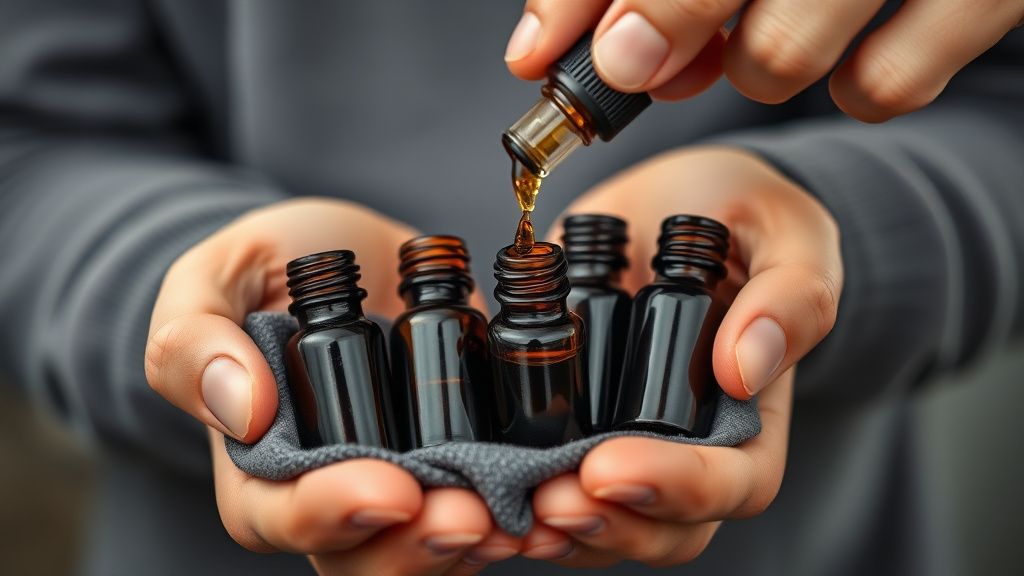
The idea that a pleasant scent can keep pests away is appealing, but not all aromas work. Research and practical experience have pinpointed a few key oils that show real repellent properties.
Cedarwood essential oil stands out as a powerhouse. Studies have shown it effectively repels fleas and ticks when diluted to safe concentrations. One mechanism is its ability to interfere with a tick's scent receptors, which control their breathing and movement. It can even dehydrate ticks. This makes cedarwood, particularly Cedarwood Texas oil, a foundational ingredient in any natural blend.
Geranium oil is another well regarded repellent, especially for ticks. Lavender oil offers a dual benefit; it repels biting insects and also soothes your dog's skin, which can be helpful if they've been itching. Lemongrass oil is frequently included in blends for its strong repellent action. Then there's neem oil, a staple in holistic pet care. When diluted properly, neem oil is safe and effective for dogs, creating a natural barrier against pests. If you find it's too thick, you can gently heat it to mix it into a spray.
These oils work best as a team. A blend combining cedarwood, lemongrass, and neem oils leverages the unique strengths of each. Another simple, effective combination for a collar or bandana uses equal parts cedarwood, geranium, and lavender.
How Do You Mix and Apply These Blends Safely?
Safety is the absolute priority when using essential oils with dogs. Their sensitivity is different from ours, and proper dilution is non negotiable. Undiluted oils can cause skin irritation or other adverse reactions.
The golden rule is to always use a carrier oil. Carrier oils dilute the potent essential oils and help spread them evenly. Fractionated Coconut Oil (FCO) is a popular choice because it's light, doesn't stain, and works perfectly in a spray bottle. Other good options include almond oil, grapeseed oil, or apricot kernel oil.
The recommended dilution for topical application on dogs is a 0.5% to 1% concentration. This translates to 3 to 6 drops of your combined essential oils per ounce of carrier oil. It's a very mild dilution, designed to be safe for regular use.
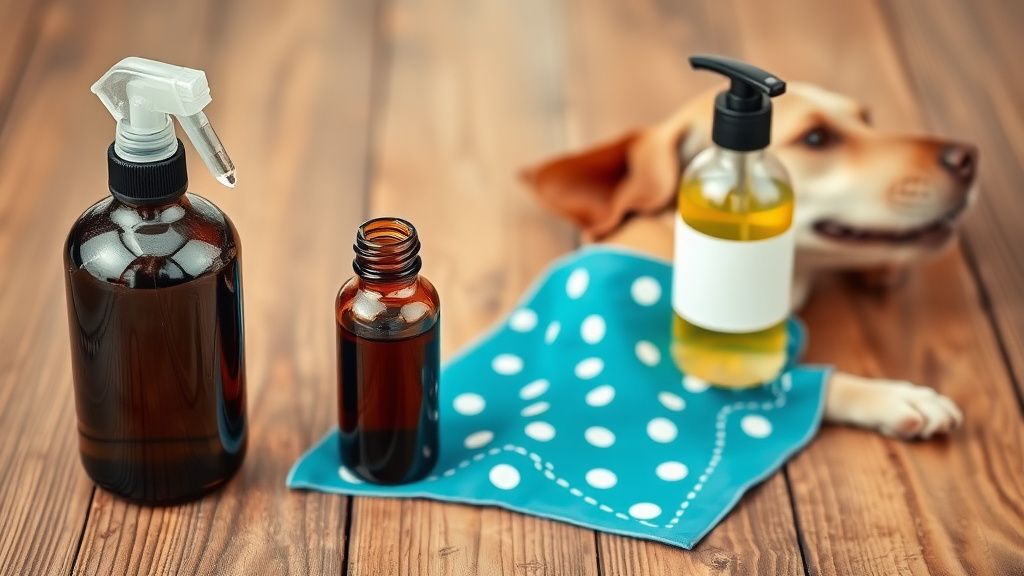
Here is a practical recipe for a spray you can use before walks:
* Combine 3 to 6 drops of your chosen essential oil blend (like the cedarwood, geranium, lavender mix) into a dark glass bottle.
* Add one ounce of your chosen carrier oil, like fractionated coconut oil.
* Shake the bottle vigorously to mix.
* Store it in a dark or opaque glass spritz bottle to protect the oils from light degradation.
* Shake well before each use. Spray or apply with your hands to your dog's coat, focusing on the neck, chest, legs, and base of the tail before venturing into long grass or wooded areas.
For a more targeted, sustained application, you can treat a bandana or a cotton collar. Mix 5 drops each of cedarwood, geranium, and lavender directly into a small dark glass bottle, shake, and then add a few drops of this concentrated blend to your dog's accessory. This creates a localized repellent zone around their head and neck.
What Are the Limitations of Natural Prevention?
It's crucial to approach natural flea and tick prevention with realistic expectations. While essential oils have their place, experts consistently note they are not foolproof. Their effectiveness can vary widely based on factors like your local environment, the specific pest population, and your dog's lifestyle.
Unlike many standardized pesticide treatments, essential oil products do not have regulated dosages or universally proven efficacy. This makes results somewhat unpredictable. A key distinction is that essential oils primarily *repel* fleas and ticks, they do not typically *kill* them. This means they can help keep pests off your dog, but may not eliminate an existing infestation or prevent a tick that does latch on from transmitting disease.
The protection window is also shorter. Essential oil blends need to be reapplied more frequently, often before every outdoor excursion, compared to longer lasting chemical preventatives. For a dog with a very active lifestyle or one living in a high risk area, this might mean reapplying several times a day.
This doesn't mean you shouldn't use them. It means you should use them as part of a layered strategy. It's similar to how you might use a best dog subscription boxes for toys and enrichment, but still consult your vet for serious health concerns. Natural blends can be excellent for low risk situations, for supplemental protection, or for owners seeking to reduce chemical load where possible.
When Should You Consult Your Veterinarian?
This is the most important section. Any change to your dog's pest prevention plan should involve a conversation with your veterinarian. They understand your dog's individual health profile, your local risks, and can help you weigh the pros and cons of every option.
Before you even purchase your first bottle of essential oil, talk to your vet. Mention the specific oils you're considering, like cedarwood or neem. They can advise on any known sensitivities or contraindications for your dog, especially if your dog has pre existing skin conditions or other health issues.
If you are currently using a conventional flea and tick product, ask your vet about the possibility of combining methods or transitioning. Some chemical preventatives may interact with other topically applied products.
Your veterinarian is also your best resource for understanding the real threat level in your area. They can tell you if Lyme disease or other tick borne illnesses are prevalent locally, which might influence how heavily you rely on any prevention method, natural or otherwise. Professional advice ensures the well-being and safety of your pets above all else.
Monitor your dog closely when you start using any new blend. Watch for signs of skin irritation, unusual scratching, or any behavioral changes. If you notice anything concerning, stop use immediately and contact your vet. Natural should never mean unsupervised.
Can You Integrate This into a Holistic Care Routine?
Absolutely. Natural flea and tick prevention fits beautifully into a broader philosophy of proactive, mindful dog care. It's about creating a healthy environment that supports your dog's natural defenses.
Start with a strong foundation of health. A dog with a strong immune system and healthy skin is better equipped to handle minor pest exposures. Feeding a high quality diet, whether it's a raw dog food or a balanced kibble, plays a huge role. Regular grooming is also key. Brushing your dog not only spreads their natural oils but also allows you to physically check for any ticks or flea dirt, catching problems early.
Make your essential oil application a ritual. Applying a light spray before your daily walk can become a bonding moment, much like the excitement of opening a new box of best dog treats. You're not just applying protection, you're engaging in a mindful practice of care.
Remember, prevention extends to your home environment. Keeping your yard tidy, washing bedding regularly, and vacuuming often can reduce the chance of fleas taking hold. Your DIY oil blends can also be used to freshen and lightly treat dog bedding, adding another layer of defense.
Think of it as a comprehensive approach, where natural repellents, good nutrition, regular grooming, and environmental management all work together. For more on building a wholesome routine, check out our article on creating a stress free grooming experience.
Final Thoughts
Venturing into natural flea and tick prevention with essential oils is a journey of empowerment and education. It allows you to take an active, hands on role in your dog's well-being using the gifts of nature. The blends featuring cedarwood, geranium, lavender, lemongrass, and neem offer a fragrant, gentle line of defense.
However, this path demands respect for the oils' potency and an understanding of their limits. They are a tool, not a magic shield. Their success depends on your commitment to proper dilution, frequent reapplication, and vigilant observation of your dog.
Most importantly, this should never be a solo mission. Partner with your veterinarian. Use these natural methods as a complementary strategy within a plan they endorse. Your goal is the same as mine: a happy, healthy dog, free from the discomfort and danger of pests, enjoying every sun drenched walk and every cozy cuddle at home.
Recommended Products



Find the Perfect Box for Your Dog
Compare top-rated dog subscription boxes and find the best fit for your pup.
Compare Boxes