Master Dog Stranger Desensitization From Afar
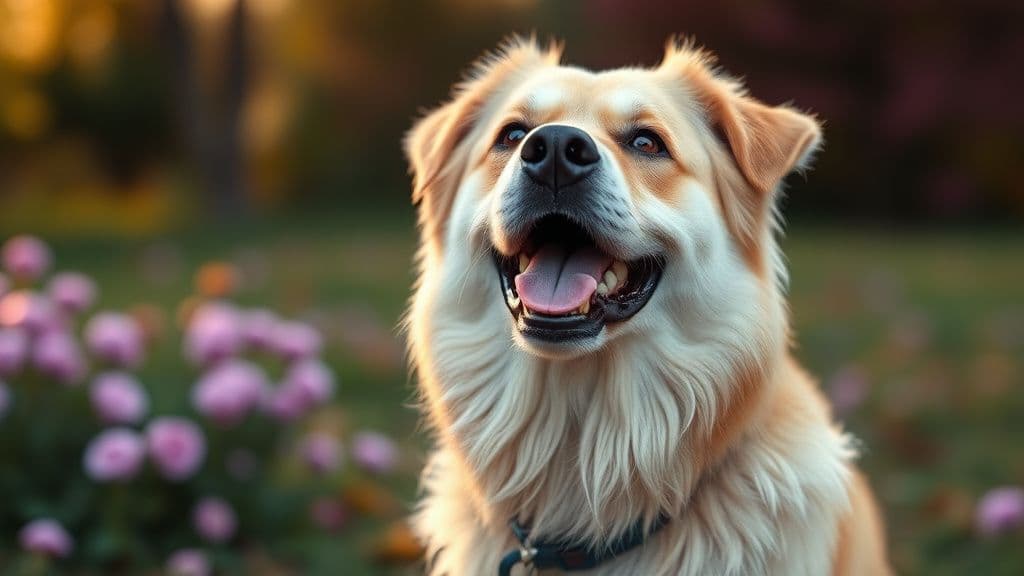
Help your dog stay calm around strangers by building their confidence with smart, controlled distance management.
Managing distance is the foundational principle of desensitizing a dog to strangers. You must begin at a distance where your dog notices the stranger but feels completely safe and shows no fear or anxiety. At that threshold, you pair the stranger's presence with something wonderful, like top quality treats. Then, over many sessions, you gradually and slowly decrease the distance, only moving closer when your dog remains consistently relaxed.
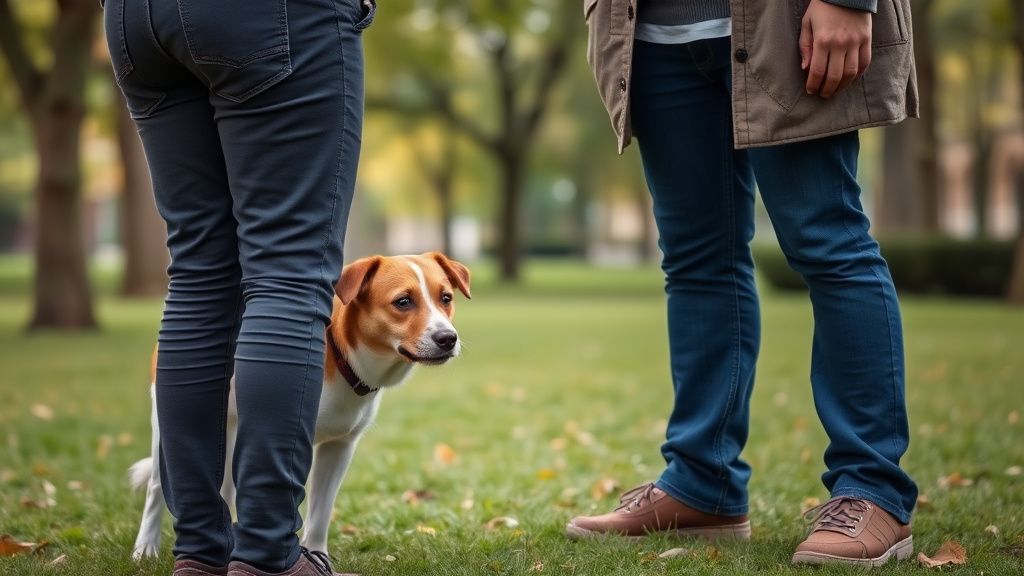
Watching your dog tense up, bark, or hide when a stranger approaches is a heart sinking feeling. You want them to feel safe and confident in the world, but their fear is real and overwhelming. The good news is that you can help them change their emotional response. The most powerful tool you have isn't a special leash or a magic command; it's space. Think of your dog's comfort zone as a bubble. When a stranger pops that bubble, your dog reacts. Our job is to slowly, patiently, and systematically expand that bubble until it can comfortably include calm strangers at a normal distance. This process, combining desensitization and counterconditioning, is a proven method recommended by experts from the American Kennel Club to professional behaviorists. I've seen shy dogs blossom using this very technique, and it all starts with respecting and managing distance.
What is Desensitization and Counterconditioning?
Before we map out the steps, let's understand the two core concepts working together. They are often abbreviated as D/CC, and they are the gold standard for changing a dog's emotional response to something they fear.
Desensitization is the gradual part. It means exposing your dog to the thing that scares them, in this case, strangers, but at such a low intensity that it doesn't trigger a fear response. As the AKC notes, this means starting at a distance where your dog merely notices the stranger but isn't nervous. The key is to then very slowly decrease that distance over many sessions. As the trainers at Black Paw Dog Training emphasize, we're talking about moving inches at a time, not feet. Rushing this is the most common mistake and will set your training back. Counterconditioning is the pairing part. While your dog is in that safe, non fearful state of merely noticing a stranger, you provide something incredibly positive. You're building a new association in your dog's mind: "Stranger appears = amazing things happen!" The "amazing thing" should be something your dog loves and doesn't get often. This could be small pieces of grilled chicken, a special paste from a squeeze tube, or even a favorite toy. The Richmond SPCA's guide on fearfulness stresses that the reward must happen while the stranger is present and stop when they leave, cementing the connection.Think of it this way: desensitization carefully controls the volume of the scary thing, and counterconditioning changes the soundtrack from ominous music to their favorite happy song.
How to Find and Use Your Dog's "Threshold Distance"
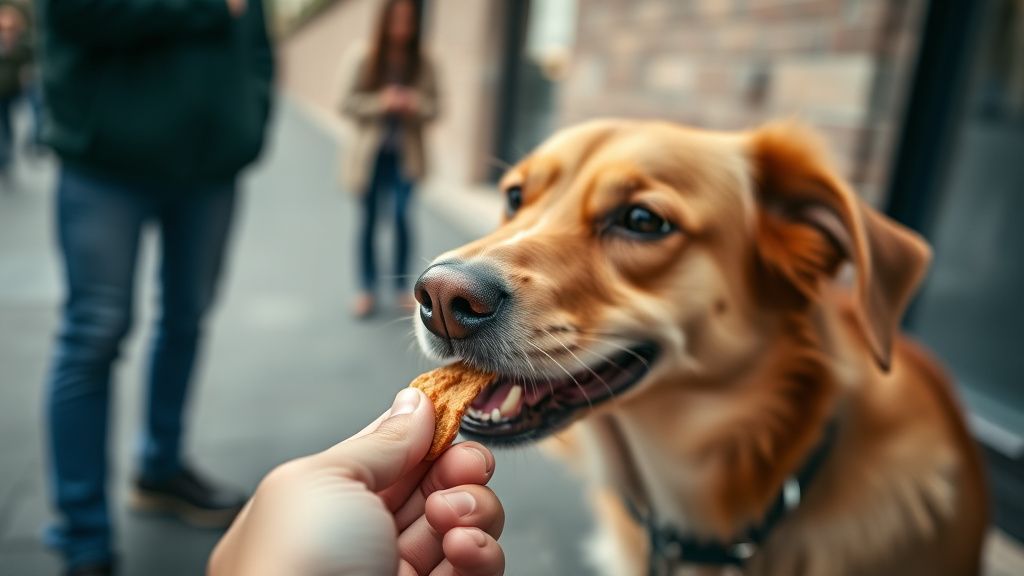
The threshold distance is your starting line. It's the exact point where your dog can see, hear, or sense a stranger but still feel safe enough to take a treat from you comfortably. If they are too stressed, they may refuse food, whine, growl, or fixate. That's a clear sign you're too close.
1. Start in a Controlled Environment. Don't begin at a busy farmer's market. Choose a quiet park bench, an empty parking lot, or even your front yard with you sitting on the porch. You need to be able to control the scenario.
2. Observe Your Dog Calmly. Have your high value treats ready. When a stranger appears in the distance, maybe someone walking their dog down the block, watch your dog's body language. Do their ears perk up? Do they look and then look away? That's perfect. If they stiffen, stop looking at you, or the hair on their back rises, they are already over threshold and the stranger is too close.
3. Mark and Reward. The moment your dog notices the stranger and *before* they react fearfully, say a calm word like "yes" or "good" and give them a treat. Keep feeding treats at a steady pace as long as the stranger is within view and your dog remains calm. When the stranger leaves, stop the treats.
4. Ask for Space. This is crucial. If someone approaches you during this training, be your dog's advocate. Politely say, "We're in training, could you please give us some space?" or simply "Please ignore my dog." Most people will understand. Protecting your dog's threshold builds their trust in you.
The AKC suggests that for some dogs, this safe distance might be just a foot or two from a calm person. For others, it might be the sight of someone down the block. For a dog scared of other dogs, the starting point might be 20 feet from a quiet, still dog. Your dog's behavior is your only guide.
A Step-by-Step Training Plan for Strangers
Now let's build a practical plan using the principles from our research. Remember, patience is not just a virtue here; it's the requirement for success.
Step 1: Setup and PreparationGather your highest value rewards. This isn't the time for their regular kibble. Think of something special like small pieces of cheese, hot dog, or a premium treat from a dog subscription box. You'll also need a leash, a comfortable harness, and your chosen low distraction location.
Step 2: The First SessionFind your threshold distance with a neutral stranger. A friend who can follow instructions is ideal for later stages, but for now, any unaware person will do. When your dog notices them, begin your "yes and treat" pattern. Keep sessions short, just 3 to 5 minutes. End on a positive note by moving away from the trigger and playing a quick game.
Step 3: Gradually Decreasing DistanceThis is the core of desensitization. Over many sessions, you will slowly shrink the gap. Let's say you started 50 feet away and your dog was perfectly calm for three sessions in a row. Next time, try 45 feet. If they stay relaxed and happily take treats, you've found your new working distance. As the guide from Canine Behavior Counseling explains, you gradually reduce the distance until the dog is relaxed with the person nearby. This could take days, weeks, or months. Moving forward is not the goal; maintaining your dog's calm state is.
Step 4: Introducing Movement and VariabilityOnce your dog is comfortable with a stationary stranger at a closer distance, add mild challenges. Have your helper (or observe a stranger) walk back and forth at a constant distance, as described in the Pablo River Vet resource. Then, you can practice walking parallel to a stranger at a safe distance. Always pair their movement with your rewards.
Step 5: Building Positive AssociationsThe entire time, you are counterconditioning. You're not just teaching tolerance; you're building a positive link. Scatter treats on the ground when a stranger passes, as suggested by Every Dog Austin. Feed a continuous stream of delicious fresh dog food toppers from a spoon. Make strangers predict the best part of your dog's day.
Common Mistakes to Avoid
Even with the best intentions, it's easy to undermine your progress. Here are the pitfalls to steer clear of.
* Pushing Too Fast, Too Soon. This is the number one error. If you decrease the distance and your dog shows any sign of anxiety, you've gone too far. Immediately increase the distance again. Success is measured in calmness, not proximity.
* Forcing an Interaction. Never let a stranger pet your dog during this process, no matter how "friendly" they seem. The goal is for your dog to learn that strangers are not a threat because they *don't* approach. Forcing contact can trigger a fear bite and ruin weeks of work.
* Using Punishment or Corrections. Scolding or jerking the leash for growling or barking teaches your dog that the presence of a stranger leads to bad things from you. This increases their anxiety, making the problem worse. Focus on rewarding the behavior you want.
* Neglecting Your Own Energy. Dogs are brilliant at reading our tension. If you get anxious when you see a stranger approaching, gripping the leash tightly and holding your breath, your dog will think, "My human is worried, I should be too!" Try to stay calm, breathe normally, and use a happy, encouraging tone.
* Skipping Management. Training sessions are just part of the solution. In real life, use management tools to prevent rehearsals of the fearful behavior. Cross the street, create space, or use visual barriers. This prevents your dog from practicing their fear, which is a key part of any dog anxiety guide.
When to Seek Professional Help
While this guide provides a strong framework, some cases require expert hands. If your dog's fear manifests as aggression, lunging, snapping, or biting, consult a certified professional dog trainer or a veterinary behaviorist immediately. They can assess your specific situation, rule out medical causes (like pain that makes your dog irritable), and create a tailored safety plan. A professional can also help you navigate complex scenarios and ensure everyone's safety during the training process.
Final Thoughts
Helping a dog overcome their fear of strangers is a journey of trust, patience, and tiny victories. It's about seeing the world through their eyes and honoring their need for space. By mastering the management of distance, you give your dog the single greatest gift: the opportunity to feel safe. Celebrate the small moments, the first time they take a treat while glancing at a person, the relaxed sigh they give when someone walks by. Those are the real milestones. With consistent, compassionate work using desensitization and counterconditioning, you can help your dog build a new, happier story about the people they meet. Their confidence will grow, and so will the bond you share, making every walk a more peaceful and enjoyable adventure for you both.
Find the Perfect Box for Your Dog
Compare top-rated dog subscription boxes and find the best fit for your pup.
Compare Boxes