Stop Your Dog From Drinking Puddles This Spring
Stop leptospirosis this spring. Learn simple tricks to keep your dog safe from dangerous puddle water.
To stop your dog drinking from puddles and prevent leptospirosis, you must actively manage their environment and training. Carry fresh water on walks to offer an immediate alternative, use a leash to steer them away from risky water, and reinforce "leave it" commands. The most critical step is to ensure your dog receives the leptospirosis vaccine and gets annual booster shots as recommended by your veterinarian.
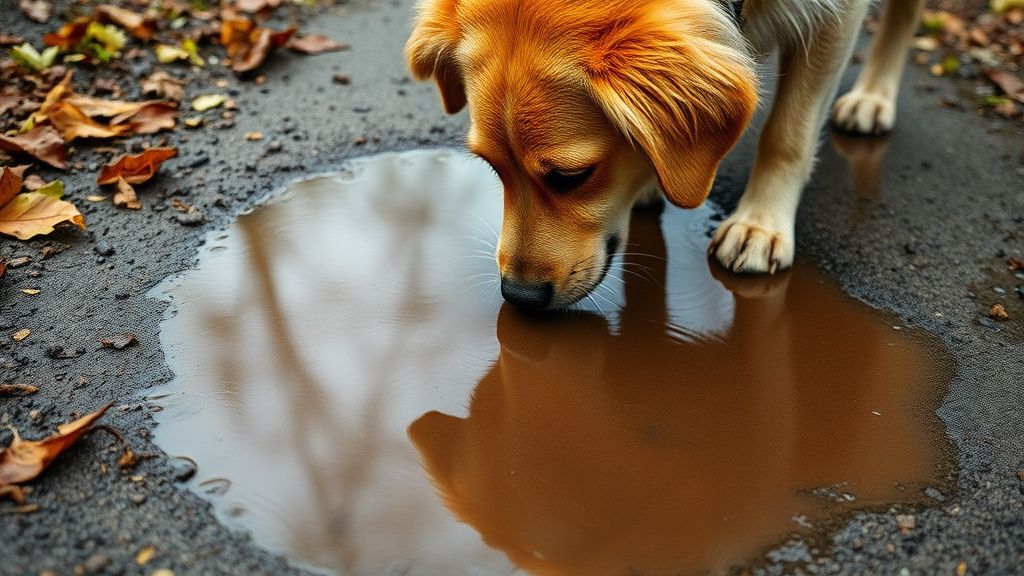
Spring is a season of renewal, but for dog owners, those warming days and April showers bring a hidden danger to our puddles. That seemingly harmless water collecting in the park or at the curb is a potential breeding ground for a serious bacterial disease called leptospirosis. I've seen too many concerned pet parents in my vet's office, worried after their pup took a quick sip from a roadside puddle. The threat is real, and it's present in city, suburb, and countryside alike. As the snow melts and rains fall, contaminated water runs into puddles, ponds, and streams, creating a perfect storm for this disease. This spring, let's focus on simple, effective strategies to protect our dogs from this preventable illness.
What Is Leptospirosis and Why Is It So Dangerous?
Leptospirosis is caused by spiral shaped bacteria called *Leptospira*. These bacteria thrive in warm, wet environments and are spread through the urine of infected animals. Wildlife like raccoons, skunks, deer, and especially rodents are common carriers. When it rains, urine from these animals washes into standing water and soil.
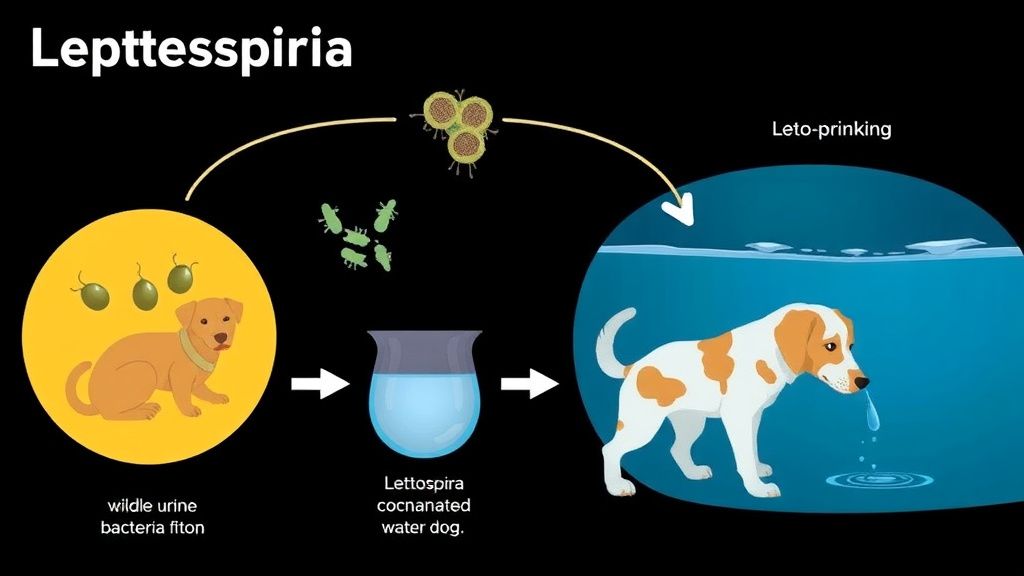
The research is unanimous on the primary risk. The Cornell University College of Veterinary Medicine states the most common way dogs get leptospirosis is through water contaminated with urine, particularly stagnant or slow moving water like puddles, ponds, or lakes. Your dog can be exposed by drinking from these sources, or simply by walking through contaminated water or mud and then licking their paws. The bacteria can enter through cuts in the skin or through mucous membranes.
Once infected, the bacteria attack the body. They travel through the bloodstream, targeting vital organs like the kidneys and liver. The American Veterinary Medical Association notes that infection can lead to severe kidney damage, liver failure, and even death if not treated promptly. Early symptoms are often vague and flu like, making it easy to miss. Watch for lethargy, loss of appetite, vomiting, fever, and increased thirst and urination. Because these signs can point to many issues, seeing your vet quickly is crucial for a proper diagnosis and treatment, which typically involves antibiotics and supportive care.
Why Are Spring Puddles a Major Risk Factor?
Spring uniquely amplifies the risk of leptospirosis. After a long winter, several factors converge. First, increased rainfall creates abundant standing water in the form of puddles, flooded fields, and swollen, slow moving streams. These become collection points for runoff contaminated with wildlife urine.
Second, wildlife is more active. Animals are emerging, foraging, and breeding, increasing the spread of bacteria in the environment. The Virginia Tech Veterinary Teaching Hospital explicitly links prevention to "making sure your dog does not drink from or play in stagnant or slow moving waters like ponds, rivers, and puddles," a scenario all too common on spring walks.
Finally, our dogs are eager to get outside and explore after the cooped up winter months. Their curiosity, combined with all that tempting new water, creates a perfect opportunity for exposure. A single drink from the wrong puddle is all it takes.
How Can You Train Your Dog to Avoid Puddles?
Stopping the behavior requires a mix of management and positive reinforcement. You can't just tell your dog a puddle is dangerous. You have to show them what to do instead.
Manage the Environment. This is your first and most effective line of defense. Keep your dog on a leash in areas where puddles are likely. A standard 6 foot leash gives you much better control than a retractable one, allowing you to gently steer your dog away. If you see a puddle ahead, create distance. Cross the street or change your path. The goal is to avoid the temptation altogether. Teach a Solid "Leave It" Command. This command is invaluable for puddles, trash, and other hazards. Start indoors with a treat in your closed hand. Say "leave it." When your dog stops sniffing and pulls away, praise them and give a *different* treat from your other hand. Practice until they reliably ignore the first treat. Then move to placing a treat on the floor, covering it with your hand, and using the same process. Gradually increase difficulty outdoors with low value items before using it for puddles on walks. Always Offer a Better Alternative. The single best trick I've found is to make sure your dog is never thirsty enough to seek out puddles. Always bring a portable bowl and a bottle of fresh water on every walk. Offer them a drink *before* they show interest in a puddle, and again during and after your walk. When they take a drink from you, offer plenty of praise. You're teaching them that the good, clean water comes from you. Make "Come" and "Let's Go" Rewarding. If your dog does head toward a puddle, use your cheerful recall command. When they turn toward you, reward them with an excellent dog treat that is more exciting than the dirty water. Consistency is key. Every successful redirection is a win.What Is the Role of the Leptospirosis Vaccine?
While training and management reduce risk, vaccination is the cornerstone of protection. The research from every source, from the CDC to private veterinary hospitals, emphasizes its importance. The Massachusetts Department of Public Health advises, "There is a vaccine, and you should make sure that your dog is vaccinated against leptospirosis."
The vaccine protects against the most common strains of the *Leptospira* bacteria. It's not a one time solution. Charlotte Veterinary Hospital clarifies that annual boosters are usually recommended to maintain immunity. You must discuss this vaccine with your veterinarian. They will assess your dog's lifestyle. Does your dog go on hikes? Visit dog parks? Have a backyard visited by wildlife? Even urban dogs can encounter rodents. As the Fairfax Veterinary Clinic states, vaccination is a regular part of a complete preventive care plan.
It's a common misconception that only "country dogs" need this vaccine. The CDC is clear: "Almost every dog is at risk of leptospirosis, whether they live in the country, suburbs, or city." Talk to your vet at your dog's next appointment. The peace of mind it provides is invaluable.
What Other Spring Precautions Should You Take?
Beyond puddles and vaccines, a few extra habits form a complete shield against leptospirosis.
Secure Your Home Environment. Keep your garbage covered and avoid feeding pets outside. This helps keep wildlife carriers like raccoons and rodents away from your home. Regularly clean up any standing water in your yard, such as in plant saucers, buckets, or kiddie pools. Practice Good Post Walk Hygiene. After walks, especially in wet weather, wipe your dog's paws and belly with a damp towel. This removes any contaminated water or mud they may have walked through before they can lick it off. It's a simple step that significantly reduces risk. Choose Play Locations Wisely. Opt for well drained parks and walking paths. After heavy rains, avoid trails that run along creeks or through marshy areas where standing water is persistent. The Partners Animal Hospital Asheville specifically warns about risks "especially after heavy rains." Support Overall Health. A strong immune system is always beneficial. Feed your dog a balanced and complete diet, whether it's a fresh dog food service, a traditional kibble, or another format you trust. Keep them active and at a good weight. Consider fun mental stimulation toys that can come from a best dog subscription box to keep them engaged indoors on especially rainy days.Final Thoughts
Protecting your dog from leptospirosis this spring isn't about fostering fear of the outdoors. It's about embracing smart, proactive habits that let you both enjoy the season with confidence. Combine the essential protection of the vaccine with diligent training to avoid puddles. Manage your walks by carrying water and using a leash. A little vigilance goes a very long way.
Remember, your veterinarian is your best partner in this. Have that conversation about the leptospirosis vaccine at your dog's next check up. By taking these steps, you're not just stopping your dog from drinking from a puddle. You're safeguarding their health for all the springs and adventures to come. For more tips on keeping your dog safe and happy through the seasons, explore our guide on creating a pet friendly backyard.
Recommended Products



Find the Perfect Box for Your Dog
Compare top-rated dog subscription boxes and find the best fit for your pup.
Compare Boxes