Teach Your Dog to Swim Safely

Teach your dog to swim safely with these simple steps, building confidence and ensuring a fun, secure water experience.
Not all dogs can swim naturally, and teaching them requires patience, positive reinforcement, and essential safety gear like a life jacket. Start in shallow, calm water, let your dog set the pace, and always teach them how to safely enter and exit the water first. The goal is to build a positive, confident association with swimming for both safety and fun.
The image of a dog joyfully paddling through the water is a classic one, but the reality is that swimming isn't an innate skill for every pup. Just like us, dogs have individual personalities and physical builds that make them more or less suited to aquatic adventures. Some breeds, like Labrador Retrievers, seem born with webbed feet and a love for the lake, while others, such as Bulldogs or Dachshunds, face real challenges due to their body structure. As a dog owner who’s introduced several water-shy pups to the pool, I can tell you that the process is less about teaching a stroke and more about fostering confidence. It’s a journey that, when done right, opens up a wonderful world of low-impact exercise and cooling summer fun. This guide will walk you through a safe, approved by veterinarians method to introduce your dog to swimming, turning potential anxiety into eager anticipation.
Can All Dogs Swim?
This is the most critical question to ask before you even think about heading to the water. The short answer is no. The American Kennel Club and other experts are clear: while many dogs can learn to swim, not all are natural swimmers, and some should be kept out of deep water entirely.

A dog’s ability in the water is heavily influenced by their breed and physical conformation. Breeds historically used for water retrieval, like Spaniels, Poodles, and most Retrievers, typically have physical advantages such as water-resistant coats, webbed feet, and balanced body proportions that make them strong, enthusiastic swimmers.
On the other hand, some breeds face significant hurdles:
* Brachycephalic Breeds: Dogs with short snouts like Bulldogs, Pugs, and Boxers can struggle to keep their noses above water while paddling, making breathing difficult and exhausting them quickly. They are at a high risk of drowning.
* Long-bodied, Short-legged Breeds: Dachshunds and Corgis have a low center of gravity and often have to work incredibly hard to stay afloat, which can lead to rapid fatigue and back strain.
* Heavy, Muscular Breeds: Dogs like Mastiffs may have the strength to swim, but their dense muscle mass can make it harder for them to stay buoyant without significant effort.
Beyond breed, you must consider your individual dog’s personality. A dog that is naturally anxious or fearful may never enjoy swimming, and that’s perfectly okay. Forcing a terrified dog into the water, as noted by PetMD, will only shatter their confidence and create a lasting negative association. The first step in teaching your dog to swim is honestly assessing their potential and their willingness.
Essential Gear for Safe Dog Swimming
Before the first paw touches the water, you need to be prepared with the right equipment. Think of this as non-negotiable safety protocol.
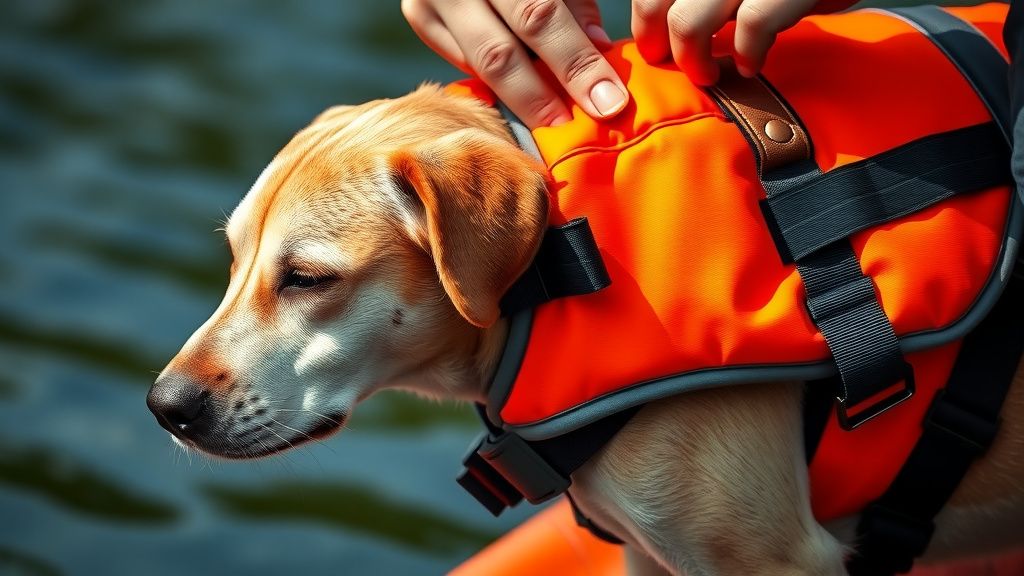
* A Long Leash: A 15-30 foot leash can provide a sense of security and allow you to gently guide your dog without being right on top of them in the initial stages.
* High-Value Treats: Use your dog’s absolute favorite rewards. Think small pieces of chicken, cheese, or a special treat you reserve for training breakthroughs. This positive reinforcement is the cornerstone of building a happy swimmer.
* Fresh Water & a Towel: Dogs should not drink pool or lake water, which can contain chemicals or bacteria. Always have fresh water available for hydration afterward. A good towel for drying off helps prevent chill.
Having the right gear not only keeps your dog safe but also gives you, the owner, more confidence, which your dog will sense. It sets the stage for a positive learning experience.
Step-by-Step: How to Introduce Your Dog to Water
Patience is your best tool here. Rushing this process is the fastest way to create a dog who fears water. Follow these steps, letting your dog’s comfort level dictate the pace.
Step 1: Choose the Right Location.Start in a controlled, calm environment. A shallow, quiet corner of a lake, a slow-moving stream, or a dog swimming in pool (as Forever Vets recommends) is perfect. Avoid oceans, rivers with currents, or crowded areas for the first lessons. The water should be warm; a good rule from PangoVet is that if it’s too cold for you to swim comfortably, it’s too cold for your dog.
Step 2: Let Them Explore on Their Own Terms.Fully suited in their life jacket, let your dog investigate the water’s edge. Keep the leash on for control. Wade in yourself and use a happy, encouraging voice. Let them watch you have fun. Toss a favorite floating toy just into the shallows or place treats on the first step of the pool. The goal is to make the water itself a source of good things, not something they are pushed into.
Step 3: Support Their First Paddles.When your dog seems curious and is willingly walking in shallow water, you can encourage them to go a bit deeper. Stay at their side. As their paws leave the bottom, support their hindquarters with your hands or use the handle on their life jacket to keep them level. Dogs often try to “climb” out of the water with their front legs, which causes their rear to sink. Your support helps them learn the horizontal paddling motion. Keep sessions very short, just a minute or two of supported paddling, followed by lots of praise and treats on solid ground.
Step 4: Practice the Exit.After a short swim, immediately guide them back to the ramp or stairs. Use a command like “Exit!” or “Out!” and reward them heavily when they climb out. This teaches them that getting out is always easy and rewarding, which is crucial for safety.
Step 5: Gradually Increase Distance and Decrease Support.As your dog gains confidence, you can encourage them to swim a short distance to you or to a floating toy. Slowly reduce the physical support you provide, letting the life jacket do its job. Always stay within arm’s reach. If at any point your dog shows fear, tucking their tail, whining, trying to scramble back to shore, stop immediately. As Dogster advises, gently return to shallower water and try again later. Respecting their fear is key.
Critical Water Safety Rules Every Owner Must Know
Swimming can be more hazardous for your dog than you might realize. Following these safety rules isn’t optional; it’s your responsibility as a pet parent.
* Never Leave Your Dog Unsupervised. This applies to pools, lakes, and even bathtubs. A dog can drown in minutes. A dog in distress, as Non-stop Dogwear points out, may drop their back end and slip under the surface quickly.
* Beware of Fatigue. Dogs, especially enthusiastic ones, may not know when to stop. Limit swimming sessions to avoid exhaustion. Watch for heavy panting, slowed movement, or a lowered body position in the water.
* Rinse Off After Swimming. Chlorine, salt, and lake bacteria can irritate your dog’s skin and coat. Always give them a thorough rinse with fresh water after swimming to prevent skin issues and keep them from ingesting chemicals while grooming themselves.
* Provide Constant Access to Fresh Water. A swimming dog is an exercising dog, and they will be thirsty. Prevent them from drinking pool or lake water by offering their own clean water frequently.
* Know the Risks of Water Intoxication. This rare but serious condition can occur if a dog swallows large amounts of water while playing (like repeatedly catching a sprinkler stream or biting at waves). Symptoms include lethargy, bloating, vomiting, and loss of coordination. It is a medical emergency.
* Consider a Post-Swim Reward. After a good swim session and a rinse, a tasty, easy to digest treat can be the perfect reward. It’s a great time to use a high-value snack from your regular best dog treats rotation or even a special topper from a fresh dog food service to replenish their energy.
Making Swimming a Fun, Regular Activity
Once your dog is a confident swimmer, you can incorporate it into their regular exercise and enrichment routine. Swimming is an excellent low-impact activity, ideal for senior dogs, those with arthritis, or any pup needing to burn energy without stressing their joints.
To keep it fun and safe:
* Incorporate Retrieval Games: Use floating toys for fetch. This gives swimming a purpose and fantastic mental and physical stimulation.
* Swim with a Buddy: If you have a friend with a water-confident dog, a supervised swim date can be incredibly fun and encourage your dog through social learning.
* Maintain Safety Vigilance: Never become complacent. Always use the life jacket in open water, and be extra cautious in unfamiliar environments with unknown currents or drop-offs.
* Dry Those Ears: Moisture in the ear canal can lead to infections. Gently dry your dog’s ears with a cotton ball after every swim.
Remember, a tired and happy swimmer is a good dog. Combining this fantastic physical activity with mental enrichment at home, like puzzle toys or a new chew from a monthly dog subscription box, creates a wonderfully balanced and content canine companion. If your dog ever shows signs of stress or anxiety around water, even after positive introductions, our dog anxiety guide has helpful strategies for managing their fears.
Final Thoughts
Teaching your dog to swim isn’t about creating an Olympic athlete; it’s about providing them with a safe, enjoyable way to exercise, cool down, and bond with you. The journey hinges on your patience, your commitment to their safety with a life jacket, and your willingness to let them lead the way. Some dogs will become avid dock divers, while others will be perfectly content to wade in the shallows and call it a day. Both outcomes are successes because they mean your dog is engaging with water on their own comfortable terms. By following this guided, positive approach, you’re not just teaching a skill. You’re building trust, ensuring safety, and potentially unlocking a source of pure, splashy joy for your best friend for years to come.
Recommended Products



Find the Perfect Box for Your Dog
Compare top-rated dog subscription boxes and find the best fit for your pup.
Compare Boxes