Hand Signals to Train Deaf or Aging Dogs Effectively

Teach your deaf or aging dog to communicate with simple hand signals, strengthen your bond and keep them happy and engaged.
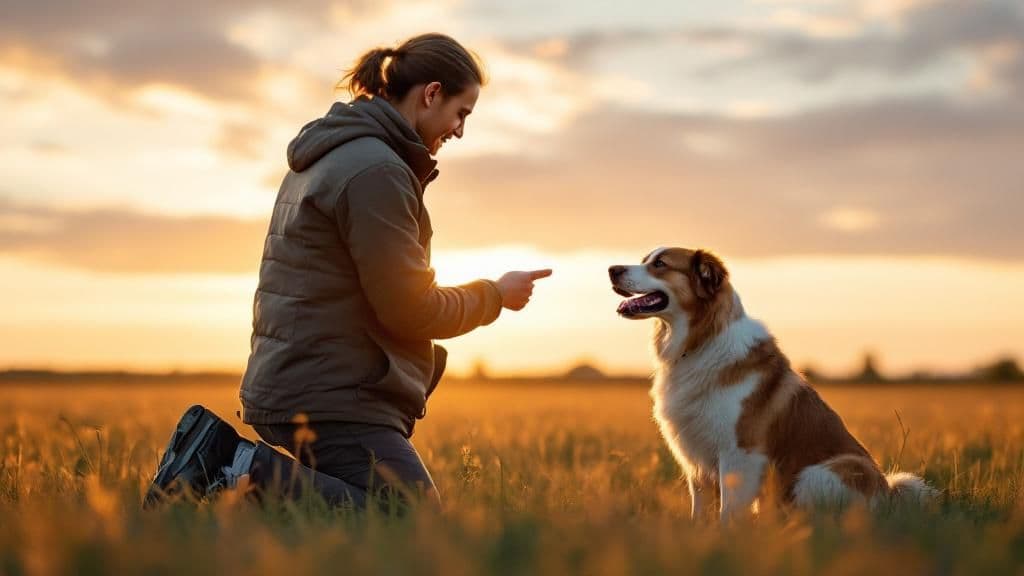
Training deaf or aging dogs with hand signals leverages their natural ability to read body language — dogs actually process visual cues faster than verbal ones. Use distinct, large gestures for each command, pair with high-value treats, and maintain eye contact during training. Most dogs master 5-7 basic hand signals within 3-4 weeks of consistent daily practice.
Dogs rely on their senses to navigate the world, and when hearing fades, whether due to age or congenital deafness, they need us to adapt. Training a deaf or aging dog with hand signals isn't just practical, it strengthens your bond and keeps them engaged. I've worked with dozens of dogs who thrived after switching to visual cues, and the process is simpler than many owners think.
Why Hand Signals Work for Deaf Dogs
Dogs are naturally attuned to body language. Studies from the University of Veterinary Medicine in Vienna show that dogs interpret human gestures more accurately than chimpanzees, making them ideal candidates for hand signal training. For deaf dogs, visual cues replace verbal commands entirely. For aging pups with declining hearing, combining hand signals with verbal cues eases the transition.
Benefits Beyond Communication
- Reduces confusion: Older dogs often struggle with muffled or inconsistent sounds. Clear hand signals eliminate guesswork.
- Builds confidence: Deaf dogs, especially those born without hearing, can become anxious when startled. Predictable visual cues create security.
- Keeps their mind sharp: Learning new skills fights cognitive decline. A 2022 study in the *Journal of Veterinary Behavior* found that senior dogs trained with hand signals showed slower progression of dementia symptoms.
Start with basic commands like "sit" and "stay," then gradually expand their vocabulary. Consistency is key, use the same gesture every time.
Essential Hand Signals to Teach First
Keep signals distinct and easy to distinguish. Avoid complex motions that might confuse your dog. Here are the most useful ones to start with:
Sit
- Gesture: Flat hand palm-up, moving upward (like lifting an invisible leash).
- Tip: Hold a treat in your palm initially, lifting it slightly above their nose to guide them into position.
Stay
- Gesture: Open palm facing the dog, like a stop sign.
- Tip: Step back slowly after giving the signal. Reward even short successes at first.
Come
- Gesture: Sweep your arm outward toward your body.
- Tip: Pair this with a happy expression, dogs read facial cues too.
Down
- Gesture: Point downward with one finger or flatten your hand toward the floor.
- Tip: If your dog resists lying down, gently lure them with a treat between their paws.
For deaf dogs, add a visual "marker" like a thumbs-up to replace a clicker or verbal "yes." Always follow the marker with a reward, high value treats from your dog food delivery subscription work wonders here.
Troubleshooting Common Challenges
Some dogs take longer to adjust, especially if they've relied on verbal cues for years. Here’s how to handle frequent hurdles:
My Dog Isn’t Responding
- Check for distractions: Train in a quiet area first.
- Brighten your gestures: Wear contrasting sleeves or use a flashlight (for dim lighting).
- Rule out vision problems: Older dogs may have cataracts. Ask your vet about their eyesight.
My Dog Gets Frustrated
- Shorten sessions: Five minutes, twice a day, is better than one long session.
- Use higher value rewards: Try freeze dried liver or a special treat from your best dog treats stash.
- End on a success: If they’re struggling, ask for an easy command they know, then reward and stop.
Consistency Across Family Members
- Create a cheat sheet: Post a photo list of signals on the fridge.
- Practice together: Have everyone demonstrate the gestures to ensure uniformity.
Advanced Signals and Enrichment
Once your dog masters basics, expand their "vocabulary" with fun or practical signals:
Useful Additions
- "Outside": Point to the door.
- "Bed": Tap your thigh twice, then point to their bed.
- "Water": Mimic drinking from a bowl.
Playful Signals
- "Spin": Draw a circle in the air with your finger.
- "Shake": Offer your hand as if inviting a paw.
Deaf dogs excel at agility and trick training because they focus intensely on your movements. I’ve seen a deaf Border [Collie](/breeds/border-collie) learn over 40 hand signals, proof that limitations are often in our heads, not theirs.
Final Thoughts
Training a deaf or aging dog with hand signals isn’t about fixing a problem. It’s about meeting them where they are and giving them the tools to thrive. The patience you invest pays off in their confidence and your connection.
For dogs losing their hearing gradually, pair signals with verbal cues early. It smooths the transition later. And don’t forget to celebrate small wins, every understood gesture is a victory.
If you’re looking for training treats or toys to keep sessions engaging, a curated dog best dog subscription boxes can deliver fresh incentives monthly. After all, even the most dedicated pups work harder for a surprise reward now and then.
Recommended Products



Find the Perfect Box for Your Dog
Compare top-rated dog subscription boxes and find the best fit for your pup.
Compare Boxes