Calm Canine Nail Clipping At Home

Tame your dog's nail trims with calm confidence using our stress free, step-by-step techniques.
To master at home nail trims for a nervous dog, break the process into tiny, positive steps. Start by handling paws without clippers, then trim just one or two nails per session, using high value treats like squeezable cheese or peanut butter. For dark nails, make several small cuts and stop when you see a white or grayish oval in the nail center, avoiding the quick which contains blood vessels and nerves.

Does the sight of nail clippers send your dog scrambling under the bed? You're not alone. For many dog parents, especially those with a big, strong breed like a Cane Corso or a sensitive soul who trembles at the sound of the clipper, nail trimming can feel like an impossible mission. It's a common struggle, but one that can lead to real problems. Overgrown nails are more than just unsightly; they can change a dog's posture, cause joint pain, and even split or break painfully. The good news is that with patience, the right approach, and a shift in perspective, you can transform this dreaded chore into a manageable, even positive, part of your routine. I've seen firsthand how a fearful dog can learn to tolerate, and sometimes even enjoy, the process when we slow down and work with their comfort level. This guide is designed to give you the practical, step by step strategies used by veterinarians and behaviorists to help your nervous dog accept nail care at home.
Why Are Dogs So Afraid of Nail Trims?
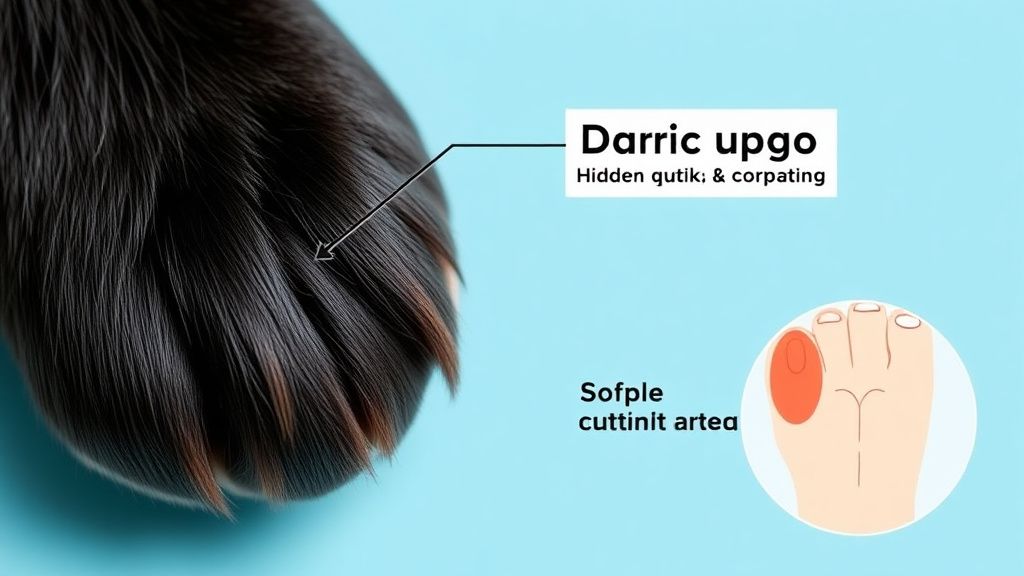
Before we pick up the clippers, it's crucial to understand the "why." Your dog isn't being stubborn or difficult. From their point of view, nail trimming can be a strange and scary experience. They are being restrained, a strange tool is approaching their sensitive paws, and there's a potential for pain if the nail is cut too short. That pink area inside the nail, called the quick, is full of blood vessels and nerves. Cutting into it is painful and can cause bleeding, creating a lasting negative association. For dogs with dark nails, the quick is invisible, making every cut a potential gamble. This fear is often compounded by our own anxiety. Dogs are incredibly perceptive and can sense our tension, which only heightens their own stress. The cycle of fear and force can make things worse each time. The goal isn't to win a battle of wills, but to build a foundation of trust where your dog understands that nail time is safe, predictable, and rewarding.
Laying the Groundwork: Conditioning and Preparation
Success starts long before the first nail is cut. This phase is about changing your dog's emotional response to the entire ritual.
Desensitize Paw HandlingBegin by simply touching your dog's paws during calm, relaxed moments, like when you're petting them on the couch. Gently hold a paw, massage it, and spread their toes. Pair every touch with a delicious treat. The aim is to make paw handling a neutral or even pleasant experience. As recommended by experts, doing this regularly helps your dog get comfortable with the sensation. One Reddit user shared their successful method of regularly playing with their pets' paws, giving massages, and spreading toes before ever introducing clippers.
Introduce the ToolsLet your dog investigate the clippers or grinder without them being turned on. Place them on the floor near a favorite treat. Later, pick them up and casually touch them to your dog's paw or leg without cutting, followed immediately by a high value reward. Clicker training can be excellent here, marking the moment your dog shows calm curiosity toward the tool.
Choose Your High Value RewardsThis is not the time for kibble. Use something irresistible that your dog goes crazy for. Veterinary professionals suggest lickable treats like squeezable cheese, canned food, or peanut butter spread on a spatula or plate. Having a dedicated "nail trim only" treat makes the event something special. You might even discover a new favorite through a dog subscription box that sends novel, top quality treats each month.
Master the AnatomyYou must know what you're looking at. In light colored nails, the quick is visible as a pinkish area. You should never cut into this pink zone. For dark nails, it's trickier. The Washington State University Veterinary Teaching Hospital advises making several small cuts and looking for a white or grayish oval in the center of the newly cut nail surface. This oval indicates you are approaching the quick and should stop. A good rule is to stay at least 2 millimeters away from the quick. If you're unsure, booking an online consultation with a vet for a demonstration can build your confidence.
The Step-by-Step Trim: Keeping It Calm and Positive
Now for the main event. Remember, the first session might not involve any cutting at all, and that's perfectly fine.
Create a Calm EnvironmentChoose a quiet, well lit room. Have all your supplies ready: clippers, styptic powder (in case of bleeding), and a pile of amazing treats. Speak in a soft, reassuring voice throughout. If you're nervous, take a few deep breaths first. Your calmness is contagious.
The "One Nail" RuleThis is the single most important tip for nervous dogs. Do not aim to do all the nails in one session. As multiple sources stress, start by trimming just one or two nails. The goal is to end the session with your dog feeling successful, not overwhelmed. You can even spread this out further, aiming for one or two nails per day. After each successful clip, offer lavish praise and a treat.
The Technique: Small Cuts Are Safe CutsPosition the clippers perpendicular to the nail (straight across, not at an angle). For dark nails, take off the very tip, then look for that telltale white or gray oval. Trim another tiny slice if needed, but stop as soon as you see that color change. For light nails, you can clearly see the pink quick; cut the white tip well in front of it. If your dog pulls away, don't force it. Release, give a treat for calmness, and try again or end the session.
Incorporate DistractionsFor some dogs, keeping their mind occupied is key. Try providing a puzzle toy stuffed with treats or a long lasting lick mat smeared with peanut butter. Engaging them in a favorite game before settling into a brief trim can also help lower their overall anxiety. Managing fear is a holistic process, much like addressing other forms of dog anxiety which often benefit from a multi sensory approach.
Know When to Get HelpIf your dog's nails are severely overgrown, curled, or if their fear has escalated to aggression, it is time to call a professional. A mobile groomer can come to your home, keeping your dog in their comfort zone, or your veterinarian can assist, sometimes with mild sedation for everyone's safety. There is no shame in seeking help; it's the responsible choice for your dog's wellbeing.
Troubleshooting Common Challenges
Even with the best plan, you might hit a snag. Here's how to handle common hurdles.
The Wiggly DogIf your dog is fidgety, an extra pair of hands is invaluable. One person can gently hold and offer treats, while the other focuses on the trim. Ensure any restraint is gentle and minimal; the goal is support, not pinning them down.
The Dog with a Bad HistoryFor dogs with a deep seated fear, you may need to go back to square one and move even slower. Consider using a nail file or grinder (after proper desensitization) which removes less nail per pass and may feel less intense than the pressure of clippers.
You Cut the QuickIt happens to the best of us. If you see blood, stay calm. Apply styptic powder or a dab of cornstarch with gentle pressure. Comfort your dog, give them a fantastic treat, and end the session on a positive note. Don't scold them or yourself. It's a minor setback, not a failure.
Maintaining the LengthConsistency is easier than playing catch up. Trimming a tiny bit every week or two is far less stressful than waiting until the nails are long and the quick has grown out with them. Aim to check nails regularly, just as you would keep an eye on their diet, whether you serve fresh dog food or another complete option.
Final Thoughts
Mastering at home nail trims with a nervous dog is less about a single perfect grooming session and more about building a lifelong skill based on trust. It requires empathy, patience, and a commitment to celebrating tiny victories. Some days you'll get four nails, some days just one, and some days you'll only practice holding the paw. All of that is progress. By reframing the task as a training and bonding opportunity, you shift the dynamic entirely. You're not fighting your dog; you're guiding them through something scary with kindness and rewards. The payoff is immense: a dog with healthy paws, a stronger bond with you, and the peace of mind that comes from handling a core part of their care yourself. So take a deep breath, grab those amazing treats, and take the first small step today.
Find the Perfect Box for Your Dog
Compare top-rated dog subscription boxes and find the best fit for your pup.
Compare Boxes