Calm Your Dog's Separation Anxiety

Ease your dog's separation distress with gradual desensitization and confidence-building routines for a calmer goodbye.
To help a dog with separation anxiety, you must permanently change their perception of being alone using gradual, positive methods. The most effective approach combines systematic desensitization and counterconditioning, often guided by a professional using positive reinforcement. This process can be supplemented with management tools like puzzle toys, pheromone therapy, and in some cases, veterinarian prescribed medication.
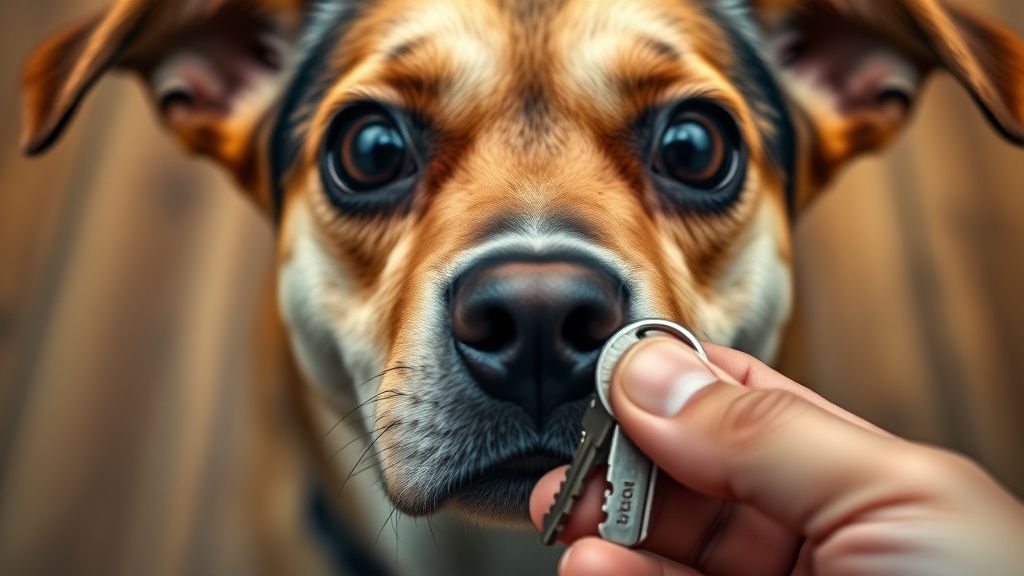
That panicked look in your dog's eyes as you pick up your keys. The whining that starts the moment you put on your shoes. Coming home to a scene of destruction, accidents, or a hoarse, exhausted pup. If this sounds familiar, your dog might be struggling with separation anxiety. You're not alone. The ASPCA identifies this as one of the most common behavior issues pet parents face. It's heartbreaking to see your best friend in such distress, and it can make leaving the house a source of guilt and worry. The good news is that separation anxiety is treatable. It requires patience, consistency, and a solid plan, but countless dogs have learned to feel calm and secure when alone. Let's walk through the proven methods that can help your dog find peace.
Understanding What Separation Anxiety Really Is
First, it's crucial to distinguish between a dog who is mildly bored and one who is experiencing true anxiety. Separation anxiety is a state of panic and distress triggered specifically by the absence of a person or persons they are hyper attached to. The behaviors are not acts of revenge or spite; they are desperate coping mechanisms for intense fear. Common signs include destructive chewing or scratching at doors and windows, persistent barking or howling, pacing, drooling, and house soiling even if they are otherwise house trained. A dog with separation anxiety isn't trying to be bad. They are suffering.
What Causes Separation Anxiety in Dogs?
The roots of separation anxiety are not always clear, but understanding potential causes can help us approach treatment with empathy. Some dogs may have a genetic predisposition towards anxiety. A lack of early, positive experiences being alone can set the stage for problems later on. A major change in routine, such as a family member moving out, a new job schedule, or a move to a new home, can be a powerful trigger. Dogs adopted from shelters may be particularly vulnerable, having experienced abandonment before. Finally, a traumatic event that occurs while alone, like a loud thunderstorm or a break in, can create a lasting association between solitude and fear. The key is not to blame yourself or your dog, but to focus on building new, positive associations from this point forward.
Proven Treatment Methods: Behavior Modification
This is the core of lasting change. Medication can help manage symptoms, but as the research in the *PMC* article states, the most successful treatment focuses on behavior modification. The goal is to systematically teach your dog that being alone is not only safe, but can be enjoyable.
Systematic Desensitization and Counterconditioning
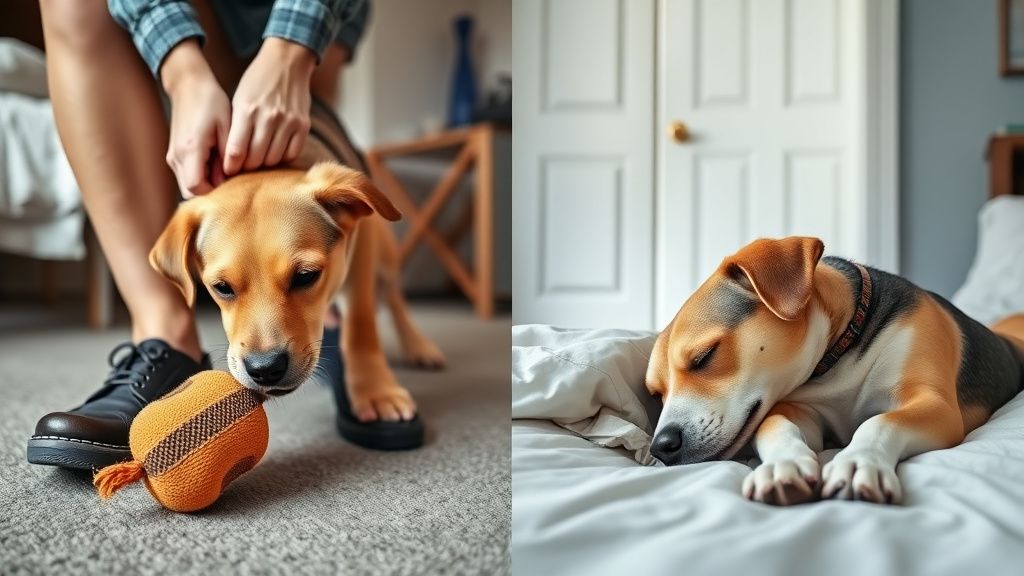
These are the twin pillars of effective treatment, and they work best when combined.
* Systematic Desensitization means exposing your dog to the triggers of your departure at a level so low it doesn't cause anxiety. You then very gradually increase the intensity. Think of it like building a tolerance, one second at a time.
* Counterconditioning means pairing that low level exposure with something your dog absolutely loves, creating a new, positive emotional response. The aim, as PetMD emphasizes, is to permanently change their perception of what being alone means.
Here is a practical step by step plan you can follow:
1. Identify Your Departure Cues: Make a list of everything you do that signals "leaving" to your dog. This includes picking up keys, putting on shoes, wearing a coat, jingling your wallet, and walking toward the door.
2. Start with Zero Departure: Forget about actually leaving. For the first several days, simply practice your cues without going anywhere. Pick up your keys, then immediately sit down on the couch and give your dog a treat. Put on your shoes, then take them off and play a game. Do this many times a day until your dog shows no reaction. They learn the cue no longer predicts you vanishing.
3. Create a Super Valued "Alone Time" Treat: This is where counterconditioning shines. Find a special, long lasting treat your dog goes crazy for that they *only* get when you practice leaving. As recommended by WebMD, stuffing a hollow rubber chew toy with something like peanut butter, cream cheese, or canned dog food works incredibly well. A snuffle mat with dry treats hidden in the fabric is another excellent option. The moment you give them this treat, it should become their entire world.
4. Build Duration in Seconds: Now, ask your dog to go to their bed or a mat. Give them their special treat. Take one single step toward the door. Immediately return, take the treat away (if it's gone, that's fine), and calmly ignore them for 30 seconds. Repeat. When they are perfectly relaxed with one step, try two steps. Then three. Then touching the doorknob. Then turning the doorknob. Then opening the door an inch. Then stepping out and closing the door for *one single second*. The instant you return, the treat disappears and you are calm and boring. The progression is measured in seconds and inches, not minutes. If your dog shows any sign of stress (panting, whining, stopping eating), you've moved too fast. Go back to the last step they were comfortable with.
5. Celebrate the Calm: Never make a big fuss when you return home or when you begin a training session. Grand hellos and emotional departures feed the anxiety cycle. Your comings and goings should be utterly mundane. The party is in the special treat, not in your dramatic return.
I've seen this method work wonders, but it requires immense patience. A Reddit user shared their success story, detailing how they cured their dog's extreme anxiety in about six weeks through consistent, incremental training exactly like this. It proves that even severe cases can improve.
Management Tools to Support Training
While you are working on the long term behavior modification, these tools can help manage your dog's environment and reduce their daily stress.
* Puzzle Toys and Feeders: Mental stimulation is exhausting in the best way. Using puzzle toys, snuffle mats, or even scattering kibble in the grass turns mealtime into a brain game that can distract from your departure and promote calmness.
* Pheromone Therapy: VCA Animal Hospitals notes that synthetic dog appeasing pheromone products, available as diffusers, collars, or sprays, can help diminish general anxiety. They are not a cure, but can take the edge off and create a more relaxed atmosphere.
* Environmental Adjustments: Sometimes, a simple change in space can help. The MSPCA suggests giving your dog the run of the entire house for short periods while you surveil them, as more space can sometimes mean less anxiety. Closing blinds to block visual stimuli or leaving on quiet, calming music can also dampen outside triggers.
* Exercise Before Departures: A physically tired dog is more likely to rest. Ensure your dog gets a good walk or play session before you plan to leave. This burns off nervous energy that might otherwise fuel destructive behavior.
* Avoid Punishment: This cannot be stressed enough. Yelling, scolding, or punishing your dog for accidents or destruction discovered after you return home will only increase their fear and confusion. They will not connect the punishment with an act they did hours ago; they will connect it with your return, making their anxiety even worse.
When to Seek Professional Help
Separation anxiety can be complex, and there is no shame in asking for expert guidance. The AKC advises considering work with a Certified Applied Animal Behaviorist (CAAB) or a veterinary behaviorist. Similarly, the RSPCA recommends talking to your vet, who can then refer you to a clinical animal behaviourist. These professionals can:
* Develop a personalized treatment plan tailored to your dog's specific triggers and reactions.
* Rule out any underlying medical issues that could be contributing to the behavior.
* Discuss the potential role of medication. In moderate to severe cases, medication prescribed by a veterinarian can be a crucial tool. It doesn't sedate your dog; it helps lower their overall anxiety to a level where they can actually learn from the behavior modification exercises. New medications have been approved specifically for this condition.
Look for a trainer or behaviorist, as PetMD advises, who practices positive reinforcement techniques. Their approach should be force free and science based, building confidence rather than using fear or intimidation.
Creating a Calm Routine for Your Dog
Dogs thrive on predictability. A stable routine provides a framework of security that can significantly reduce overall anxiety. Incorporate high value rewards into this routine. For instance, if you use a dog subscription box, you can reserve the new monthly toys or treats specifically for your departure routine. This makes your leaving the best part of their day. Furthermore, a consistent feeding schedule with a balanced and complete diet supports stable energy levels and overall well being, which is foundational for emotional health. Avoid making a big production out of arrivals and departures. A simple "see you later" is plenty. When you return, ignore your dog until they are completely calm, then offer a quiet greeting.
Final Thoughts
Helping a dog with separation anxiety is a journey of compassion and consistency. It's about rewiring a deep seated fear through countless small, positive experiences. Remember, progress is not linear. Some days will be better than others. Celebrate the small victories, like your dog taking a treat as you touch the doorknob, or finding them relaxed after a 30 second absence. These are monumental steps for an anxious dog.
Be patient with yourself and with your dog. Lean on the support of professionals when you need to, and utilize management tools to make the process smoother. By combining systematic desensitization, counterconditioning, and a calm, predictable environment, you are giving your dog the greatest gift: the ability to feel safe and content, even when you're not there. For more strategies on supporting a nervous pup, explore our dog anxiety guide. You have the power to change your dog's story from one of fear to one of confidence.
Find the Perfect Box for Your Dog
Compare top-rated dog subscription boxes and find the best fit for your pup.
Compare Boxes