Heal Your Dog's Separation Anxiety Guide
Ease your dog's separation anxiety with proven 2026 strategies for a calmer, happier pet.
To help a dog with separation anxiety, you must permanently change their perception of being alone through systematic desensitization and counter conditioning, starting with absences of just a few seconds. It is crucial to avoid punishment and consult a professional such as a Certified Separation Anxiety Trainer (CSAT) or a veterinary behaviorist for a personalized plan. Management strategies like dog sitters, calming music, and in some cases, medication, are also key components of effective treatment.
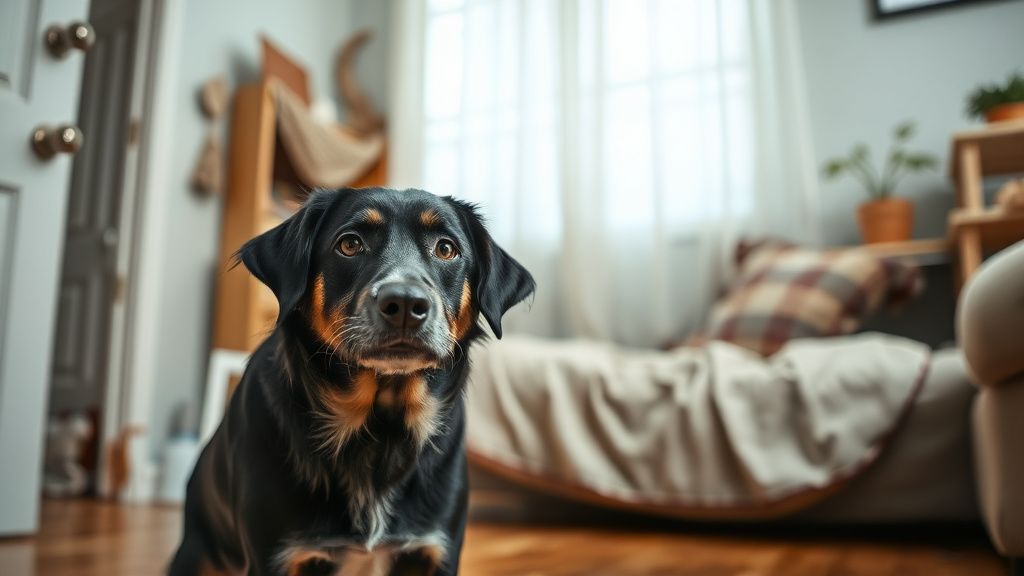
If you've ever come home to a scene of destruction, a distressed neighbor's note about barking, or an accident on the floor despite your dog being house trained, your heart has likely sunk. You're not dealing with a "bad" dog. You are likely dealing with a dog experiencing genuine panic when left alone. Separation anxiety is a serious behavioral condition where a dog exhibits extreme stress and unwanted behaviors only when separated from their person. It's not about spite or boredom. It's about fear.
The good news is that separation anxiety is treatable. With patience, the right approach, and often professional guidance, you can help your dog feel safe and secure even when you're not home. This guide pulls from the latest expert advice, including insights from separation anxiety specialist Malena DeMartini, to give you a clear, actionable path forward in 2026.
What Separation Anxiety Really Looks Like
First, it's essential to recognize the signs. These behaviors occur specifically during your absence or as you prepare to leave. Common symptoms include:
* Destructive behavior, often focused on exit points like doors and windows, or items that smell strongly of you.
* Excessive vocalization like barking, whining, or howling.
* Potty accidents from a dog who is otherwise house trained.
* Pacing in a fixed pattern or path.
* Drooling, panting, or shedding more than usual.
* Attempts to escape, which can lead to self injury.
As the MSPCA Angell notes, punishing a dog for these behaviors is not only ineffective but can make their anxiety worse. Your dog isn't chewing the couch to get back at you. They are in a state of panic.
What Causes Separation Anxiety in Dogs?
There isn't a single cause. Research points to a combination of factors that can predispose a dog to this condition. Changes in routine or family structure are major triggers. The "pandemic pet" phenomenon highlighted this, as dogs who became accustomed to constant companionship suddenly struggled when their people returned to work.
Other factors include a history of abandonment, multiple rehoming, or traumatic experiences when alone. Even genetics can play a role, as some breeds or individual dogs may be more prone to anxiety. Understanding that this is a fear based response, not a training failure, is the first step toward compassionate, effective help.
How is Separation Anxiety Treated? The Core Protocol
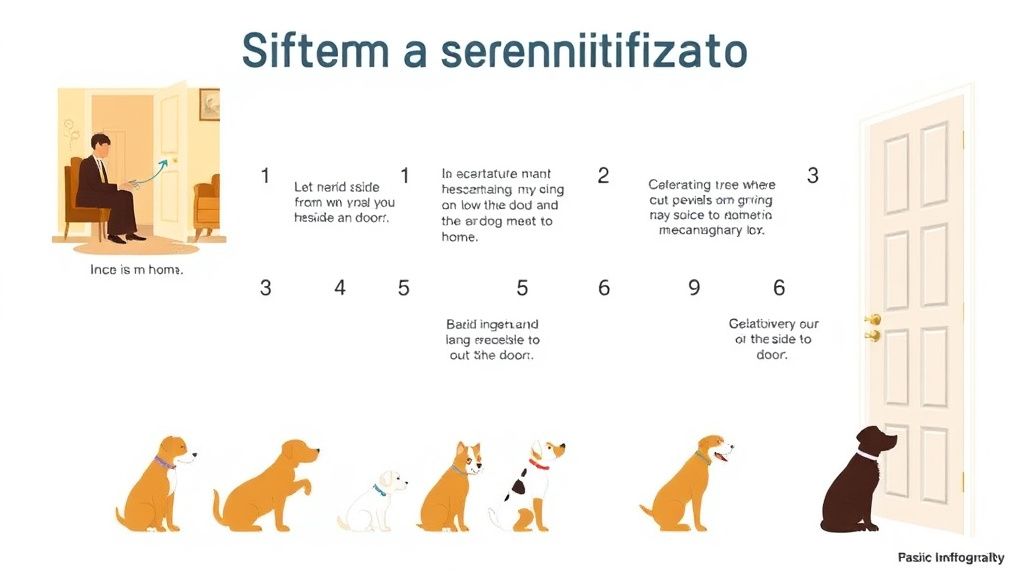
The gold standard treatment, endorsed by nearly every expert source from PetMD to the AKC, is a combination of systematic desensitization and counter conditioning (DS/CC). This isn't about "training" your dog to be alone. It's about changing their underlying emotional response.
* Systematic Desensitization: This means exposing your dog to your absence in tiny, manageable increments that don't trigger their full blown panic. We're talking seconds, not minutes, at the very start. You might simply step outside your front door and immediately step back in.
* Counter Conditioning: This pairs those tiny absences with something incredibly positive. The goal is for your dog to learn: "When my human leaves, wonderful things happen for me."
The key is to progress at your dog's pace. If they show any signs of stress, you've moved too fast and need to shorten the absence. As PetMD emphasizes, the goal is to permanently change their perception of what being alone means, one second at a time.
Why You Should Consider a Professional
I've seen too many well intentioned owners try to "tough it out" or use outdated methods that set their dog back. Designing a DS/CC plan is nuanced. This is why the ASPCA, AKC, and other authorities strongly recommend working with a professional.
* Certified Separation Anxiety Trainers (CSATs) are specialists specifically certified in this protocol.
* Veterinary Behaviorists (Dip ACVB) are veterinarians with advanced training in behavior and can prescribe medication if needed.
* Certified Applied Animal Behaviorists (CAAB, ACAAB) are also excellent resources.
A professional provides an objective eye, helps you interpret your dog's subtle stress signals, and creates a structured, personalized plan. They can be a lifeline of support during what can be a challenging process.
Management: Setting Your Dog Up for Success
While you work on the long term behavioral treatment, management is non negotiable. Management prevents your dog from practicing the anxious behavior, which reinforces their fear. The goal is to avoid leaving your dog alone in a state of panic.
* Use Alternative Care: The Veterinary Partner suggests options like taking your dog to work, hiring a dog sitter or walker, or using doggy daycare. This is a temporary but crucial crutch.
* Create a Calm Environment: The Free Korean Dogs guide recommends incorporating calming aids. Play soft music or audiobooks designed for dogs. Some dogs respond well to adaptogenic aromatherapy like lavender. A cozy, safe space like a crate (if they love it) can help.
* Exercise and Mental Enrichment: A physically tired and mentally satisfied dog is better equipped to handle stress. Provide puzzle toys, snuffle mats, or a portion of their meals in a food dispensing toy *before* you leave, not as you walk out the door. For high value, long lasting treats that can make alone time special, check out our reviews of the best dog subscription boxes for ideas on curated, engaging products.
* Medication Can Be a Tool: For moderate to severe anxiety, medication prescribed by your vet can be a game changing component. It doesn't sedate your dog. It lowers their overall anxiety floor, making the DS/CC protocol possible. As noted in the research, medication often needs to be given for a period *before* it becomes fully effective, and dogs should not be left alone during this initial phase.
What NOT to Do When Your Dog Has Separation Anxiety
Some common attempts to "fix" the problem can actually make it worse.
* Do not punish or scold your dog for destruction or accidents. They happened in a state of fear, and punishment only increases that fear.
* Do not get another dog as a "solution." Your dog is anxious about being separated from *you*, not about being alone in general. You may end up with two anxious dogs.
* Avoid dramatic arrivals and departures. Keep your comings and goings low key. Ignore your dog for the first few minutes when you return home until they are calm.
* Do not "test" your dog by leaving them for longer than they can handle. This is a setback that erodes trust and progress.
Final Thoughts
Helping a dog with separation anxiety is a journey of patience and empathy. It requires a commitment to changing their emotional world view, not just their outward behavior. Start by video recording your dog when you leave to understand their specific distress timeline. Seek professional guidance from a CSAT or veterinary behaviorist. Implement strict management to prevent panic episodes while you work on a structured desensitization plan.
Remember, progress is measured in seconds of calm, not just hours alone. Celebrate the small victories. With consistency and compassion, you can help your anxious dog find peace and confidence, ensuring a happier life for both of you. For more on supporting your dog's emotional well being, explore our dog anxiety guide.
Recommended Products



Find the Perfect Box for Your Dog
Compare top-rated dog subscription boxes and find the best fit for your pup.
Compare Boxes