Calm Your Dog During Fireworks Effectively
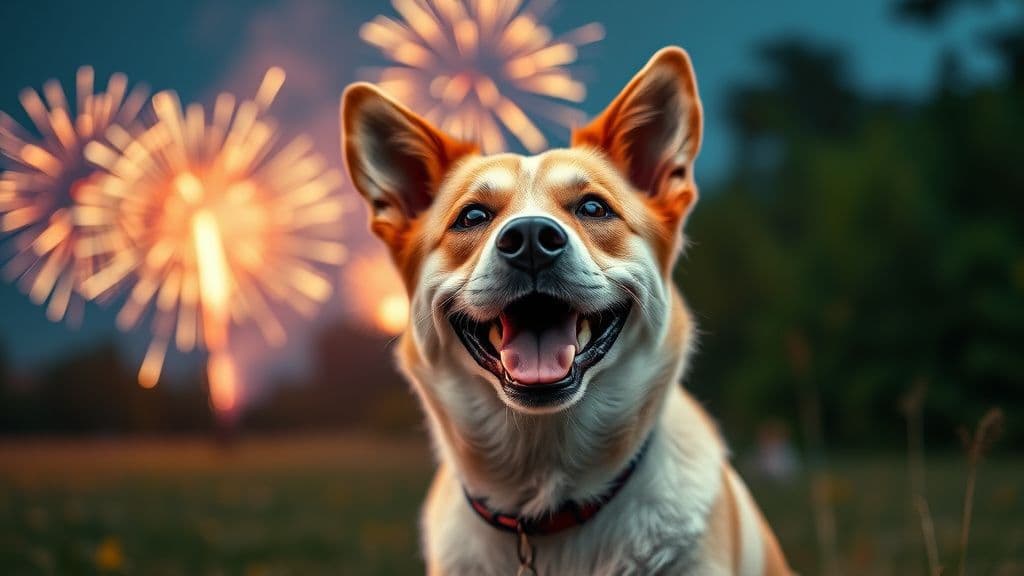
Discover proven techniques to soothe your dog's fireworks anxiety, from creating a safe den to using calming aids.
To calm a dog during fireworks, create a safe, soundproofed space using white noise, calming music, or a fan to mask the booms. Use pressure wraps, calming pheromones, and durable chews. For severe anxiety, consult your vet about prescription medications like Trazodone or Sileo. Never punish or force your dog to face the noise.
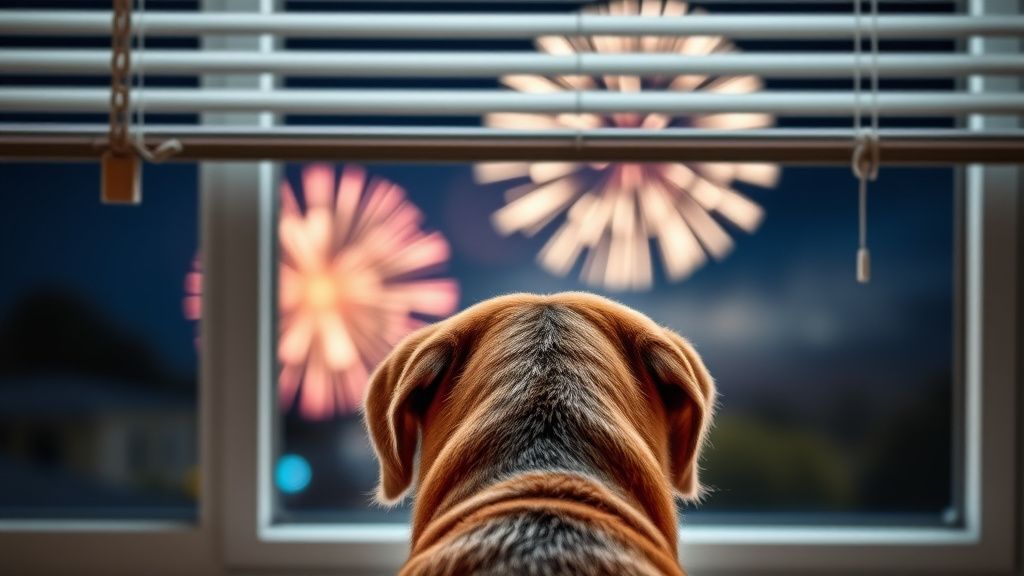
The sudden crackle, the unexpected boom, the flashes of light that pierce through the blinds. For many of our dogs, fireworks aren't a celebration. They are a terrifying, unpredictable assault on the senses. As a dog owner, watching your best friend tremble, pant, or hide is heartbreaking. You want to help, but with so much advice out there, what actually works? I've seen the panic in a dog's eyes during these events, and I know how desperate you can feel to provide relief. The good news is that experts from veterinary behaviorists to trusted organizations have developed effective, multi-faceted strategies. This guide pulls together the most reliable methods from leading sources to help you and your pup find peace during the noisy season.
Why Are Dogs So Terrified of Fireworks?
It starts with biology. A dog's hearing is exponentially more sensitive than our own. Those brilliant bursts in the sky are accompanied by sounds that are not just loud, but painfully intense and, crucially, unpredictable. Unlike a steady train passing by, fireworks are random. They come without warning, at varying volumes, and from unclear directions. This randomness triggers a deep-seated survival instinct. Your dog has no way to understand that the world isn't ending. Their fear is a logical response to a perceived threat.
Furthermore, the experience is often compounded by other stressors. Fireworks often happen at night, disrupting normal routines. The smell of sulfur in the air is unfamiliar. They may even pick up on your own subtle tension as you anticipate their reaction. It's a perfect storm of sensory overload. Recognizing that this fear is real and physiological is the first step toward addressing it with compassion and effective tools, not just frustration. For a deeper understanding of canine stress, our dog anxiety guide explores the roots of fear.
How to Prepare Your Home Before the Fireworks Start
Preparation is your most powerful tool. Waiting until the first explosion happens puts you and your dog in reaction mode. Instead, create a plan and a sanctuary in advance.
Create a Soundproofed Safe Haven
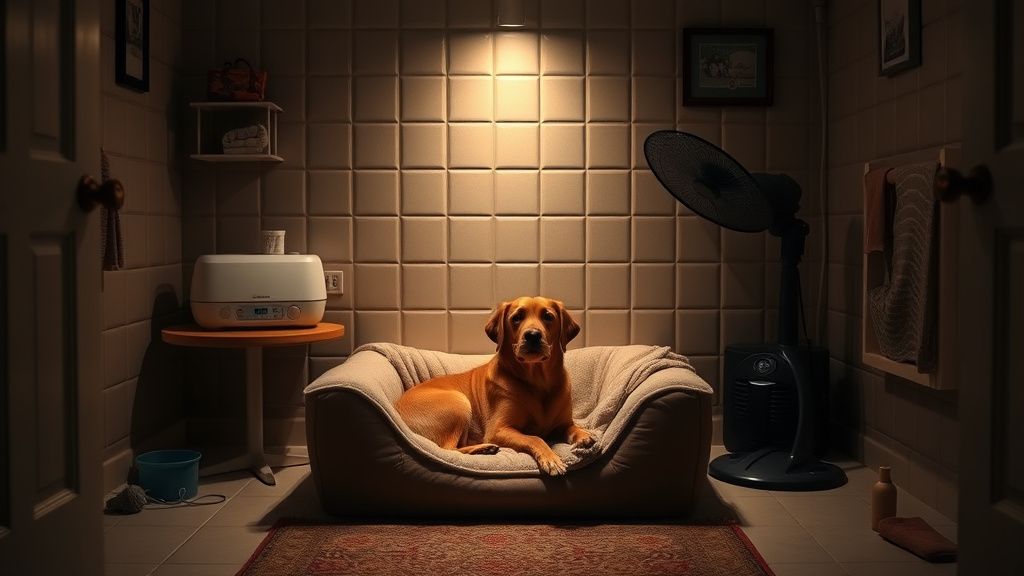
Choose a quiet, interior room like a bathroom, closet, or basement. The goal is to minimize both sound and light. Cover windows with blackout curtains or blankets. Bring in your dog's favorite bed, blankets that smell like you, and familiar toys.
Now, address the sound. Research consistently points to masking the noise as a primary strategy. As PetMD suggests, "Plug in a white noise machine (like a Yogasleep) or turn on some calming music loud enough so the fireworks are camouflaged." The American Kennel Club (AKC) also notes that "the sound and vibration of a fan can help cover up the bothersome fireworks sounds." Combine these. Run a fan, a white noise machine, and some specially designed canine calming music or classical music at a volume that muffles the outside booms. This creates an auditory buffer that makes the fireworks less startling.
Stock the Sanctuary with Calming Tools
Gather your supplies ahead of time. This includes:
* A pressure wrap: Products like the Thundershirt apply gentle, constant pressure that can have a calming effect on many dogs, similar to swaddling an infant.
* Calming pheromones: Plug in an Adaptil diffuser in the safe room a few hours prior. These synthetic pheromones mimic the comforting scents a mother dog produces.
* Durable, engaging chews: The Best Friends Animal Society recommends giving your pet "a durable chew item. For some pets, chewing on something provides an outlet for their anxiety." A stuffed Kong from your dog food delivery or a durable chew from a selection of best dog treats can provide a positive, distracting activity.
* Their favorite comforts: Include items from a dog subscription box they love, or a piece of your unwashed clothing.
What to Do During the Fireworks Display
When the show begins, your behavior and the environment you've created are key.
Stay calm and act normally. Your dog looks to you for cues. If you are tense and hovering, you confirm their suspicion that something is wrong. Speak in a cheerful, calm voice. Go about your routine as best you can. Offer comfort, but don't reinforce fear. This is a nuanced but critical point. You cannot "spoil" your dog or reinforce fear by comforting them. Petting a frightened dog is an act of compassion, not a reward for trembling. However, avoid excessive fussing or anxious chatter. Offer calm, steady strokes and simple reassurance. If they choose to hide, let them. Never drag them out of their safe space or force them to "face their fear." Provide a positive distraction. This is where those durable chews, puzzle toys, or a special snack come in. Engage them in a simple training game using high-value treats. The goal is to give their brain something else to focus on. If they aren't interested, don't push it. The safe, quiet space you've created is doing its job. Consider hearing protection. For some dogs, especially those with severe noise phobia, physical sound blocking helps. The AKC states, "headphones can comfort your dog by muffling these sounds and providing ear protection." Look for canine-specific earmuffs designed for comfort.Long-Term Solutions: Desensitization and Professional Help
While immediate management is crucial, you can also work to reduce your dog's fear over time. This process, called desensitization and counterconditioning, must be done gradually and positively, well before firework season.
Desensitization involves playing recorded firework sounds at an extremely low volume while your dog is doing something they enjoy, like eating their favorite freeze-dried dog food or playing. As Rover.com's expert advice notes, Victoria Stillwell's noise phobia series is a great resource, as they "start with [firework] noises at a very low level, and there's nice calm music over it." Over many sessions, you very slowly increase the volume, ensuring your dog remains relaxed and happy. This is a slow process that requires patience. Know when to seek veterinary help. If your dog's anxiety is severe, causing destruction, escape attempts, or self-injury, professional intervention is needed. As a JustAnswer veterinarian expert advises, "call your primary vet and ask for a prescription of medication." They list specific options: "Trazodone, Sileo, and gabapentin are a few top go to medications vets prescribe for anxiety due to fireworks." Thundershirt also acknowledges that in some cases, "a small amount of an anxiety relieving medication in addition to the Thundershirt, pheromone and calming chews, may be all that is necessary."Your vet can create a tailored plan that may combine behavioral modification with medication. This is a responsible and caring choice for a suffering animal.
What NOT to Do When Your Dog is Scared
Some well-intentioned actions can make the problem worse. Avoid these common mistakes.
* Do not take your dog to a fireworks display. This is overwhelming and dangerous, as a panicked dog can easily bolt.
* Do not punish or scold your dog for being afraid. This only adds confusion and more negative emotion to an already terrifying experience.
* Do not try to force them to "get over it" by exposing them to the full sound. This is called flooding and can severely traumatize your dog, making their phobia much worse.
* Do not rely on unproven remedies without consultation. For example, the veterinary professionals at Maggie and Marlow explicitly state they "do not recommend using CBD drops to help calm your dog during fireworks season." Always talk to your vet before introducing any new supplement or treatment.
Final Thoughts
Helping a dog through fireworks anxiety is about layering strategies. Start with a sound masked safe space, add comforting tools like pressure wraps and pheromones, and use high-value distractions. Remember that your calm presence is a powerful anchor. For dogs with deep-seated fear, there is no shame in seeking a veterinarian's help for behavioral plans or medication. It's an act of love. By planning ahead and responding with empathy, you can transform a night of terror into a manageable, and perhaps even peaceful, evening for your best friend. The goal isn't necessarily for them to enjoy the show, but to feel safe, secure, and loved in their home despite the chaos outside.
Find the Perfect Box for Your Dog
Compare top-rated dog subscription boxes and find the best fit for your pup.
Compare Boxes