Master Dog Paw Balm Application For Protection

Learn the right way to apply paw balm to shield your dog's paws from harsh elements and keep them healthy.
To apply dog paw balm correctly for maximum protection, first clean the paws with a damp cloth to remove debris. Then, massage a small amount of a dog safe, non toxic balm directly onto the pads, applying it 2 to 3 times per day for at least 2 to 3 consecutive days for the best results. Consistency is key, especially before and after exposure to rough terrain or extreme weather.
Your dog's paws are their foundation. They carry them through every adventure, from city sidewalks to mountain trails. Just like our hands and feet need care, their paw pads require attention to stay healthy, soft, and resilient. Paw balm is a simple yet powerful tool in your grooming kit, acting as both a shield and a moisturizer. But slapping it on haphazardly won't give you or your pup the full benefits. Applying it correctly turns a good product into a great routine, ensuring maximum protection against the elements and everyday wear and tear. Let's walk through the steps to get it right.
Why Is Paw Balm So Important for Dogs?
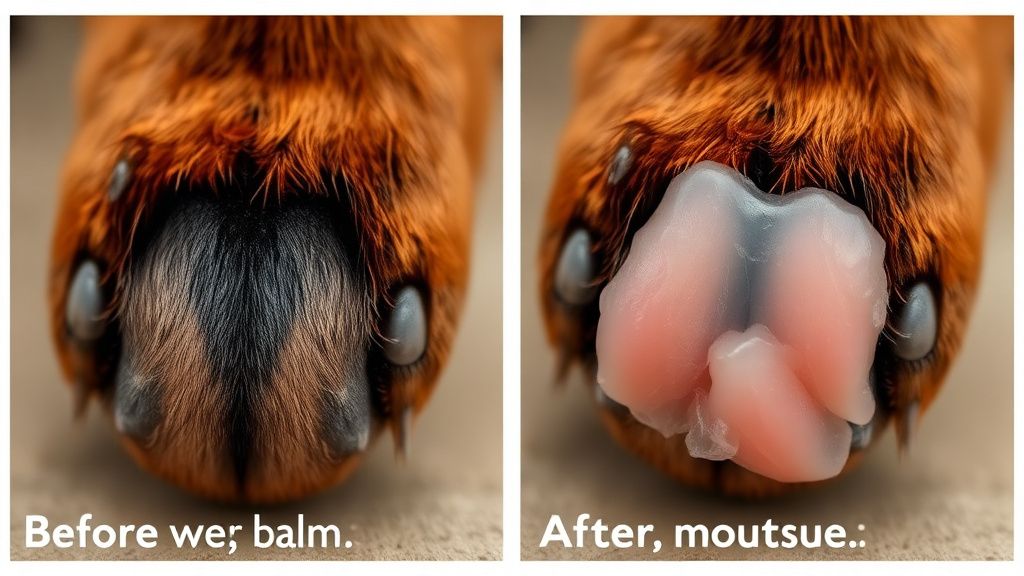
Think of paw balm as a multi-purpose conditioner and protective barrier. Dog pads are tough, but they aren't indestructible. They face a constant assault from hot pavement, freezing ice, salty sidewalks, dry air, and rough terrain. Without care, pads can become dry, cracked, and painful.
Veterinary experts note that paw pads need to retain moisture to stay resilient, especially against freezing temperatures. A good balm does exactly that. It nourishes the skin to prevent cracking and creates a subtle protective layer. As Whole Dog Journal points out, balms can provide a little protection from some rough surfaces, which is perfect if your dog is going to be running on hard ground for the first time in a while.
The best part? A quality paw balm uses ingredients that are safe for consumption. Let's be real, your dog will lick their paws. Using a product formulated with vet recommended, non toxic ingredients is non-negotiable for peace of mind. It's not just for paws, either. Many balms can soothe dry noses, elbows, and other rough patches, making them a versatile part of your care routine. I've found that keeping a tin in my bag year-round is as essential as having their favorite best dog treats on hand for rewards.
How to Prepare Your Dog's Paws for Balm
Preparation is everything. Applying balm to dirty paws is like putting lotion on muddy hands. It won't absorb well, and you risk rubbing grit into their skin.
Step 1: The Pre-Application Paw Check
Before you even reach for the balm, take a moment to inspect. Gently hold each paw and look between the toes and pads. Check for any cuts, cracks, thorns, or signs of irritation. This daily check is a great bonding ritual and helps you catch small issues before they become big problems.
Step 2: The Essential Cleanse
All the sources agree on this critical first step. As Zach's Pet Shop advises, clean your dog's paws with a damp cloth or pet safe wipes to get rid of any dirt and debris. This allows the balm to penetrate better into the skin for maximum benefits.
* For muddy paws: Use a bowl of lukewarm water and a soft cloth. Avoid harsh soaps that can strip natural oils.
* For salty or sandy paws: A damp cloth wipe-down is perfect to remove residue that can be irritating.
* For a deep clean: Consider a gentle, dog-specific paw wash. Dry the paws thoroughly with a towel, especially between the toes. Moisture trapped there can lead to other issues.
A clean, dry paw is a receptive paw. This simple step makes the balm work harder for you.
The Step-by-Step Guide to Applying Paw Balm
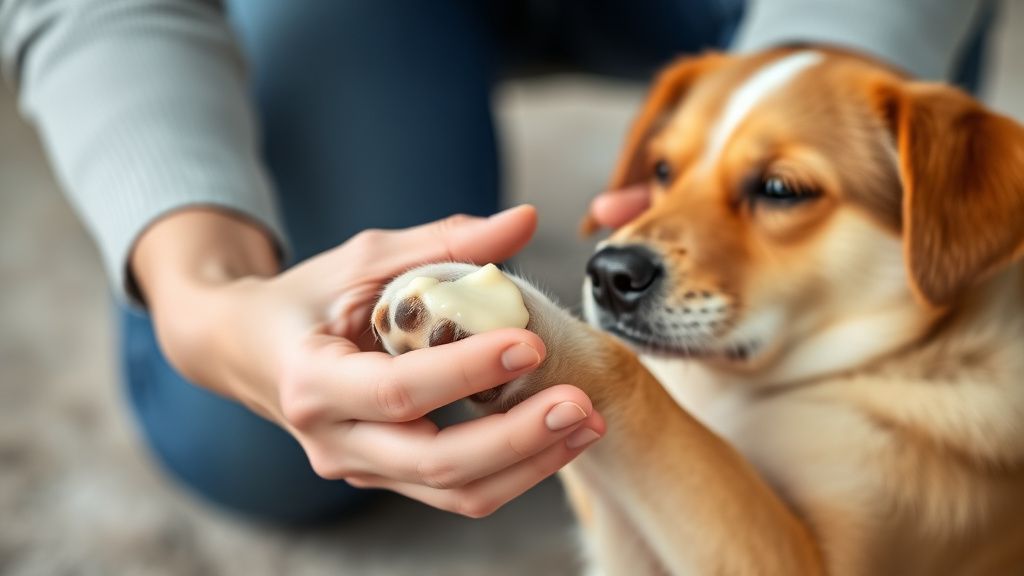
Now for the main event. Applying paw balm should be a calm, positive experience for both of you. If your dog is paw-shy, start slow and pair each touch with a treat. Here is the correct method, backed by expert guidance.
1. Warm the Product: If you're using a thicker, waxier balm (which often offers more protection), rub a small amount between your fingers to soften it. This makes it easier to apply and less startling for your dog.
2. Use a Small Amount: You don't need a glob. A pea-sized amount per paw is often enough. You can always add more.
3. Massage It In: This is the key word from the research: *massage*. Don't just smear it on top. Using your fingers, rub the balm into the pad itself with gentle, circular motions. As Lexelium directs, rub and massage balm onto your pet’s paws for maximum protection. The goal is to help the product absorb and nourish the pad, not just sit on top as a waxy layer.
4. Cover All Areas: Focus on the main pads, but don't forget the tougher skin above the pads and in between the toes if it's dry. If your dog has a dry nose, you can use a separate dab to gently apply there as well, as Pride+Groom suggests for alleviating discomfort.
5. Let It Absorb: Keep your dog occupied and off slippery floors for a few minutes after application. This gives the balm time to soak in before they potentially lick some off or track it onto your floor. A short cuddle session or a chew toy works wonders.
The process should be quick and pleasant. If you're struggling, you might be using too much product or need a different formula. The best dog paw balms are easy to apply and don't make a mess.
How Often Should You Apply Paw Balm?
Frequency depends on your dog's needs and the situation. The blanket rule from Dogster is clear: for maximum efficacy, apply 2 to 3 times per day for at least 2 to 3 consecutive days when treating existing dryness.
Think of application in three scenarios:
* Preventive Maintenance: For dogs with generally healthy paws, applying a thin layer once a day or every other day can be enough to maintain condition. This is ideal for the constant companion who joins you on daily walks.
* Active Treatment: For cracked, dry, or irritated pads, follow the intensive schedule of 2 to 3 daily applications for several days until you see significant improvement. Consistency is crucial here.
* Situational Protection: This is a pro tip. Apply balm *before* heading out into harsh conditions. As noted by veterinary dermatology experts, applying balm before and after outdoor walks in extreme weather helps pads retain moisture and resilience. Use it before a hike on rocky trails, a beach trip, or a walk on a salted winter street.
Seasonal changes also dictate frequency. You'll likely use balm more often in the dry winter months and during the hot, parched summer. Pay attention to your dog's pads; they will tell you when they need more care. This kind of attentive grooming complements other aspects of their health, like a balanced and complete diet.
Choosing the Right Paw Balm for Your Dog
Not all balms are created equal. The research from Tree Line Review highlights what to look for: vet recommended ingredients, safety for consumption, ease of application, and a non messy formula. A thicker, waxier balm might protect more on rough terrain, but a creamier one may absorb better for nourishment.
Here’s what to consider when selecting a balm:
* Ingredients: Look for natural, food-grade components like shea butter, coconut oil, beeswax, and vitamin E. Avoid products with artificial fragrances or colors.
* Texture: Does your dog have thick, calloused pads that need heavy-duty protection, or are they prone to dryness that needs deep moisture? Your answer will guide you toward a waxier or a more absorbent formula.
* Your Dog's Tolerance: Some dogs don't mind a thicker feel, while others will obsessively lick a goopy application. Finding a texture that absorbs well, as some products do, can make the routine smoother.
* Multi-Use: Many great balms can also be used on dry noses, elbows, and even minor skin irritations, offering great value.
Trying out different products can help you find the perfect match. This is where a curated dog subscription box can be fun, as they often include grooming samples like balms for you to test. Remember, when in doubt about an ingredient or your dog's specific need, ask your veterinarian. They can provide the best personalized advice.
Common Mistakes to Avoid When Using Paw Balm
Even with the best intentions, it's easy to make a few missteps. Here are the most common errors I've seen, so you can avoid them.
* Skipping the Cleanse: Applying balm to dirty paws is the number one mistake. It reduces effectiveness and can trap debris against the skin.
* Using Human Products: Lotions and balms made for people can contain ingredients like menthol or salicylic acid that are toxic to dogs if licked. Always use a product formulated specifically for pets.
* Over-applying: More is not better. A thick layer will be immediately licked off or smeared everywhere. A thin, well-massaged layer is more effective.
* Inconsistent Use: Applying balm once and expecting miracles won't work. Healing dry, cracked skin takes repeated, consistent applications over days.
* Ignoring the Signs: If your dog's paws are severely cracked, bleeding, or infected, paw balm is not a substitute for veterinary care. See your vet first.
* Forgetting the Nose: If your dog has a dry, cracked snoot, that same balm can often provide relief. Gentle application 2 to 3 times a day can make a big difference.
Final Thoughts
Applying dog paw balm correctly is a simple act of love that pays off in countless ways. It prevents discomfort, protects against daily hazards, and keeps your best friend moving comfortably on all fours. The routine of cleaning, inspecting, and massaging the balm in strengthens your bond and keeps you in tune with your dog's physical wellbeing. Remember the core principles: start with clean paws, massage a small amount of a safe product in thoroughly, and be consistent with your application, especially when tackling existing dryness or facing tough conditions. By making paw care a regular part of your grooming regimen, you're investing in your dog's long-term comfort and adventure-readiness. After all, healthy paws are happy paws, and happy paws lead to more tail-wagging explorations together.
Find the Perfect Box for Your Dog
Compare top-rated dog subscription boxes and find the best fit for your pup.
Compare Boxes