Pet Insurance Unlocks Superior Surgery

Pet insurance expands surgical options, allowing you to choose advanced, life-saving care without financial fear.
Pet insurance allows you to choose the best surgical treatment for your dog based on medical need rather than cost, with comprehensive plans covering 80-90% of procedures including advanced options like laparoscopic surgery and orthopedic implants. Without insurance, many owners are forced to choose less effective treatments or face devastating financial decisions during emergencies.
As a dog care writer, I spend a lot of time thinking about how we can give our pets the best lives possible. We invest in a great dog food delivery service to support their daily nutrition, find the best dog treats for training, and even sign up for a fun dog best dog subscription boxes to keep them entertained. But what about when the unexpected happens? When your best friend needs a surgery you never saw coming, the financial and emotional weight can be overwhelming. This is where a solid pet insurance plan does more than just reimburse bills. It fundamentally changes the conversation with your veterinarian, shifting it from "can we afford this?" to "what is the very best option for my dog's health?"
The research is compelling. A study from the American Animal Hospital Association found that insured cats are 20% more likely to receive surgical treatment, and 38% more is spent on those procedures. This statistic speaks volumes. insurance doesn't just pay for care, it actively enables a higher standard of care. With the right coverage, which experts at Pawlicy Advisor confirm can cover 70 to 100 percent of expenses, you are empowered to approve critical care without that dangerous delay that can compromise outcomes. You are buying the ability to say "yes."
What Pet Insurance Typically Covers for Surgery
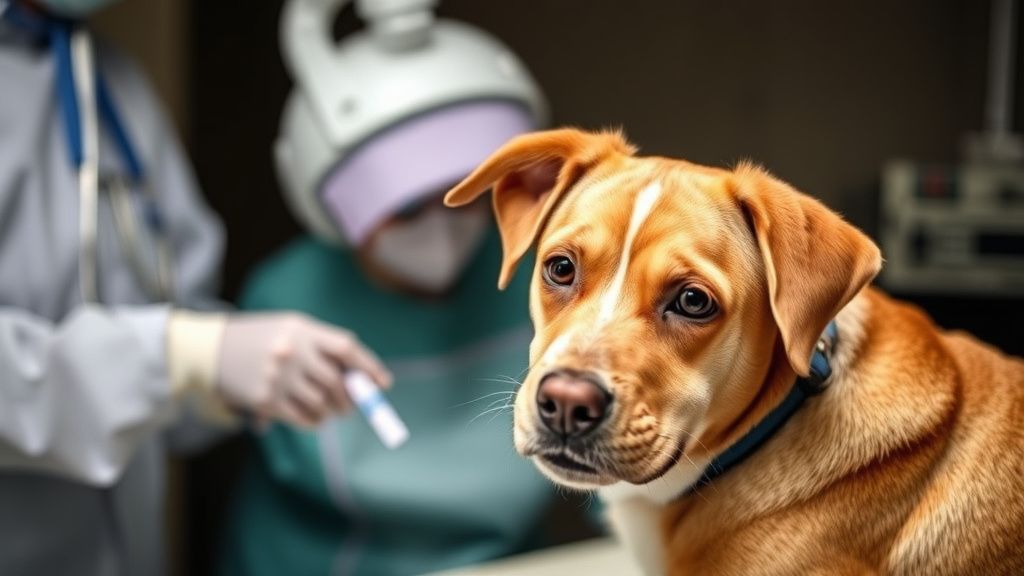
Understanding what is inside your policy is the first step to using it effectively. Most comprehensive accident and illness plans are designed to handle the surprises of pet ownership, and surgery is a central component of that coverage.
Common Covered Surgical Procedures
The range of surgeries covered is extensive, focusing on medically necessary treatments. According to U.S. News, Nationwide’s plans, for example, cover a wide array of procedures including broken bone repairs, emergency surgery, foreign body ingestion removal, hernia repairs, mass removals, and orthopedic repairs. Pumpkin Pet Insurance also notes that eligible plans can cover surgical expenses related to cancer treatment, including associated chemotherapy and radiation, giving you more avenues to fight a serious diagnosis.
Essentially, if the surgery is to treat a sudden injury or a diagnosed illness, it is likely covered. This includes everything from removing a blockage after your pup ate a sock to repairing a torn cruciate ligament.
Key Limitations and Exclusions
Being aware of the common exclusions prevents unpleasant surprises. Two major categories are typically not covered under standard accident and illness plans.
First, elective surgeries like spaying and neutering are usually excluded. As Progressive explains, these common procedures tend to be less expensive and may be covered under an optional wellness or routine care add on plan, but not the core insurance policy.
Second, and most critically, are pre existing conditions. This is a pivotal point in understanding coverage. Money magazine highlights a specific example: if your dog has a preexisting tear on its left knee, any future problems on the right knee are also often excluded. This "bilateral exclusion" is common for orthopedic issues. It underscores the importance of enrolling your pet while they are young and healthy, before any conditions manifest.
How Insurance Transforms Your Decision-Making Power

This is the heart of the matter. Pet insurance is not merely a financial product. It is a tool that restores your agency as a pet owner in a moment of crisis.
From Financial Crisis to Clinical Focus
Imagine two scenarios. In the first, an uninsured owner hears a diagnosis that requires a $7,000 surgery. They are immediately forced to weigh the cost against their savings, consider taking on debt, or even explore the heartbreaking possibility of euthanasia. Their decision is clouded by financial panic.
In the second scenario, an insured owner with an 80% reimbursement rate and a high annual limit hears the same diagnosis. The financial shock is drastically softened. The conversation with the vet can focus entirely on prognosis, recovery time, and quality of life. As the team at Simon Veterinary Surgical puts it, "your decision can be based on your pet’s well-being, not the balance in your bank account."
This shift is profound. It allows you to choose the best surgical option, not just the most affordable one. It might mean opting for a board certified surgeon, a facility with advanced imaging, or a more comprehensive follow up care plan.
Enabling Advanced and Specialized Care
Some conditions require highly specialized intervention. Spinal surgeries, intricate orthopedic procedures, or cancer operations often come with premium price tags because they require specialist surgeons and advanced equipment. Moneygeek points out that while annual limits from $5,000 to $20,000 cover most procedures, complex surgeries may require higher coverage limits.
With a strong insurance plan, these advanced options remain on the table. You are not limited to the most basic level of care. Insurance can be the difference between a general vet attempting a complex procedure and a referral to a specialist with a higher success rate. U.S. News confirms that some plans, like Nationwide's Whole Pet plan, specifically cover specialist surgeons.
Choosing the Right Plan for Surgical Coverage
Not all pet insurance plans are created equal, especially for surgical coverage. A little homework now can make all the difference later. Business Insider advises that comparing plans from multiple providers is the most effective way to find the right fit.
Key Factors to Compare
When you look at plans, move beyond just the monthly premium. Dig into these specific details that will impact surgical claims:
* Reimbursement Rate and Annual Limit: These two numbers work together. A plan with 90% reimbursement and a $5,000 annual limit will cover up to $4,500 of eligible expenses per year. For a major surgery, a higher limit, like $10,000 or unlimited, provides more security. Remember the Pawlicy Advisor range: 70 to 100% reimbursement.
* Deductible Options: This is your out of pocket cost before insurance kicks in. A higher deductible usually means a lower monthly premium, but ensure you could comfortably pay that deductible in an emergency.
* Coverage Details: Read the sample policy to see exactly what is listed. Does it mention specialist care? Are specific procedures like cancer surgery or dental extractions named? As Pumpkin's coverage shows, some plans explicitly include cancer treatment.
* Exclusions: Pay close attention to the exclusions list, particularly for orthopedic conditions. Understand the policy on bilateral conditions and any waiting periods for specific issues like cruciate ligament injuries.
The Importance of Early Enrollment
I cannot stress this enough. The single best thing you can do to maximize your surgical coverage is to enroll your dog when they are young. Before any signs of a limp, a chronic cough, or skin issues appear. This proactive step, as simple as signing up when you're researching your first dog food delivery service, ensures that future issues won't be classified as pre existing and excluded.
The loyalty benefit is another bonus. The AAHA study found that after three years, 81% of insured dog owners stayed with the same veterinary clinic, compared to only 46% of uninsured owners. Insurance helps you maintain a consistent, trusting relationship with your vet team, which is invaluable for surgical aftercare and long term health.
Alternatives and Supplements to Insurance for Surgery
While pet insurance is a powerful tool, it's not the only one. If insurance is not feasible for your budget right now, or if you are facing a bill for an excluded condition, other options exist.
Kinship outlines several avenues to explore:
* Veterinary Payment Plans: Some clinics offer in house financing options. It's always worth asking directly.
* Nonprofit Grants: Organizations like The Pet Fund or breed specific rescues sometimes offer financial assistance.
* Crowdfunding: Platforms like GoFundMe can mobilize your community for support.
* Teaching Hospitals: Veterinary schools often provide care at a reduced cost.
For routine or elective procedures like spaying, a wellness plan can be a good supplement or alternative. These are not insurance but rather prepaid plans for predictable care. As Progressive and Kinship note, they can help defray the cost of preventive care, including some standard surgeries.
Final Thoughts
Caring for a dog is a commitment filled with joy, and we show our love in many ways. We choose a balanced and complete diet, provide mental stimulation with new toys from a dog subscription box, and cherish our bonding time. Securing their access to medical care is perhaps the most profound expression of that love.
Pet insurance affords better surgical treatment options by removing the primary barrier to receiving them: cost. It changes your role from a financially strained decision maker to a empowered advocate focused solely on your dog's health. It keeps advanced specialist care within reach and provides the peace of mind that you will never have to deny your pet a life saving procedure because of money.
Take the time to compare plans, ask questions, and choose a policy that aligns with your need for security. Think of it as an essential part of your dog's care package, as fundamental as finding the best dog treats for their training. By planning for the unexpected, you ensure that you can always choose hope, healing, and the very best chance for your furry family member.
Recommended Products



Find the Perfect Box for Your Dog
Compare top-rated dog subscription boxes and find the best fit for your pup.
Compare Boxes