Your New Puppy First Month Mastery Checklist

Survive puppyhood with ease using this essential new owner checklist for training, health, and bonding in the critical first month.
The first 30 days with a new puppy require preparation, patience, and a solid plan. Your priorities should be scheduling a vet visit within the first few days, puppy proofing your home, and starting positive reinforcement training immediately. Consistency with house training, socialization, and establishing a routine will set the foundation for a well adjusted dog.
Bringing a new puppy home is one of life's most joyful and slightly chaotic adventures. One minute you're marveling at those tiny paws, and the next you're wondering how something so small can create such a big whirlwind of energy, mess, and pure love. Those initial weeks are a critical period for bonding and setting expectations. I've seen firsthand how a structured start can transform overwhelming puppy chaos into a manageable, rewarding journey. This guide is your complete checklist for the first 30 days, pulling together essential vet approved advice to help you and your pup build a fantastic life together from day one.
Before Your Puppy Arrives: The Preparation Phase
You would not bring a baby home without a crib and diapers. The same logic applies to your puppy. A little prep work before their paws cross your threshold makes the transition smoother for everyone.
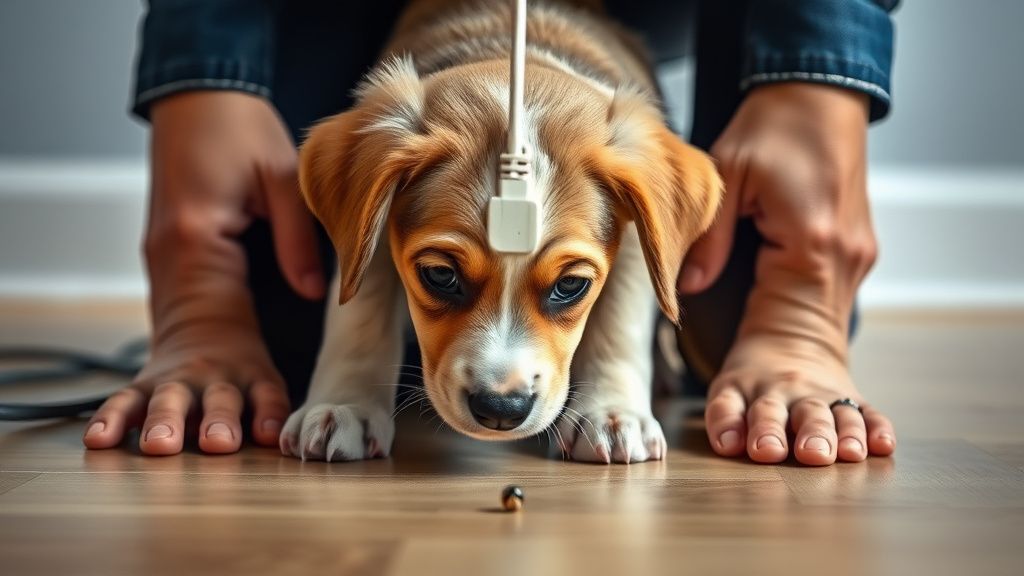
First, make your home safe. Puppy proofing is not optional. Get down on your hands and knees and see the world from their curious perspective. Look for electrical cords, small objects they could choke on, and toxic plants. As noted in our research, anxious dogs may need a crate to feel safe, and nosy dogs could use a baby gate to prevent them from going where they shouldn't. Setting up these boundaries from the start prevents accidents and gives your pup a secure den.
Next, gather your supplies. You do not need every gadget on the shelf, but a core set of items is crucial.
* A crate: Choose one that is just big enough for your pup to stand up, turn around, and lie down comfortably. It becomes their bedroom, not a punishment zone.
* Food and water bowls: Stainless steel or ceramic bowls are easy to clean and durable.
* Appropriate puppy food: Consult your vet on the best choice, but have a bag ready. If you are considering the convenience of a dog food delivery service for later, the first month is about consistency.
* A collar, leash, and ID tag: Even before vaccinations are complete, you will need these for safe trips to the vet.
* Chew toys and teething aids: Puppies explore with their mouths. Providing approved items saves your shoes.
* A comfortable bed: Place it in their crate or a quiet corner.
* Enzymatic cleaner: For inevitable indoor accidents. This removes odors completely so your pup is not tempted to reuse the spot.
Finally, schedule that all important first vet appointment. Multiple sources, including vets at Levittown Vet and Steinway Court Vet, stress the importance of a visit within the first three days of bringing your puppy home. This initial health check can uncover issues like a heart murmur or skin infection early. Have any paperwork from the breeder or shelter ready, including records of any prior deworming or vaccinations.
Week 1: Survival, Bonding, and the First Vet Visit
The first week is about helping your puppy settle in without overwhelming them. Everything is new, scary, and exciting.
Let your puppy explore one room or a gated off area at first. Supervise them closely. Do not flood them with visitors or loud noises. Remember the advice from Vetstreet: let your puppy spend short amounts of time in their crate to process this big change. It is okay to have the crate in a common area, but do not bug them while they are in there. This teaches them that the crate is a safe, peaceful retreat.

Your first vet visit is the cornerstone of responsible care. Come prepared with questions. As Avail Pet outlines, this visit is for more than just shots. You will discuss a long term plan for preventative care against heartworm, fleas, and ticks. Talk about nutrition to confirm your food choice and ask about the ideal time for spaying or neutering. Bring a fresh stool sample for parasite testing. This visit establishes a health baseline and gets your puppy on a vaccination schedule, which is your ticket to future walks in the park.
Start house training immediately. Puppies need to eliminate frequently, sometimes as often as every 30 minutes. Take them out first thing in the morning, after every nap, after every meal, and before bed. Use a consistent phrase like "go potty" and throw a party with praise and a treat when they succeed. Accidents will happen. Clean them up with an enzymatic cleaner without scolding your pup.
Begin training on day one using positive reinforcement. This simply means rewarding the behavior you want. The Petz UK guide emphasizes this, stating to use treats, praise, and play. Teach their name by saying it and giving a treat when they look. You can even start on simple cues like "sit" in short, fun, five minute sessions. The goal is not perfection, but building a language of rewards and trust. Having a stash of the best dog treats on hand for these moments makes a huge difference.
Weeks 2-3: Routine, Socialization, and Biting
By now, the initial shock has worn off, and a routine should be emerging. Consistency is your best friend during this phase.
A predictable daily schedule for feeding, potty breaks, play, training, and naps reduces anxiety for your puppy. They learn what to expect and when. Crate training becomes easier as they associate the crate with rest time. Stick to the same feeding times and the same potty break routine. This predictability accelerates house training.
Socialization is critical, but it must be done safely before vaccinations are complete. Socialization is not about dog parks. It is about positive exposure to new sights, sounds, and surfaces. Carry your puppy to quiet places to watch the world go by. Invite a few calm, fully vaccinated friends over. Let your puppy experience different floor textures, gentle handling of their paws and ears, and the sound of the vacuum from a distance. Positive experiences now can prevent fear and dog anxiety later.
Puppy biting is normal but painful. They are teething and playing. When those needle sharp teeth latch onto you, let out a high pitched "ouch!" and immediately stop play. Redirect them to an appropriate chew toy and praise them for chewing that. Consistency from every family member is key. This teaches them that human skin is off limits.
Continue expanding their training repertoire. Practice "sit," "come," and "down" in short bursts. Work on leash skills indoors where there are fewer distractions. The more you practice in a controlled environment, the easier it will be outside later.
Week 4 and Beyond: Expanding Horizons and Vet Follow-ups
You are nearing the one month mark. Your puppy is more settled, and you are starting to see their personality shine.
Depending on your vet's schedule and your puppy's age, you may be due for a second round of vaccinations. Keep a detailed record of all vet visits and medications. This is also a good time to discuss any concerns you have noticed, like unusual stool, excessive scratching, or behavioral quirks.
As your puppy receives more vaccines, you can slowly expand their world. Consult your vet on when it is safe to walk in your neighborhood. Start with short walks, letting them sniff and explore. Continue introducing them to new, safe environments and people.
Increase the duration and distraction level of your training sessions. Practice commands in the backyard, then on a quiet sidewalk. Begin teaching polite manners, like not jumping on guests and waiting calmly for their food bowl. If you are feeling overwhelmed, researching how to choose a dog trainer, as suggested by Petz UK, is a smart investment.
Consider your long term care strategy. Are you happy with their food? Now might be the time to explore different options like fresh dog food if you are seeking optimal nutrition. To keep them engaged and prevent boredom, which can lead to destructive chewing, think about mental stimulation. A monthly dog subscription box can be a fantastic way to deliver novel, vet approved toys and treats right to your door, keeping your pup excited and your life a little simpler.
Final Thoughts
The first 30 days with your puppy are a whirlwind of learning curves, little victories, and priceless moments. There will be sleepless nights and chewed slippers, but there will also be the first time they successfully "sit" on command and the first time they fall asleep trustingly in your lap. This period lays the entire foundation for your life together. By focusing on health, routine, positive training, and safe socialization, you are not just surviving the puppy phase. You are actively building a confident, well behaved, and deeply bonded companion. Be patient with yourself and your pup. Celebrate the small wins. You have got this.
Find the Perfect Box for Your Dog
Compare top-rated dog subscription boxes and find the best fit for your pup.
Compare Boxes