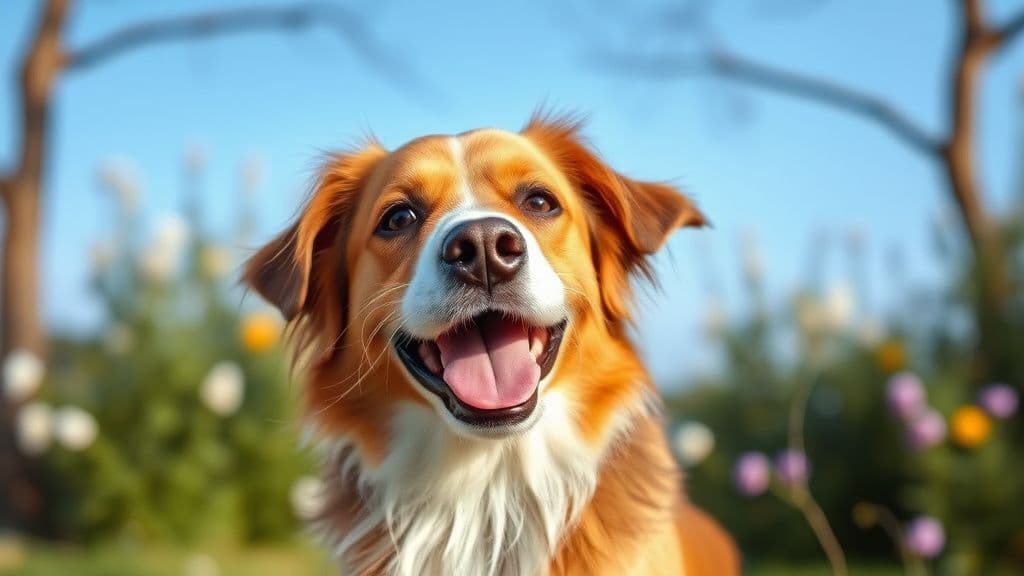
Track Your Dog's Hydration Needs Precisely
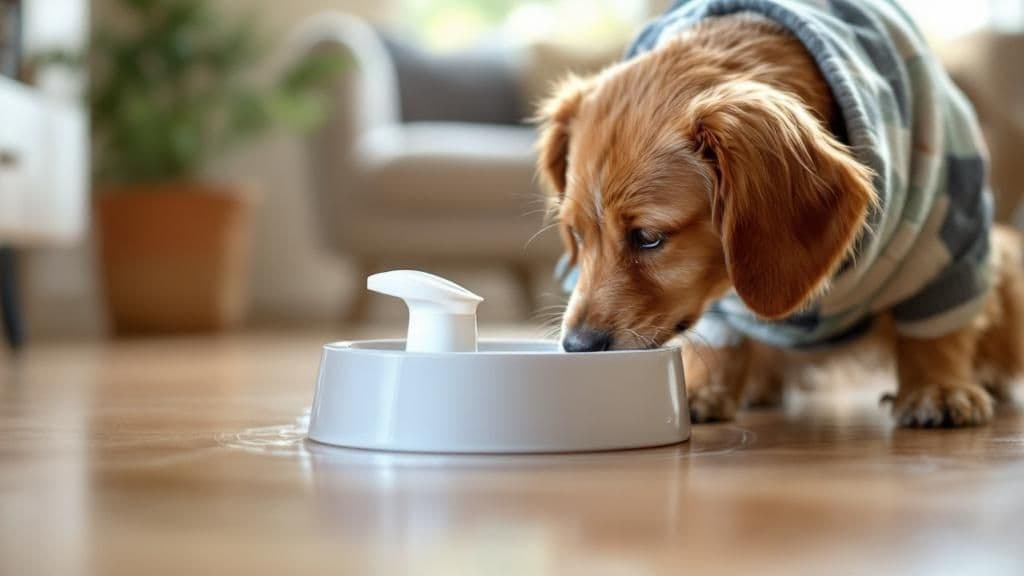
Ensure your dog stays hydrated and healthy with our easy-to-use water intake calculator.
A healthy dog should drink approximately 1 ounce of water per pound of body weight per day (a 50-lb dog needs about 50oz or 6 cups). Active dogs, nursing mothers, and dogs eating dry food may need up to 2x that amount, while sudden increases or decreases in water intake can signal health issues requiring veterinary attention.
As a dog owner, you’ve probably filled that water bowl countless times, maybe wondering if you’re doing it right. Is your dog drinking enough? Are they drinking too much? It’s a simple act that’s absolutely vital to their health, yet it’s often something we guess at. I’ve seen so many well meaning pet parents rely on instinct alone, but hydration is too important to leave to chance. That’s where a dog water intake calculator becomes your best friend. These handy tools take the guesswork out of hydration by using your dog’s specific details to provide a personalized daily water target. Let’s explore how these calculators work, why the numbers matter, and how you can use them to ensure your canine companion stays perfectly hydrated.
How Much Water Should My Dog Really Drink?
You might have heard the old rule of thumb: one ounce of water per pound of body weight per day. While that’s a decent starting point, it’s a one size fits all approach that doesn’t account for your dog’s unique life. A dog water intake calculator refines this by factoring in the variables that truly affect thirst.
The core calculation many tools use is based on weight. For example, one resource states you can figure a dog’s daily water requirement by using this equation: take their weight in pounds, raise it to the 0.75 power, then multiply by 50. That sounds complex, but a good calculator does the math for you instantly. So for that 24 pound Cocker Spaniel, the tool handles the exponent and gives you the precise amount in milliliters or ounces.
But weight is just the beginning. The best calculators go further.
Key Factors That Change Your Dog’s Water Needs
A static number isn’t helpful if your dog’s day to day life changes. Here are the critical elements that any thorough calculator will ask about, and why they matter.
* Activity Level: This is a huge one. A dog who enjoys a long hike or a vigorous play session loses significant water through panting, which is how dogs primarily cool down. They’ll need more water to replenish what was lost. A sedentary senior dog, on the other hand, will have a lower requirement.
* Diet: What your dog eats directly impacts their water intake. Dogs on a dry kibble diet need to drink more water to help process that food. One method noted by experts is that a dog should drink about 1 milliliter of water for every dog calorie calculator consumed on a dry food diet. If you use a fresh dog food delivery service or feed wet food, your dog is getting a substantial amount of moisture directly from their meals. A calculator that asks about diet type will adjust its recommendation accordingly.
* Weather and Environment: A hot summer day or a dry, heated home in winter will increase your dog’s water needs. Panting increases in the heat, leading to more fluid loss.
* Health Status: While a calculator provides a healthy baseline, certain conditions like diabetes or kidney disease can cause excessive thirst. This is why monitoring against a baseline is so valuable; it helps you spot changes.
Using a calculator that considers these factors gives you a true daily target, not just a generic average. It’s a personalized hydration plan.
Using a Dog Water Intake Calculator: A Step by Step Guide
The beauty of these tools is their simplicity. You don’t need to be a mathematician. Here’s exactly how to use one effectively.
First, find a reputable calculator. Several are mentioned in our research, like those from Omni Calculator, Inch Calculator, or Nom Nom. They are typically free and require no registration. You just input your dog’s details.
Here’s what you’ll likely need to provide:
1. Your Dog’s Weight: Be as accurate as possible. Use your last vet visit weight or a home scale.
2. Their Diet: Select whether they eat dry kibble, wet food, a raw diet, or a mix. Some may ask for specifics about calories.
3. Activity Level: Choose from categories like “Low” (mostly indoor, short walks), “Moderate” (daily walks and play), or “High” (working dogs, agility training, long runs).
4. Sometimes, Age and Breed: While weight and activity are the primary drivers, some advanced calculators may factor in life stage or breed size.
You hit “calculate,” and in seconds, you get a number. It might look something like: “Your 50 lb, moderately active dog on dry food should drink approximately 70 ounces of water per day.”
That’s your benchmark. I recommend writing it down or saving it on your phone. For a week, try to measure how much water you put in the bowl versus what’s left ultimately. This isn’t about being obsessive, but about getting a real world sense of their habits compared to the science based goal.
The Signs: Dehydration and Excessive Drinking
A calculator gives you a target, but your eyes give you context. Knowing the signs of imbalance is crucial.
Is Your Dog Drinking Enough? Spotting Dehydration
Dehydration can sneak up quickly, especially in hot weather or after exercise. Here are the signs to watch for:
* Loss of Skin Elasticity: Gently pinch the skin at the back of your dog’s neck. In a well hydrated dog, it will snap back immediately. If it retracts slowly or forms a “tent,” it’s a sign of dehydration.
* Dry Gums and Nose: Healthy gums are moist and slick. Dry, sticky gums are a red flag. A dry nose can also be an indicator, though some dogs naturally have drier noses.
* Sunken Eyes: This is a more serious sign.
* Lethargy or Depression: A dehydrated dog will often seem unusually tired or unwilling to move.
* Panting Excessively: While panting is normal, relentless panting when at rest can signal the body is struggling to cool down due to lack of fluids.
If you suspect mild dehydration, encourage small, frequent drinks of water. For severe signs, seek veterinary care immediately.
Why Is My Dog Drinking So Much Water?
On the flip side, you might notice your dog is constantly at the bowl, draining it faster than the calculator suggests is normal. This is called polydipsia. While sometimes it’s due to harmless reasons like increased exercise or a salty treat, it can be a symptom of underlying issues.
Common medical causes include diabetes, kidney disease, Cushing’s disease, or a urinary tract infection. This is why establishing a normal baseline with a calculator is so powerful. If your 40 lb dog usually drinks 50 ounces a day but suddenly starts gulping 80 ounces daily for no clear environmental reason, you have a specific, observable change to report to your vet. It moves the conversation from “they seem thirsty” to “their intake has increased by 60%.”
Practical Tips for Perfect Hydration
Knowing the number is one thing. Helping your dog hit that target consistently is another. Here are some actionable strategies.
* Make Water Accessible and Appealing: Always have fresh, clean water available in a clean bowl. Some dogs prefer ceramic or stainless steel bowls over plastic. Consider placing multiple bowls around the house, especially if you have multiple floors.
* Enhance the Water: For picky drinkers or to encourage intake, try adding a splash of low sodium chicken broth or a piece of a favorite fruit like watermelon (seedless) to the water. You can even use the broth from a pouch of top quality wet food.
* Hydrate Their Food: If your dog is on dry kibble, add warm water or bone broth to their meal and let it soak in. This is an easy way to boost their moisture intake directly. If you use a dog best dog subscription boxes for treats, look for hydrating options like moisture rich chews or broths designed to be poured over food.
* Invest in a Fun Fountain: Many dogs are attracted to moving water. A pet fountain can encourage them to drink more throughout the day.
* Carry Water On the Go: Never leave home without a portable dog bowl and water bottle, especially in warm weather. Hydration doesn’t pause when you step outside.
* Monitor Intake with Measured Refills: When you fill the bowl, use a measuring cup. ultimately, note how much you added. This simple habit gives you real data.
Remember, the water from the calculator includes all sources: their water bowl, the moisture in their food, and any other liquids they consume. A dog on a wet food or fresh food diet may visit the water bowl less often, and that’s perfectly normal.
Final Thoughts
Using a dog water intake calculator isn’t about creating another chore in your pet care routine. It’s about empowerment. It transforms hydration from a vague concern into a manageable, understood part of your dog’s health. You get a clear, personalized number that accounts for your dog’s actual weight, diet from that premium dog food delivery service you use, and their love for afternoon fetch sessions.
Think of it as a partnership. The calculator provides the science based framework, and you provide the loving observation and daily care. Together, they ensure your dog’s fundamental need for water is met consistently. It’s one of the simplest and most profound ways to support their vitality, from a shiny coat and good energy levels to proper kidney function and digestion.
So, take two minutes today. Find a calculator, input your dog’s details, and get your number. Tuck it away in your mind. Watch the water bowl with a little more knowledge. That knowledge, combined with your attention, is what keeps your best friend happy, healthy, and perfectly hydrated for all the adventures ahead.
Recommended Products



Find the Perfect Box for Your Dog
Compare top-rated dog subscription boxes and find the best fit for your pup.
Compare Boxes