Master Dog Separation Anxiety Desensitization

Ease your dog's separation anxiety with a gradual desensitization plan that builds their confidence.
The only real way to train a dog with separation anxiety is through a systematic desensitization plan. This involves starting with many short separations that do not cause anxiety and then gradually increasing the duration over many weeks of daily sessions. The core of this training is step by step sessions that slowly and safely teach your dog to tolerate being alone.
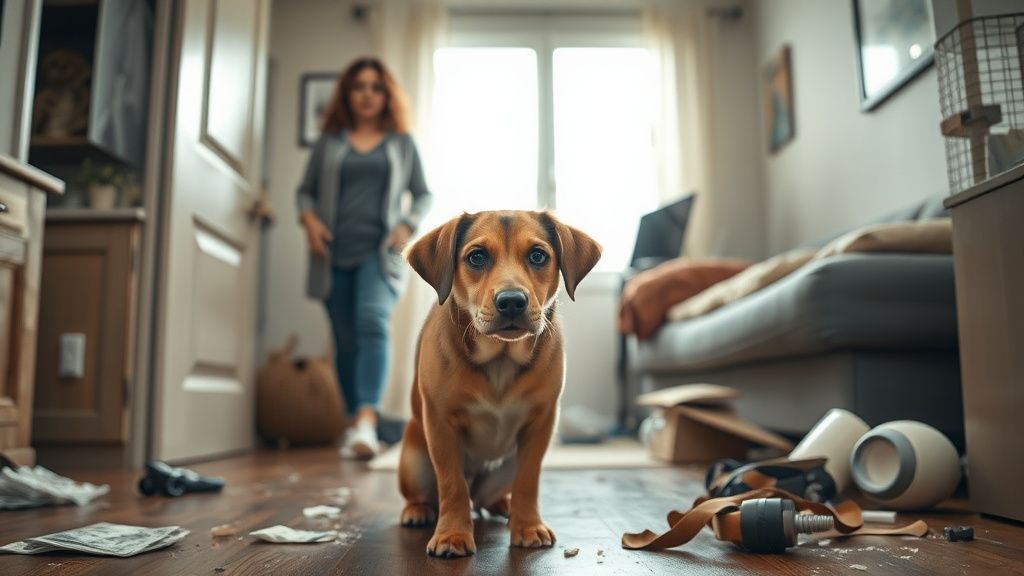
Does your dog turn into a whirlwind of destruction the moment you leave? Coming home to chewed doors, scratched floors, and distressed barking is heartbreaking. You’re not alone. Separation anxiety is a common and deeply stressful condition for dogs and their people. The good news is there is a proven path forward. Forget quick fixes or leaving the TV on. True change comes from a compassionate, structured training process called systematic desensitization. It’s not about forcing your dog to “tough it out.” It’s about rebuilding their confidence, one tiny, successful step at a time. I’ve seen this method transform dogs who couldn’t handle a minute alone into calm, content pups. This guide will walk you through creating your own step by step desensitization plan, based on the methods used by certified experts.
What Is Systematic Desensitization and Why Does It Work?
Systematic desensitization is the gold standard for treating separation anxiety. Think of it like exposure therapy. If someone is terrified of spiders, you wouldn’t start by dropping one on their lap. You’d begin by looking at a picture from across the room. Dog separation anxiety training follows the same principle. You break down the terrifying event of “my person is gone” into microscopic, manageable pieces that don’t trigger panic. As the ASPCA outlines, the process involves starting with many short separations that do not produce anxiety and then gradually increasing the duration over many weeks.
This works because it respects your dog’s emotional threshold. Every dog has a point where worry tips over into full blown anxiety. The goal is to operate *under* that threshold, creating positive or neutral experiences of being alone. Each successful session builds a new neural pathway: “Being alone is okay. My person comes back.” Over time, you stretch that threshold minute by minute. It requires patience, but it’s the only method that addresses the root fear instead of just suppressing the symptoms. As noted in the veterinary literature, this behavioral modification is central to treatment, often combined with managing the dog’s environment and providing engaging activities.
The Foundation: Setting the Stage for Success
Before you take a single step out the door, you need to lay the groundwork. Rushing into absences will set you back. First, make a promise to your dog. Certified Separation Anxiety Trainer Malena DeMartini frames this as a contract. You are committing to never leaving your dog alone longer than they can currently handle. This might mean arranging dog sitters, daycare, or working from home temporarily. Breaking this contract by causing an anxious episode can undo weeks of progress. Securing this promise is the non negotiable first step.
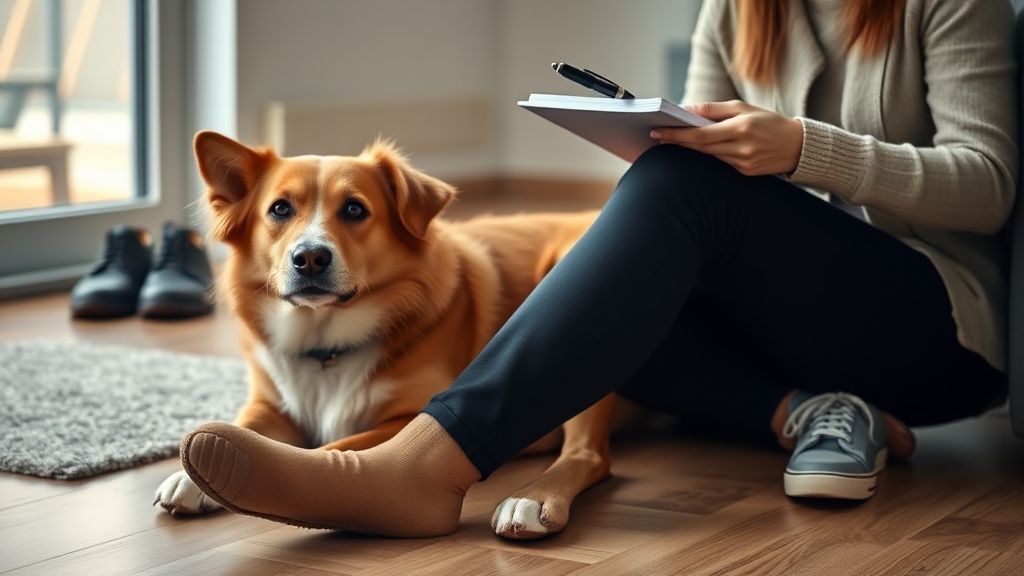
Next, become a detective. For a week, jot down everything that happens before you leave. Do you jingle your keys? Put on shoes? Pick up your bag? These are called “departure cues,” and for an anxious dog, they are like a horror movie soundtrack, predicting something scary. The blog Tails of Connection suggests that if you can’t remove a stressful cue, you must desensitize your dog to it first. Practice these actions at random times without leaving. Jingle your keys, then sit down for dinner. Put on your shoes, then watch TV. This helps break the negative association. Also, identify your dog’s baseline threshold. How long can you be out of sight before they show signs of stress? Is it 10 seconds? Two minutes? This number is your starting point. The Rover article emphasizes knowing this threshold is critical before you begin to slowly desensitize them to longer absences.
Finally, stock up on powerful motivators. You’ll need ultra high value treats your dog goes crazy for. This is where a thoughtfully curated dog subscription box can be a lifesaver, delivering novel, exciting treats each month to keep your training sessions interesting. Also, consider a special “alone time” toy, like a stuffed Kong or a puzzle feeder filled with something delicious. Having a dog food delivery service for fresh meals means you can easily use portions of their food for training and enrichment.
Your Step by Step Desensitization Training Plan
This is the core program. You will need a notebook, a timer, and consistency. Plan for multiple short sessions (5-15 minutes) throughout the day. The total daily training time might be 30 minutes, as suggested in the research, but broken into small chunks. Each week, you’ll follow a framework of individualized exercises, adjusting daily based on your dog’s responses, similar to the 4 exercises per week model used by professional trainers.
Week 1-2: Mastering the Micro-Absence
Your goal here is not to leave the house. Your goal is to move a few feet away and return before your dog gets worried. Start well below their known threshold. If they panic at 30 seconds, start at 5 seconds.
1. Session Setup: Give your dog their special puzzle toy in their designated safe space (like a crate or bed). Act calmly.
2. The First Step: Walk to the inside of your front door. Touch the knob. Immediately return, calmly take the toy (if they aren’t finished), and ignore your dog for a minute. The departure and return must be boring.
3. Gradual Increase: Repeat, varying the time. Do 5 seconds, then 10, then 3, then 15. The variability prevents them from predicting the pattern. Never end on a long duration. Always return while they are still calm.
4. Adding Cues: Once they are relaxed with you at the door, add a single, muted cue. Quietly unlock the door, then return. Open the door an inch, then return.
The key is repetition without triggering anxiety. If your dog stops eating, looks up, or shows any stress, you’ve gone too far. Shorten the time immediately. This phase builds the fundamental understanding that your movements near the door are meaningless.
Week 3-4: Stepping Outside the Threshold
Now you’ll begin very short absences out the door. This is a big step. Ensure your dog is deeply engaged with a long lasting treat.
1. Step Out and Back: With your dog settled, calmly step fully outside the door and close it gently. Wait for 2 seconds. Open the door and re enter calmly. Ignore your dog initially.
2. The Variable Interval Protocol: As outlined in the training protocols, practice absences of variable lengths within a single session, always staying under threshold. A session might look like: Out for 3 seconds, in. Out for 10 seconds, in. Out for 1 second, in. Out for 7 seconds, in.
3. Building Duration: Over days, slowly push the *longest* absence in the session. If 10 seconds was easy, make your longest absence 12 seconds, then 15, then 20. Keep the shorter ones mixed in.
If you hit a wall where your dog seems stuck at a certain duration, don’t push. Spend several days solidifying that time before adding a single second. Consider using a doggy cam to monitor their subtle body language. The K9 of Mine article references the importance of these step by step audio guided sessions, which you can replicate by recording your own calm departure phrases to play softly.
Week 5 Onward: Expanding Time and Distance
Your dog can now handle you being outside the door for a minute or two. The next phase is to increase the duration methodically and to start simulating real departures, like getting in your car.
1. Increasing Alone Time: Follow the same variable interval method, but now your scale is minutes. A session goal might be to reach a 5 minute absence. Mix 30 seconds, 2 minutes, 1 minute, and 4 minute absences.
2. Adding Real World Complexity: Once they are rock solid with you just outside, add another layer. Step outside, walk to your mailbox and back (if visible from the door), then return. Start your car’s engine, turn it off, and come back inside. As the Tails of Connection blog notes, desensitizing to unavoidable cues like the car starting is crucial.
3. The 30 Minute Milestone: Many experts point to 30 minutes as a significant milestone. A dog who can be alone for 30 minutes without anxiety can often learn to handle longer periods more easily. Work toward this in small increments over weeks.
Throughout all phases, your returns must be utterly mundane. No excited “Hello, I missed you!” greetings. This teaches your dog that reunions are no big deal, which makes departures less of a big deal, too.
Supporting Your Training Plan: Tools and Lifestyle Tweaks
Desensitization is the main event, but these supporting strategies create a full picture of security for your dog.
Create a Calm Departure and Arrival Routine: Your own energy is contagious. Practice being boring. Ten minutes before you leave and after you return, ignore your dog. This lowers the emotional rollercoaster of highs and lows that fuels anxiety. Provide Ample Mental and Physical Exercise: A tired dog is a calmer dog. Ensure your dog gets plenty of exercise *before* you attempt a training session. Mental stimulation is just as important. Snuffle mats, training games, and chew toys from a best dog subscription boxes service can exhaust them in a good way. Consider Calming Aids: For some dogs, the anxiety is so profound that they cannot get under threshold to start training. This is where talking to your vet is essential. They may recommend calming supplements, pheromone diffusers (like Adaptil), or in some cases, temporary anxiety medication. The Los Angeles Times article on pandemic pets confirms that medication can be a helpful tool to make the brain receptive to training, not a last resort. Never use punishment for anxiety related behaviors like destruction or barking. It only increases their fear. Use Enrichment Strategically: That special stuffed Kong or Toppl should *only* appear when you are practicing departures. This creates a powerful positive association: “When mom gets her keys, I get my amazing peanut butter puzzle!” It buys you crucial calm moments at the start of your absence.When to Seek Professional Help
This training plan is demanding. It requires precise timing, careful observation, and immense consistency. If you feel overwhelmed, if your dog is not progressing, or if their anxiety is severe (causing self injury or extreme distress), please seek help. A Certified Separation Anxiety Trainer (CSAT) or a veterinary behaviorist is your best resource, as PetMD advises. They can provide a tailored behavior modification program, support, and accountability. They act as a coach, helping you read your dog’s signals and adjust the plan daily, much like the personalized exercise adjustments mentioned in professional programs. Investing in expert guidance can often shorten the overall training timeline and reduce stress for everyone.
Final Thoughts
Helping a dog overcome separation anxiety is a journey of patience and empathy. It’s not a linear process. Some days you’ll gain five minutes, others you’ll need to drop back to five seconds. That’s okay. Celebrate the tiny victories. The moment your dog stays relaxed as you touch the doorknob is a monumental success. Remember the contract you made with your dog. Their trust in you is the foundation of everything. By using this systematic desensitization plan, you are not just teaching your dog to be alone. You are giving them the gift of confidence and security. For more support on managing canine stress, explore our complete dog anxiety guide. With time, consistency, and a lot of love, you can both find peace when apart.
Find the Perfect Box for Your Dog
Compare top-rated dog subscription boxes and find the best fit for your pup.
Compare Boxes