Spot And Solve Dog Obesity Now
Spot the signs of dog obesity and learn simple steps to help your furry friend achieve a healthy, active life.
You can tell if your dog is overweight by checking for a lack of a visible waistline when viewed from above, an abdomen that hangs down, and ribs that are difficult to feel under a layer of fat. The most accurate method is a veterinary assessment using a Body Condition Score. If your dog is overweight, you should schedule a veterinary checkup to rule out medical causes, then follow a vet prescribed diet and exercise plan.
As a dog owner, few things are more satisfying than seeing your pup happy and content, often with a wagging tail and a hopeful look toward the treat jar. But that loving look can sometimes lead us down a path where our generosity with food and treats contributes to a silent health crisis: dog obesity. I've seen it time and again in my work with dogs and their families. What starts as an extra biscuit here or a larger scoop there can slowly add up, and before we know it, our energetic companion is carrying extra weight that impacts their vitality. Recognizing and addressing this issue is one of the most profound acts of care we can provide. It's not about withholding love; it's about redirecting that love into actions that ensure a longer, more active life together. This guide will help you understand the signs, the serious risks, and the practical steps you can take, all based on veterinary expertise and research.
How Can I Tell If My Dog Is Overweight?
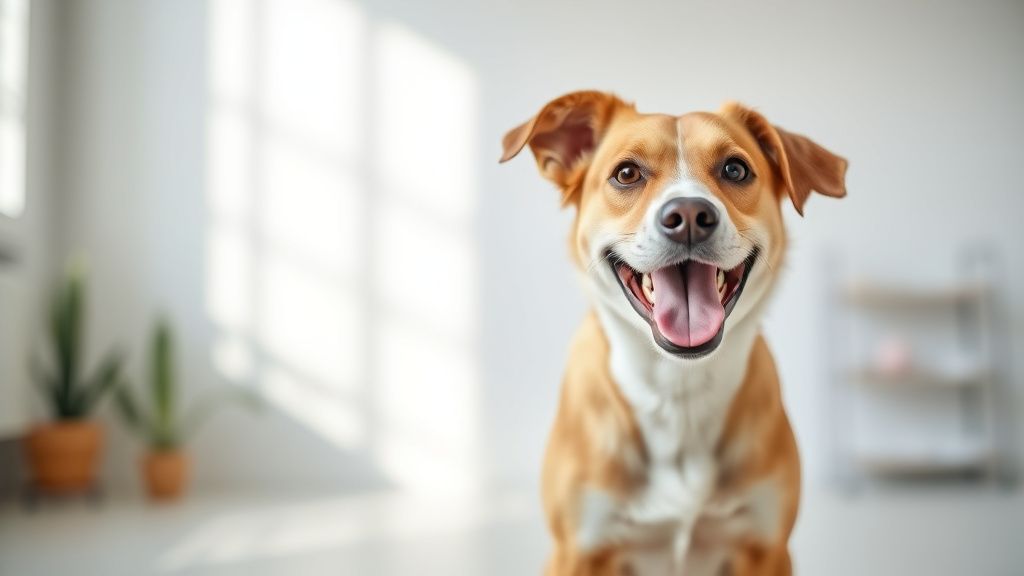
You don't need a scale at home to have a good idea about your dog's weight. Veterinarians use a hands on, visual assessment called a Body Condition Score (BCS), and you can learn to do a simplified version yourself. The American Animal Hospital Association notes that the most accurate way to determine if your pet is overweight is by assessing their body condition score, which evaluates fat coverage, waist shape, and abdominal tuck rather than relying on weight alone.
Perform the Rib Test. Place your hands on your dog's sides. You should be able to easily feel their ribs under a thin layer of fat, similar to the feeling of the back of your hand. If you have to press firmly to find the ribs, that's a clear sign of excess weight. Look for a Waist. Stand above your dog and look down. You should see a clear inward curve or indent behind the rib cage, creating an hourglass shape. As noted by veterinarians, an overweight dog typically won't show a clear waistline, and their belly and chest will blend together when viewed from above. Check the Abdomen from the Side. Look at your dog's profile. There should be an upward tuck in the abdomen from the bottom of the rib cage to the hips. A sagging or straight belly that hangs down is a common indicator of being overweight. Feel the Base of the Tail. The area where the tail meets the body should have a smooth contour. If it feels padded or bulging with fat, it's another point on the checklist for excess weight.While these home checks are useful, they are not a substitute for a professional opinion. Your veterinarian uses a standardized BCS scale, often from 1 to 9, where 4 to 5 is ideal. Anything above that range suggests a dog may be overweight or obese. As multiple veterinary sources confirm, to determine if your dog is overweight your vet will perform a comprehensive examination and weigh them on a scale, taking their breed and physical build into consideration.
Why Is Dog Obesity Such a Serious Problem?
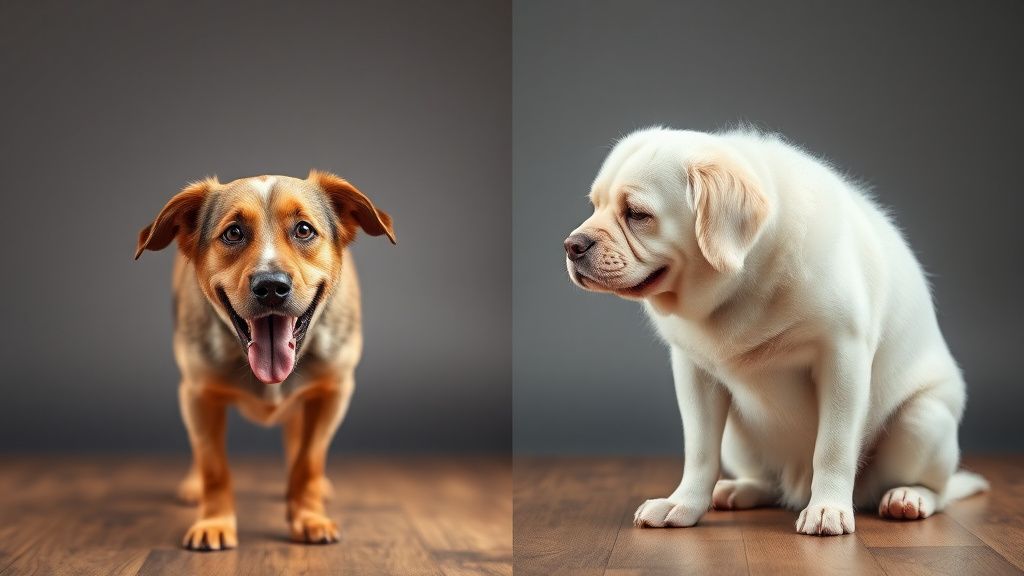
We might think a chubby dog is just a little cute or cuddly, but the extra weight is a significant burden on their entire body. It's a disease that actively shortens and diminishes their lives. The consequences are far reaching and often irreversible if not addressed.
The most sobering fact is that overweight dogs often have a shorter lifespan than those who maintain their ideal weight. Carrying extra pounds places strain on vital organs, which can lead to health issues that diminish both the length and quality of life.
Let's break down the specific risks:
* Joint and Mobility Issues: Extra weight puts constant, excessive pressure on joints, ligaments, and tendons. This dramatically increases the risk of painful conditions like arthritis, hip dysplasia, and torn cruciate ligaments. A dog in pain is less likely to move, creating a vicious cycle of weight gain and inactivity.
* Heart and Respiratory Disease: The heart has to work much harder to pump blood through a larger body mass. This can lead to high blood pressure and heart disease. Excess fat in the chest cavity can also restrict lung expansion, making breathing labored, especially in hot weather or during exercise.
* Diabetes Mellitus: Obesity causes insulin resistance, making a dog prone to developing diabetes, a lifelong condition requiring daily management with insulin injections and strict diet control.
* Increased Surgical and Anesthetic Risk: If an overweight dog needs surgery, the procedure becomes riskier. Anesthesia is harder to dose correctly, and recovery is more complicated due to the strain on the cardiovascular system and the challenge of healing through layers of fat.
* Other Complications: Obesity can be an indicator of other issues, such as hormonal disorders like hypothyroidism. It also contributes to skin problems, certain cancers, and a general lack of energy and enthusiasm for life.
Understanding these risks transforms the goal from wanting a "slim" dog to wanting a *healthy* dog. It reframes every treat and every walk as a direct investment in their wellbeing.
What Should I Do If I Think My Dog Is Overweight?
The first step, as highlighted by VCA Animal Hospitals, is to recognize and acknowledge that there is a problem. Avoid making excuses or comparing your dog to others. Once you've done your home assessment and have concerns, it's time to take structured action.
1. Schedule a Veterinary Visit. This is non negotiable. If you suspect your dog may be overweight, schedule a weight check and examination with your veterinarian. This visit has two critical purposes: to get an official diagnosis and to rule out underlying medical causes. Conditions like hypothyroidism or Cushing's disease can cause weight gain, and these need to be treated directly. Your vet will give you an ideal target weight and a Body Condition Score. 2. Develop a Plan with Your Vet. If no underlying illness is found, your vet will prescribe a diet and exercise plan to help get your pup's weight back on track. Never start a crash diet or intense exercise regimen on your own, as this can be dangerous. The plan will be tailored to your dog's age, breed, and current health status. 3. Implement the Plan at Home. This is where your commitment comes in. The plan will typically involve two pillars: measured nutrition and increased activity. Be patient. Healthy weight loss for dogs is slow, aiming for 1 2% of body weight per week.How Do I Help My Dog Lose Weight Safely?
Helping your dog lose weight is a team effort between you, your family, and your veterinarian. Consistency is your most powerful tool.
Rethink Their Diet
Portion control is everything. Use a measuring cup for kibble, and follow your vet's recommended daily amount, which is often less than what's on the bag. Here are key strategies:
* Switch to a Weight Management Food: Your vet may recommend a specific therapeutic diet that is lower in calories and fat but high in fiber and protein to promote satiety. Exploring different delivery methods, like a fresh dog food service, can also help with precise portion control and high quality ingredients.
* Account for All Calories: Every treat, dental stick, and spoonful of peanut butter counts. Deduct these calories from the daily food allowance. Swap high calorie treats for low calorie options like green beans, air popped popcorn (no salt or butter), or small pieces of carrot.
* Scheduled Feeding: Feed two or three measured meals per day instead of free feeding. This helps regulate metabolism and prevents constant grazing.
* Use Food Puzzles: Slow down eating and provide mental stimulation by using puzzle feeders or snuffle mats. This makes mealtime last longer and feels more satisfying for your dog.
Increase Exercise Gradually
The Association for Pet Obesity Prevention considers exercise critical for cats and dogs. Activity burns calories and builds muscle, which in turn boosts metabolism.
* Start Slow: If your dog is very overweight, begin with multiple short, gentle walks each day instead of one long, strenuous one. Slowly increase the duration and pace over weeks and months.
* Incorporate Play: Fetch, swimming (great for sore joints), and flirt pole games are excellent calorie burners. Find what your dog loves to do.
* Make It Fun: Vary your routes to provide new smells and mental stimulation. Consider a dog subscription box that delivers new toys monthly to keep playtime exciting and engaging.
* Consistency is Key: Aim for daily activity. Even on rainy days, play indoor games like hide and seek with treats.
Remember to make sure your pet’s water dish is always full. Dogs especially love fresh water and will lap it up when there’s nothing to eat. Proper hydration supports metabolism and overall health.
How Can I Prevent My Dog From Becoming Overweight?
Prevention is always easier than treatment. Pet obesity prevention starts with early recognition and action, including regular check ups and twice yearly wellness exams to monitor a pet’s weight and overall health.
* Regular Weigh Ins: Make weighing your dog a routine part of your veterinary visits, or learn to do it at home if you have a scale.
* Maintain a Healthy Routine: Stick to consistent feeding and exercise schedules even after your dog reaches their ideal weight.
* Be Treat Smart: Use affection, play, and praise as rewards just as often as food. When you do use treats, choose the best dog treats that are small and low in calories, or use pieces of their regular kibble from their daily allotment.
* Involve the Whole Family: Ensure everyone in the household understands the feeding rules. One person's extra treats can undo everyone else's hard work.
* Adjust for Age and Activity: A senior dog or a dog recovering from surgery needs fewer calories than an active adult. Be prepared to adjust food portions as your dog's life circumstances change.
Final Thoughts
Seeing your dog return to a healthy weight is one of the most rewarding journeys you can take together. You'll witness a transformation not just in their physique, but in their spirit. That extra spring in their step, their renewed interest in play, and their overall brightness are the true rewards. It's a commitment that requires mindfulness and sometimes tough love, but it is a profound expression of your care. By partnering with your veterinarian, being honest in your assessments, and making consistent daily choices, you are giving your dog the gift of more vibrant, active years. If you're ever feeling overwhelmed, remember that you're not alone; resources like our dog anxiety guide can also help, as stress and weight are often interconnected. Start today with a gentle pat and a promise to them, and to yourself, for a healthier tomorrow.
Find the Perfect Box for Your Dog
Compare top-rated dog subscription boxes and find the best fit for your pup.
Compare Boxes