Heal Dog Ear Infections Naturally

Soothe your dog's ear infection at home with vet approved remedies like gentle cleansers and natural anti-inflammatories for quick relief.
Yes, you can treat mild dog ear infections at home by gently cleaning the ear with a vet recommended, alcohol free solution and applying natural remedies like diluted apple cider vinegar, coconut oil, or aloe vera. However, severe infections with significant redness, swelling, odor, or behavioral changes require immediate veterinary attention to prevent complications.
Seeing your dog constantly shake their head or paw at their ears is a clear sign something is wrong. Ear infections are incredibly common in our canine companions, and that frantic scratching can quickly turn a minor irritation into a painful problem. While a vet visit is always the gold standard, many pet parents find themselves wondering if there are safe, effective steps they can take at home for mild cases. The good news is, with careful attention and the right approach, you can often provide relief and support your dog's healing process naturally. I have seen firsthand how a proactive, gentle routine can make a world of difference for a dog prone to ear issues.
Understanding the Signs and Causes
Before you reach for any remedy, it's crucial to confirm you're likely dealing with a simple infection and not something more serious. Common signs your dog might have an ear infection include persistent head shaking, scratching at the ears, redness or swelling inside the ear canal, a foul odor, and dark discharge. Some dogs will also tilt their head or seem generally uncomfortable.
Infections can be caused by bacteria, yeast, or even mites. Often, they start because of excess moisture trapped in the ear after swimming or bathing, a buildup of wax and debris, or underlying allergies that cause inflammation. Dogs with floppy ears or lots of hair in their ear canals are especially prone. Addressing these root causes, like managing allergies through their diet from a trusted fresh dog food service or keeping ears dry, is a key part of prevention.
How to Properly Clean Your Dog's Ears
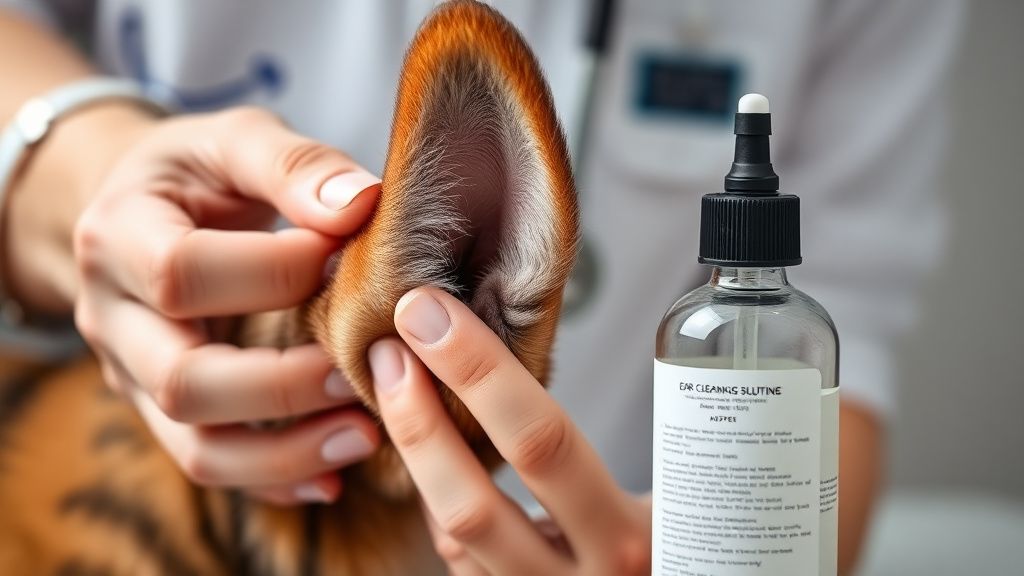
The cornerstone of any at home ear care, whether for treatment or prevention, is proper cleaning. As noted by Cornell University College of Veterinary Medicine, the right cleaning solution can make a significant difference. They advise avoiding anything with alcohol or hydrogen peroxide, as these can irritate the sensitive skin inside the ear canal.
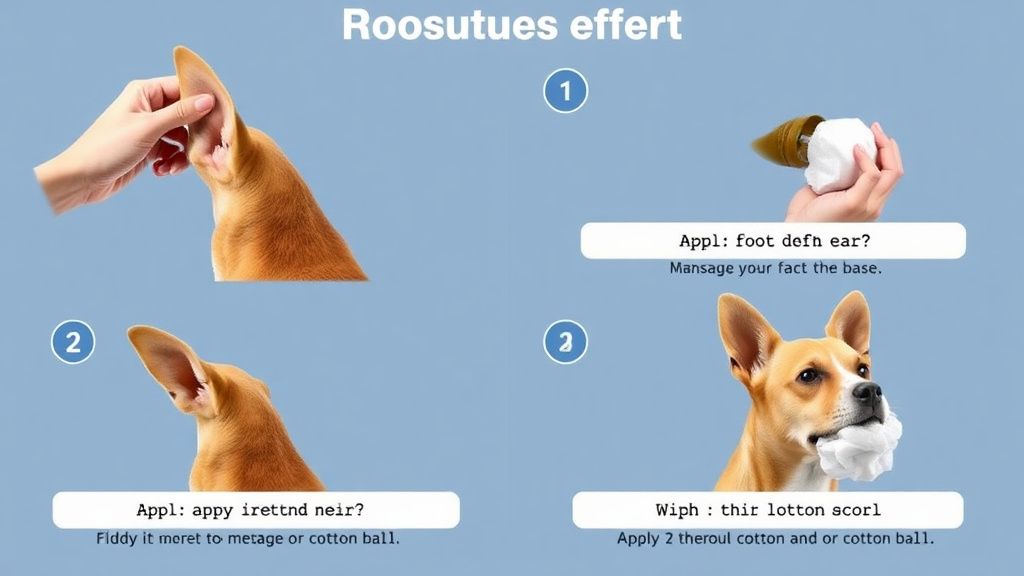
What you'll need: A vet recommended, dog specific ear cleaning solution, cotton balls or gauze pads (never cotton swabs that can go too deep), and plenty of treats for a cooperative pup. The step by step process:1. Gently hold your dog's ear flap upright to expose the canal.
2. Fill the ear canal with the cleaning solution as directed on the bottle. Do not insert the tip of the bottle deep into the ear.
3. Massage the base of the ear for about 20-30 seconds. You'll hear a squishing sound. This helps the solution break up debris.
4. Let your dog shake their head. This brings loosened material up and out.
5. Use a cotton ball or gauze to wipe away any visible discharge and excess solution from the inner ear flap and the opening of the canal. Wipe only what you can see.
This cleaning process, as emphasized in multiple sources including WagWalking and GBC Health, is often the first and most critical step. It removes the environment that allows infections to thrive, making any subsequent natural remedy much more effective.
Effective Home Remedies for Mild Infections
For mild irritations identified early, several natural remedies can offer soothing relief and antimicrobial benefits. Remember, these are for mild cases only. If symptoms persist beyond a day or two, or worsen at any point, stop and consult your vet.
Diluted Apple Cider VinegarApple cider vinegar (ACV) is a popular choice due to its natural antifungal and antibacterial properties. It creates an acidic environment that yeast and bacteria dislike. However, it should never be used full strength or on raw, open wounds. Always dilute it with an equal part of warm, distilled water. After cleaning the ear, you can apply a few drops of the diluted solution, massage gently, and wipe away excess. The Lolahemp blog lists this as one of the top home remedies.
Coconut OilCoconut oil has gained fame for its soothing and antimicrobial qualities, thanks to lauric acid. Warm a small amount so it becomes a liquid, but test it on your wrist to ensure it's only lukewarm. Apply a few drops into the cleaned ear canal and massage. The oil can help calm inflammation and fight mild infections. It's also a fantastic ingredient to look for in best dog treats for overall skin health.
Aloe VeraPure aloe vera gel is celebrated for its cooling, anti inflammatory, and healing properties. It can provide immediate relief from itching and redness. Ensure you are using 100% pure aloe vera gel, free from added alcohol, fragrances, or colors. Apply a small amount to the inner ear flap after cleaning.
Warm Olive OilA classic remedy, warm olive oil can help soothe irritation and soften wax buildup, making it easier to clean out. Gently warm a tablespoon of olive oil, test the temperature, and use a dropper to apply a few drops. Massage the ear and then wipe away any loosened debris. This method is also mentioned by Lolahemp as a gentle option.
Supporting Overall Ear Health from the Inside Out
A dog's susceptibility to ear infections is often linked to their overall health, particularly their immune system and any allergy issues. As Vetericyn points out, supporting your dog with a nourishing diet, regular exercise, and targeted supplements can foster strong health that fights off infections.
Food allergies or sensitivities are a major culprit behind chronic ear inflammation. If your dog has recurring ear problems, evaluating their diet is essential. Switching to a simple, limited ingredient diet or a high quality raw dog food or freeze-dried dog food option can sometimes reduce inflammatory responses. I have seen dogs with constant ear issues find remarkable relief once their diet was addressed.
Adding omega 3 fatty acids, commonly found in fish oil, can also support skin and ear health by reducing inflammation. Probiotics may help balance the body's natural flora, making it less hospitable to problematic yeast. You can find these in some specialized supplements or in a well curated dog subscription box focused on health and wellness.
When to Absolutely See the Vet
Knowing when to stop home treatment and seek professional help is perhaps the most important part of being a responsible pet owner. Home remedies are not a substitute for veterinary care in moderate to severe cases.
You should contact your vet immediately if you notice any of the following:
* Significant swelling or redness that closes the ear canal
* A strong, foul odor coming from the ear
* Bloody or pus like discharge
* Any signs of pain, such as yelping when the ear is touched or a sudden loss of balance
* A head tilt that doesn't go away
* No improvement after 24-48 hours of gentle home care
A veterinarian can properly diagnose the type of infection (yeast, bacterial, or mites) through a microscopic exam and prescribe the correct medication, which may include prescription ear drops or oral antibiotics. Trying to treat a severe bacterial infection with only apple cider vinegar, for example, could allow it to worsen and potentially damage the ear drum.
Preventing Future Ear Infections
An ounce of prevention is truly worth a pound of cure, especially with something as uncomfortable as an ear infection. Establishing a simple, regular ear care routine can save your dog a lot of distress.
Make a habit of checking your dog's ears weekly. They should look pale pink, smell neutral, and have minimal wax. After every bath or swim, take the time to dry your dog's ears thoroughly. You can use a soft towel and even a dryer on a cool, low setting held at a distance. For dogs that swim frequently, a vet approved, drying ear cleaner can be used post swim to help evaporate moisture.
Regular grooming, including plucking hair from the ear canal if your breed requires it, can improve airflow. Most importantly, pay attention to your dog's overall health. Managing allergies, whether through diet or environmental changes, is a powerful way to stop infections before they start. For dogs with anxiety that leads to excessive scratching, our dog anxiety guide offers strategies to help them feel calmer.
Final Thoughts
Dealing with your dog's ear infection can feel worrying, but armed with the right knowledge, you can take effective action. For mild cases, a gentle ear clean followed by a diluted natural remedy like apple cider vinegar or coconut oil can provide real relief. Remember that the cleaning process itself is often the most therapeutic step. Always prioritize your dog's comfort and safety, and never hesitate to transition from home care to professional veterinary care when the signs point to a more serious infection.
By incorporating regular ear checks into your routine and supporting your dog's health through a balanced diet and proactive wellness practices, you can greatly reduce the frequency of these uncomfortable episodes. Your vigilance and care are your dog's first and best defense against ear infections.
Find the Perfect Box for Your Dog
Compare top-rated dog subscription boxes and find the best fit for your pup.
Compare Boxes