The 2026 Dog Dental Care Handbook

Unlock the secrets to your dog's sparkling smile and optimal health with our essential 2026 dental care guide.
Dog dental health is crucial because periodontal disease affects over 80% of dogs over age three and can lead to serious systemic health issues. A complete 2026 approach combines daily tooth brushing as the gold standard, professional veterinary cleanings, and the use of VOHC accepted products like dental powders, chews, and supplements. Affordable dental insurance plans are also available to help manage the costs of comprehensive care.
Your dog’s smile is about more than just a happy greeting. Behind those wagging tails and playful barks lies a critical aspect of their overall well being that often goes overlooked: their dental health. I’ve seen too many pet parents realize too late that bad breath isn’t just a nuisance, it’s a warning sign. The reality is stark. Research confirms that periodontal disease is the most common disease in dogs over three years old, with estimates suggesting over 80% of dogs in this age group are affected. This isn't just about yellow teeth or gum inflammation. Advanced periodontal disease is linked to changes in kidney, liver, and heart health. The good news? With the strategies and products available in 2026, protecting your dog’s teeth is more manageable than ever. This guide will walk you through the latest expert approved methods to ensure your furry friend’s mouth stays healthy for life.
Why Is Dog Dental Health So Critical?
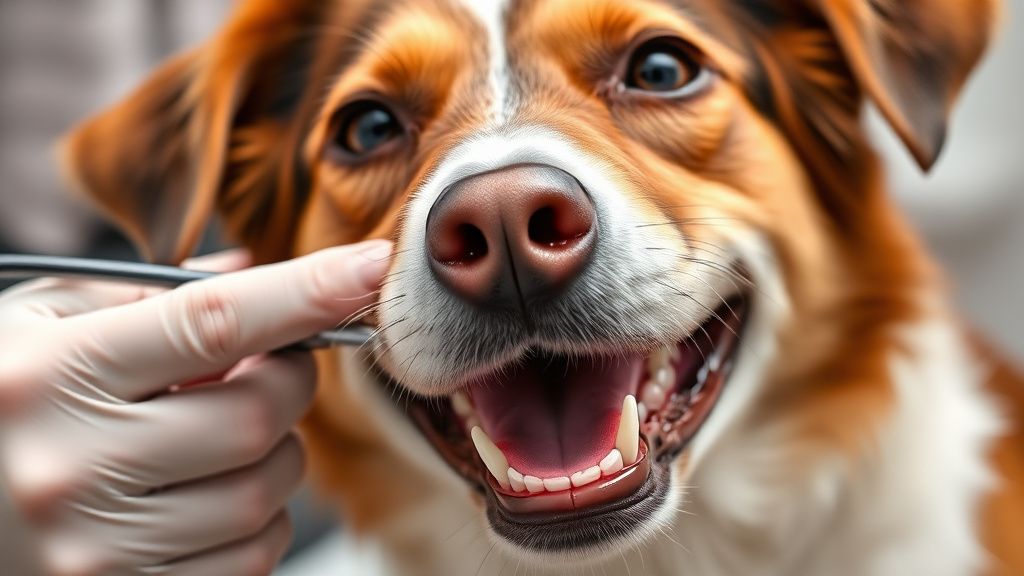
We often think of dental care as a cosmetic concern, but for dogs, it’s a fundamental pillar of preventive health. The American Veterinary Medical Association states that by the time your pet is three, they will very likely show early evidence of periodontal disease. If left unchecked, this condition progresses, causing pain, tooth loss, and can even affect major organs.
The process starts with plaque, a sticky film of bacteria. If not removed within about 24 to 48 hours, it hardens into tartar (calculus). Tartar buildup irritates the gums, leading to gingivitis (red, swollen gums that may bleed). This is the earliest stage of periodontal disease and is still reversible with professional care. Left untreated, it advances to periodontitis, where the structures supporting the tooth are destroyed. This is painful and irreversible.
What makes this especially concerning is that dogs are experts at hiding pain. They might still eat and play even with significant dental discomfort. That’s why proactive care, not reactive treatment, is essential. Regular preventive care, as highlighted by veterinary clinics, helps catch early signs, reduces emergency costs down the line, and profoundly improves your pet’s quality of life.
What Are the Best At Home Dental Care Practices?
Home care is your first and most powerful line of defense. A board certified veterinary dentist emphasizes that daily intervention is key to protecting your dog’s dental health. Let’s break down the most effective methods.
Daily Tooth Brushing: The Gold Standard
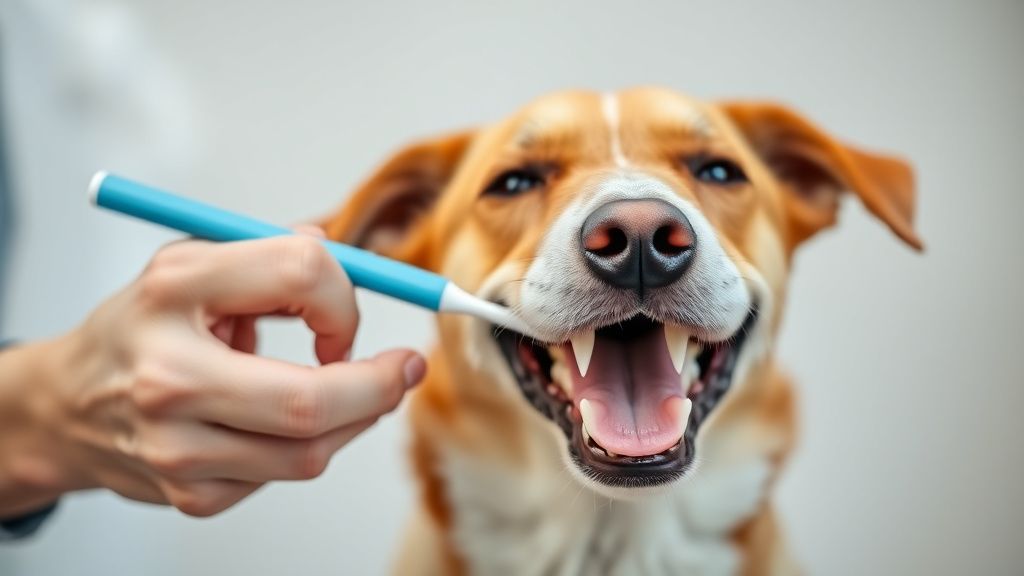
A study in the *National Library of Medicine* reaffirms that daily tooth brushing is considered the gold standard for preventing periodontal disease in dogs, just as it is in humans. It’s the single most effective thing you can do.
* Getting Started: Go slow. Let your dog sniff the toothbrush and taste the pet safe toothpaste (never use human toothpaste). Initially, just massage their gums with your finger.
* The Right Tools: Use a soft bristled dog toothbrush or a silicone finger brush. The AKC suggests trying both to see what you and your dog prefer. Pair it with veterinary approved toothpaste in a flavor they love.
* The Technique: Veterinary practitioners advise gently lifting the lip to expose teeth and gums. Focus on the outside surfaces where plaque accumulates most, using small circular motions. Aim for 30 seconds per side. Consistency is more important than perfection. Even a quick brush is better than none.
Dental Powders and Supplements
For dogs (or owners) who struggle with brushing, modern dental powders and supplements are a game changing aid. The 2026 pet wellness market offers advanced formulations that are both gentle and effective.
These powders are typically sprinkled on your dog’s food once daily. They work by utilizing natural enzymes and probiotics that help break down plaque biofilm and support a healthy oral microbiome. Some contain mineral based cleansing agents. Products like Wild Acre Pet Advanced Dental Greens, Animal Essentials Sea Dent, and Native Pet GutWell Clean Breath are noted by experts for their plaque and tartar control benefits. They offer a simple, stress free way to contribute to oral health between brushings or professional cleanings.
Dental Chews, Toys, and Wipes
For additional support and cleaning, consider these options:
* DOHC Accepted Products: The Veterinary Oral Health Council is an independent body of experts that evaluates products for effectiveness. As of 2026, only 32 dog products have earned the VOHC seal of acceptance. Always look for this seal when selecting chews, treats, or water additives for proven efficacy.
* Choosing Safe Chews: The VOHC provides crucial safety advice: always choose the right sized chew for your dog’s weight to prevent choking or intestinal blockage. Furthermore, check the calorie content. Treats, including dental chews, should make up no more than 10% of your dog’s daily caloric intake to avoid weight gain.
* Dental Wipes: For those unable to brush, the AKC recommends dental wipes as a good alternative. While not as effective as brushing, they can help remove some surface plaque and are excellent for acclimating a dog to mouth handling.
* Chew Toys: Durable rubber toys with grooves or nubs can help massage gums and scrape away soft plaque during play. Always supervise chewing.
Integrating dental care into your routine is easier with a consistent supply of healthy products. A curated dog subscription box can deliver fresh dental chews and innovative cleaning toys right to your door, making it simple to stay on track.
When and Why Are Professional Veterinary Cleanings Necessary?
No matter how diligent your home care, professional cleanings are a non negotiable part of a complete dental health plan. Think of it like your own dental visits: you brush and floss daily, but you still need a hygienist to remove the tartar you can’t.
A professional cleaning, often called a dental prophylaxis, is performed under general anesthesia. This is critical for several reasons:
1. It allows for a complete oral examination, including below the gumline where disease starts.
2. It enables safe and thorough scaling (removing tartar from teeth) and polishing.
3. It prevents stress and pain for your dog and ensures they don’t move during the use of sharp instruments.
4. It allows for dental X rays, which are essential to assess the health of tooth roots and jawbone, areas invisible to the naked eye.
The frequency of these cleanings varies by dog. Some may need one annually, others every two years. Your veterinarian will recommend a schedule based on your dog’s breed, age, and individual susceptibility to plaque. Breeds with crowded teeth (like many small dogs) are often at higher risk.
The cost of these procedures can be a concern, which is where planning ahead helps. In 2026, there are several affordable dog dental insurance plans in the USA that cover cleanings, extractions, and other dental work. Investing in such a plan can offset significant expenses and ensure you never have to delay necessary care for financial reasons.
What Are the Signs of Dental Disease in Dogs?
Knowing what to look for can help you catch problems early. If you notice any of the following signs, schedule a veterinary checkup:
* Persistent bad breath: This is often the first and most noticeable sign.
* Visible tartar: Yellow or brown buildup on the teeth, especially near the gumline.
* Red, swollen, or bleeding gums: Indicative of gingivitis.
* Difficulty chewing or dropping food: They may favor one side of their mouth.
* Pawing at the mouth or face: A sign of pain or discomfort.
* Loose or missing teeth.
* Reduced appetite or weight loss: Due to oral pain.
* Nasal discharge or swelling under the eyes: Can signal a tooth root abscess.
Remember, dogs are stoic. By the time they show obvious signs of pain, the disease may be quite advanced. This is why semi annual wellness exams, where your vet can peek in their mouth, are so valuable.
How Does Nutrition Support Dental Health?
What your dog eats plays a supporting role in their oral hygiene. While no food can replace brushing, some can help.
* Prescription Dental Diets: These are scientifically formulated kibbles with a specific texture and size designed to provide a mechanical cleaning action as the dog chews. They are often recommended by vets for at risk patients.
* The Role of General Diet: A balanced and complete diet supports strong immune function, which helps the body fight oral bacteria. Whether you choose fresh dog food, raw dog food, or a high quality kibble, good nutrition is foundational.
* Treats Wisely: As mentioned, factor all treats, including dental chews, into your dog’s daily calorie budget. Consider using pieces of their daily kibble or low calorie vegetables as treats instead.
Feeding your dog shouldn’t be stressful. Modern solutions like dog food delivery services for fresh or prepared meals can ensure they get consistent, high grade nutrition without the hassle, leaving you more time to focus on their dental care routine.
Final Thoughts
Your dog’s dental health is a lifelong commitment that pays dividends in their comfort, happiness, and longevity. The landscape of care in 2026 is empowering, offering everything from the proven gold standard of daily brushing to innovative enzymatic powders, rigorously tested VOHC products, and accessible insurance plans. Start today, even if it’s just with a dental wipe and a vet checkup to establish a baseline. Remember, preventing painful disease is far easier and more affordable than treating it. By making oral care a regular part of your life together, you’re not just caring for their teeth, you’re safeguarding their entire health and ensuring more years of happy, healthy smiles. For more on keeping your dog comfortable and stress free during care routines, explore our dog anxiety guide.
Find the Perfect Box for Your Dog
Compare top-rated dog subscription boxes and find the best fit for your pup.
Compare Boxes