Hidden Signs Of Dog Anxiety
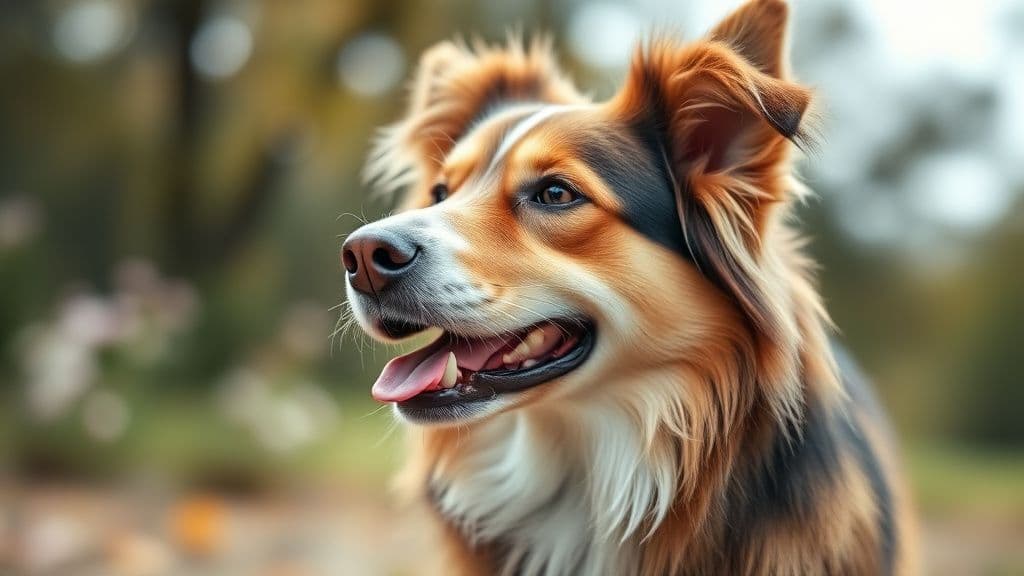
Your pup's subtle stress signals might be hiding in plain sight.
Dog anxiety often shows through subtle signs you might miss, like yawning, lip licking, or a tightly held tail. More obvious symptoms include destructive chewing, pacing, panting, and changes in appetite. If your dog shows these behaviors, especially when left alone or during stressful events, they may need help managing their anxiety.
You know that look your dog gives you when you grab your keys. The drooped ears, the soulful eyes. We often call it "missing us," and while that's part of it, sometimes it's something more. Many behaviors we brush off as quirky or mischievous are actually clear distress signals. Recent research from The Kennel Club revealed a concerning knowledge gap, with less than one in five dog owners identifying yawning, lip licking, or a firmly upright tail as potential signs of fear or stress. Anxiety in dogs is frequently subtle, hiding in plain sight behind actions we misunderstand.
This isn't about assigning blame. It's about understanding. By learning to spot these hidden cues, we can move from wondering "What did my dog destroy this time?" to asking "What is my dog trying to tell me they need?" Let's explore the common signs of dog anxiety you might be overlooking.
What Are the Subtle Body Language Cues of Anxiety?
Dogs communicate volumes with their bodies, but their stress signals can be easy to misinterpret. Experts from Tufts University note that anxious dogs may pant, pace, tremble, drool, or even withdraw. However, the earliest signs are often much quieter.
The "Calming Signals" That Signal Stress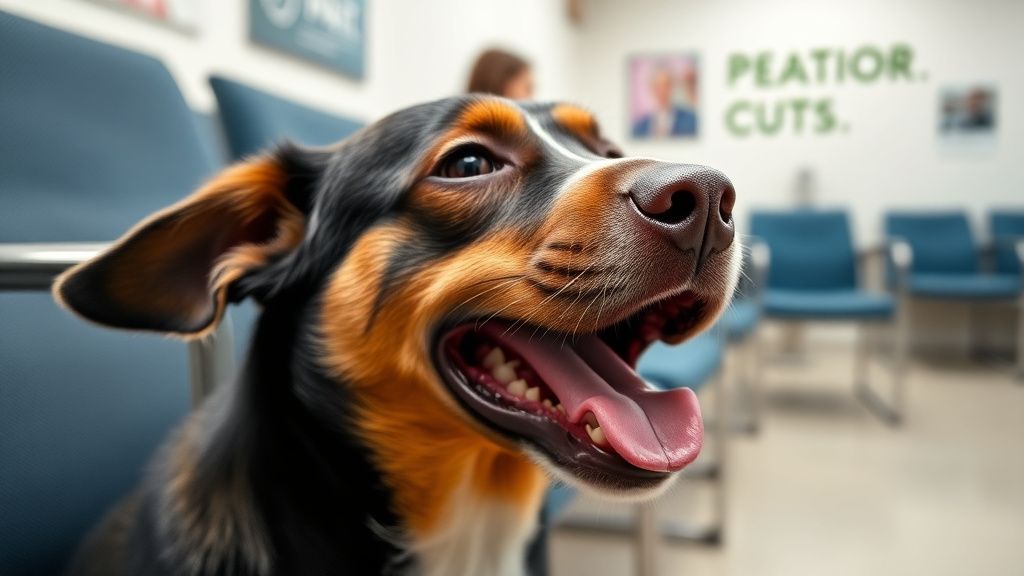
You've seen your dog yawn, but not because they're tired. You've noticed them licking their lips, but no food is nearby. These are what behaviorists call "calming signals" or displacement behaviors. They are a dog's way of coping with internal conflict or unease. A dog might yawn when you lean over them, lick their lips at the vet's office, or sniff the ground intently when a stranger approaches. These actions are attempts to self soothe and communicate non threatening intent in a situation that makes them uncomfortable. Missing these signs means missing a chance to intervene before their anxiety escalates.
The Tale of the Tail (and Ears, and Posture)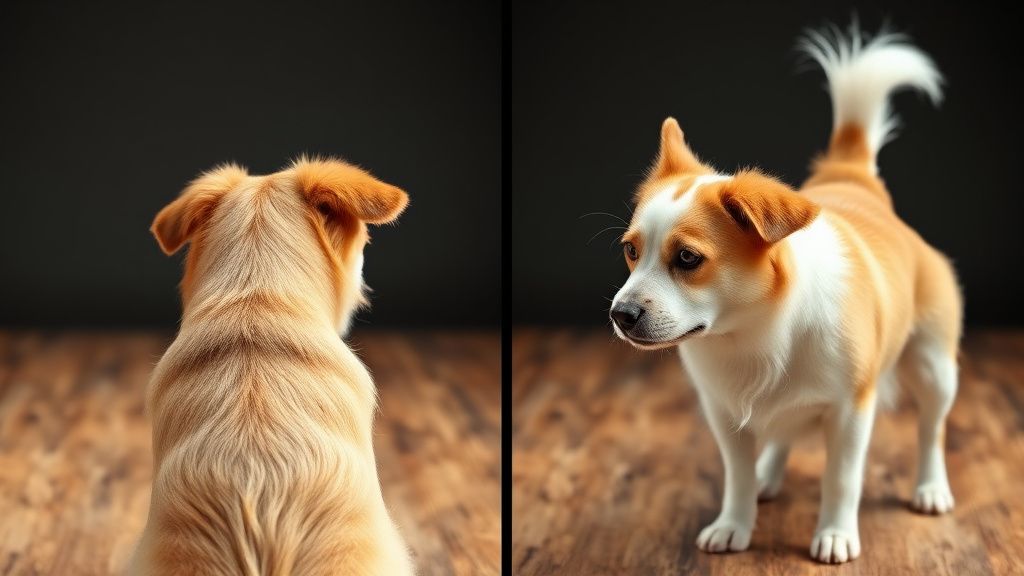
A wagging tail doesn't always mean a happy dog. The position and stiffness matter immensely. A tail held stiffly high or tucked tightly under the belly can indicate stress. Similarly, ears pinned back against the head, a hunched posture, or avoiding eye contact (whale eye, where you see the whites of their eyes) are all red flags. The Cummings School of Veterinary Medicine points out that anxious dogs may hide or appear irritable. This shift in overall demeanor, from relaxed and loose to tense and rigid, is a primary indicator that your dog is not at ease.
How Does Anxious Behavior Escalate When You're Gone?
Separation anxiety is one of the most common and distressing forms of dog anxiety. It goes beyond simple missing. As noted by Rover, if a dog *panics* when left alone, it's a sign of anxiety. The destruction that often follows isn't naughtiness; it's a panic attack.
From Whining to DestructionThe progression can be swift. It often starts with vocalizations like whining or barking. Then comes pacing, often in a predictable path. You might come home to find drool puddles by the door. As the anxiety peaks, destructive behavior emerges. Per I Heart Dogs, chewed furniture, destroyed pillows, and raided trash cans are classic responses to intense separation distress. This isn't opportunistic mischief; it's an outlet for frantic energy and panic. The damage is often focused on exit points like doors and windows, or items that carry your scent, like shoes or bedding.
Potty Accidents and Escape AttemptsEven a fully house trained dog may have indoor accidents when suffering from separation anxiety. The fear and stress can cause a loss of bowel or bladder control. Furthermore, a scared dog is more likely to try to run away. PetHub warns that more pets go missing during storms and fireworks due to fear driven escape attempts. If your dog is scratching frantically at doors or windows, or has ever escaped the yard when alone, severe anxiety is a likely culprit. This behavior is dangerous and indicates a high level of distress that needs addressing.
What Physical Symptoms Signal Hidden Stress?
Anxiety isn't just in the mind; it manifests physically. These symptoms are sometimes mistaken for medical issues, which is why a veterinary check is always the first step. As PetMD states, medical conditions like pain or inflammation can also cause anxiety, so ruling those out is crucial.
Excessive Grooming and Appetite ChangesOne of the most overlooked signs is repetitive, self directed behavior. Trusted Housesitters highlights excessive paw licking or tail biting as potential signs of anxiety. This can escalate from a nervous habit to self harm, causing hot spots or infections. Similarly, a stressed dog may lose interest in food. They might skip meals when you're away or even when you're home if the environment is unsettling. Conversely, some dogs may eat faster or seek food more persistently as a coping mechanism.
Pacing, Panting, and TremblingWhile a dog might shake after a bath, context is key. VCA Animal Hospitals confirms that pacing or shaking can be signs of stress. Anxious panting is different from post exercise panting; it's often more shallow and occurs without physical exertion. You might see this during car rides, before a storm, or in crowded places. For senior dogs, Cornell University notes that pacing and panting, particularly at night, coupled with restlessness, can be signs of Canine Cognitive Dysfunction, a form of age related anxiety. GoodRx also points out that excessive drooling and even the involuntary release of anal gland secretions can occur in highly anxious dogs.
How Can You Help Your Anxious Dog?
Recognizing the signs is only half the battle. The next step is providing help. The American Kennel Club emphasizes that the best way to treat anxiety is to start with your veterinarian. They can diagnose the type and cause, rule out medical problems, and discuss a multi pronged plan which may include behavior modification, management tools, and sometimes medication.
Creating a Calming Routine and EnvironmentConsistency and predictability are soothing for an anxious dog. Establish a calm routine for departures and arrivals. Ignore your dog for the first few minutes when you come home to make reunions less emotionally charged. Provide a safe haven, like a crate or a quiet room with a comfortable bed. Using tools like calming supplements, adaptive pheromone diffusers, or a dog anxiety guide can be part of your strategy. For dogs with separation anxiety, gradual desensitization to your departure cues (picking up keys, putting on shoes) is essential. Start with absences of just seconds and build up very slowly.
The Role of Enrichment and NutritionA mentally and physically tired dog is better equipped to handle stress. Ensure your dog gets adequate, appropriate exercise. More importantly, provide mental enrichment. Food puzzles, snuffle mats, and training games build confidence and burn nervous energy. This is where a service like a dog subscription box can be incredibly helpful. These boxes deliver novel toys and puzzles right to your door, providing regular mental stimulation that can distract and soothe an anxious mind. Similarly, ensuring your dog eats a balanced and complete diet from a reliable source, whether it's fresh dog food or another high quality option, supports overall brain health and stability.
Final Thoughts
Living with an anxious dog can feel challenging, but remember, their behaviors are a cry for help, not a critique of your care. By shifting our perspective to see the hidden signs, the yawning, the pacing, the quiet trembling, we open a door to better support them. It starts with observation, continues with a partnership with your vet, and is built daily through patience, routine, and compassionate training. Your goal isn't to create a dog that never feels fear, but to give them the tools and security to navigate a noisy world with more confidence. The journey might require trying different approaches, from behavior modification to new enrichment toys from a dog subscription box, but the reward, a calmer and happier companion, is truly worth it.
Find the Perfect Box for Your Dog
Compare top-rated dog subscription boxes and find the best fit for your pup.
Compare Boxes