Affordable DIY Backyard Dog Agility Courses
Build an exciting backyard agility course for your pup using simple, budget friendly DIY obstacles.
You can build a DIY backyard dog agility course affordably using common household items like PVC pipes, pool noodles, and broom handles, or by repurposing items like ladders and hula hoops. Focus on core obstacles like jumps, tunnels, and weave poles for a fun, confidence-building activity that provides great physical and mental exercise for your dog.
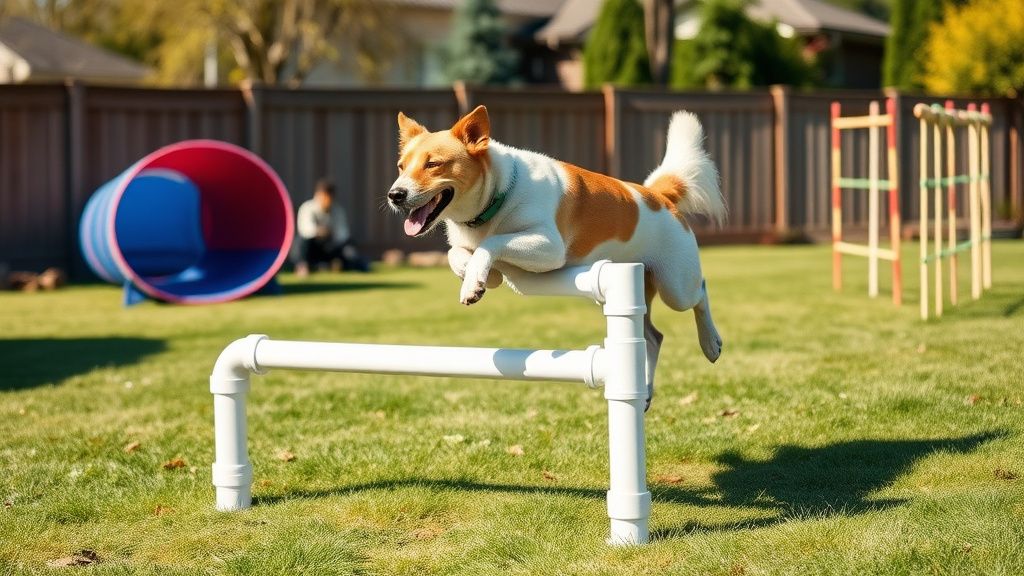
Imagine transforming a quiet corner of your backyard into a hub of joyful barks, focused energy, and tail-wagging triumph. Building a DIY agility course for your dog isn't just about creating an activity; it's about forging a deeper bond through play and challenge. You don't need a professional budget or a contractor's skills. As the research from various pet experts confirms, with a little creativity and some basic materials, you can construct a stimulating playground that will keep your dog physically fit and mentally sharp. Whether you have a speedy collie" class="text-yellow-600 hover:text-yellow-700 underline">Border Collie, an energetic Belgian Malinois, or a playful mixed breed, a homemade course offers endless entertainment and a fantastic outlet for their natural instincts. Let's explore how you can create this adventure right at home.
Why Should You Consider a DIY Agility Course?
Agility training is more than a sport for competition. It's a multifaceted activity that benefits almost every dog. The physical exercise is obvious, but the mental stimulation is just as critical. Navigating obstacles requires your dog to listen, focus, and problem-solve, which can tire out an energetic mind as effectively as a long run.
Engaging in this kind of structured play builds immense confidence, especially in shy or anxious dogs. Successfully completing an obstacle is a huge boost. It also strengthens your relationship, as you work together as a team. The Bil-Jac Dog Blog points out that these activities provide both physical and mental exercise, which is key for a happy, well-adjusted pet. For dogs that experience stress, this focused activity can be a positive outlet. If your dog shows signs of nervousness, combining agility with other strategies from our dog anxiety guide can be very effective.
Best of all, as Daily Paws emphasizes, a DIY approach is easy, often free, and leads to endless hours of fun. You're not building to professional American Kennel Club (AKC) standards unless you plan to compete. You're building for joy, and that freedom makes all the difference.
What Are the Best Starter Obstacles to Build?
You don't need to recreate a full championship course on day one. Starting with a few simple, versatile obstacles is the way to go. Based on common setups from the research, here are the perfect foundations.
Jumps: The Simplest Place to Begin
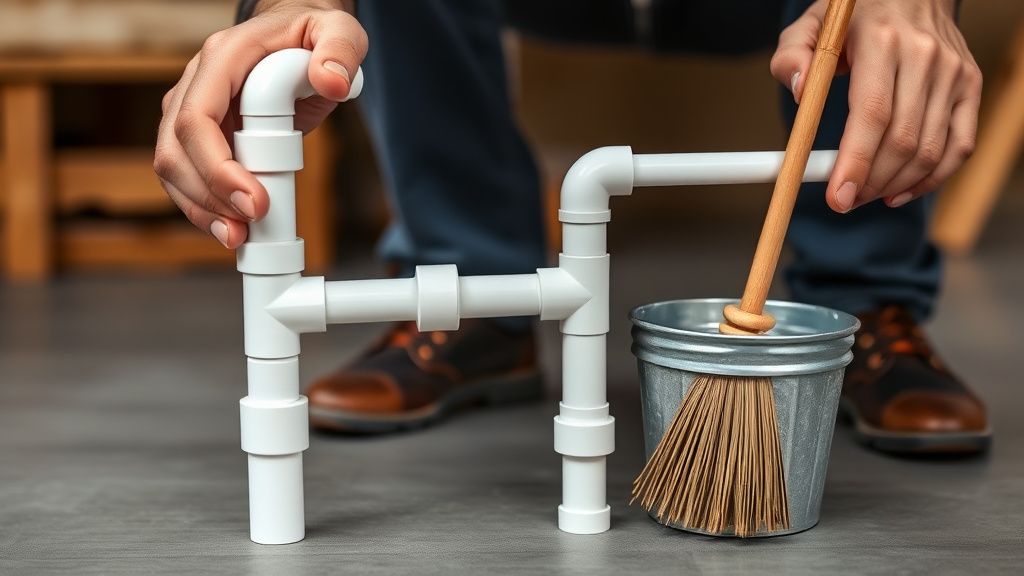
Jumps are incredibly easy to make and adjust for your dog's size. The key is to use lightweight, safe materials that won't hurt your dog if they knock the bar down.
* PVC Pipe Jump: This is a classic. As seen in tutorials on sites like K9 of Mine and This Old House, you can build a basic jump frame from PVC pipes and fittings. Use a length of PVC pipe or a wooden dowel as the crossbar that rests on cups, so it falls easily on impact.
* Broomstick Jump: Literally use two buckets or flower pots and lay a broomstick across them. It doesn't get cheaper or easier.
* Hula Hoop Jump: Suspend a hula hoop between two chairs or posts for a fun, different type of jump. This is a great idea highlighted by NutriSource Pet Foods for an inexpensive option.
Tunnels: For a Dash of Excitement
Dogs usually love tunnels. You can buy a pop-up children's play tunnel for a relatively low cost, which is a perfect ready-made solution. For a truly DIY version, get creative.
* Cardboard Box Tunnel: Tape together large appliance boxes, cut out the ends, and weigh them down. It's a temporary but thrilling obstacle.
* Tablecloth Tunnel: Drape a long, heavy cloth or an old blanket over a row of chairs or a homemade frame.
Weave Poles: The Ultimate Mental Challenge
Weave poles teach agility and precision. Professional sets are expensive, but DIY versions are very effective.
* PVC Weave Poles: This is the most common homemade version. You insert PVC pipes into a base or directly into the ground in a straight line. Space them about 24 inches apart for a large dog, less for a smaller one.
* Broomstick or Ski Pole Weaves: As SuperPup Academy suggests, you can use old ski poles or broomsticks pushed into the ground. This is a fantastic cheap hack.
How Can You Build a Course on a Tight Budget?
The beauty of a backyard course is that it doesn't have to cost much. The research consistently shows that with ingenuity, you can spend very little.
Embrace Household Items: Look around your house and garage with new eyes.* Use an old ladder laid flat on the ground as a "dog walk" or for practicing careful paw placement.
* Create a pause table or platform from a sturdy, low coffee table or a large, flat tree stump.
* A wide, low plank of wood placed on cinder blocks makes an excellent balance beam or "see-saw" teeter base.
* An old tire, securely suspended or laid on its side, can become a jump frame.
Shop Secondhand and Repurpose: Thrift stores, garage sales, and online marketplaces are goldmines. Look for children's play equipment, hula hoops, and materials like PVC pipes. The YouTube tutorial for a Border Collie's budget course is a great example of sourcing affordable materials. Focus on Free Obstacles First: Before buying anything, try a course made entirely of what you have. Set up a broomstick jump, use chairs and a blanket for a tunnel, and line up sticks from the yard as weave poles. You can have a full training session with zero investment. Daily Paws confirms that this approach is not only possible but highly rewarding. Prioritize Durability Where It Counts: If you do spend a little money, invest in good connectors for PVC structures or a sturdy base for weave poles. This ensures your equipment lasts through many enthusiastic training sessions. For treats to use as rewards during training, you'll want something motivating. Exploring options like the best dog subscription boxes can be a great way to discover new, high-value treats your dog loves.What Safety Tips Are Crucial for a Homemade Course?
Your dog's safety is the top priority. A fun activity can turn dangerous quickly if precautions are ignored.
Match the Obstacle to Your Dog: A jump height that's perfect for a Border Collie could injure a Dachshund. Always size your course appropriately. Jumps should be low enough that your dog can clear them comfortably, especially when starting. The width of a tunnel or the spacing of weave poles should suit your dog's build. Ensure Stability Without Rigidity: Obstacles should be stable enough not to collapse under normal use, but not so rigid that they cause injury. Jumps must have a crossbar that falls away when hit. Avoid using metal pipes or heavy wood that won't give way. The DIY community on forums like r/BelgianMalinois often shares specific build plans that emphasize this "safe collapse" feature. Inspect the Surface and Environment: Train on a soft, forgiving surface like grass or dirt, not concrete. Clear the area of rocks, holes, or anything your dog could trip on. Make sure the course is in a securely fenced area so your dog can't run off in excitement. Start Slow and Use Positive Reinforcement: Never force your dog onto an obstacle. Lure them with treats and offer enthusiastic praise. Break each obstacle down into tiny steps. Let them walk around a jump before going over it. Let them investigate a tunnel before asking them to go through. Patience is everything. This builds confidence and ensures training stays positive. Using a tasty, easily digestible treat is key for these repeated rewards, and many owners find that a fresh dog food topper or a bit of freeze-dried liver works perfectly.How Do You Train Your Dog on the DIY Course?
Training is the process where the fun truly happens. Remember, you're a team.
Master the Basics First: Your dog needs a solid foundation in obedience before adding the complexity of obstacles. A reliable "come," "stay," and "touch" (targeting your hand) are invaluable tools for guiding them through a course. Introduce One Obstacle at a Time: Set up just one jump or the tunnel by itself. Use a favorite toy or treat to lure your dog through. Keep sessions short, happy, and successful. End on a positive note. CVC Avets reminds us that dedicated, patient training is required from both human and dog, even for backyard fun. Build Sequences Gradually: Once your dog is confident with individual obstacles, link two together. For example, jump then tunnel. Use clear directional commands and your own body position to guide them. Keep It a Game: If you or your dog get frustrated, stop. Play a quick game of fetch or just give some cuddles. The goal is to create a positive association with the course. The bond you build here is the real prize. For more on building a strong relationship through activities, check out our post on engaging indoor games for dogs.Final Thoughts
Building a DIY backyard agility course is an act of love. It says you're committed to your dog's happiness, health, and mental well being. It doesn't require a big budget, just creativity and a willingness to play. The resources are all around you, from the PVC pipe at the hardware store to the broomstick in your closet. The real value isn't in the perfectly painted A-frame; it's in the shared laughter, the proud moments when your dog conquers a new challenge, and the sight of them running through their course with unbridled joy. So grab some materials, some treats, and your eager pup. Your backyard adventure awaits.
Find the Perfect Box for Your Dog
Compare top-rated dog subscription boxes and find the best fit for your pup.
Compare Boxes