Master Your Dog's Recall Command
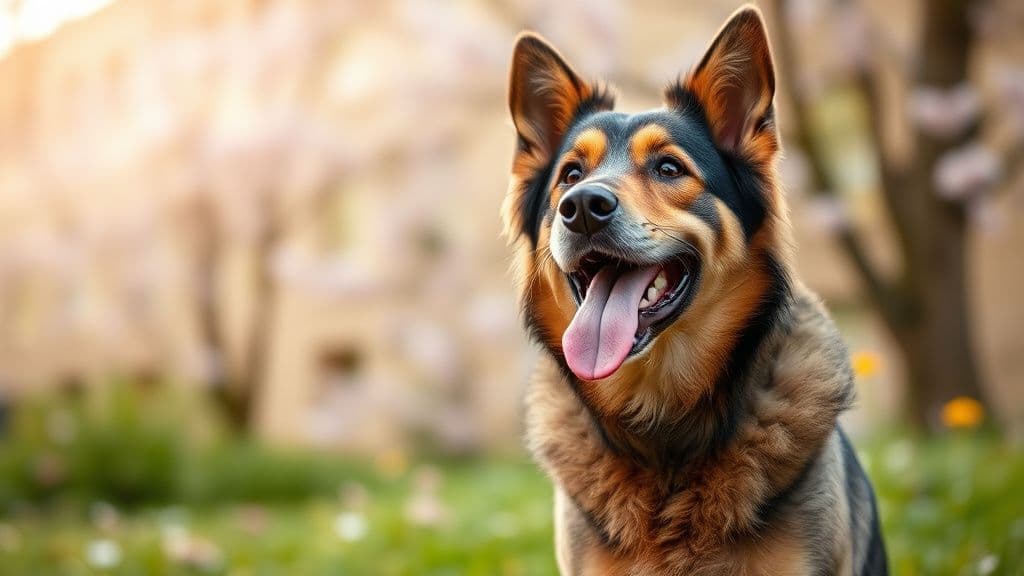
Your dog's name isn't a come command. Learn how to build a recall they can't ignore.
Your dog's name is not a recall command. It's an identifier, used dozens of times a day for various reasons, which dilutes its power. A bombproof recall requires a dedicated, sacred cue like "here" or "touch" that is only used to call your dog to you and is always followed by a high value reward. This keeps the command meaningful and your dog motivated to respond every single time.
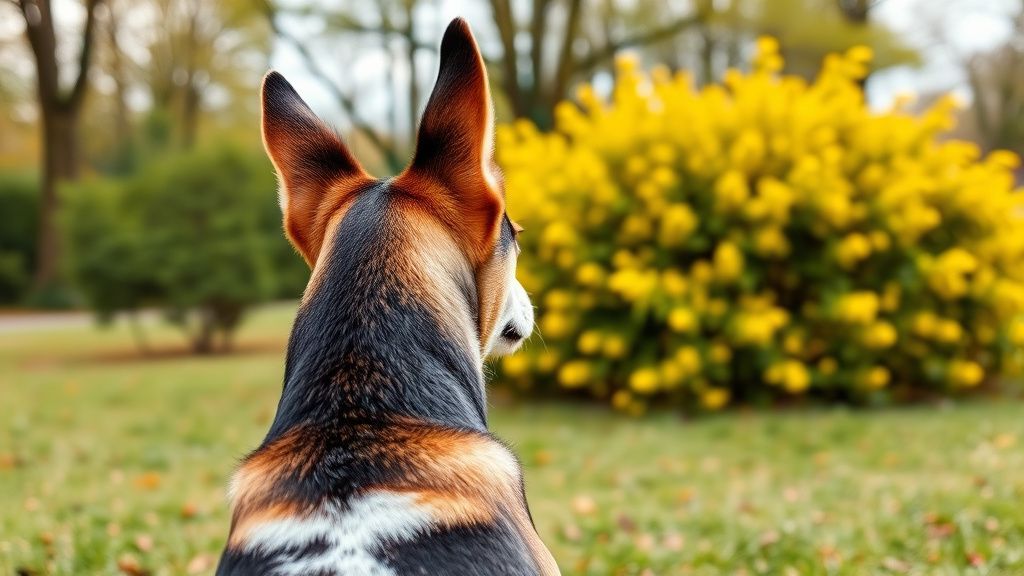
You shout your dog's name across the park. Their ears twitch, they glance in your direction, and then they promptly resume sniffing that fascinating bush. Your heart sinks. We have all been there, feeling invisible and powerless as our dog chooses the world over us. The problem might not be your dog's stubbornness, but a fundamental training mistake we all make: confusing our dog's name with a reliable recall command.
Think about how often you say your dog's name. "Max, dinner!" "Max, off the couch." "Max, do you need to go out?" "Hey Max, look at this." Your dog's name becomes background noise, a general alert that something *might* be happening. To build a recall that works under any distraction, you need a word that cuts through that noise. You need a cue that means one thing and one thing only: "Get to me right now, because something amazing is about to happen." This is the core of a bombproof recall. It is not just about safety; it is about granting your dog true, joyful freedom. I have seen the transformation in dogs who learn this. The frantic worry in an owner's eyes is replaced by relaxed trust, and the dog gets to run, explore, and be a dog.
Why Your Dog's Name Falls Short as a Recall Cue
Your dog's name is incredibly important. It is how you get their attention. But there is a critical difference between getting attention and issuing a command. The San Francisco SPCA notes that coming when called is one of the most important commands for both usefulness and safety, and that reliability only comes from specific training. Using their name for the recall muddies this training.
The word "come" often suffers the same fate. As one resource points out, "come" is a word we tend to toss around casually. You might say, "Come on, let's go," or "Come look at this." This casual use teaches your dog that the word is not urgent. The recall cue must be protected. It should never be used in frustration, anger, or for something your dog perceives as negative, like ending fun or getting a bath. If your dog learns that "come" signals the end of their park time, their motivation to listen evaporates.
A Reddit user in a discussion about bombproof recall highlighted a critical error many make. "I never punished him when he finally did come back to me no matter how agitated or embarrassed I was. I think too many people go wrong here. If your dog knows it's going to be yelled at or punished in any way it has less motivation to come to you." This is why a separate, positive cue is non negotiable. The dedicated recall word should have a 100% positive history, making your dog's choice to obey a no brainer.
Laying the Foundation for a Brilliant Recall
Before you can expect a response around squirrels or other dogs, you need to build value for the new command in a controlled setting. The American Kennel Club emphasizes that practice and positivity are the keys to a reliable recall. This foundation phase is all about making yourself the most exciting option in the room.
First, choose your sacred recall word. It can be "here," "touch," "front," or even a fun word like "bingo!" The list of 53 recall words suggests options like "check-in" or "let's go." Pick one that feels natural to you but is not part of your everyday chatter. This word is now your recall gold.
Start indoors with no distractions.
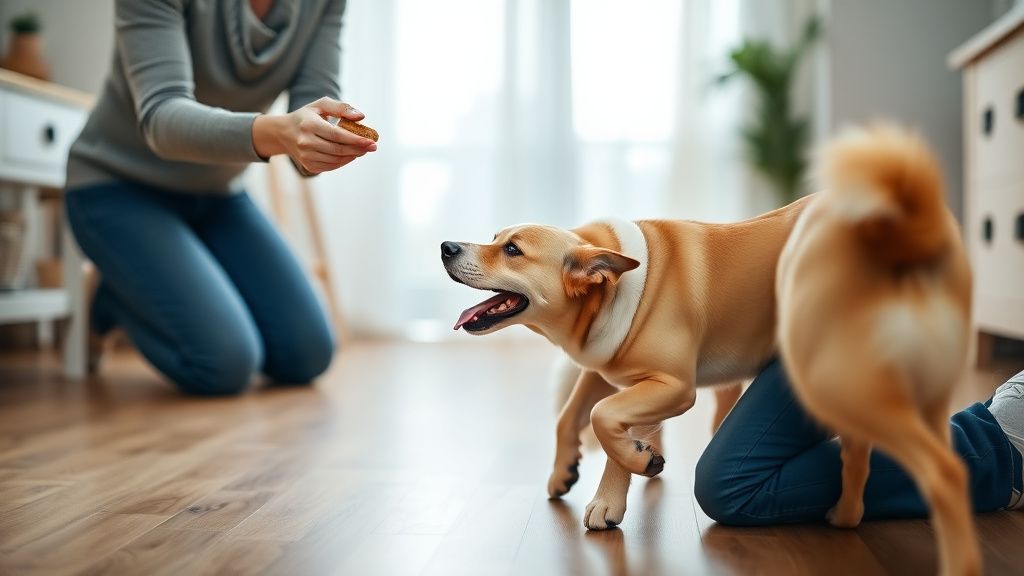
1. Say your dog's name to get their attention, then immediately use your new recall cue in a happy voice: "Riley, here!"
2. The moment they take a step toward you, start praising. When they reach you, deliver an ultra high value treat, think real meat, cheese, or a special treat you reserve only for this purpose. A monthly dog subscription box can be perfect for stocking up on novel, high value training treats.
3. Practice this randomly throughout the day. Call them from across the room, from the next room, when they are mildly distracted. Keep sessions short and always end on a success.
The goal is to create a powerful positive association. Your dog should think, "When I hear that special word and go to my person, the best things in life happen!" This is the core association that must withstand all future challenges.
Leveling Up: Adding Distance, Duration, and Distraction
Once your dog rockets to you inside your home, it is time to proof the behavior. This is a gradual process. Moving too fast is the most common reason recall "stops working," as noted by training experts. You would not run a marathon without training; do not ask your dog to recall from a high distraction environment without building up to it.
Add the Three D's One at a Time
Start in a familiar, low distraction environment like your backyard. Put your dog on a long leash (15-30 feet). This gives them freedom but keeps you in control.
* Distance: Call them from just a few feet away, then gradually increase the distance as they succeed. The long leash ensures you can gently guide them if they get distracted, preventing them from learning they can ignore you.
* Duration: Ask for a "sit" or a quick "touch" when they arrive, then reward. This builds impulse control and keeps them engaged with you.
* Distraction: This is the big one. Start with mild distractions. Have a family member stand quietly at the other end of the yard. Practice your recall. Slowly work up to more exciting distractions, like a toy being tossed or mild sounds.
Always set your dog up for success. If they fail to come, do not repeat the cue. Instead, calmly use the long leash to guide them to you, then reward them. This teaches that the command is not optional, but without any negativity. Then, go back to an easier step to rebuild confidence.
The Role of High Value Rewards and Real Life Practice
What qualifies as a high value reward? It is something your dog will work for that is better than the environmental reward they are considering. For many dogs, this is real meat, boiled chicken, hot dog pieces, or freeze dried liver. The value of the reward must match the difficulty of the task. A recall from a nap on the couch might earn a kibble. A recall from a squirrel chase should pay out like a jackpot, a handful of their favorite freeze-dried dog food or special treats.
Incorporate recall into your daily routine in a positive way.
* Call your dog for their meals.
* Call them for a fun game of tug.
* Call them just to give a loving scratch, then release them to go play again.
This "call and release" technique is powerful. It proves that coming to you does not always mean the fun is over. Sometimes it means more fun, a tasty snack, or a quick cuddle. It keeps the cue unpredictable and exciting.
Remember the secret from our research: if you keep repeating a cue your dog is ignoring, they learn it is okay to ignore you. Say your recall word once. If they do not respond, you need to make yourself more interesting (run away, squeak a toy) or gently guide them with the long leash. Do not become background noise.
Troubleshooting a Stubborn or Failing Recall
Even with the best training, you may hit plateaus. Here is how to troubleshoot common issues.
My dog was reliable but now ignores me. This usually means the difficulty level was increased too quickly. Go back to basics. Practice in a boring room with amazing treats to re ignite their passion for the game. Assess if you have accidentally poisoned the cue by using it to call them for something unpleasant, like nail trimming. If so, go back to square one with a brand new recall word. My dog only comes when I have food. This is a phase, not a failure. You are building a behavior. Once the behavior is solid and reliable in various settings, you can start to variably reward them, sometimes a jackpot, sometimes just praise, sometimes a game. But never phase out rewards completely. A reliable recall is a behavior worth paying for for life. My dog is too distracted outdoors. Your dog's environment is full of information. You are competing with fascinating smells, sights, and sounds. Make sure your dog's physical and mental needs are met before a training session. A mentally tired dog from a puzzle feeder or a training game is more likely to focus on you. Also, consider their diet; a dog eating a balanced and complete fresh dog food diet may have more consistent energy levels for training.If your dog is showing signs of anxiety or fear that override their training, this is a different issue. A fearful dog may be too overwhelmed to process cues. In such cases, consult our dog anxiety guide and consider working with a professional trainer.
Final Thoughts
Building a bombproof recall is a journey of partnership. It is not about dominating your dog, but about becoming their most trusted and rewarding guide. It requires patience, consistency, and a pocket full of really good treats. By separating your dog's name from your emergency recall command, you give that command the power and clarity it needs to work in a real crisis.
Start today. Choose that new, special word. Protect it fiercely. Make the rewards incredible. Practice with joy. The payoff is immense: the peace of mind that your dog can be safe, and the profound gift of off leash freedom that you can both enjoy with confidence. That moment when your dog turns on a dime from a distraction and speeds back to you with a happy grin is worth every bit of the effort. It is the ultimate sign of a strong bond, built on clear communication and mutual trust. For more on building a great relationship through training, check out our post on positive reinforcement techniques.
Find the Perfect Box for Your Dog
Compare top-rated dog subscription boxes and find the best fit for your pup.
Compare Boxes