Stress-Free Robotic Dog Washers Unveiled
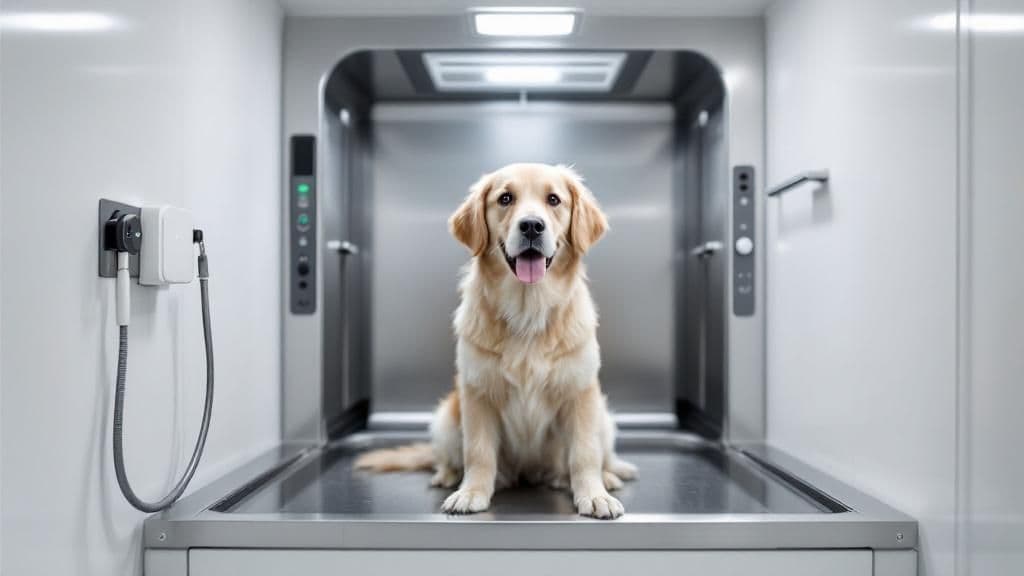
Robotic dog washers promise a stress free bath, but are they truly a walk in the park for anxious pups?
Robotic dog washers in 2026 offer hands-free bathing with adjustable water temperature, pressure, and even shampoo dispensing, reducing stress for both dogs and owners. However, they work best for medium-sized, water-tolerant dogs — anxious or large breeds may still need gradual desensitization training.
Picture this: it’s a Sunday afternoon, your beloved dog has just discovered the joys of a muddy puddle, and the mere thought of the ensuing bathroom battle makes you want to hide. For generations, dog owners have wrestled with hoses, dodged the full-body shake, and pleaded with a soapy pet to “just stand still.” The promise of a robotic dog washer, a machine that handles the entire messy affair for you, sounds like a dream. Touted as the ultimate stress free solution, these devices are popping up in pet stores and online articles. But as someone who has spent years writing about dog care, I have to ask: does the reality match the marketing? Can a machine truly deliver a calm, clean dog without the drama?
What Robotic Dog Washers Promise
The concept is undeniably appealing. Imagine loading your dog into a sleek unit, pressing a button, and retrieving a clean, dried pup twenty minutes later. Proponents of this technology argue it solves the most common pain points of traditional washing.
The Core Selling PointsThe primary promise is a dramatic reduction in hassle for the owner. No more soaked clothes, flooded bathroom floors, or the physical strain of lifting and restraining a wriggling dog. As highlighted in coverage of the world's first AI powered dog washing machine, this innovation is marketed specifically as a "stress free alternative" for owners who want to avoid the usual mess and inconvenience.
Beyond convenience, these machines aim to standardize the grooming process. They often feature pre-programmed cycles for different coat types, controlled water temperature, and built in dryers. The goal is a consistent, thorough clean that might be difficult to achieve manually, especially for dogs with thick double coats. Some advanced models, like the WoofWoof Lux robotic dog washing machine mentioned by industry watchers, are being positioned within the smart home ecosystem, offering automated, supposedly stress free cleaning.
The Canine Experience: Stress Free or Stressful?
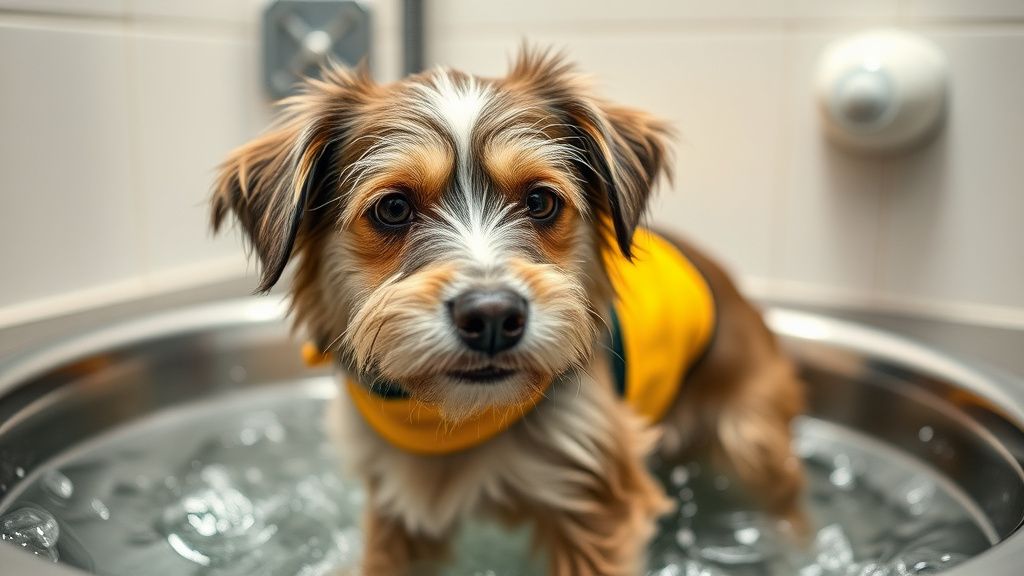
This is where the rubber meets the road, or perhaps where the paw meets the plastic tub. While an owner's stress may plummet, the critical question is what the experience feels like for the dog.
The Potential for CalmFor some dogs, the robotic washer could be a genuine improvement. The Reddit user who tried a self service dog wash machine noted it was "way less stressful than fighting with my dog Pickles in the bathtub." The reasons for this can vary. The machine is a novel environment, not inherently associated with past bad bath experiences. The process is consistent, with no sudden movements or frustrated human reactions. For dogs sensitive to the sound of a handheld sprayer, the enclosed and often quieter spray system in a machine might be less startling.
The Potential for PanicHowever, the assumption that automation equals calm is flawed. A review of portable dog washers from Smart Bark offered a crucial counterpoint, stating directly that for anxious dogs, "motorised washers simply cause more stress." The confinement of an enclosed space, the whirring of unfamiliar motors, the sensation of automated brushes, and the lack of a reassuring human touch can be terrifying for a nervous pet. It's a sensory overload they cannot escape from. Unlike a patient owner who can pause, offer treats, and provide comfort, a machine follows its program rigidly.
This dichotomy reminds me of the discussions around robot vacuums. Some dogs ignore them, while others are deeply frightened. As one article on the topic pointed out, a robot vacuum's small size can make it less threatening to some pets. A large, enclosing washing machine does not have that advantage.
Key Factors That Determine Success
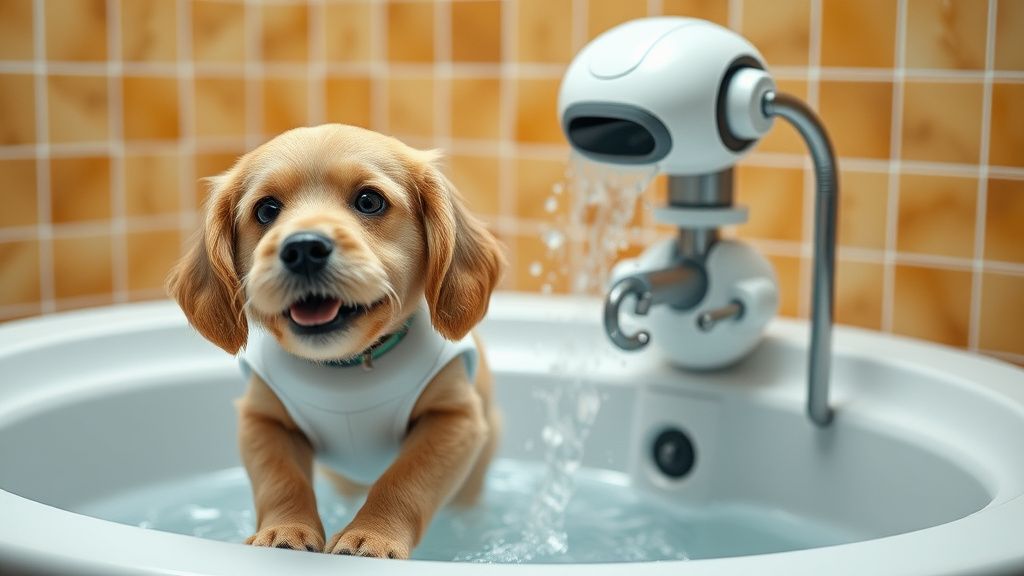
Whether a robotic washer becomes a handy tool or a traumatic device depends on several specific factors related to both the machine and your individual dog.
Your Dog's Personality and HistoryThis is the most important variable. Consider your dog's temperament.
* The Curious Explorer: Dogs who are generally confident, adaptable, and curious about new experiences are the best candidates. They might investigate the machine with interest.
* The Anxious Soul: Dogs who are nervous around loud noises, dislike being restrained, or have had negative grooming experiences are likely to react poorly. Forcing them into a machine could create lasting fear.
* The Senior or Arthritic Dog: The physical process of stepping into a tub and standing for 20 minutes could be uncomfortable. A traditional bath with supportive mats and gentle handling might be physically easier on them.
Machine Design and FeaturesNot all robotic washers are created equal. When evaluating, look for design elements that prioritize animal comfort.
* Visibility and Space: Does the machine feel like a dark box, or does it have transparent panels so your dog doesn't feel trapped? Is there enough room for them to stand comfortably without crouching?
* Noise Level: Motors, pumps, and dryers can be loud. Quieter operation is less likely to trigger fear.
* Human Interaction Capability: The most promising models might be those that assist rather than replace. As Shelandy's Auto Pet Wash page suggests, the ideal is technology that handles "time consuming, repetitive tasks" while allowing for human interaction, creating a process that feels natural and stress free for both parties. A machine that lets you stay present, offer verbal reassurance, and dispense treats through a port could bridge the gap between automation and comfort.
Practical Advice for Considering a Robotic Washer
If you're intrigued by the technology and think your dog might tolerate it, a measured approach is essential. Rushing into a purchase could be an expensive mistake for both your wallet and your pet's well-being.
Test Before You InvestSince these machines represent a significant investment, seek out a trial first. Some premium grooming salons are beginning to offer sessions with commercial robotic washers. This allows you to observe your dog's reaction in a controlled setting without a multi thousand dollar commitment. Pay close attention to their body language: pinned ears, whale eye, trembling, or attempts to escape are clear red flags.
Create Positive AssociationsIf you do proceed, use the same positive reinforcement techniques you would for any new training. Make the machine a source of amazing things *before* it's ever turned on.
* Feed your dog their best dog treats inside the stationary, powered-off machine.
* Let them explore it freely, rewarding any interaction.
* Practice the step-in and step-out motion repeatedly with rewards.
* Gradually introduce the sounds of the machine from a distance while playing a fun game.
Have a Backup PlanAlways be prepared to abort. No bath, robotic or manual, is worth a full blown panic attack. If your dog shows intense distress, stop immediately. Your relationship with your dog and their feeling of safety is far more important than a clean coat. Sometimes, the old fashioned way, with patience, a non slip mat, and a handful of peanut butter, remains the truly stress free option.
The Broader Context of Pet Tech
Robotic dog washers don't exist in a vacuum. They are part of a larger trend towards automating pet care, a trend that requires careful thought.
The Rise of Robotic CompanionshipThe pet tech landscape is expanding rapidly. By 2026, as noted in a guide to robotic pets, we will see even more lifelike AI robot dogs designed to provide companionship "without the bother." This sits in a different category than a washer, as it's about interaction, not maintenance. It highlights a cultural shift towards seeking technological solutions for various aspects of pet ownership.
Where Technology ShinesTechnology excels at handling predictable, repetitive tasks and gathering data. This is why innovations like automated dog food delivery systems or smart feeders can be fantastic for maintaining a consistent feeding schedule. Similarly, a dog best dog subscription boxes service takes the hassle out of selecting new toys and treats. These tools simplify logistics, giving owners more quality time to spend *with* their pet.
Where the Human Touch is IrreplaceableGrooming, however, is not just a logistical task. It is a hands on care ritual that involves touch, communication, and trust building. For many dogs, the gentle scrubbing from a trusted human is a bonding experience. A machine cannot look into a dog's eyes and sense their apprehension, nor can it offer a soothing stroke. The role of a professional groomer isn't just to clean; it's to manage a living animal's emotions and comfort throughout the process. As discussed in an article on the future of robots in pet care, the most beneficial application of AI might be as sophisticated tools that *assist* groomers, potentially reducing stress for both pets and professionals, rather than aiming to replace them entirely.
Final Thoughts
So, are robotic dog washers truly stress free? The answer is a resounding "it depends." For a specific subset of dogs, those with calm and confident temperaments, and for owners who dread the physical struggle, they may very well reduce a lot of friction. The promise of a clean, dried dog in 20 minutes with no wet bathroom is powerful.
However, labeling them as a universal stress free solution is an overstatement. For a dog prone to anxiety, the experience could be profoundly more stressful than a patient, human led bath. The key is to remember that the word "stress" in the marketing copy is often written from the human perspective. Our relief should not come at the cost of our dog's terror.
As we embrace new tools, from automated washers to dog food delivery apps, our guiding principle must always be the well being of the animal in our care. Technology should enhance our ability to care for them, not bypass the essential, empathetic connection that is at the heart of pet ownership. Sometimes, the least stressful path is the one you take slowly, with a bucket, a soft voice, and a whole lot of patience. And maybe a few extra towels.
Find the Perfect Box for Your Dog
Compare top-rated dog subscription boxes and find the best fit for your pup.
Compare Boxes