Advanced Pet Health Tech For 2026

Discover 2026's cutting-edge pet tech: smart devices and AI apps that predict health issues before they arise.
Advanced pet health tracking in 2026 is defined by AI powered wearables that monitor vital signs in real time and integrated telemedicine platforms that connect that data directly to veterinary professionals. Key solutions include smart collars from leaders like PetPace and Garmin, intelligent feeders with cameras, and comprehensive mobile apps that centralize medical records and enable video consultations, all aimed at enabling proactive, preventative care.
Keeping our dogs healthy isn't just about annual checkups anymore. It's moving toward a world of constant, gentle vigilance, where subtle changes in behavior or physiology can be spotted before they become serious problems. As someone who spends his life researching the best ways to care for our pups, I've watched this shift from reactive to proactive pet care with excitement. The year 2026 has brought with it a suite of advanced health tracking solutions that feel less like science fiction and more like essential tools for the modern pet parent. These devices and apps are creating a smooth bridge between our homes and the vet clinic, offering peace of mind through data. Let's explore what's now available to help you understand your dog's well being on a whole new level.
The Rise of the AI Powered Smart Collar
The most significant leap forward is in the wearable category. Think of these not as simple step counters, but as sophisticated health monitors that work around the clock. Research indicates the pet wearables segment commanded a substantial 45.3% of the market in 2025, and 2026's innovations are building on that dominance.
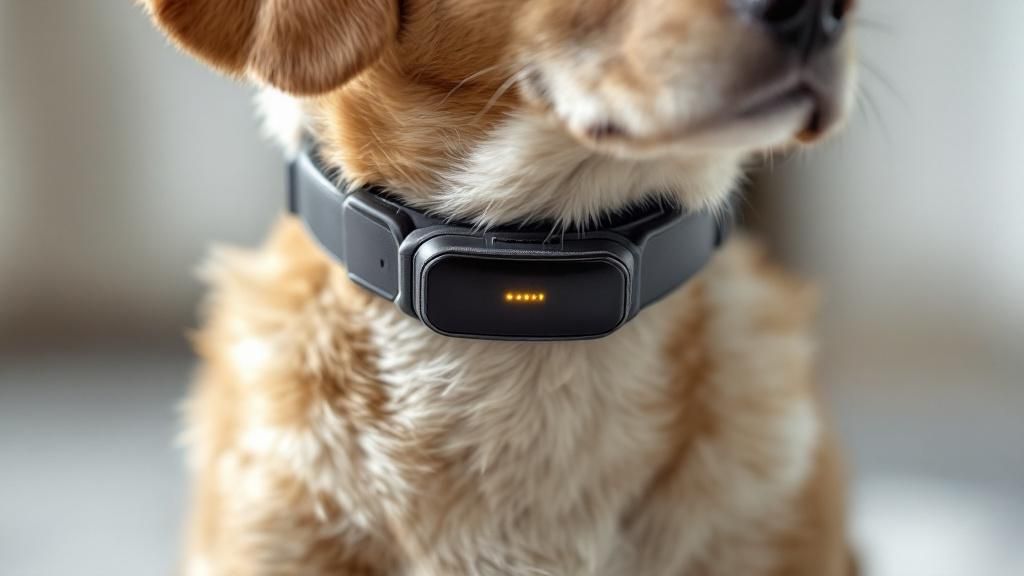
Companies like PetPace are at the forefront. Their collar doesn't just track location; it monitors your dog's vital signs 24/7. This includes parameters like resting heart rate, respiratory rate, and activity levels. The magic happens in the software. This strong health data is transformed into AI driven insights, generating near real time alerts if something seems amiss. Imagine getting a notification that your dog's respiratory rate has been elevated for the past hour, even though he's been resting. That's the kind of proactive, preventative care these devices enable.
Garmin International, a leader in human wearables, is also a major player in this space, recognized for offering advanced tracking and health monitoring for pets. Their devices often sync with a broader ecosystem, giving active owners a complete picture of their own and their dog's fitness. The focus is on continuous monitoring, catching anomalies that you might miss during a walk or play session. It complements the care you already provide, like choosing a balanced and complete diet from your dog food delivery service, by adding a layer of physiological oversight.
Beyond the Collar: Smart Home Habitat Monitoring
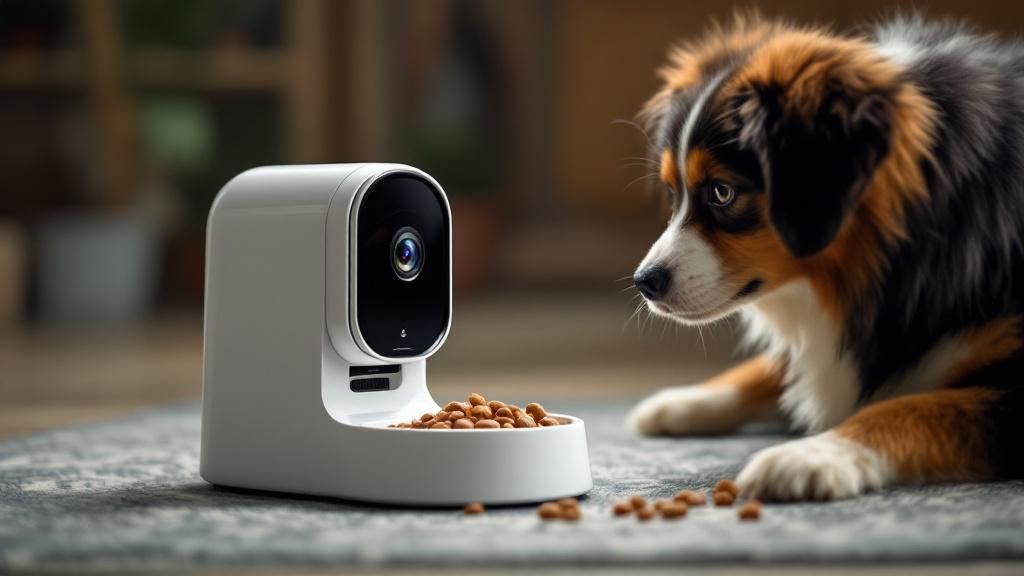
CES 2026 highlighted that health tracking isn't confined to what's on your dog's neck. The home environment itself is getting smarter. The latest lineup includes smart feeders and water fountains equipped with cameras and sensors that meticulously track eating and drinking habits.
Why does this matter? Changes in appetite or water consumption are often the first and most subtle signs of illness. A smart feeder can alert you if your dog didn't touch his breakfast, skipped dinner, or is eating significantly slower. A monitored water bowl can tell you if your pup is drinking three times his usual amount, a potential red flag for conditions like diabetes or kidney issues. This technology empowers you to spot these deviations early, providing your vet with concrete, timely data instead of a vague "he seems thirstier lately." It's like having a dedicated nutritionist and nurse observing the daily routines that even the best dog treats can't illuminate.
The Central Hub: Integrated Telemedicine Apps
Hardware is only half the story. The true power of 2026's tech is unlocked through sophisticated mobile apps that act as central command centers. Veterinary practice mobile apps serve as a patient information hub, giving you easy, centralized access to your pet's medical records, vaccination history, and upcoming visits. With a few taps, you can share vaccine records for boarding or update a pet sitter.
More advanced are the platforms that integrate directly with wearable and smart home devices. Companies like Felcana are delivering digital pet care through remote monitoring, providing direct and immediate access to veterinary advice. These platforms connect the data from your dog's smart collar and feeder directly to veterinary professionals, enabling continuous health tracking and early intervention.
Apps like PetsApp enable tele triage and appointment booking services. You can initiate a video call with a vet, who can review the live data from your dog's devices in real time. This makes veterinary telemedicine tools more advanced and user friendly than ever. Furthermore, AI powered software is now assisting vets directly, analyzing lab results, X rays, and ultrasounds with lightning speed to spot concerns early and provide predictive analytics. For chronic conditions, specialized apps like the RVC Pet Diabetes app allow owners to record blood sugar levels, weight, and symptoms, setting vital alerts for medication and creating a shared management log with their vet.
Key Features to Look For in 2026's Tech
With so many options, choosing the right solution can feel overwhelming. Based on the current trends and offerings, here are the critical features to prioritize.
Continuous, Multi Parameter Monitoring: Seek devices that track more than just steps or location. Look for vital sign monitoring (heart rate, respiration, temperature) and behavioral metrics (resting vs. active time, scratching, shaking). The more comprehensive the data, the better the AI can work. Real Time Alerts and AI Insights: The value is in the notification. A good system will learn your dog's normal baselines and alert you to meaningful deviations, not just flood you with raw data. As industry reports note, AI powered wearables for real time anomaly detection are a significant advance. smooth Veterinary Integration: The best tools break down the wall between you and your vet. Choose platforms that allow easy, secure sharing of health reports and data with your veterinary clinic. Some even offer built in telemedicine channels. Durability and Usability: The tech must fit into your life. Look for waterproof designs, long battery life (a week or more is ideal), and an app interface that is intuitive and not time consuming to use. A device that's a chore to manage will end up in a drawer.Making Advanced Tracking Work for You and Your Vet
Adopting this technology is a partnership, not just a purchase. To get the most out of it, a thoughtful approach is needed.
Start by having a conversation with your veterinarian. Show them the device or app you're considering. Discuss how the data can be integrated into your pet's medical records. Many clinics are now embracing these tools and may even have preferred partners or recommendations. This ensures you're not bringing in data streams they can't easily interpret.
Use the data to establish a "normal" baseline for your individual dog. Every pet is different. Spend the first few weeks observing what the metrics look like when your dog is healthy and happy in his routine. This makes any future anomaly truly stand out.
Remember, technology assists but does not replace professional judgment. An alert is a call to observe more closely and potentially contact your vet, not an automatic diagnosis. It gives you the evidence to say, "His resting heart rate has been 20% above his normal for 36 hours, and his dog water calculator is up," which is infinitely more actionable for a vet than "he seems off."
Finally, integrate this tech into your overall care philosophy. It works alongside the high quality nutrition you select from your dog best dog subscription boxes, the regular exercise you provide, and the mental stimulation you offer. It's one powerful piece of a larger puzzle dedicated to a long, vibrant life for your pup.
Final Thoughts
The pet health tracking landscape of 2026 offers an unprecedented window into our dogs' well being. From the AI intelligence of a smart collar to the quiet observation of a connected feeder, these tools are democratizing access to detailed health information. They empower us as pet parents to be more informed, proactive partners in care. While the initial investment can range from the cost of a basic app to a significant sum for advanced hardware with GPS and AI, the potential for early disease detection and peace of mind is immense. The goal isn't to turn us into home veterinarians, but to forge a stronger, data informed connection with the professionals who care for our pets. In my experience, the deepest bond with a dog is built on understanding, and these advanced solutions offer a profound new way to listen to what our best friends can't tell us in words.
Recommended Products



Find the Perfect Box for Your Dog
Compare top-rated dog subscription boxes and find the best fit for your pup.
Compare Boxes