Advanced Pet Health Tech For 2026

Future pet health trackers in 2026 offer AI-driven insights and predictive care through smart collars and seamless apps.
In 2026, advanced pet health tracking solutions are dominated by AI powered wearables like smart collars that monitor vital signs 24/7, integrated telemedicine platforms that connect data directly to veterinarians, and sophisticated mobile apps that centralize health records and enable real time video consultations. These devices and apps focus on proactive, preventative care through continuous monitoring and early anomaly detection.

The bond we share with our dogs is profound. We notice the subtle shifts in their energy, the slight change in their appetite, or the extra hour they spend napping. For years, we've relied on these observations as our primary health monitoring tools. But what about the metrics we can't see? The heart rate that spikes during sleep, the temperature fluctuation that happens before a fever, or the precise dog calorie calculator burn from a morning walk? This is where technology steps in, not to replace our intuition, but to augment it with data. As an expert in dog care, I've watched this field evolve from simple GPS trackers to systems that feel like having a veterinary nurse in your home. The year 2026 marks a significant leap, where health tracking isn't just about logging information. It's about artificial intelligence interpreting that information in real time and creating a direct line to professional care. This shift transforms our role from passive observers to active, informed participants in our pet's lifelong wellness.
What Are the Core Components of a Modern Health Tracking System?
Every advanced pet health solution in 2026 is built on a connected ecosystem. According to industry analyses, these systems typically consist of two main parts: the hardware and the software. The hardware is the physical device your pet wears or interacts with, and the software is the app on your smartphone that collects, displays, and analyzes the data. Some simpler systems exist as just an app for manual entry, but the most powerful solutions integrate both.
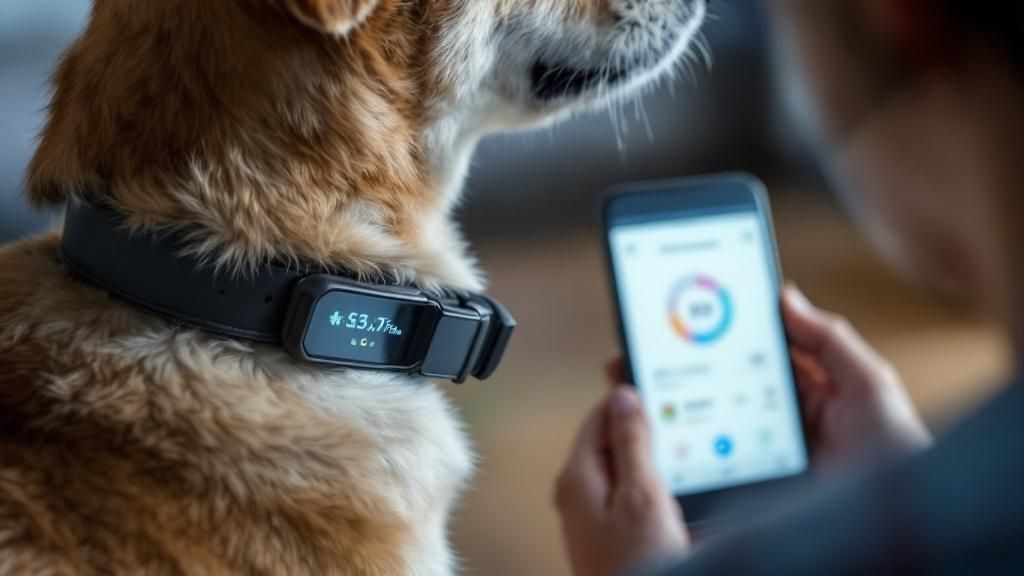
The hardware side is overwhelmingly dominated by wearables. In fact, the pet wearables segment accounted for a significant 45.3% of the market in 2025, driven by smart collars and advanced monitoring devices. These aren't just GPS units anymore. The leading products now incorporate multiple sensors to track a suite of vital signs. A prime example is the PetPace collar, which monitors your dog’s vital signs 24/7, transforming strong health data into AI driven insights and near real time alerts. This represents the gold standard for proactive, preventative care.
On the software side, the app acts as your command center. It's where you see real time location and activity monitoring, as showcased by the DocuPet Ultimate Pet Tracker. More importantly, these apps are evolving into comprehensive health hubs. Veterinary practice mobile apps now serve as a patient information hub, providing pet owners with easy centralized access to their pet's medical records, vaccination history, health reminders, and upcoming visits. With a few taps, clients can share their pet’s vaccine records for boarding or grooming. This integration of daily tracking with formal medical history is a key trend for 2026.
Which Advanced Devices Are Leading the Market in 2026?
The device landscape is rich and specialized. We can break it down into three main categories: continuous health monitors, intelligent home stations, and integrated safety trackers.
AI Powered Vital Sign Monitors
This category is for the pet parent who wants the deepest possible insight into their dog's physiology. Devices like the PetPace collar and similar AI powered wearables track parameters such as heart rate, respiratory rate, temperature, and activity levels continuously. The AI doesn't just show you the numbers. It learns your dog's normal baselines and sends alerts for anomalies, potentially flagging issues long before visible symptoms appear. This technology mirrors the remote monitoring platforms highlighted by industry experts, which connect wearable devices with veterinary professionals for continuous health tracking and early intervention. It's like having a constant, silent wellness checkup.
Smart Home Monitoring Stations
Not all tracking happens on a collar. CES 2026 showcased smart feeders and water fountains equipped with cameras and sensors that track eating and drinking habits. These tools help owners spot changes that could indicate health issues. Imagine a system that alerts you if your dog's water consumption drops by 30% over two days, or if they are taking unusually long to finish their meal from your favorite dog food delivery service. These changes can be early indicators of problems ranging from dental pain to systemic illness. By automating this observation, these devices remove the guesswork and provide precise, trend based data.
Comprehensive GPS and Activity Trackers
For the active dog or the curious cat, safety and overall activity levels are paramount. Trackers like the DocuPet Ultimate Pet Tracker offer real time location and activity monitoring. They are waterproof, boast long battery life, and integrate easily with apps for peace of mind. While they may not explore deep vitals like a specialized health collar, they provide crucial data on overall exercise levels and rest patterns, which are fundamental components of health. Pairing this data with insights from your dog best dog subscription boxes about new toys or treats that affect energy levels can create a full picture of your pet's daily life.
The market itself is consolidating around major players. Research indicates that top companies, including Mars, Garmin International, Pawbo, and Petcube collectively hold approximately 30% of the global market share. Garmin International stands out as the leader in pet wearables, offering advanced tracking and health features. This concentration means you're likely to encounter these brands when searching for top quality solutions.
How Are Mobile Apps and Telemedicine Transforming Care?
The app on your phone has become the most tangible interface for pet healthcare. In 2026, veterinary telemedicine tools are more advanced and user friendly than ever. Pet parents can now access mobile apps with real time video and integrated health records. This isn't just a video call. It's a structured platform.
For instance, PetsApp enables tele triage and appointment booking services for vets and their existing clients. Clients with veterinarians who use PetsApp can schedule appointments and make payments for medical bills through the app. This streamlines administrative tasks and makes care more accessible.
Specialized condition management apps are also rising. The RVC Pet Diabetes app enables pet owners to record changes in appetite, thirst, and urination output as well as blood sugar levels and weight. It allows users to set alerts for food and medication and comes with a library of instructional videos. This shows how apps are moving beyond general tracking to offer tailored support for chronic conditions.
The ultimate vision is a fully integrated virtual clinic. Felcana, a company created by vets and product designers, aims to deliver digital pet care. Their technology provides direct and immediate access to veterinary advice through remote monitoring devices, promising complete care that is expert, convenient, simple, and accessible. This model represents the future where your dog's daily data stream can be reviewed by a vet in minutes, not days.
What Does the Integration of AI and Veterinary Practice Look Like?
Artificial intelligence is the silent engine powering this revolution. It operates on two fronts: analyzing the data from your pet, and assisting your veterinarian.
On the pet side, AI is used for anomaly detection. As noted in industry tips, the most significant advances include AI powered wearables for real time vital sign tracking and anomaly detection. The system constantly compares your dog's current readings to its established normal patterns. A slight but persistent elevation in nighttime heart rate, or a gradual decrease in active minutes, can trigger an alert. This allows you to investigate or consult a vet early, often before a condition becomes severe or expensive to treat.
On the veterinary side, AI is augmenting clinical diagnostics. AI powered software can analyze lab results, X rays, and ultrasounds with lightning speed, helping veterinarians spot concerns early while providing predictive analytics for potential problems down the road. This means the data from your home tracking device can be combined with professional diagnostic results for a supremely comprehensive view of your pet's health. Your vet isn't just looking at a snapshot from an office visit. They're reviewing a continuous story, with AI highlighting the most important plot points.
This integration is facilitated by underlying technologies like RFID. The RFID technology segment is projected to account for 42.58% of the total market share in 2026. RFID helps animal control workers, vets, pet owners, and caregivers to contact, recognize, and monitor pets. It can be the link that ties a wearable device to a permanent, unchangeable pet ID in a national database, ensuring data continuity even if a collar is replaced.
How Do You Choose and Implement a Tracking System for Your Dog?
With so many options, selecting the right system can feel overwhelming. The choice hinges on your primary concerns, your dog's lifestyle, and your desired level of engagement.
First, identify your main goal. Is it:
* Preventative health monitoring? Prioritize a vital sign collar like PetPace.
* Safety and basic activity? A strong GPS tracker like DocuPet's may suffice.
* Managing a specific condition? Look for specialized apps like the RVC Pet Diabetes app.
* Convenience and integrated care? Choose a system that links to your vet's platform, like PetsApp or Felcana.
Consider your dog's routine. A highly active dog that enjoys the best dog treats after a long hike might benefit more from an activity focused tracker. A senior dog with a history of illness might need the intensive monitoring of a health collar. A dog that eats from a smart feeder can already provide valuable data without wearing a device.
Implementation is key. Start slowly.
1. Introduce the device comfortably. Let your dog wear the collar or tracker for short periods at home before using it fully.
2. Spend time learning the app. Understand what each metric means. Know what "normal" looks like for your pet.
3. Establish a baseline. Use the system for a few weeks without intervention to let the AI learn your dog's unique patterns.
4. Integrate the data into your routine. Check the app when you check your email. Make it a habit.
5. Share with your vet. During your next visit, show them the data trends. Ask if they have a preferred platform for receiving this information.
Remember, these tools are supplements. They don't replace your vigilance or your veterinarian's expertise. They empower both. Notice your dog is less eager for their food delivery meal. Check the app. Is their activity also down 20%? Is their resting heart rate elevated? Now you have a data backed concern to discuss, not just a vague worry.
Final Thoughts
The landscape of pet health tracking in 2026 is incredibly exciting. We've moved far beyond simple step counters. We are now in an era of connected, intelligent ecosystems that offer a continuous dialogue about our dog's wellbeing. This technology empowers us to be truly proactive pet parents. It turns subtle changes into clear data points. It bridges the gap between home and the veterinary clinic with smooth telemedicine.
The most profound benefit I see is the potential for early intervention. By catching trends early, we can address issues before they become emergencies. This can improve outcomes, reduce stress for our pets, and often lower the overall cost of care. It also deepens our understanding. We learn what true rest looks like for our dog, how different activities affect their physiology, and how their diet from a balanced and complete dog food delivery service impacts their daily energy.
As this field grows, expect even deeper integration. Your dog's health tracker might one day suggest a specific supplement based on activity data. It could recommend a calming treat from your dog subscription box after detecting anxious patterns. The line between daily care and medical care is blurring, creating a holistic, data informed approach to our pets' lives. Embrace these tools not as gadgets, but as partners in your lifelong commitment to your dog's health and happiness.
Recommended Products



Find the Perfect Box for Your Dog
Compare top-rated dog subscription boxes and find the best fit for your pup.
Compare Boxes