Your 8 Week Old Puppy Daily Schedule
Master your new puppy's day with this hour-by-hour schedule for feeding, potty breaks, sleep, and play.
An 8 week old puppy thrives on a consistent, gentle schedule that balances frequent meals, potty breaks, sleep, and short bursts of play. Aim for a routine that includes waking up early, feeding three to four times a day, offering a potty opportunity every 1-2 hours, and ensuring 16-20 hours of sleep, with structured crate time for safety and training.
Bringing home an 8 week old puppy is a whirlwind of tiny paws, sharp little teeth, and boundless, wiggly joy. It can also feel overwhelming, like you've suddenly been put in charge of a fuzzy, unpredictable tornado that needs constant care. I've been there, staring at a sleepy pup one minute and a zoomie-fueled land shark the next, wondering what on earth to do next. The single most powerful tool you have in those first few weeks isn't a fancy toy or the most expensive bed; it's a predictable, compassionate schedule. A solid routine does more than just keep your sanity intact. It teaches your puppy what to expect from their new world, builds their confidence, and accelerates house training and crate training faster than anything else. Based on expert guidance from organizations like the AKC and professional trainers, this hour by hour guide will walk you through a realistic, sustainable daily plan for your newest family member.
Why Is a Strict Schedule So Important for an 8 Week Old Puppy?
Think of your puppy's brain like a blank notebook. Every experience is a new entry, and without a pattern, those entries are chaotic scribbles. A schedule creates the chapters. It provides security. When a puppy knows that breakfast comes after the morning potty, that playtime follows a nap, and that quiet crate time is safe and normal, their anxiety drops. This is foundational for preventing separation issues, which you can learn more about in our dog anxiety guide.
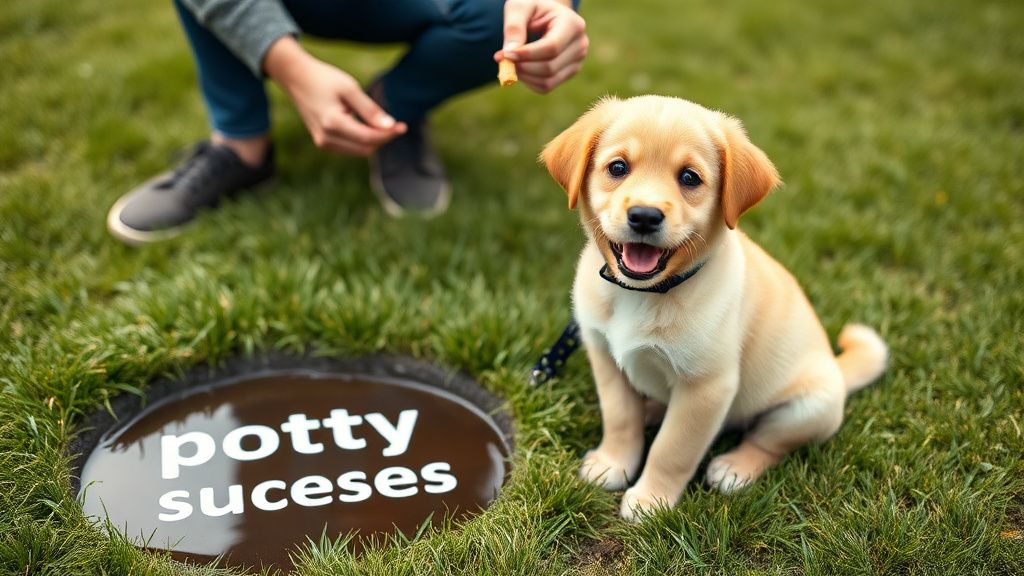
A strict schedule is also your best friend for house training. An 8 week old puppy has a minuscule bladder. The general rule is they can hold it for about one hour per month of age, so at two months, that's only two hours max, and often less during active periods. By proactively taking them out on a consistent timetable, after waking, after eating, after playing, you create countless opportunities for them to succeed in the right spot and dramatically fewer accidents indoors. Furthermore, structured crate and nap times, as the AKC notes, are essential for teaching a puppy how to be calmly alone and keeping them safe when you cannot supervise them directly.
The Core Principles of Your Puppy's Day: Understanding PEES
Before we look at the clock, let's break down the four pillars of your puppy's daily needs, often summarized by trainers as PEES: Potty, Exercise, Eat, Sleep. Getting the balance of these right is more important than obsessing over the exact minute.
Potty: This is the most frequent need. Plan for a trip outside every 1-2 hours while awake, and immediately after every transition: sleep to wake, crate to freedom, play to calm, and always 10-20 minutes after eating or drinking. Exercise: This is often misunderstood. For an 8 week old, exercise isn't a long walk. It's short, gentle engagement. A good guideline is 5 minutes of structured activity per month of age, twice a day. So for your 8 week old, that's about 10 minutes per session. This can be a short stroll in your yard, a gentle play session with a toy, or basic training. Very active breeds may tolerate a bit more, but watch for signs of overtiring like nipping, zoomies, or collapsing. Their little joints are still developing. Eat: Your puppy needs consistent nutrition to grow. At this age, three to four meals a day is standard. Stick to the same high quality puppy food, served at roughly the same times. Consistency in feeding leads to predictability in potty breaks. If you're considering the convenience of fresh dog food or freeze-dried dog food, introducing new foods should always be done gradually. Sleep: This is the biggest one and often the most neglected by new owners. An 8 week old puppy needs 16 to 20 hours of sleep per day. They are like human babies; they grow and learn in their sleep. Overtired puppies become bitey, cranky, and difficult to train. Enforced nap times in a crate or pen are not cruel; they are a necessary part of a healthy routine.A Sample 8 Week Old Puppy Schedule: Hour by Hour
Here is a realistic, sample schedule that synthesizes the best advice from trainers and veterinarians. Use this as a flexible framework. Your puppy's individual needs might shift times by 30 minutes, and that's perfectly fine. The sequence is what matters.
6:00 AM - Wake Up & Immediate Potty BreakYour day starts early. Take your puppy from their crate straight outside to their designated potty spot. Use a consistent phrase like "Go potty." Keep it boring and business like until they go, then offer huge praise and a tiny, soft training treat. This first break is non negotiable.
6:15 AM - Short Play & Bonding TimeAfter they've relieved themselves, it's time for a little connection. Some gentle petting, a short cuddle, or a few minutes of calm play indoors. This reinforces that good things happen after going potty outside.
7:00 AM - BreakfastServe the first meal of the day. Measure out their daily food allowance and divide it into portions. Having a set amount helps with weight management and makes training treats come from their kibble allowance. After they finish, take them out for another potty break within 10-20 minutes.
7:30 AM - 9:30 AM - Supervised Play & Training, Then Crate/NapThis is a good window for a short, 5-10 minute training session on basics like their name, "sit," or handling exercises. Follow this with a little more play. Around 8:00 or 8:30 AM, they will likely start showing sleepy signs (nipping, slowing down, circling). This is your cue. Settle them in their crate with a safe chew toy for a scheduled nap. They may sleep for 1-2 hours.
9:30 AM - Potty Break & Brief ActivityPuppy wakes up. Straight outside for potty. Then, a short 10-15 minute period of quiet activity, perhaps chewing on a toy next to you while you work.
10:30 AM - Another Crate/Nap PeriodBack to the crate for another nap. The cycle of 1-2 hours awake followed by 1-2 hours asleep is your goal throughout the day.
12:00 PM - Lunch & PottyMidday meal. Same routine: eat, then potty break shortly after.
12:30 PM - 2:30 PM - Play, Socialization, & NapAnother cycle of gentle activity. This could include a short "socialization" session like sitting with them near a window to watch the world, or playing a simple game. Watch for tiredness, then back into the crate for an afternoon nap.
3:00 PM - Potty Break & Quiet TimePotty, then some calm time. This is a good period for them to learn to settle on a mat or in a playpen while you are nearby.
5:00 PM - DinnerThird meal of the day. Followed, of course, by a potty break.
5:30 PM - Family Time & Evening PlayAs the family gathers, this can be a more active play period, still keeping within that 10-minute guideline. It's also a perfect time to introduce new textures and sounds in a positive way.
7:00 PM - Final Water Adjustment & Evening PottyTo help them sleep through the night, you can start the practice of picking up the water bowl about 2-3 hours before bedtime. Offer a final potty break right before you settle in for the evening.
8:00 PM - Last Calm Activity & Final PottyEngage in very calm interaction. Some light chewing, quiet cuddles. Take them out for their very last potty break of the night right before crating.
9:00 PM - Bedtime in CrateSettle your puppy into their crate for the night. Expect to set an alarm for a overnight potty break at this age, perhaps around 1:00 or 2:00 AM. They simply cannot hold it all night yet. Keep this break silent and dark, no play, just potty and back to bed.
How to Adapt This Schedule for Your Life
This schedule might look intense, and you might wonder how anyone with a job can manage it. The key is adaptation and support. If you work away from home, the middle part of the day will look different.
* Use a Puppy Pen: A secure exercise pen attached to the crate can give your puppy a safe, larger space with pee pads or a porch potty style setup while you're gone.
* Enlist Help: A midday dog walker, a neighbor, or coming home on your lunch break is crucial for a puppy this young. They need a potty break and a short interaction.
* Focus on Consistency in the Times You *Are* Home: The morning, evening, and weekend routines are where you build the strongest habits. Stick to the same wake-up, feeding, and bedtime times every single day, as this consistency helps regulate their internal clock.
Essential Supplies for Sticking to the Routine
Having the right tools on hand makes this schedule flow smoothly.
* A Proper Crate: Size it so they have enough room to stand, turn, and lie down, but not so much that they can potty in one corner and sleep in another.
* High Value Treats: For potty successes and training. Keep them tiny and soft. Exploring a dog subscription box can be a fun way to discover new treats your pup loves.
* Food Puzzle Toys: These are fantastic for meal times and quiet chewing, turning eating into a mental exercise that tires them out.
* A Playpen: This provides a safe zone for supervised play when you can't have eyes directly on them every second.
* A Journal or App: Track potty breaks, meals, and naps for the first week or two. It helps you see their natural rhythm and catch any issues early.
Final Thoughts
Remember, this schedule is a guide, not a prison sentence. Some days will be messier, both literally and figuratively. The goal isn't perfection; it's predictable patterns that give your puppy a sense of order in their exciting new life. You are teaching them the rhythms of your home. Those 2:00 AM potty breaks won't last forever, and the enforced naps are what give you both a break. By investing in a consistent routine now, you are laying the groundwork for a well adjusted, confident, and house trained dog. For more tips on navigating the puppy phase, check out our guide on bringing home a new puppy. Take a deep breath, grab some treats, and enjoy the journey. You've got this.
Find the Perfect Box for Your Dog
Compare top-rated dog subscription boxes and find the best fit for your pup.
Compare Boxes